Turkaman rugs originate from the nomadic and semi-nomadic tribes of Central Asia and the Middle East. For centuries, these rugs were essential to tribal life, serving as floor coverings, tent decorations, and functional items for daily use. The tradition has been passed down through generations, with specific tribal groups developing their own unique aesthetic signatures that distinguish their work from other regional styles.
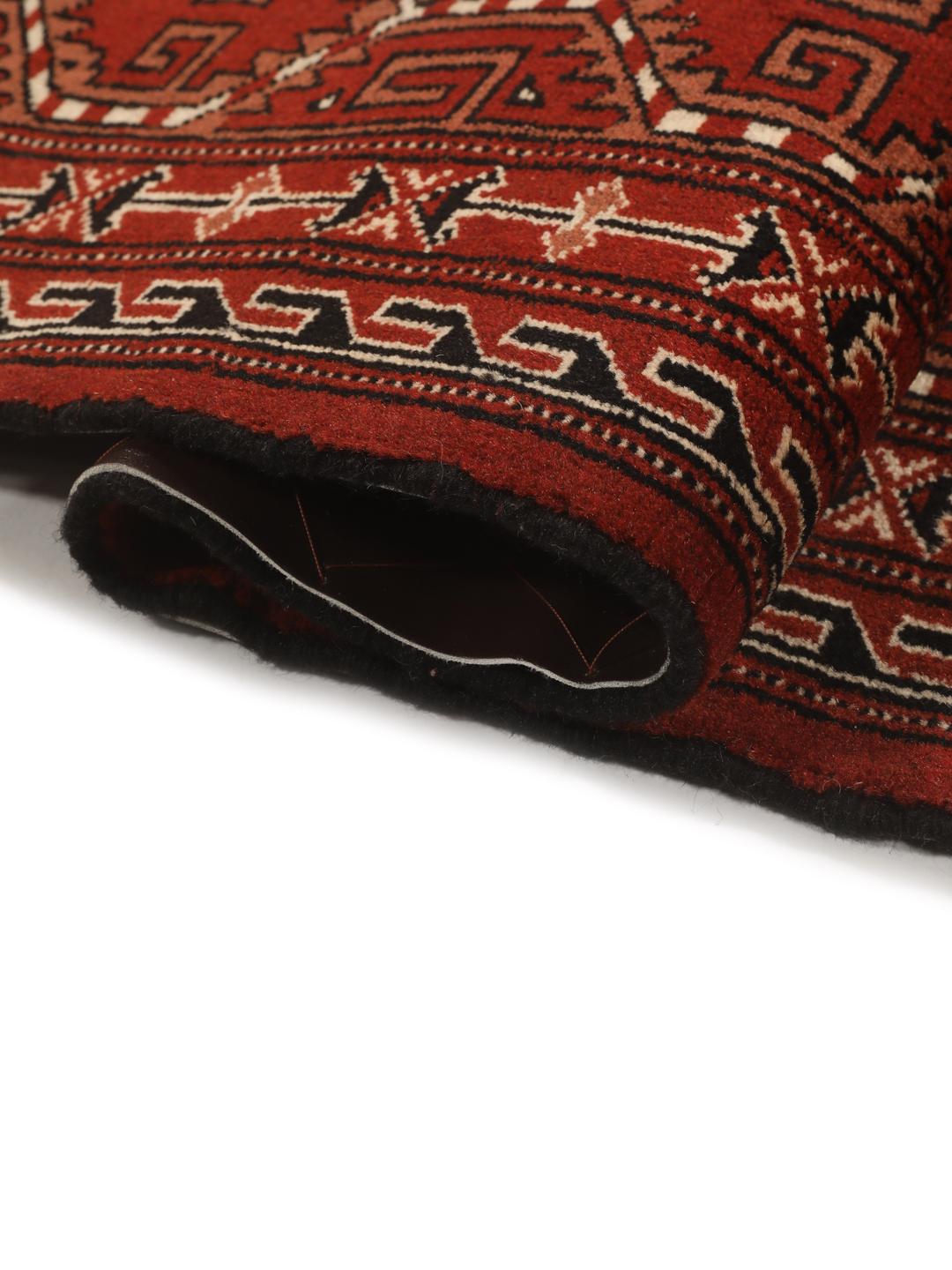
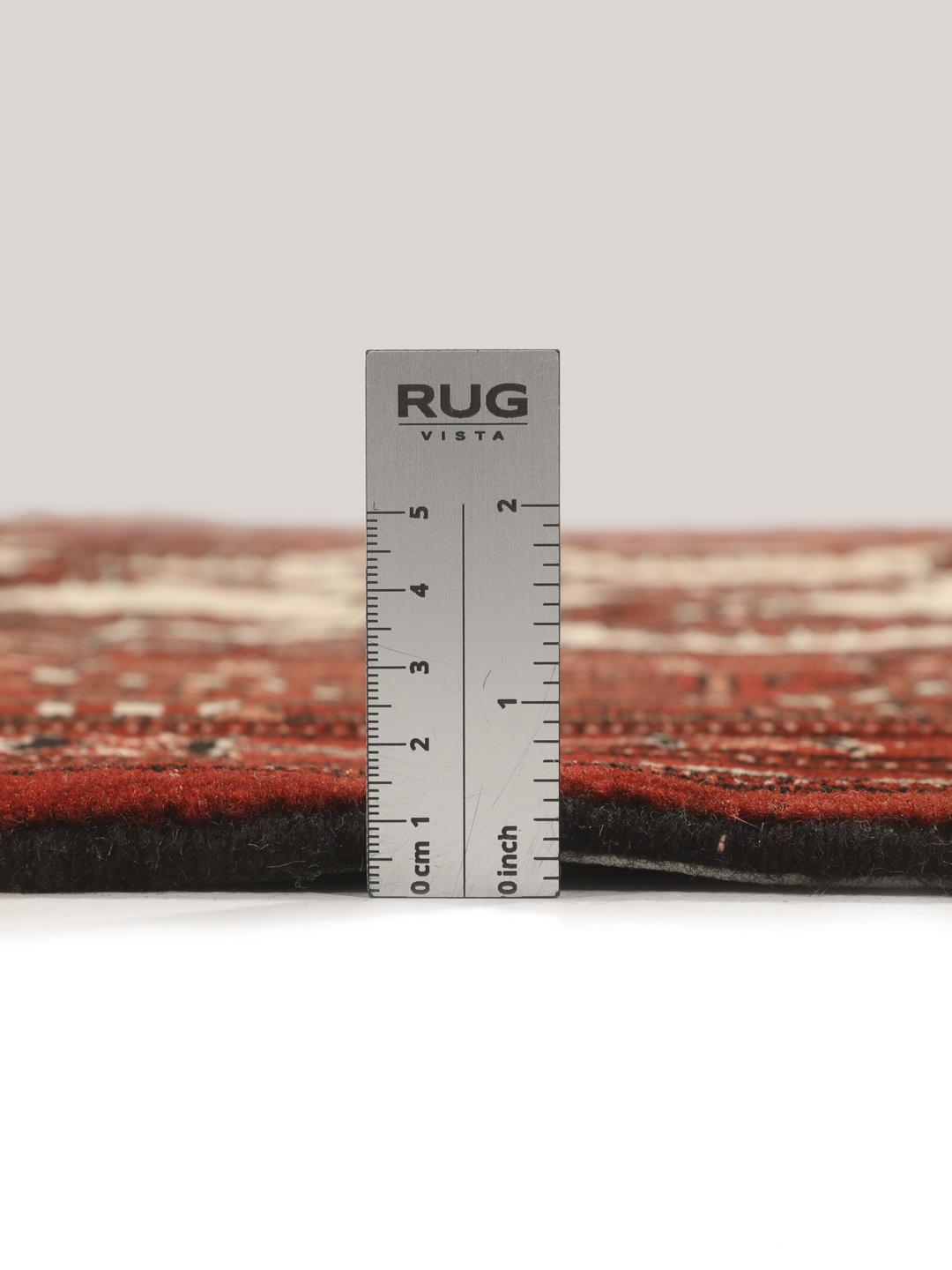
The term 'Turkaman' refers to the specific weaving heritage that emphasises durability and a distinct, formal visual language. These rugs are often characterised by a strong, consistent use of a deep red palette, which was historically derived from natural madder root dyes. The construction is known for its robustness, reflecting the practical needs of the tribes who relied on these rugs to withstand harsh environmental conditions while providing comfort in their dwellings.
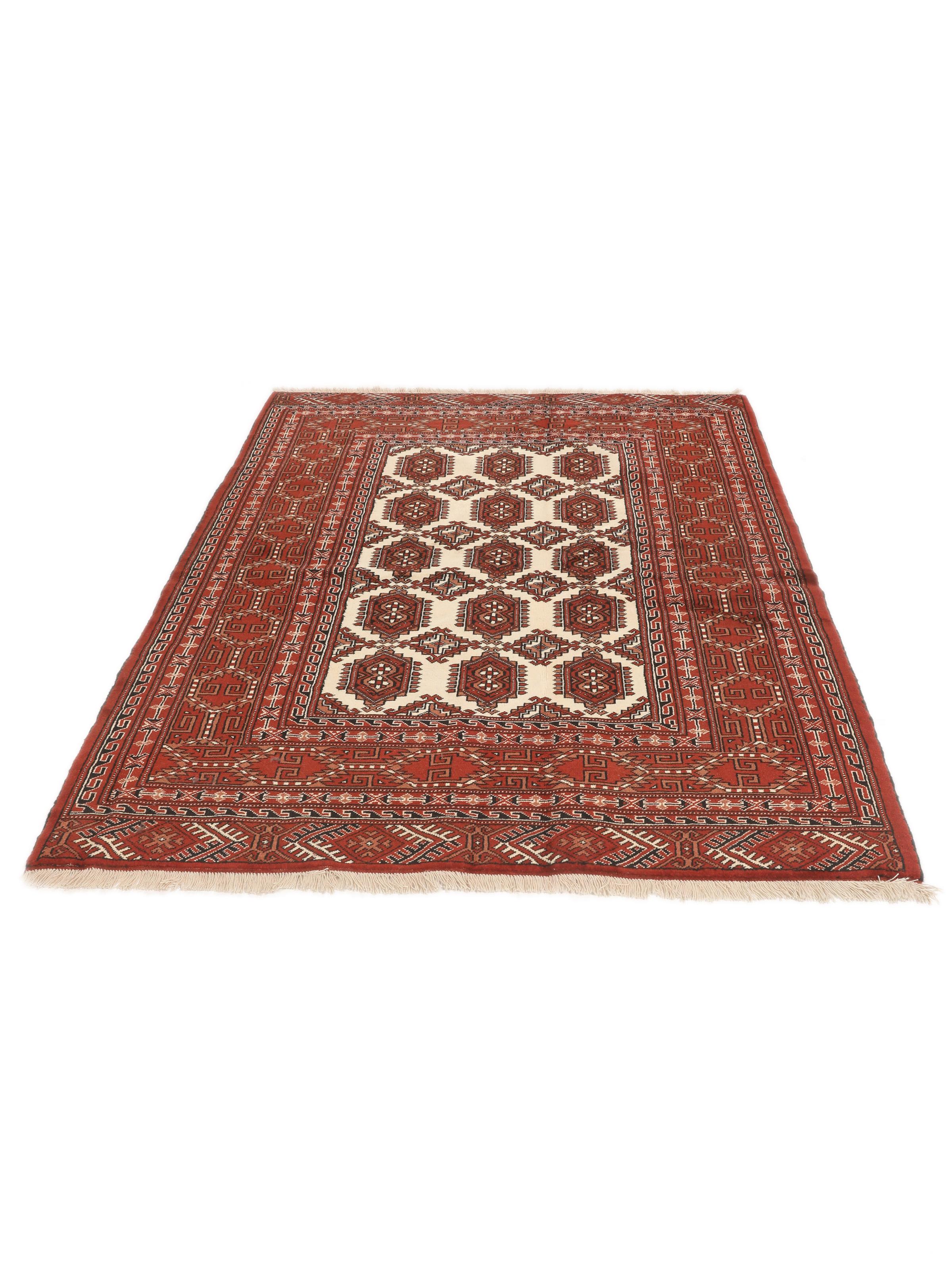
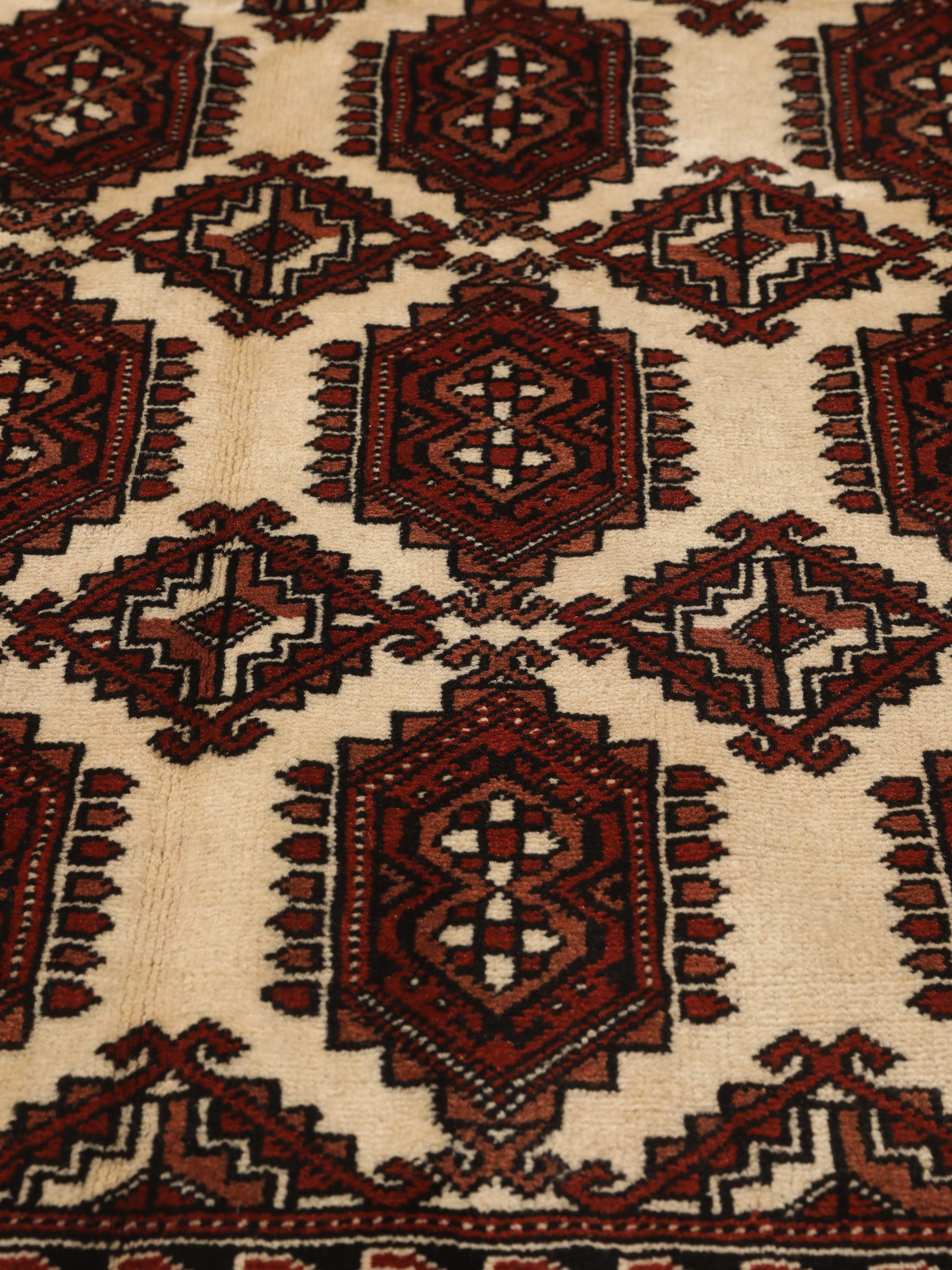
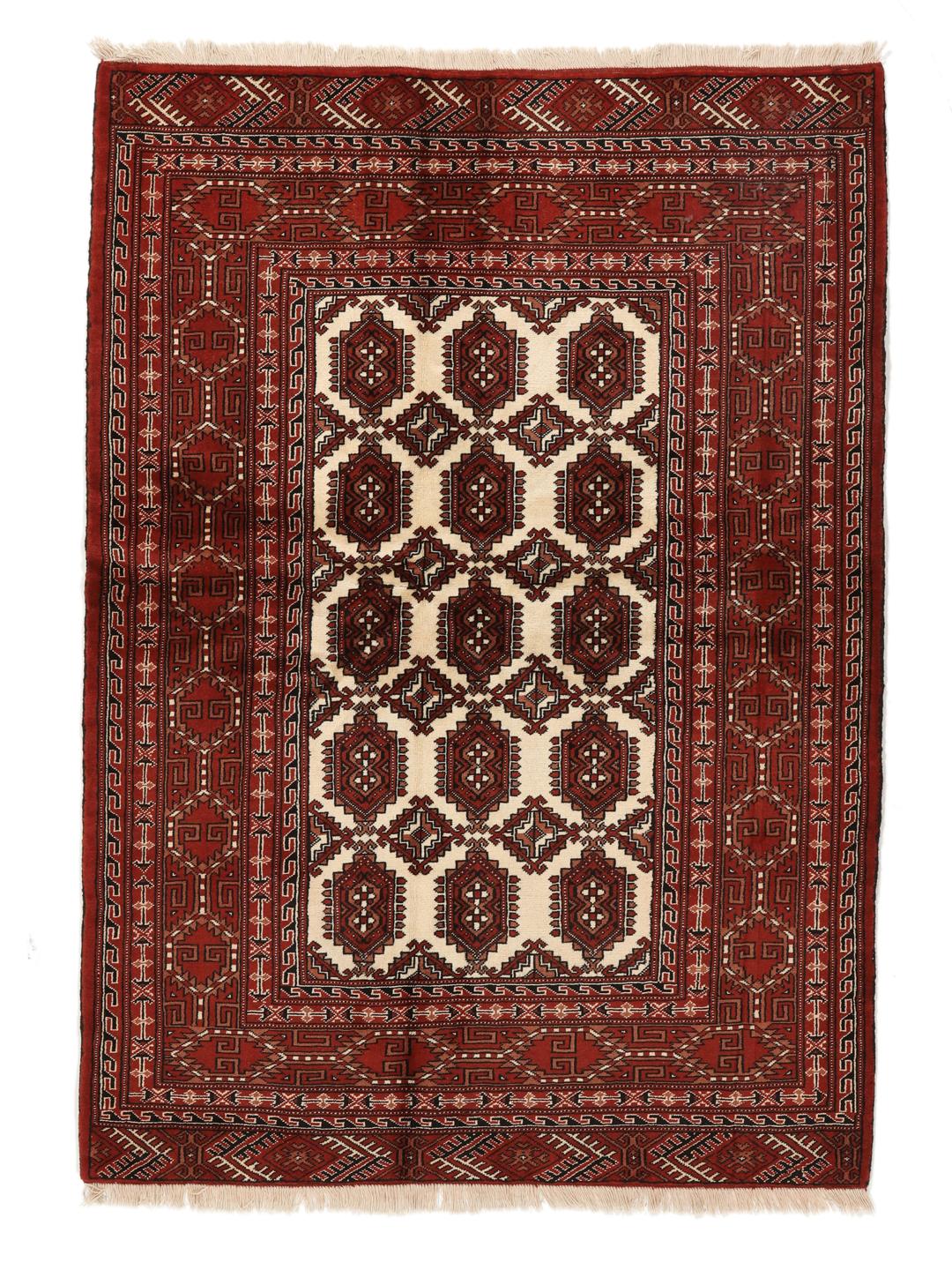
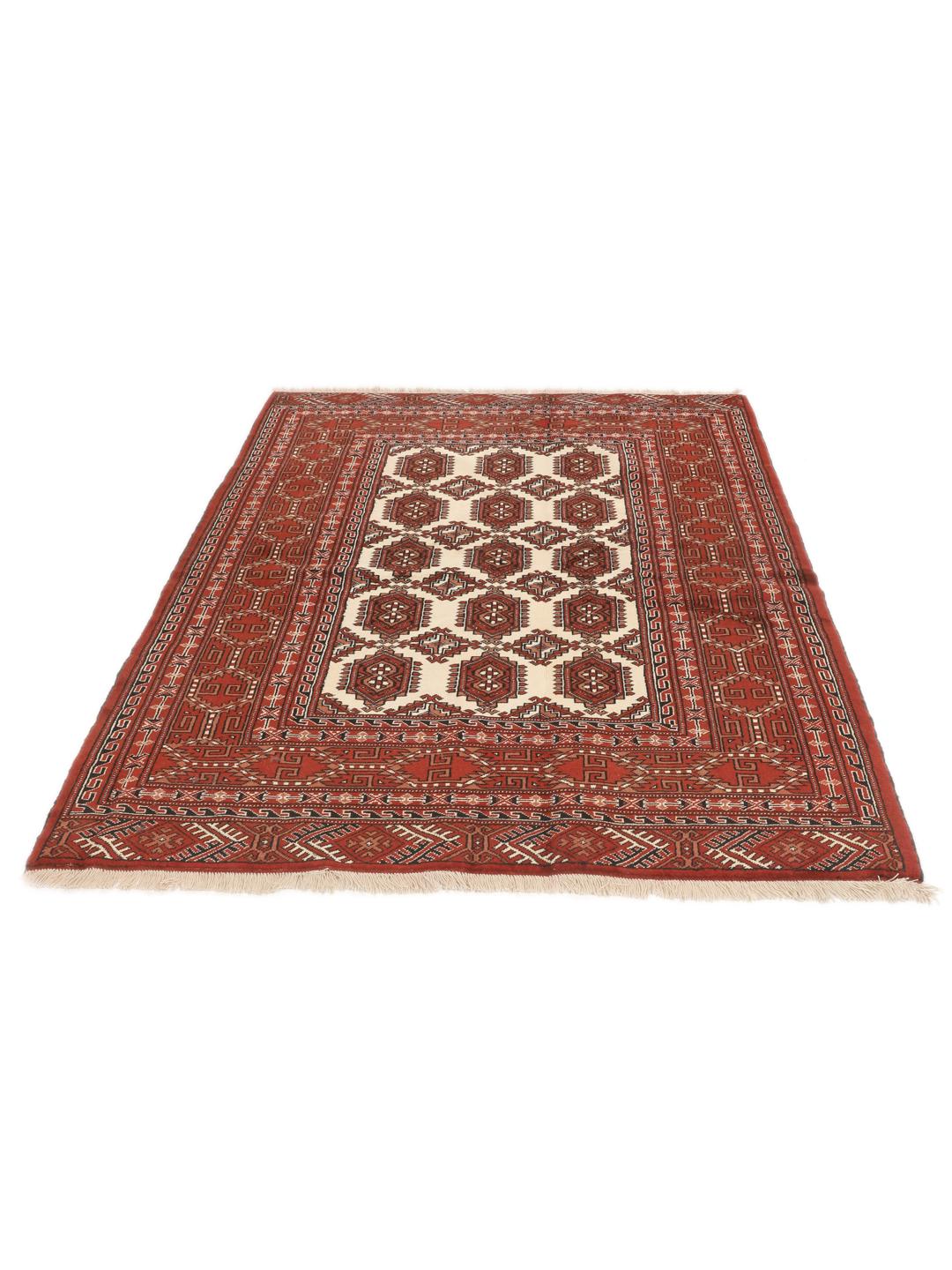
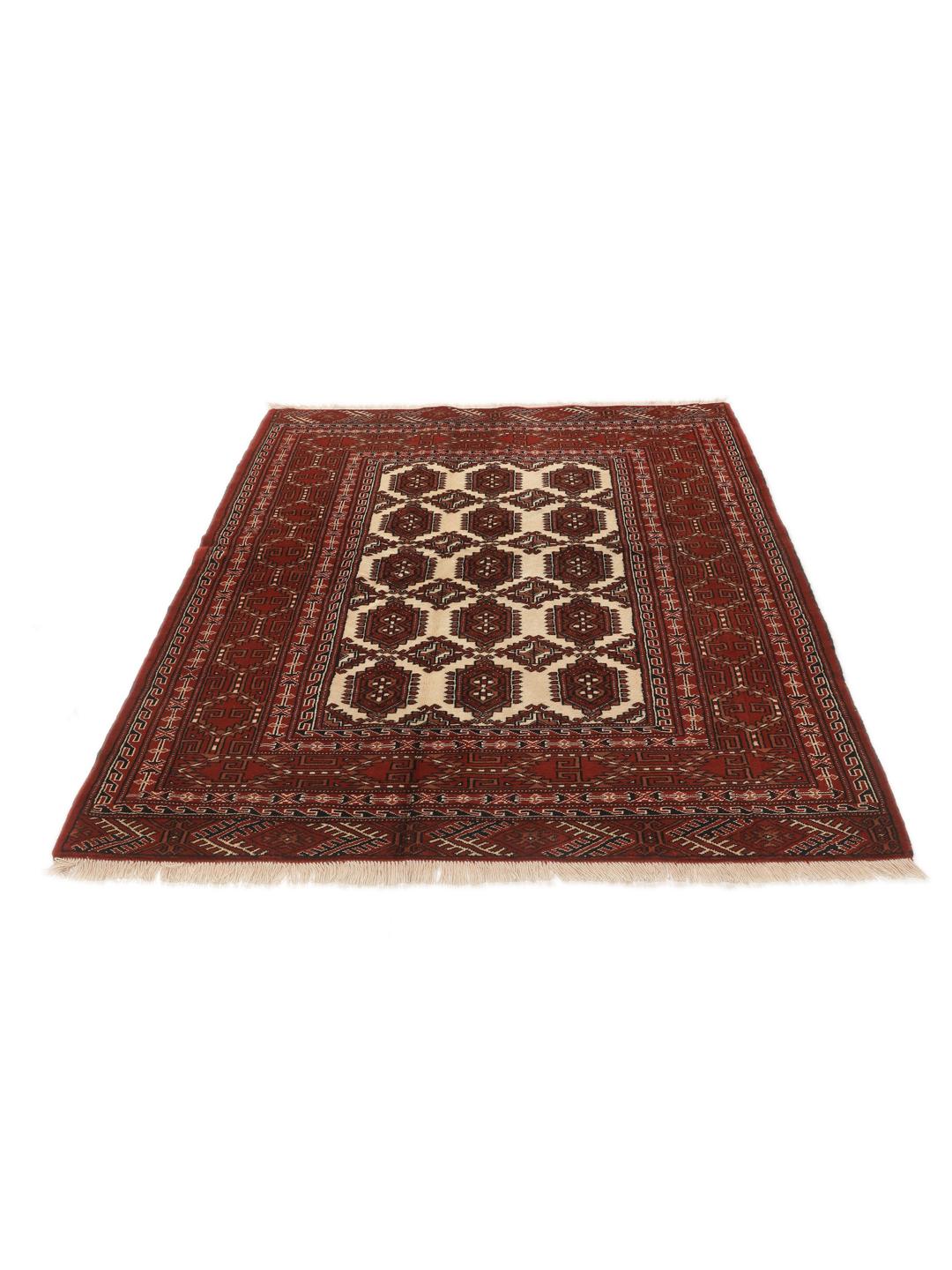
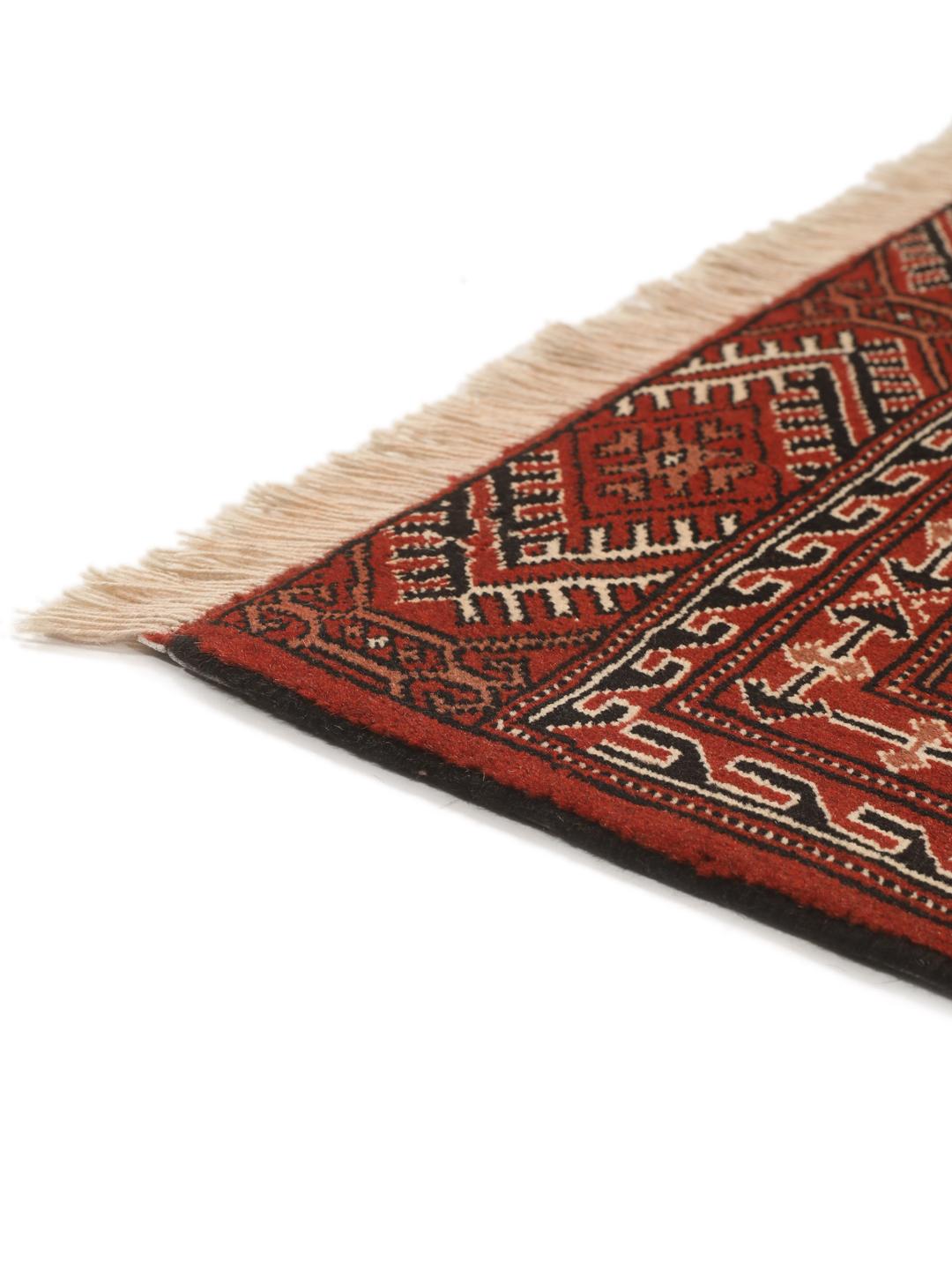
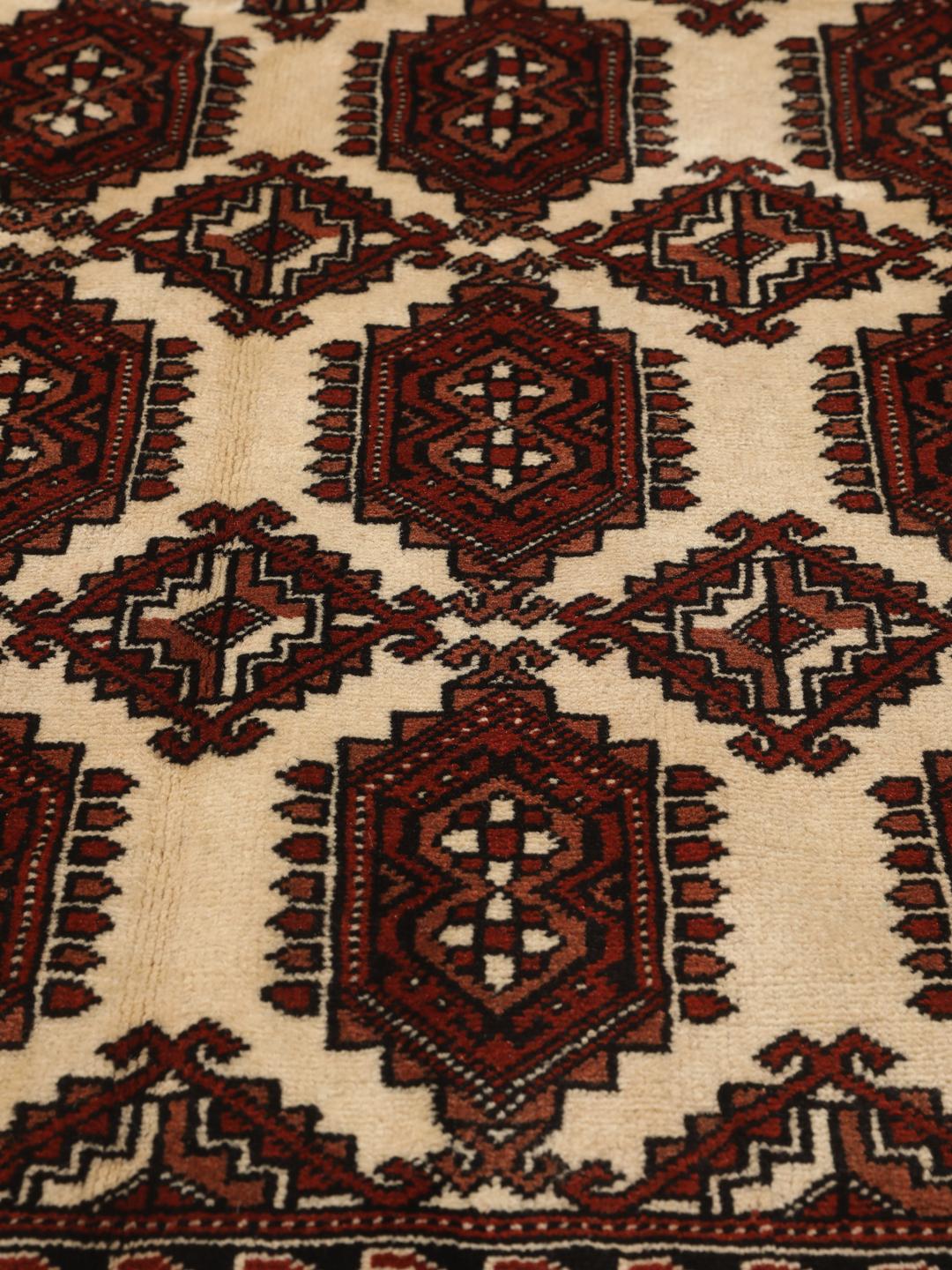
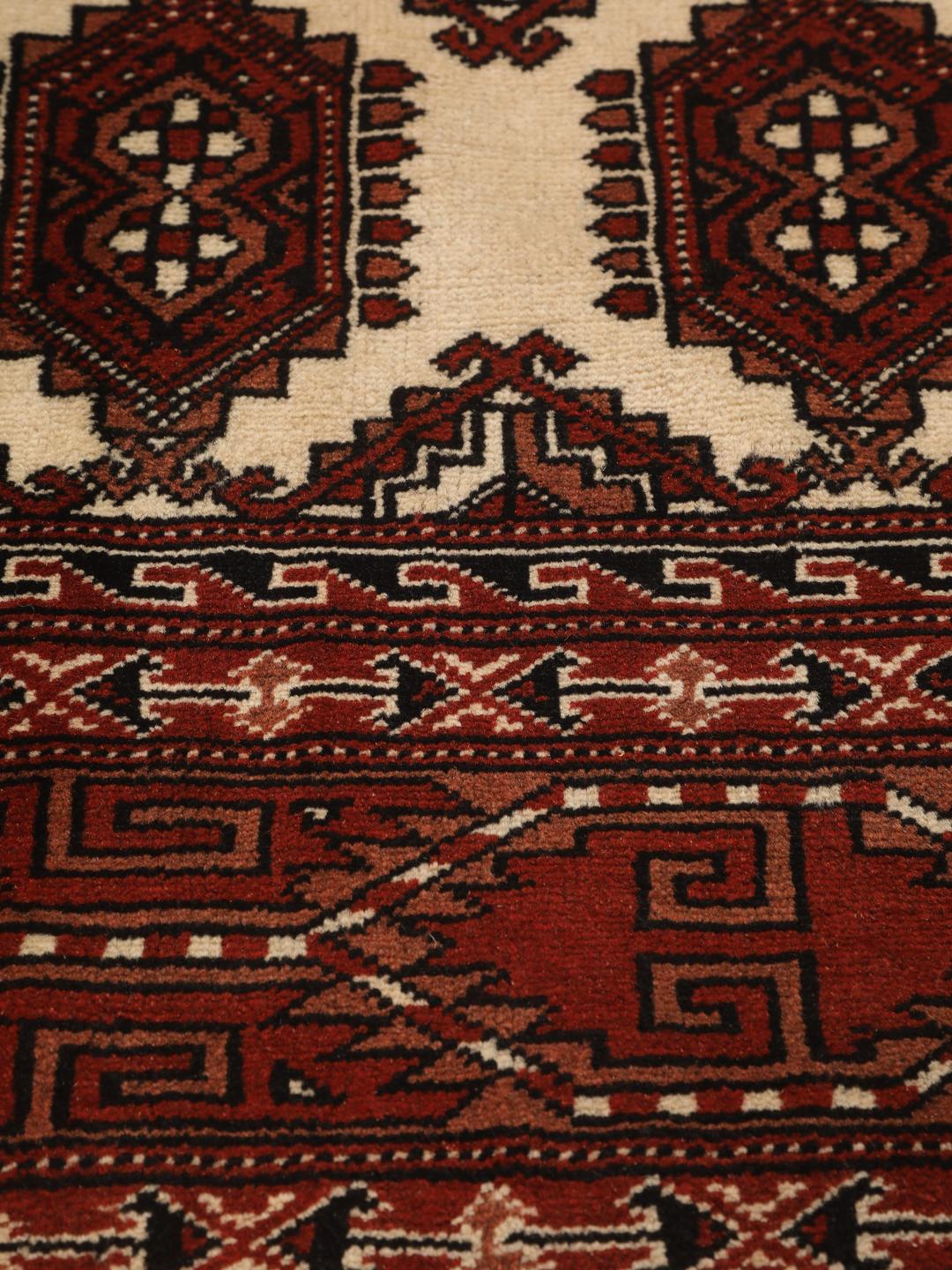
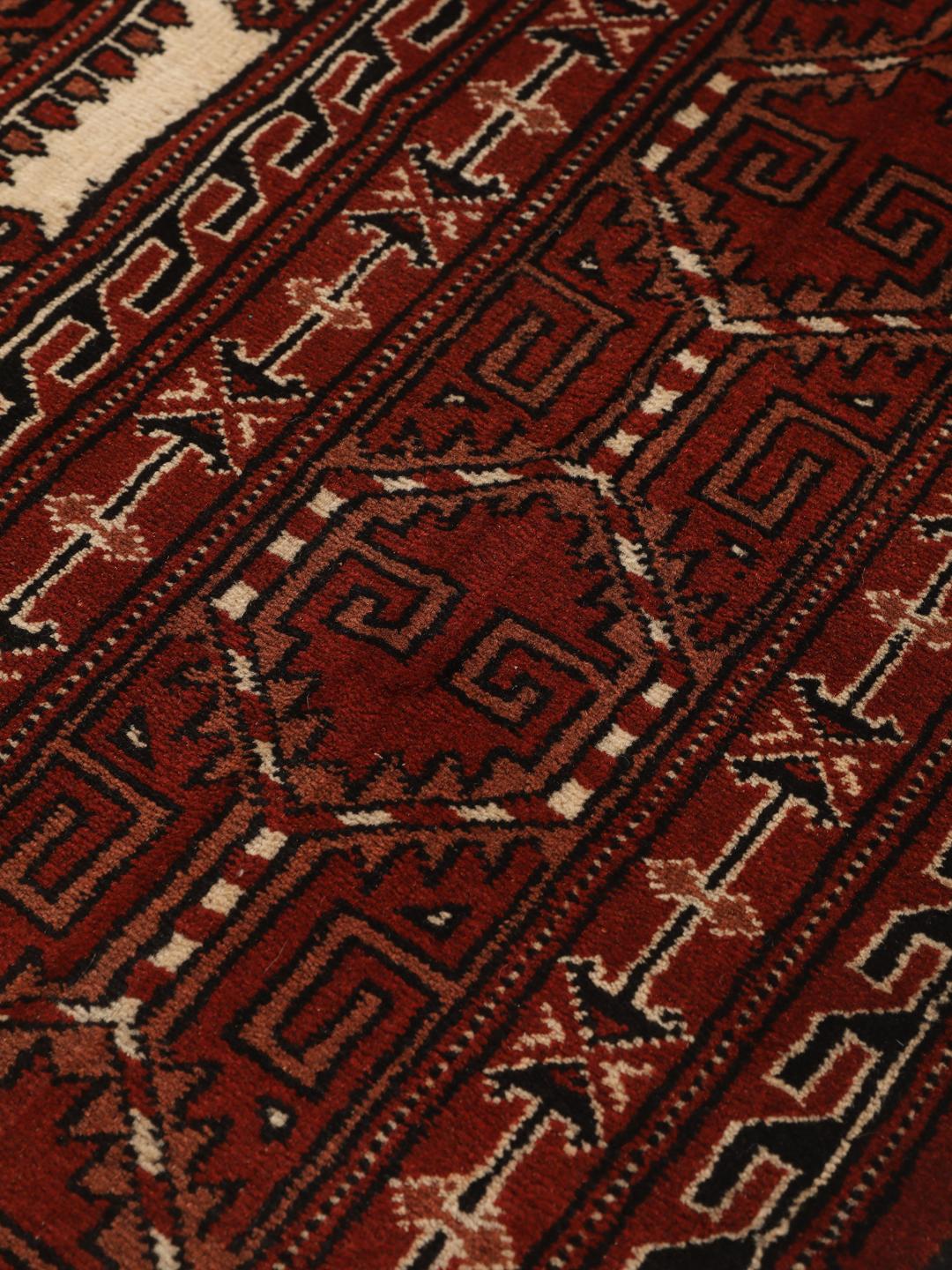
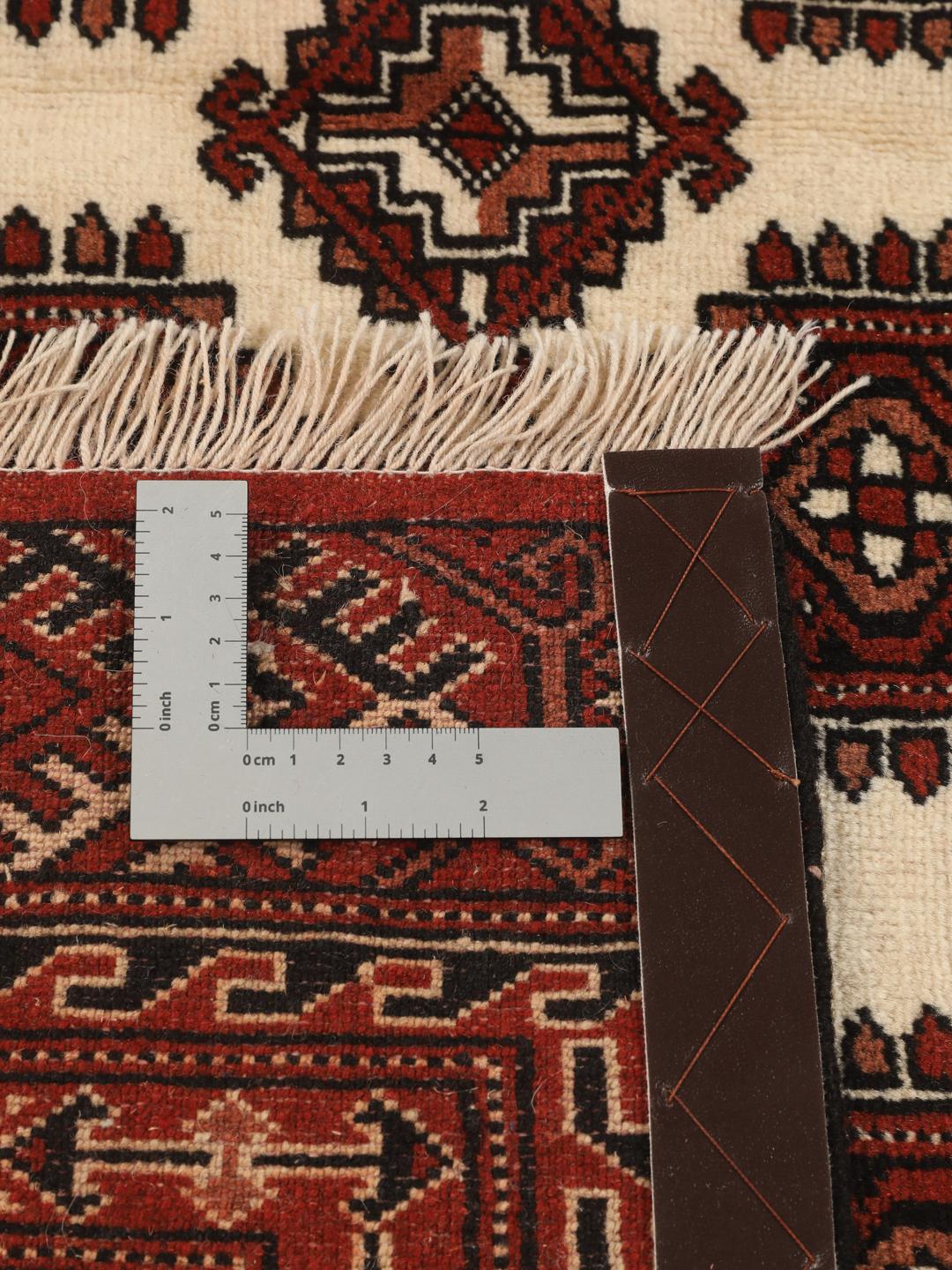
The signature design element of the Turkaman tradition is the 'gul'—a repeating, medallion-like motif that often resembles a stylized elephant foot or a geometric blossom. These motifs are typically arranged in a structured grid across the field, surrounded by elaborate borders that often feature hooked geometric patterns. This rug follows these classic design principles, showcasing a masterful balance between the orderly, repeating field and the more complex, decorative borders.
Today, these rugs are highly valued by collectors and enthusiasts who appreciate the skill and cultural history embedded in every piece. Owning a hand-knotted Turkaman rug is more than just a decor choice; it is an act of preserving a traditional craft that has survived for centuries. It represents a connection to the nomadic spirit and the high level of technical precision that has defined this region's contribution to the world of textile art.