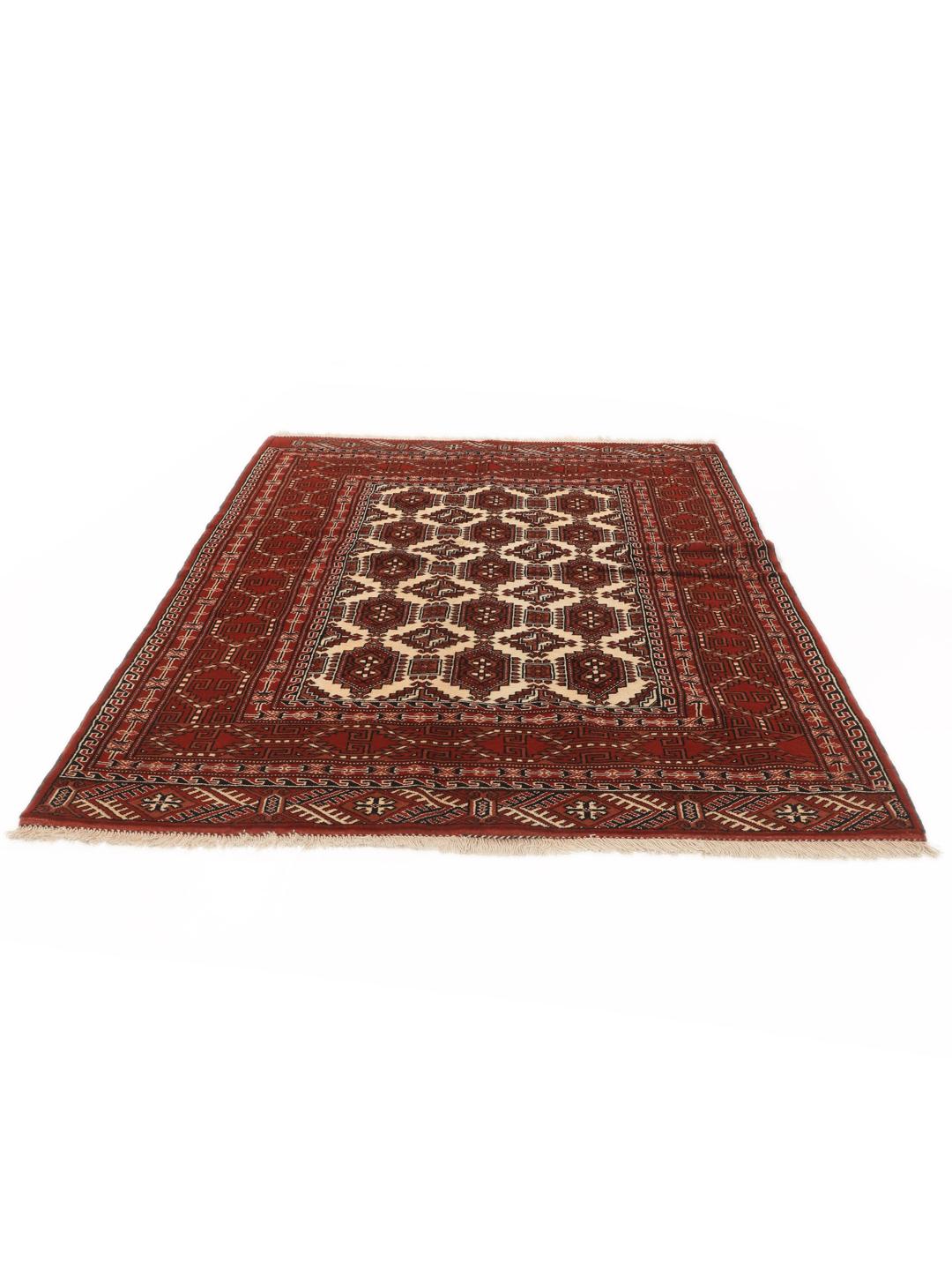
Turkaman rugs originate from the nomadic and semi-nomadic tribes of the Middle East, a region with a deep-seated tradition of textile artistry. Historically, these rugs were woven by tribal women to provide warmth and insulation for their tents, with designs often reflecting the unique identity and history of each specific clan. Over time, these rugs gained international recognition for their durability and distinctive, refined aesthetic.
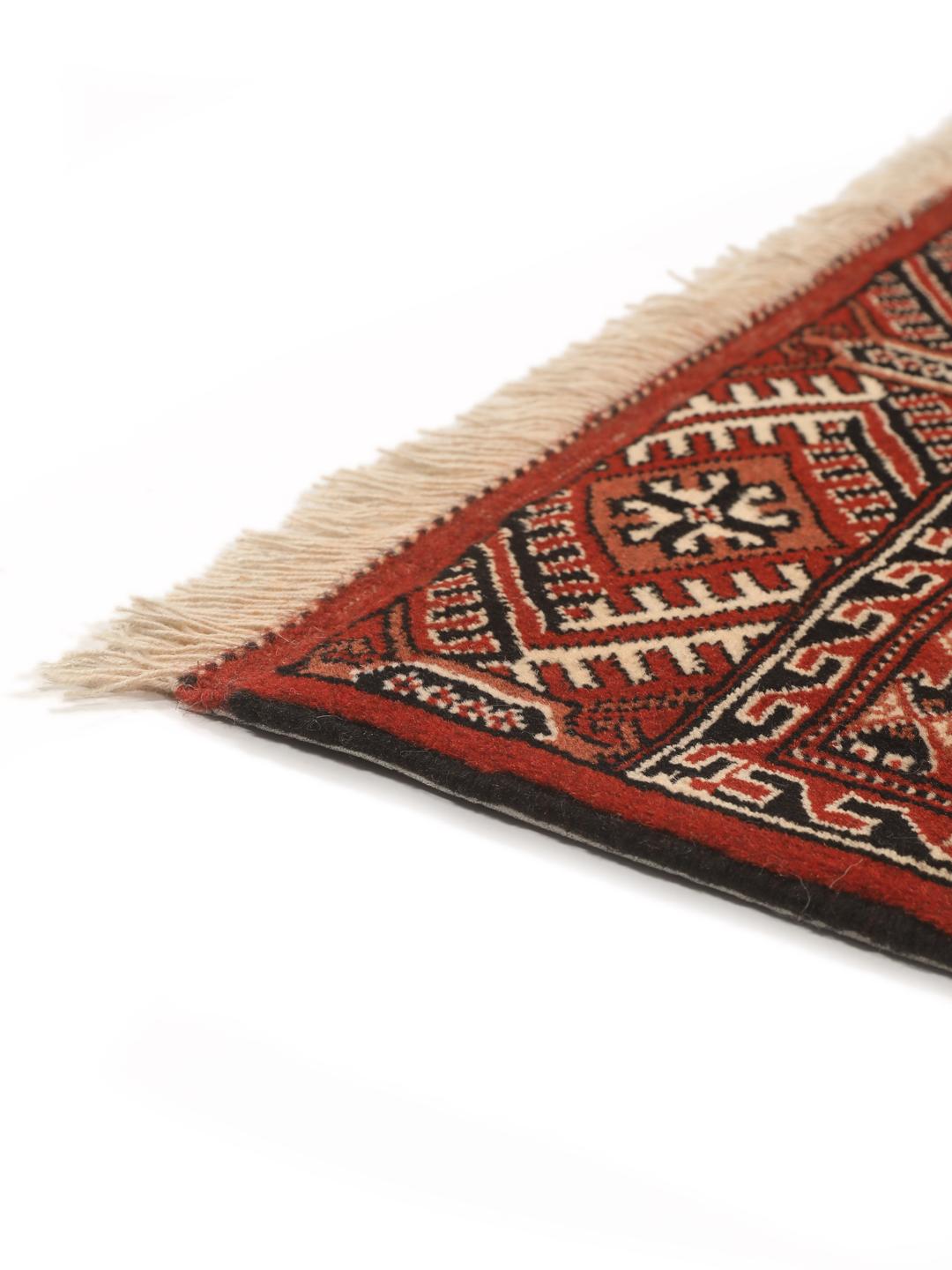
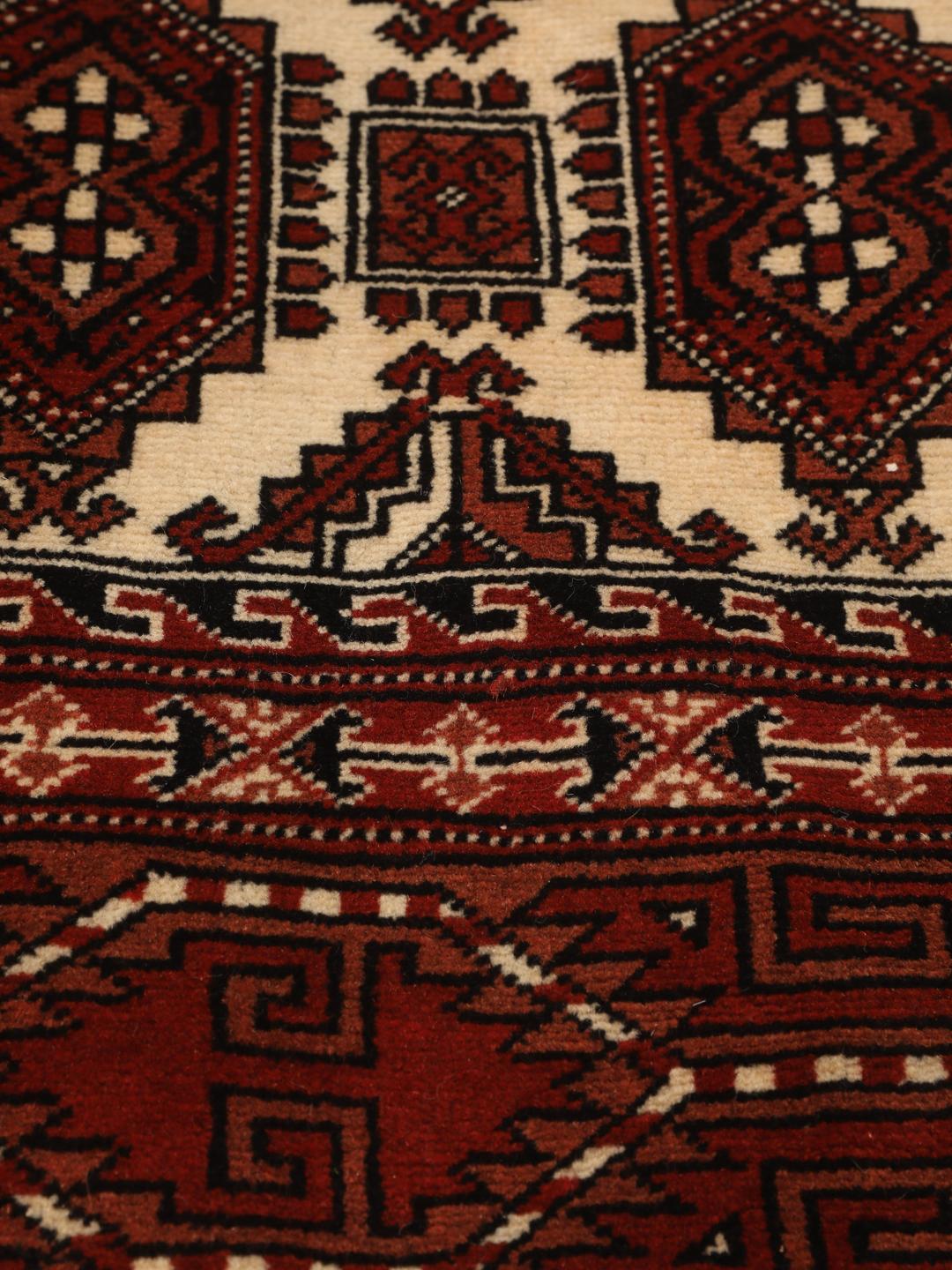
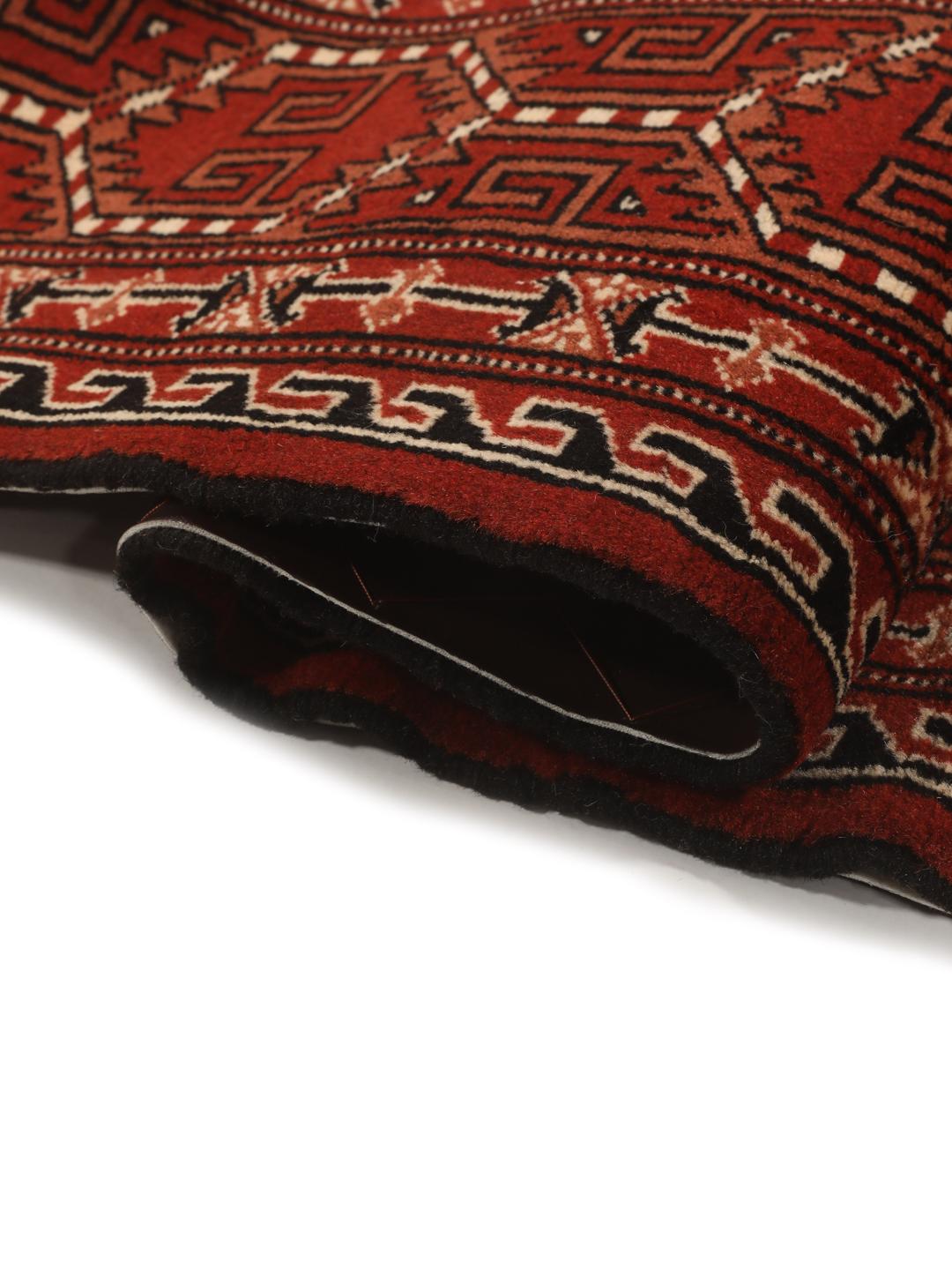
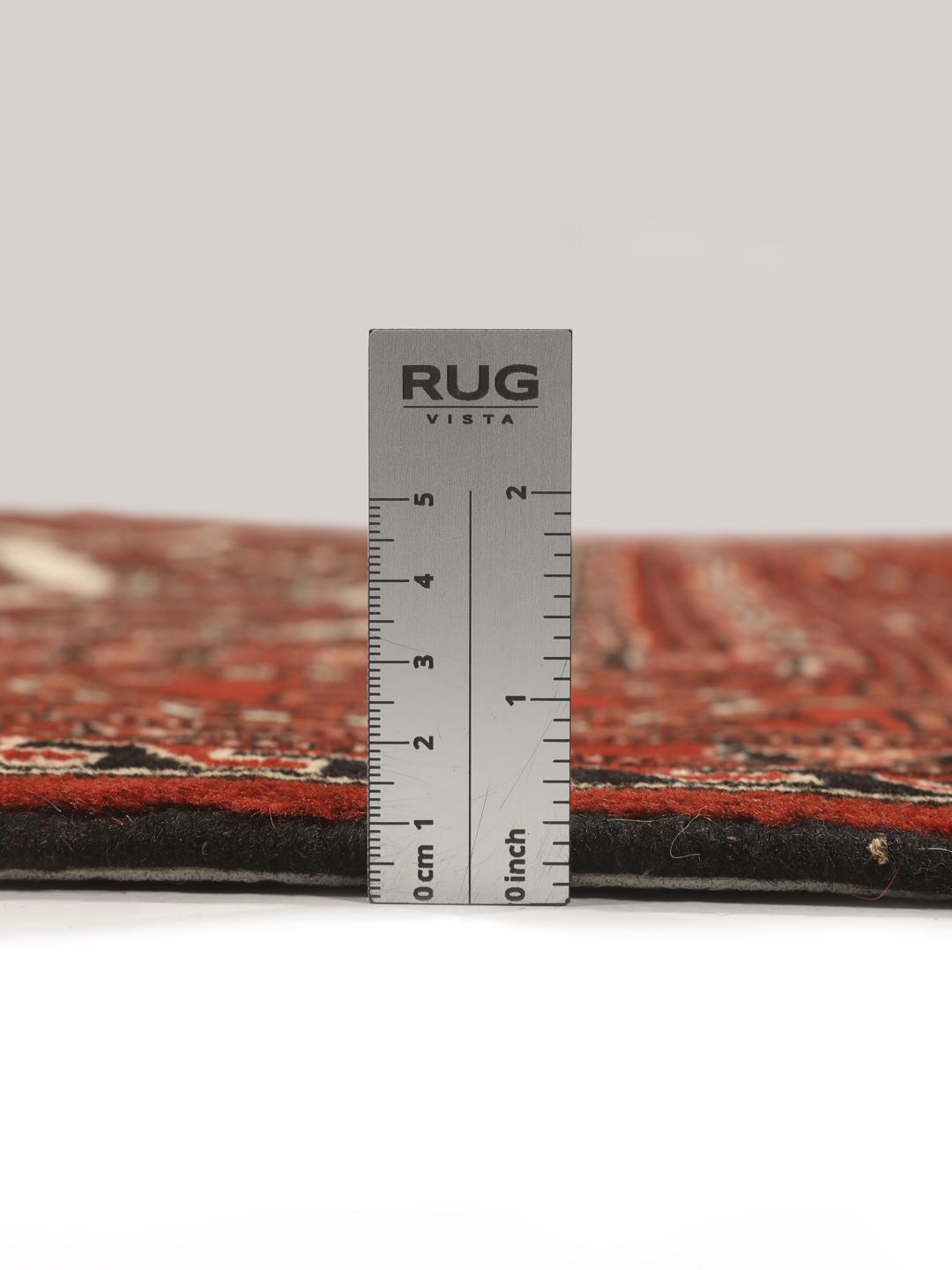
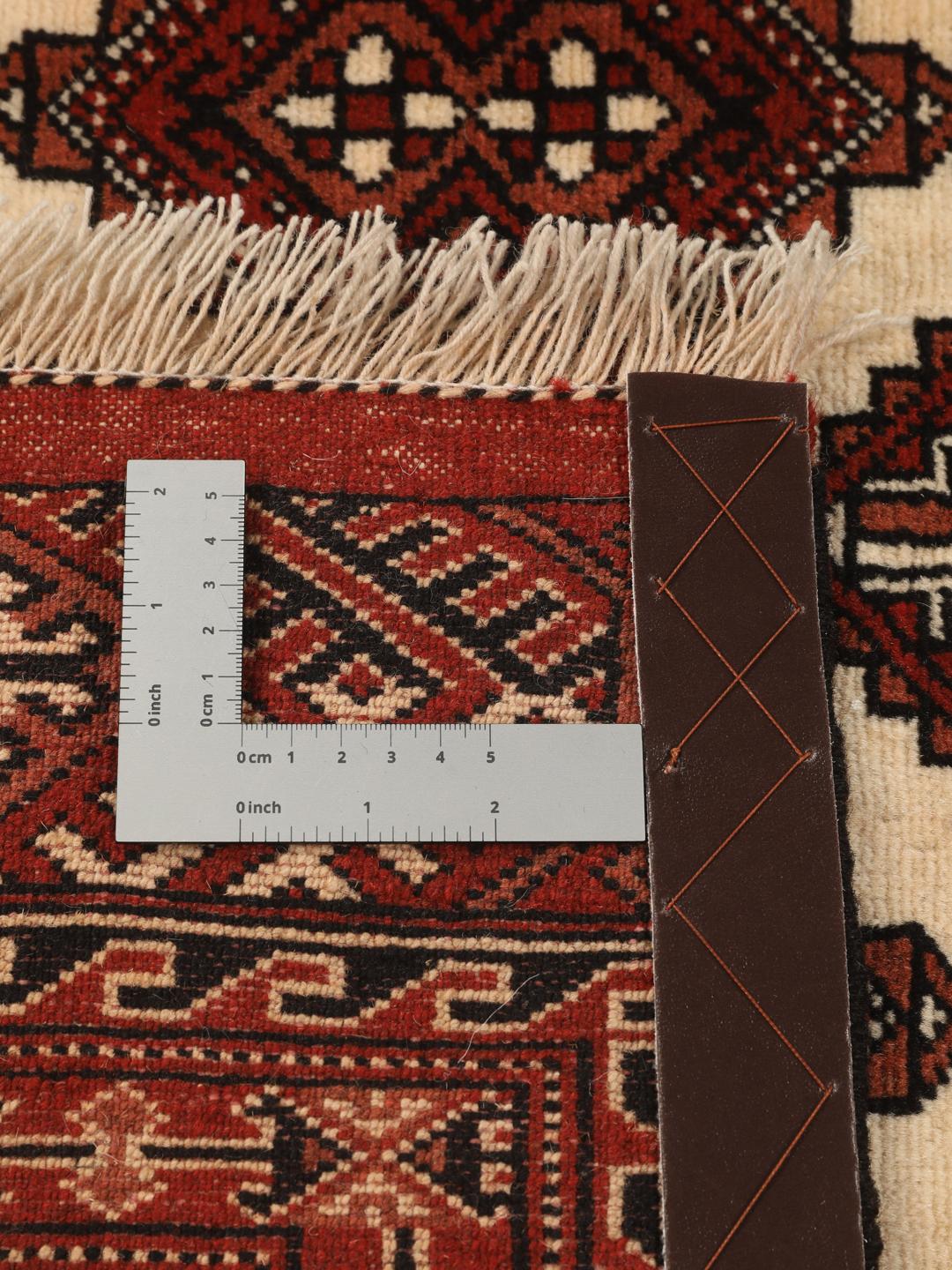
The terminology surrounding these rugs often reflects their construction, with many featuring a traditional, dense pile that is both soft and resilient. This density is achieved through careful attention to the tension of the yarns during the knotting process, ensuring a finish that is both lustrous and long-lasting. This focus on quality construction is a hallmark of the Turkaman tradition, designed to serve the practical needs of nomadic life.
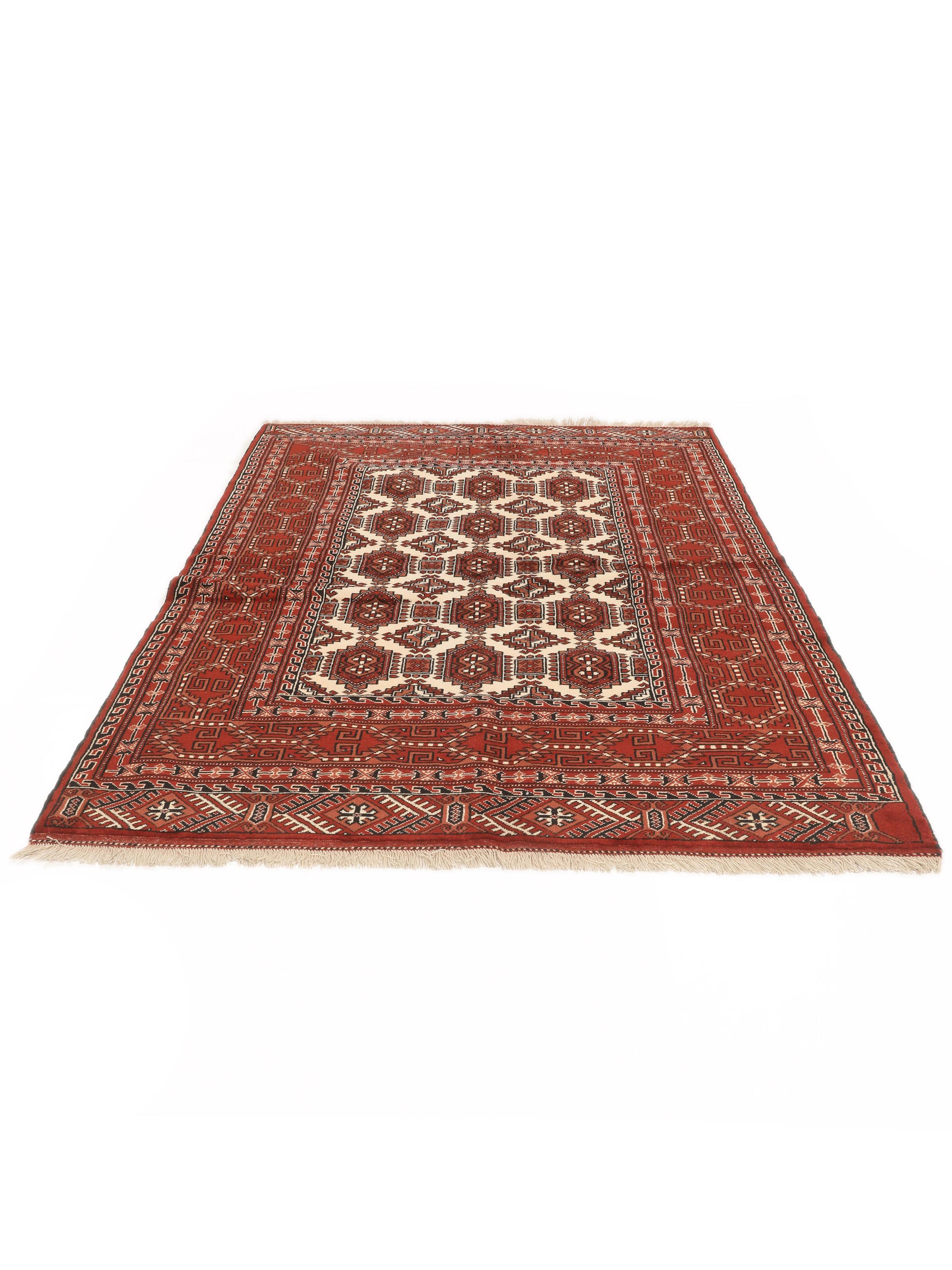
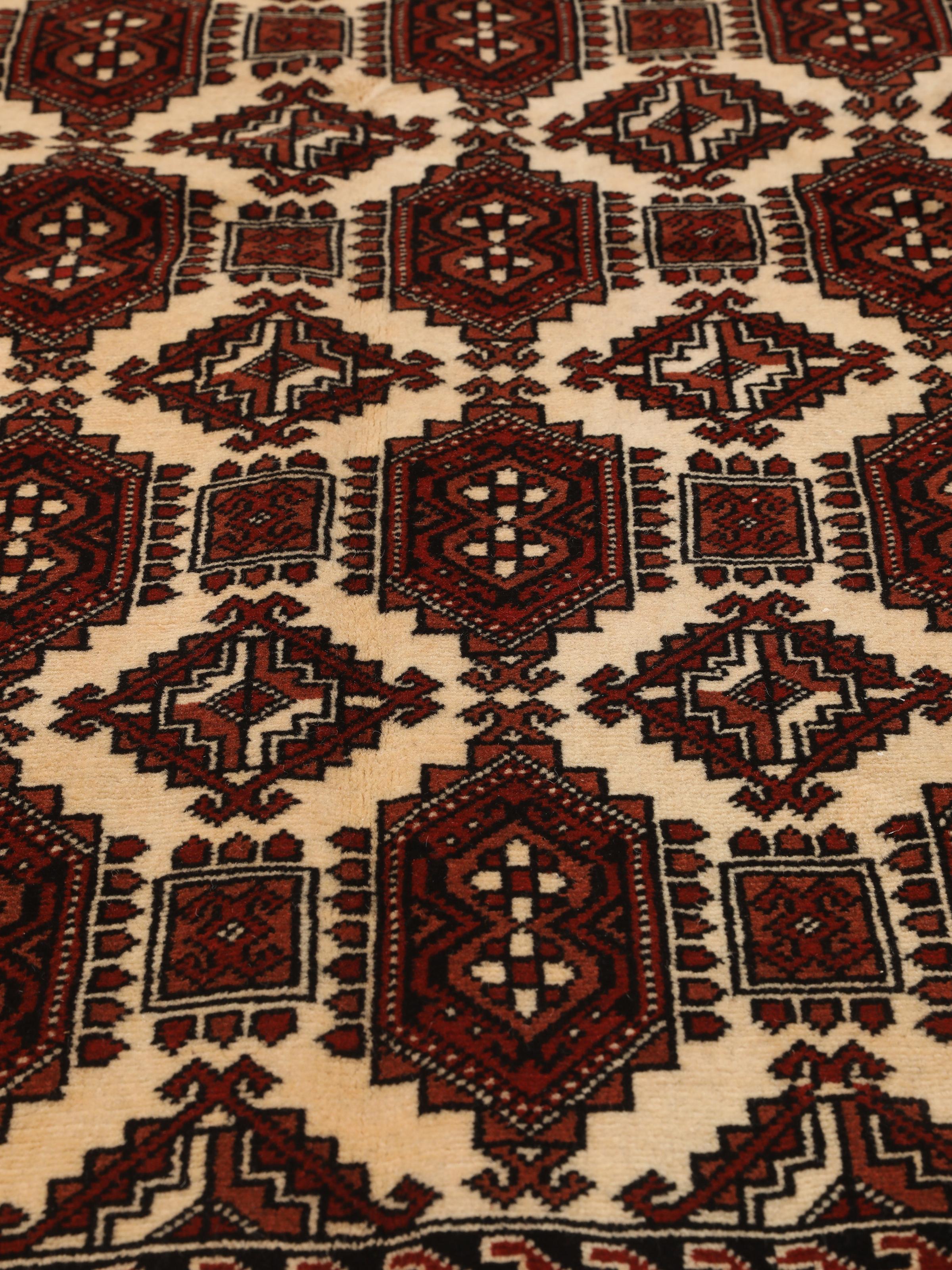
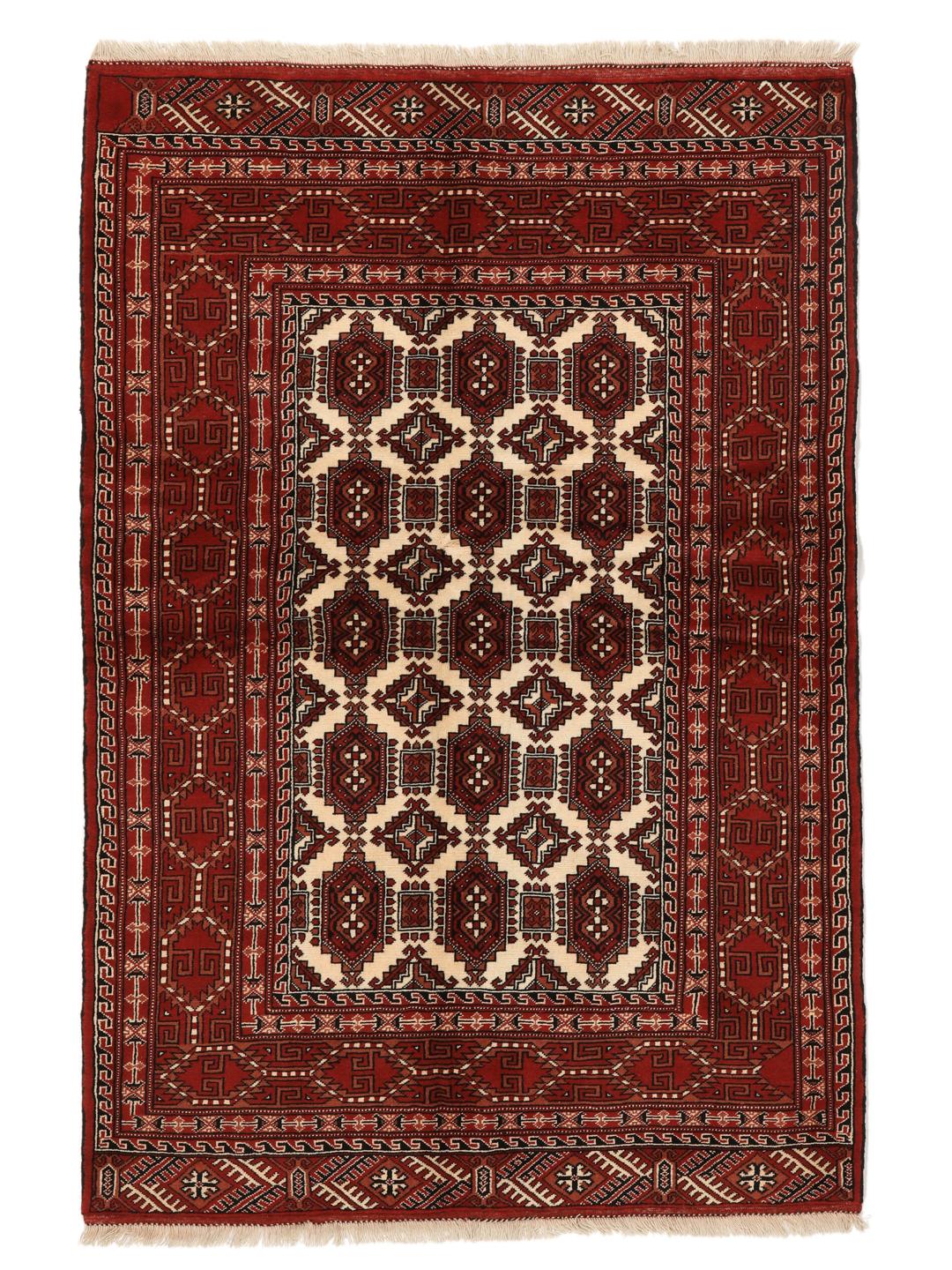
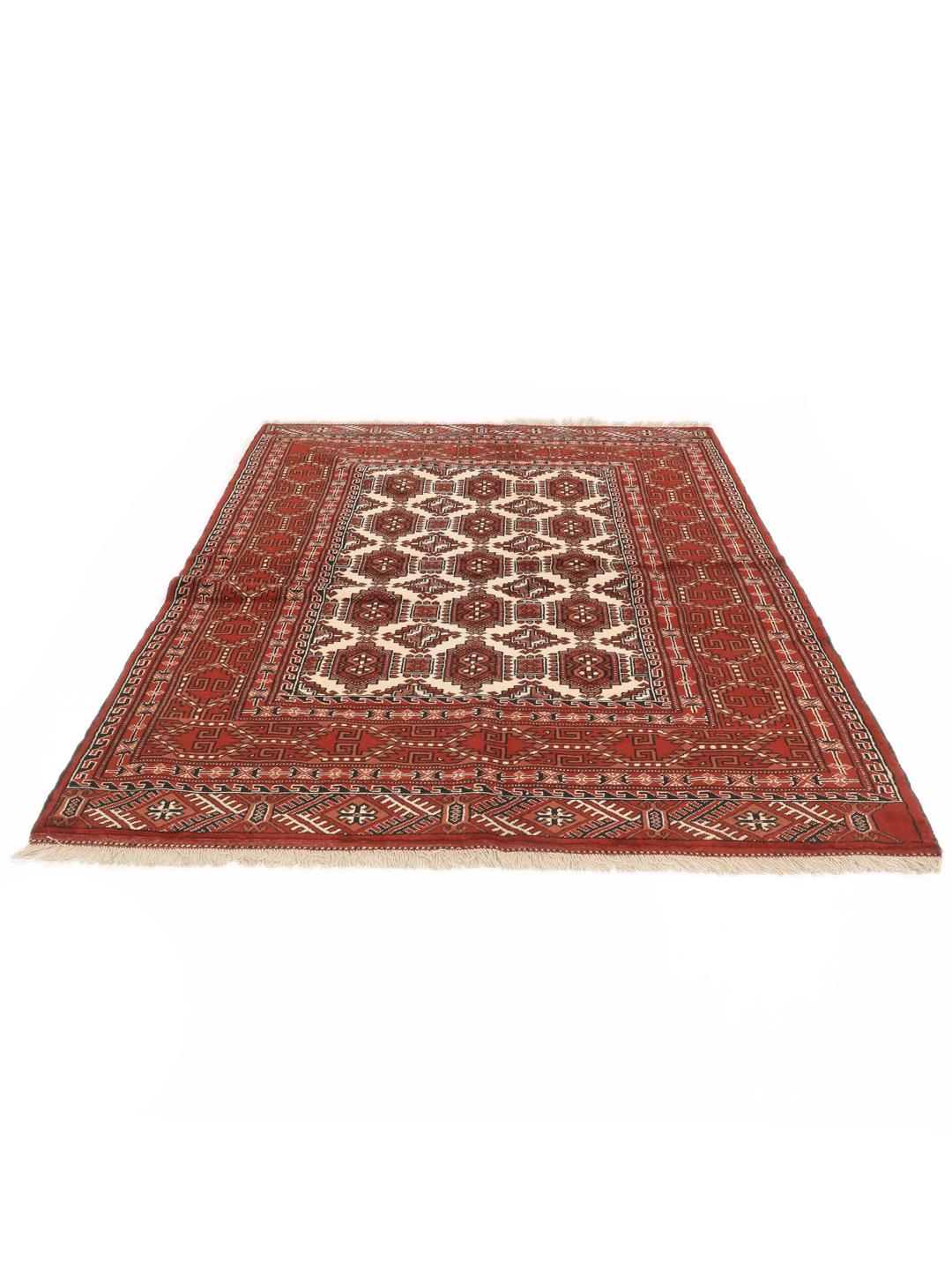
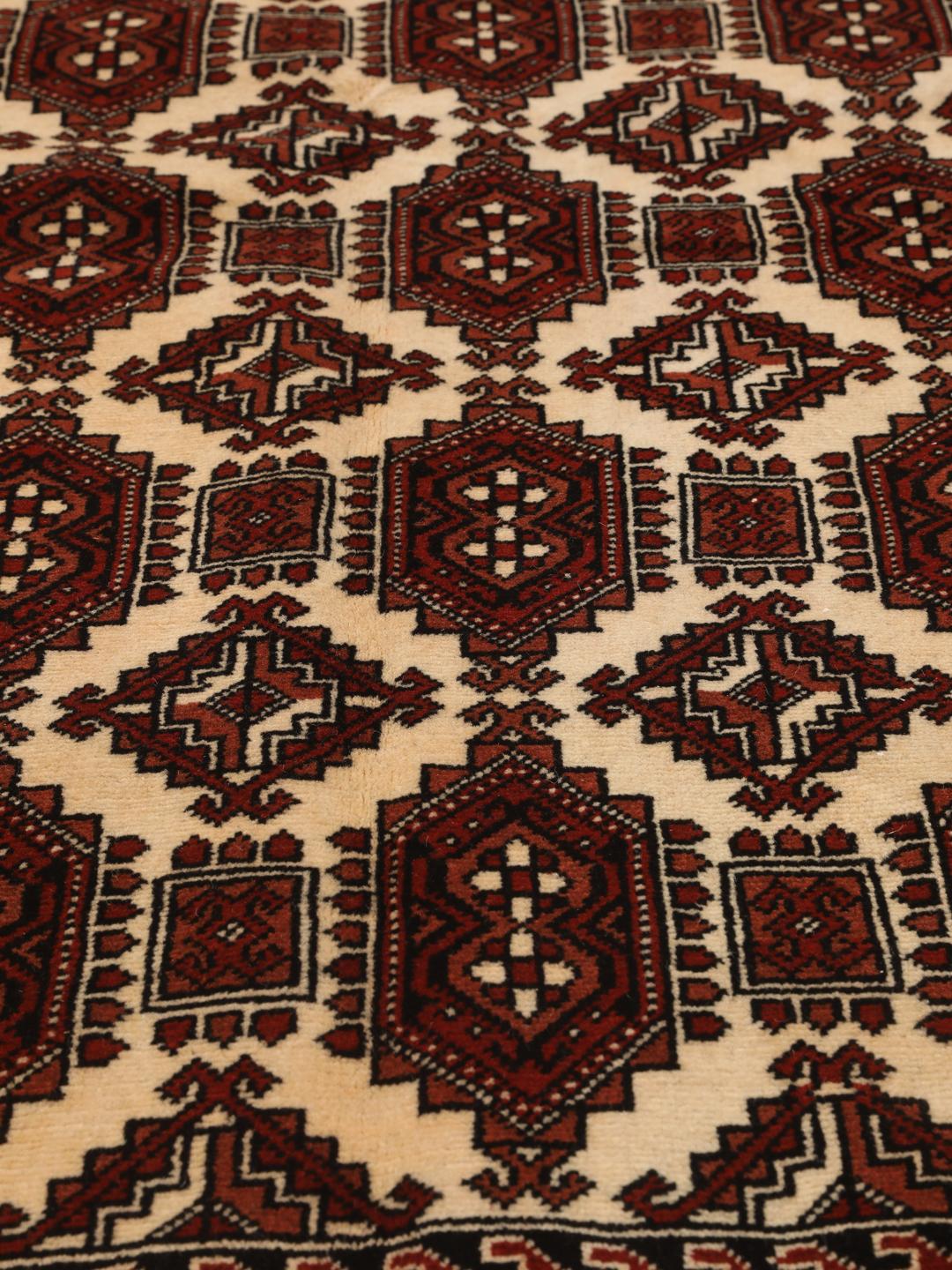
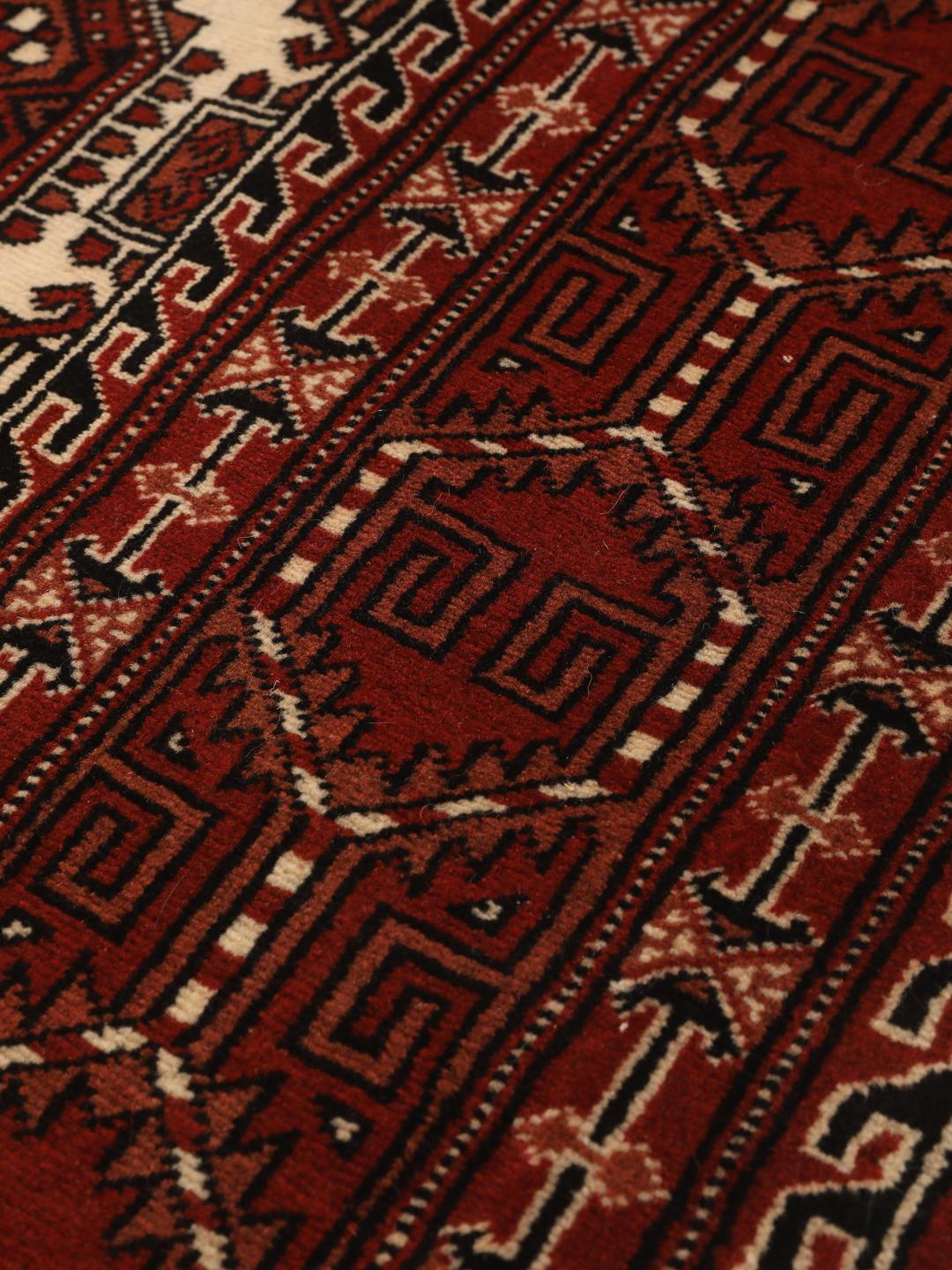
Signature design elements of this tradition include the iconic gul motif, a repeating, medallion-like shape that often represents tribal symbols. These medallions are typically arranged in rows across a field of deep, earthy tones, framed by complex, decorative borders that showcase geometric precision. While red is the most traditional hue, the depth and variation of these colours are what give each rug its unique character and visual depth.
Owning a Turkaman rug is about more than just floor covering; it is about connecting with a rich heritage of craft and skill. These pieces are highly valued by collectors for their cultural significance and their ability to bring a sense of history into a contemporary home. By choosing such a rug, you are preserving a tradition that has been passed down through generations, ensuring that this artistry continues to be appreciated.