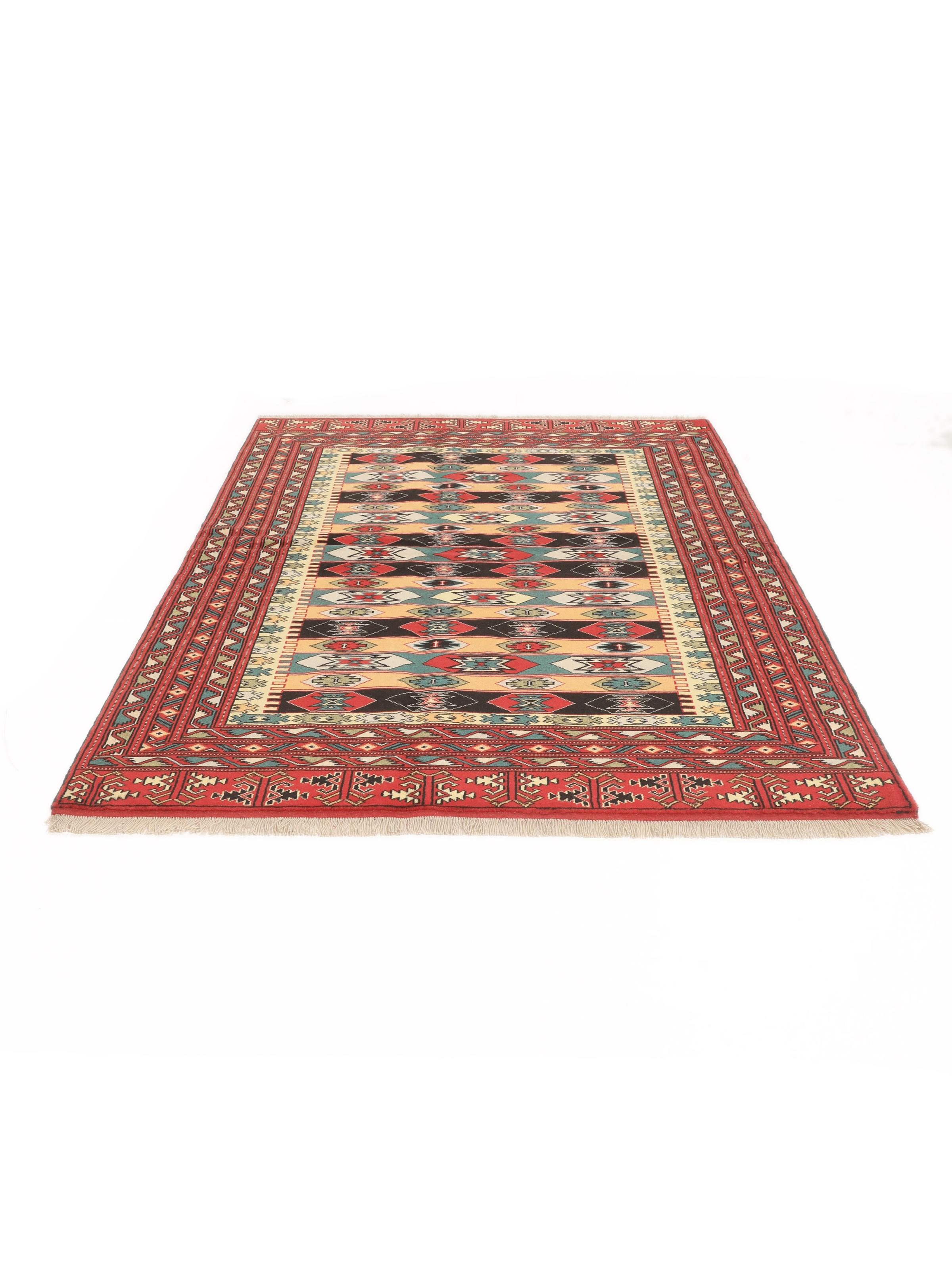
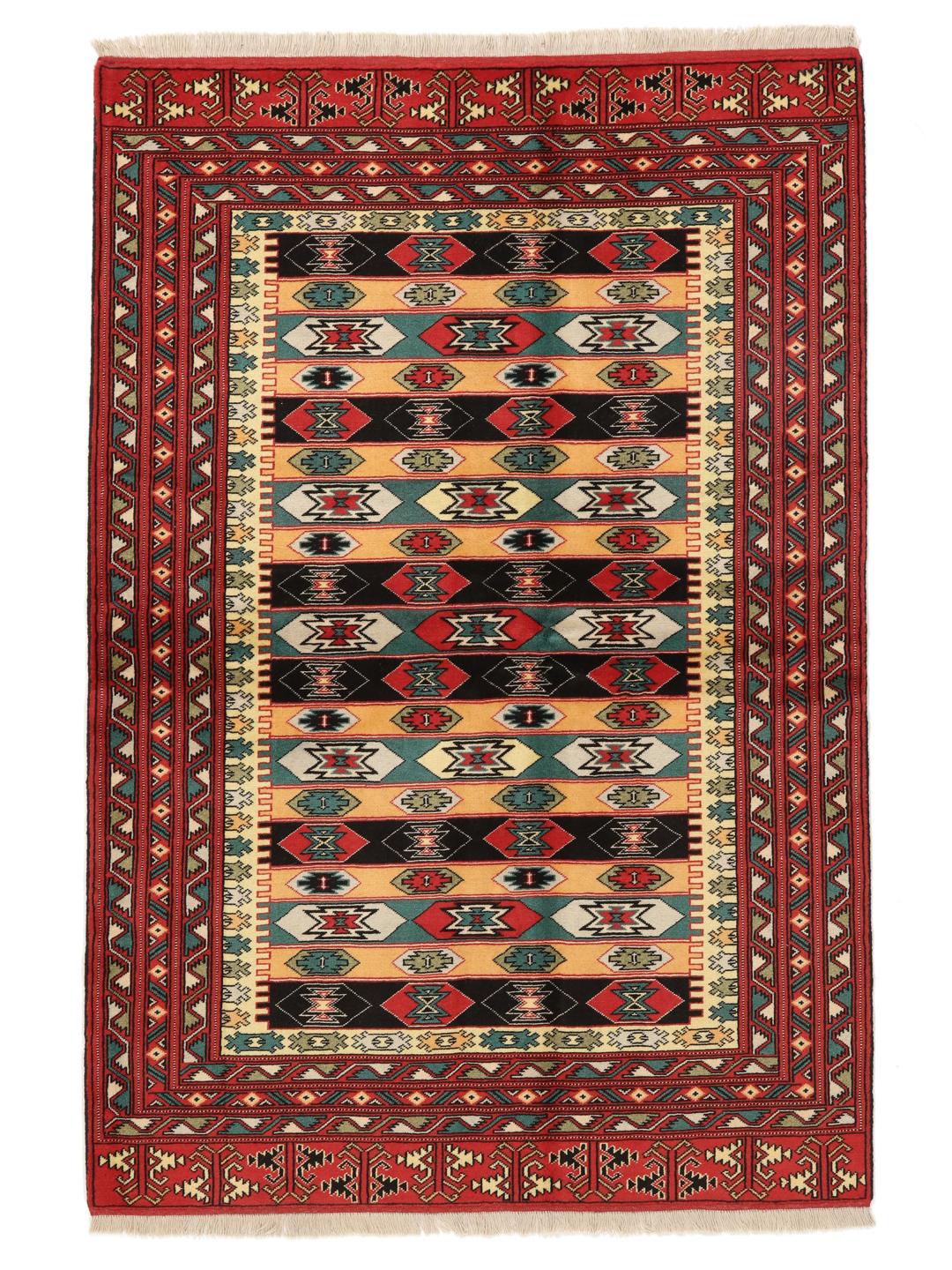
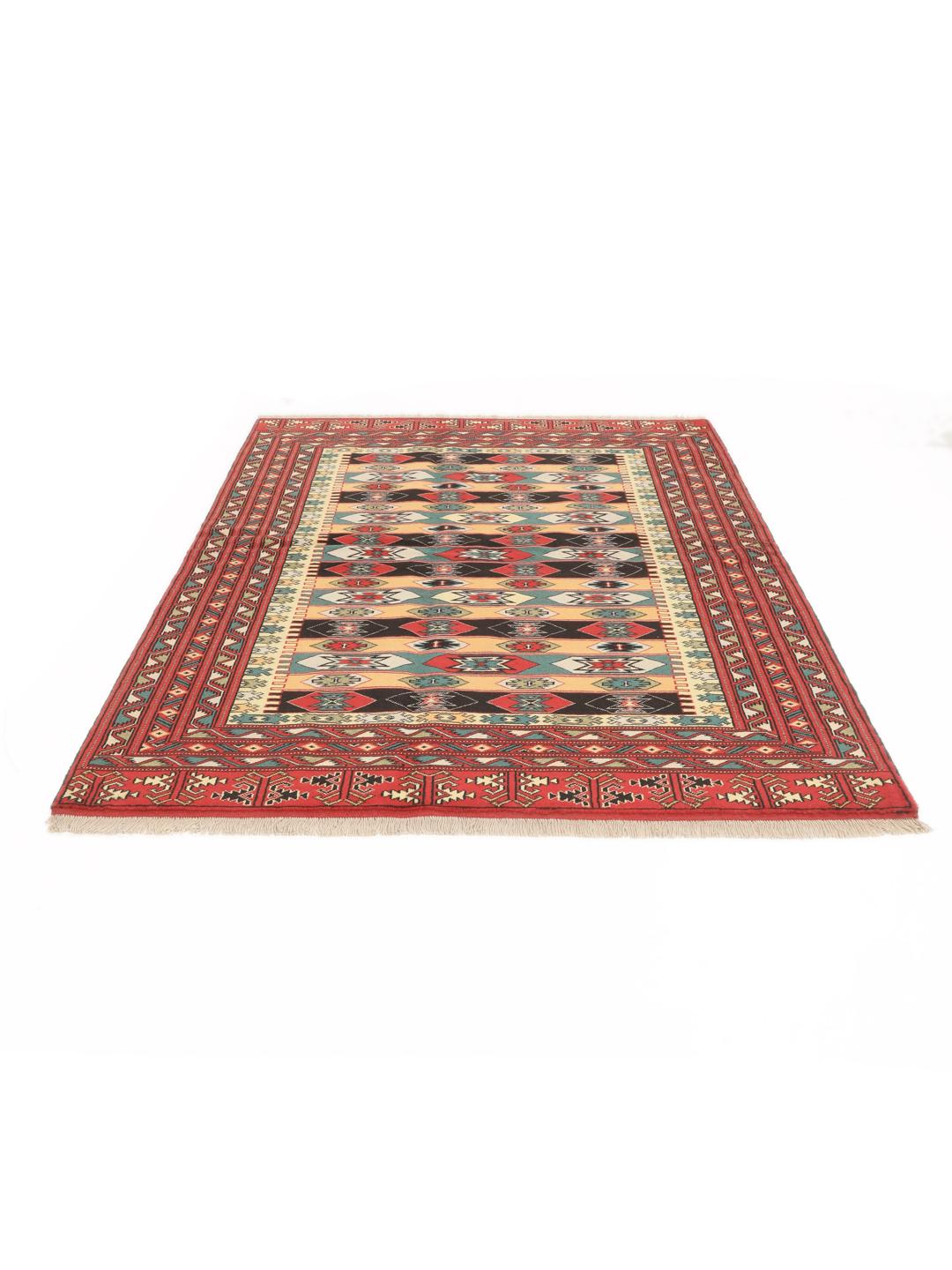
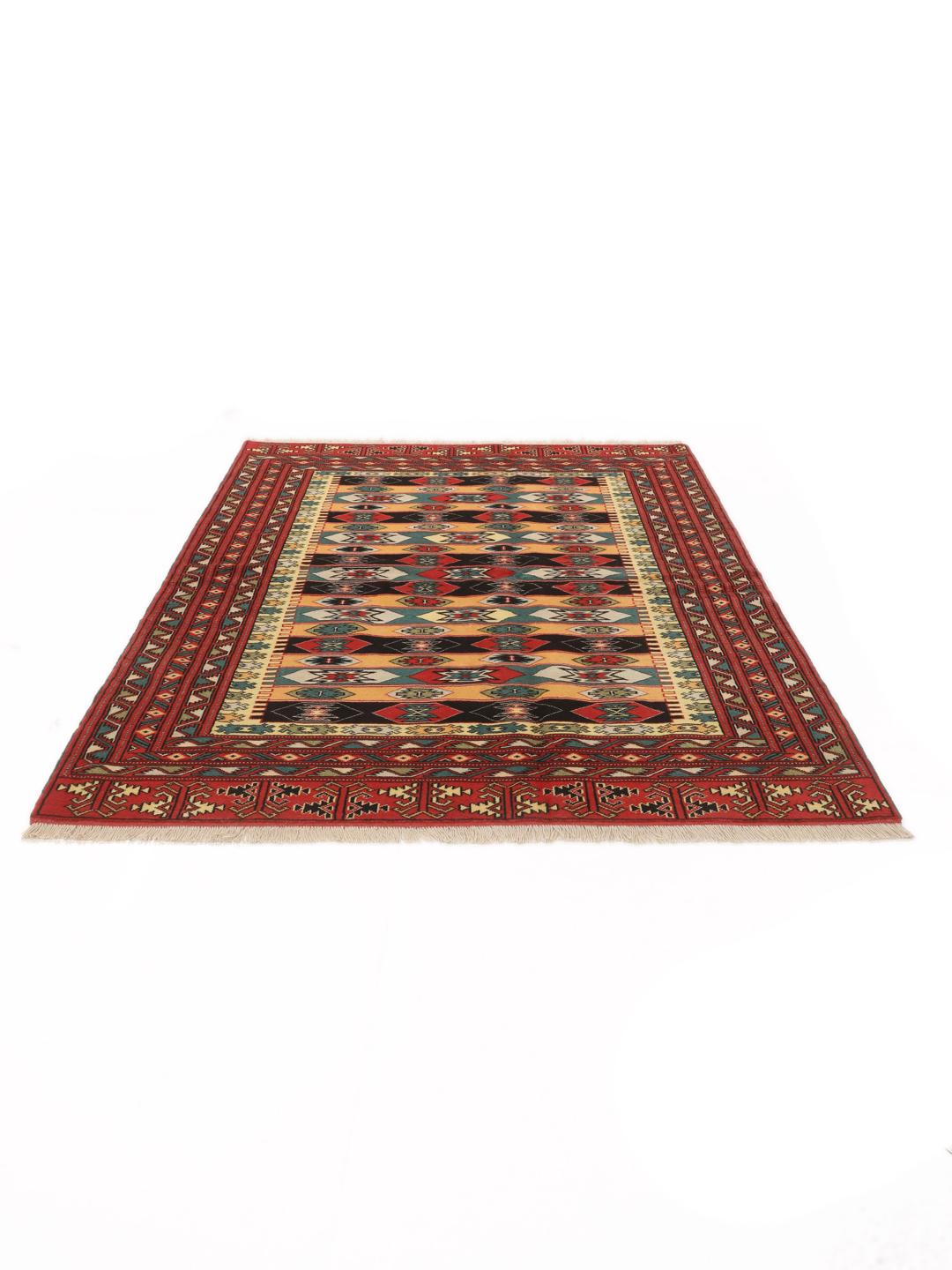
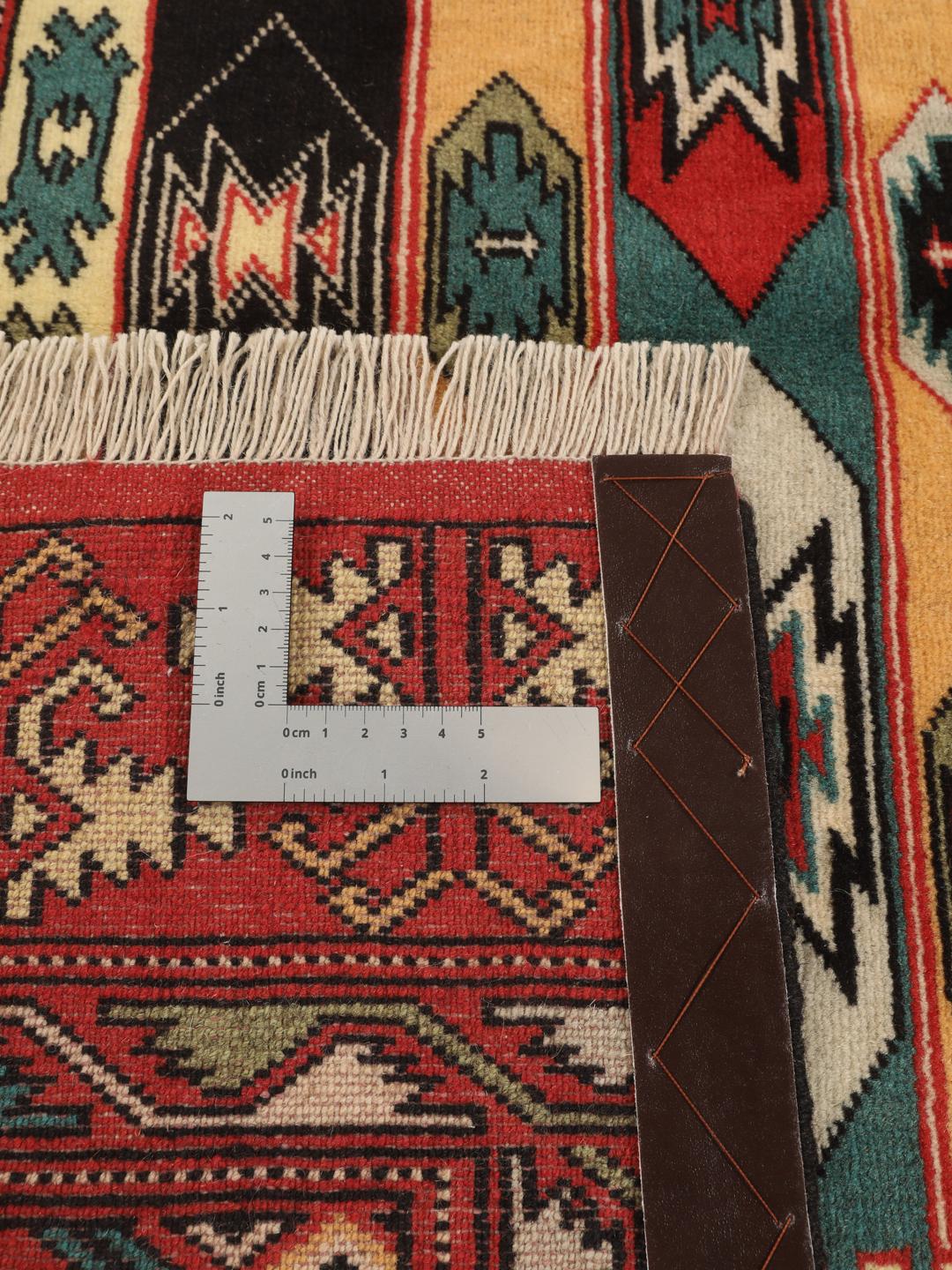
Turkaman rugs originate from the nomadic tribes of Central Asia, specifically the Turkmen people, whose migration patterns across the Silk Road have deeply influenced their textile designs. Over centuries, these traditions evolved as tribes settled in different regions, eventually establishing a strong presence in the Middle East where the craft reached new heights of technical refinement.
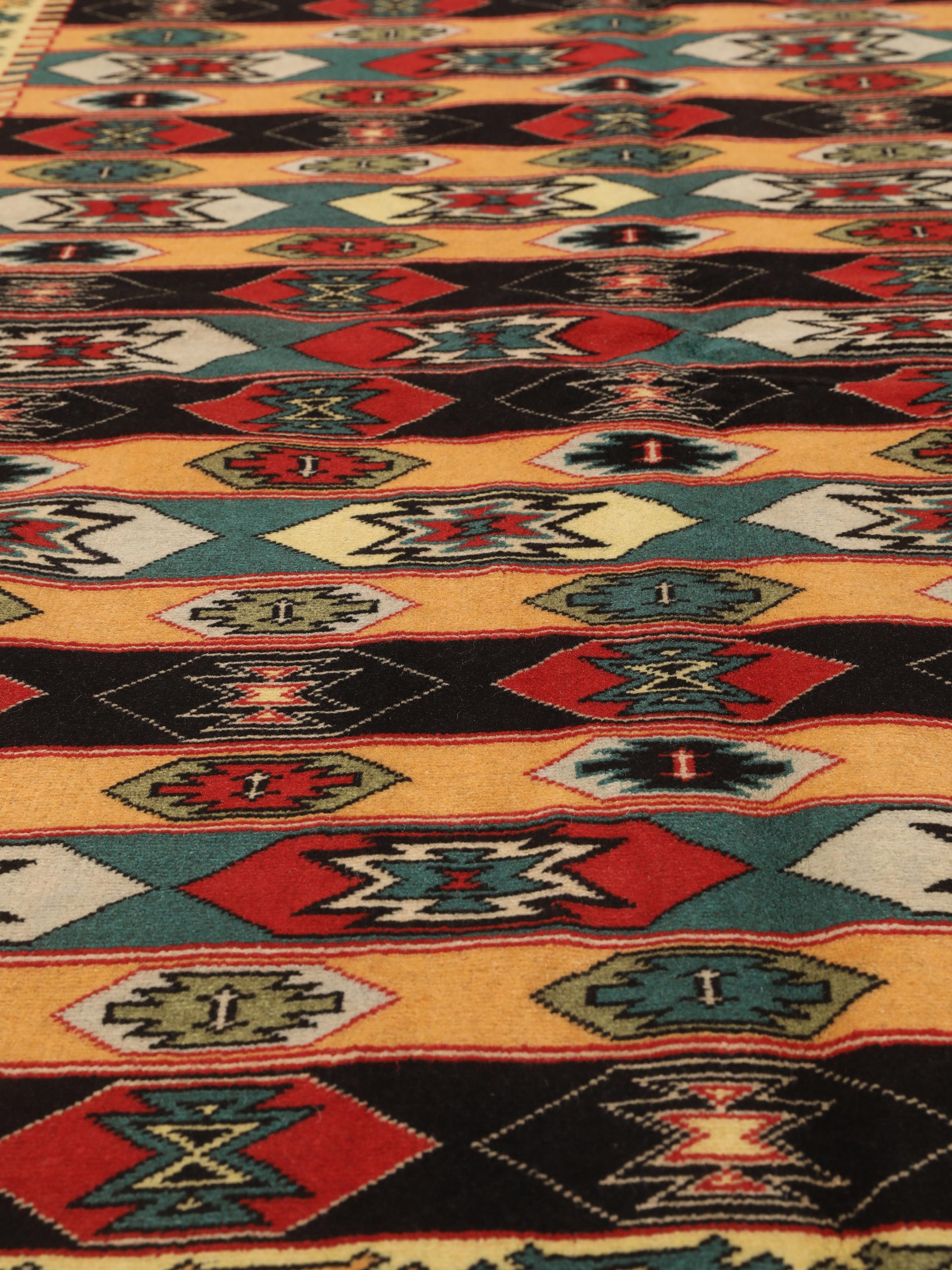
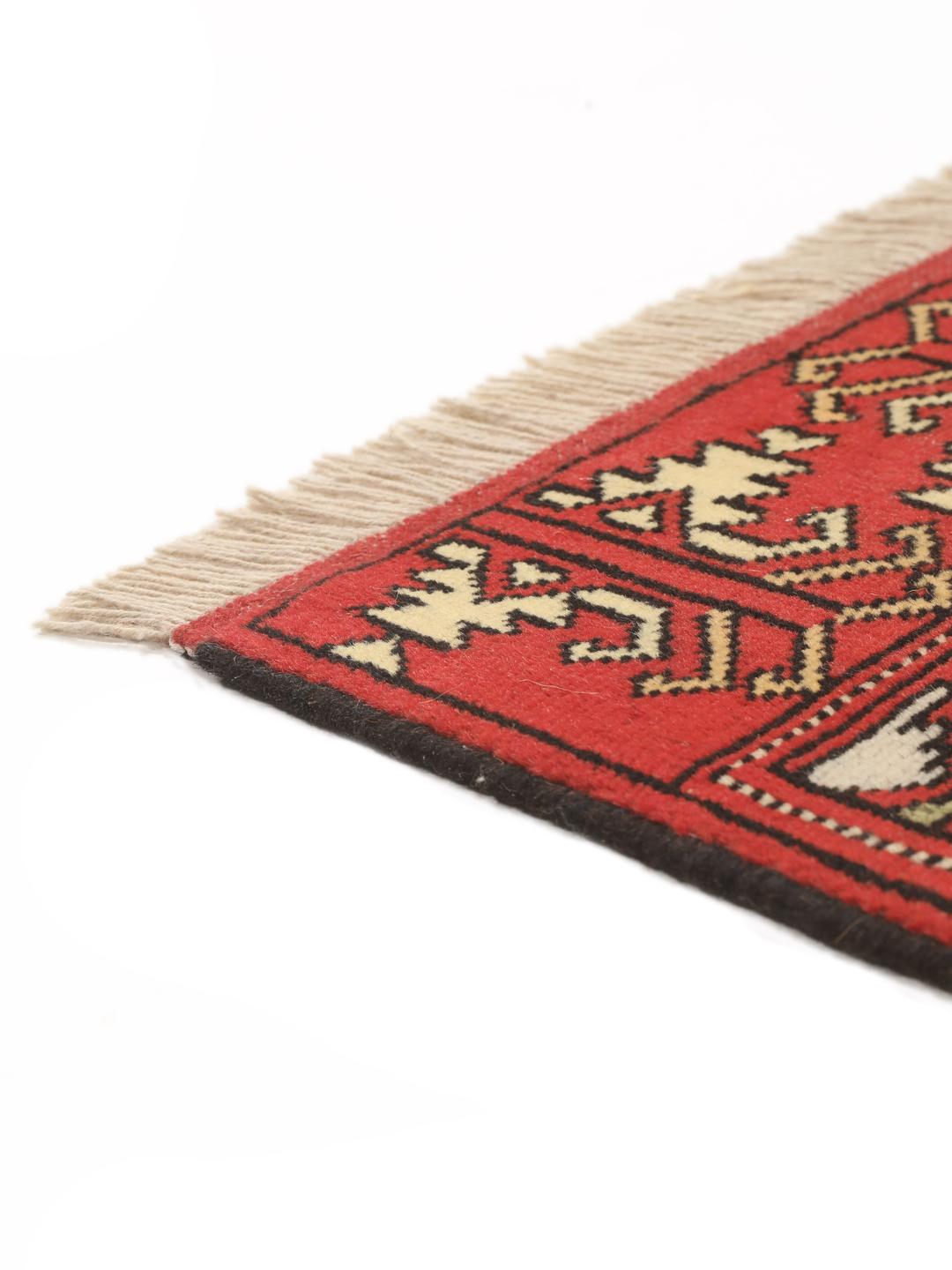
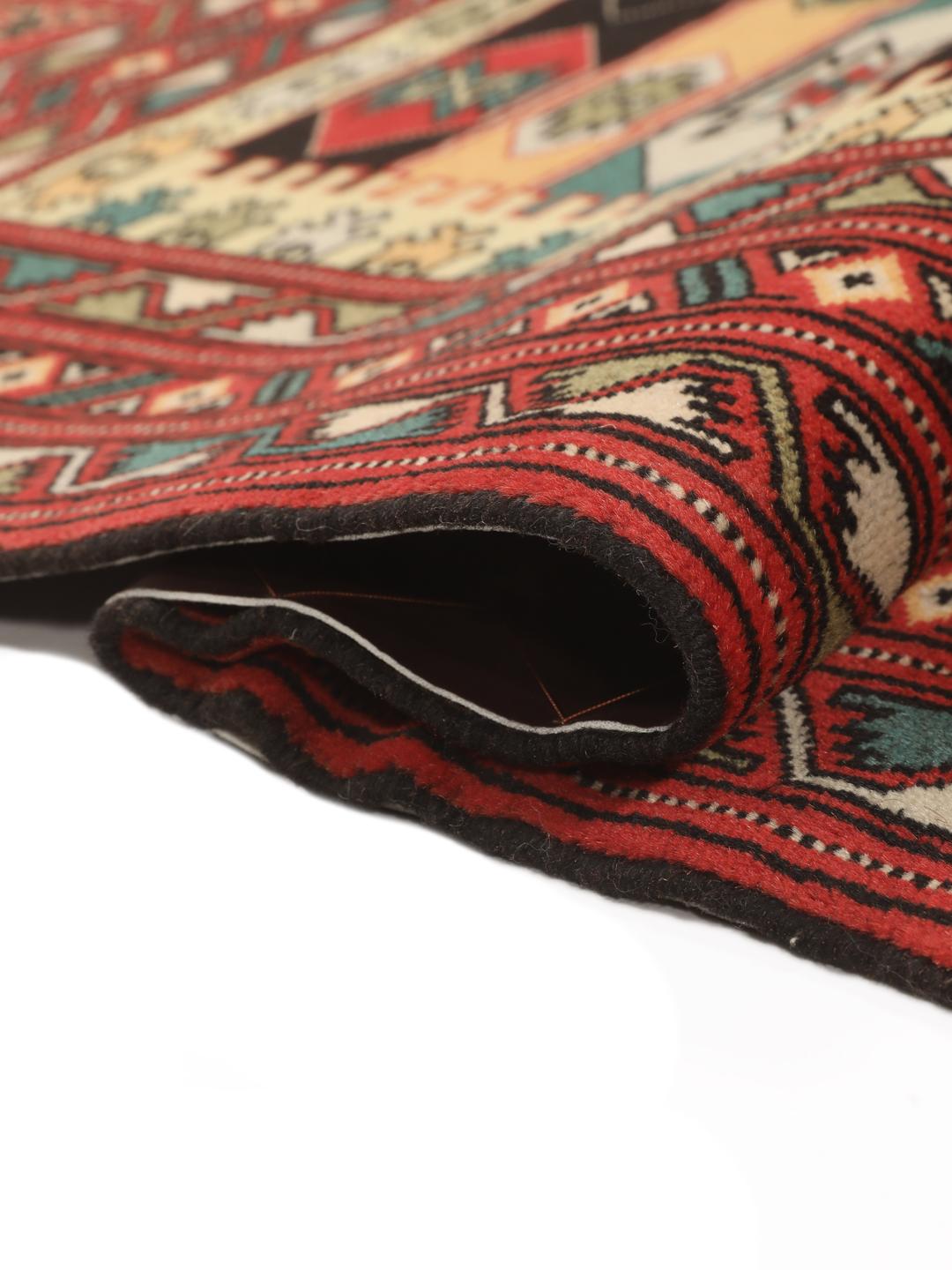
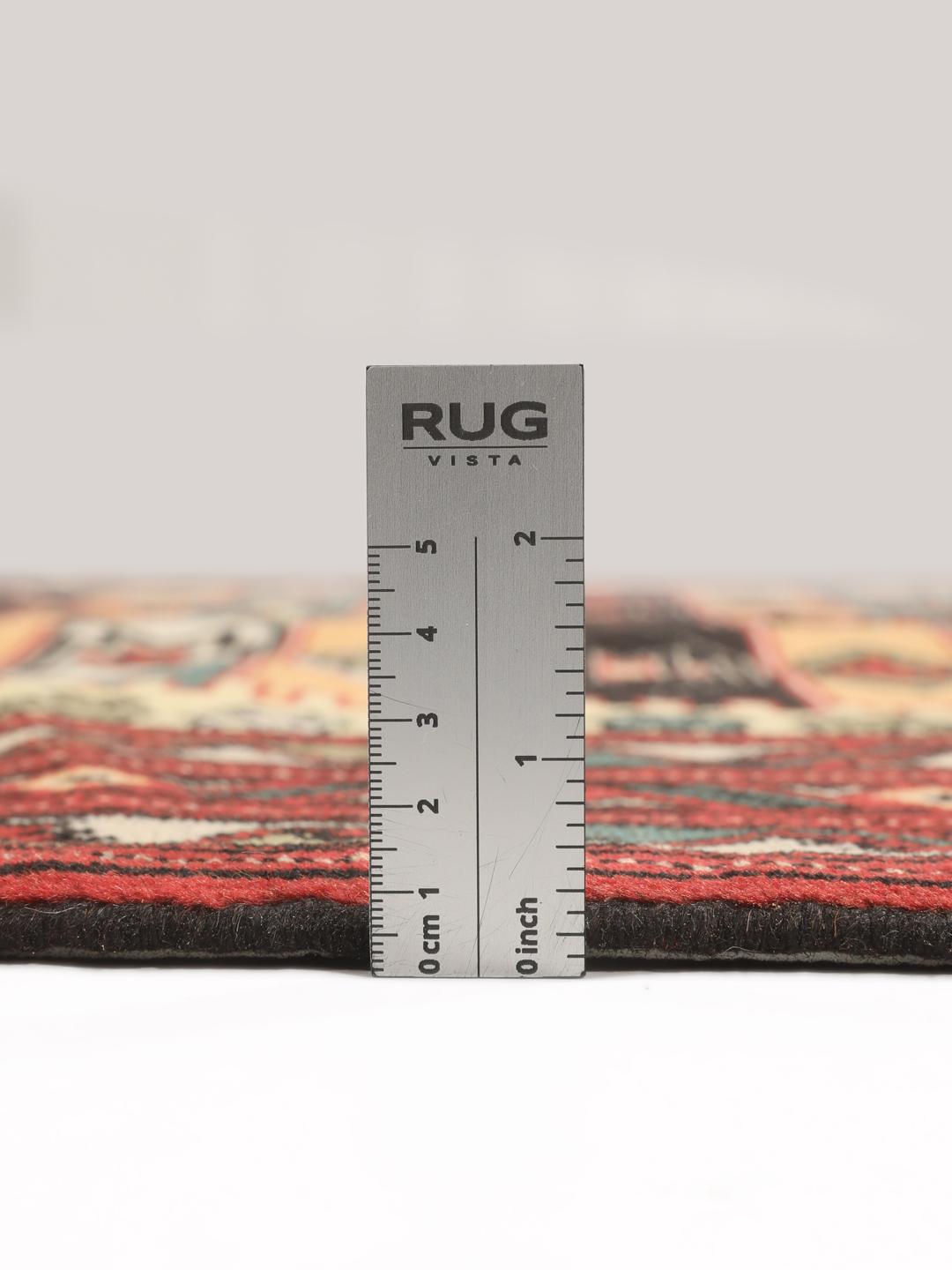
The term Turkaman refers to both the tribal origin and the specific construction techniques employed, such as the use of a dense, multi-strand Wool pile. This construction method is critical for quality, as it creates a thick, lustrous surface that is highly resistant to wear. The result is a rug that feels substantial and luxurious, designed to endure the rigours of nomadic life and now, the demands of a modern home.
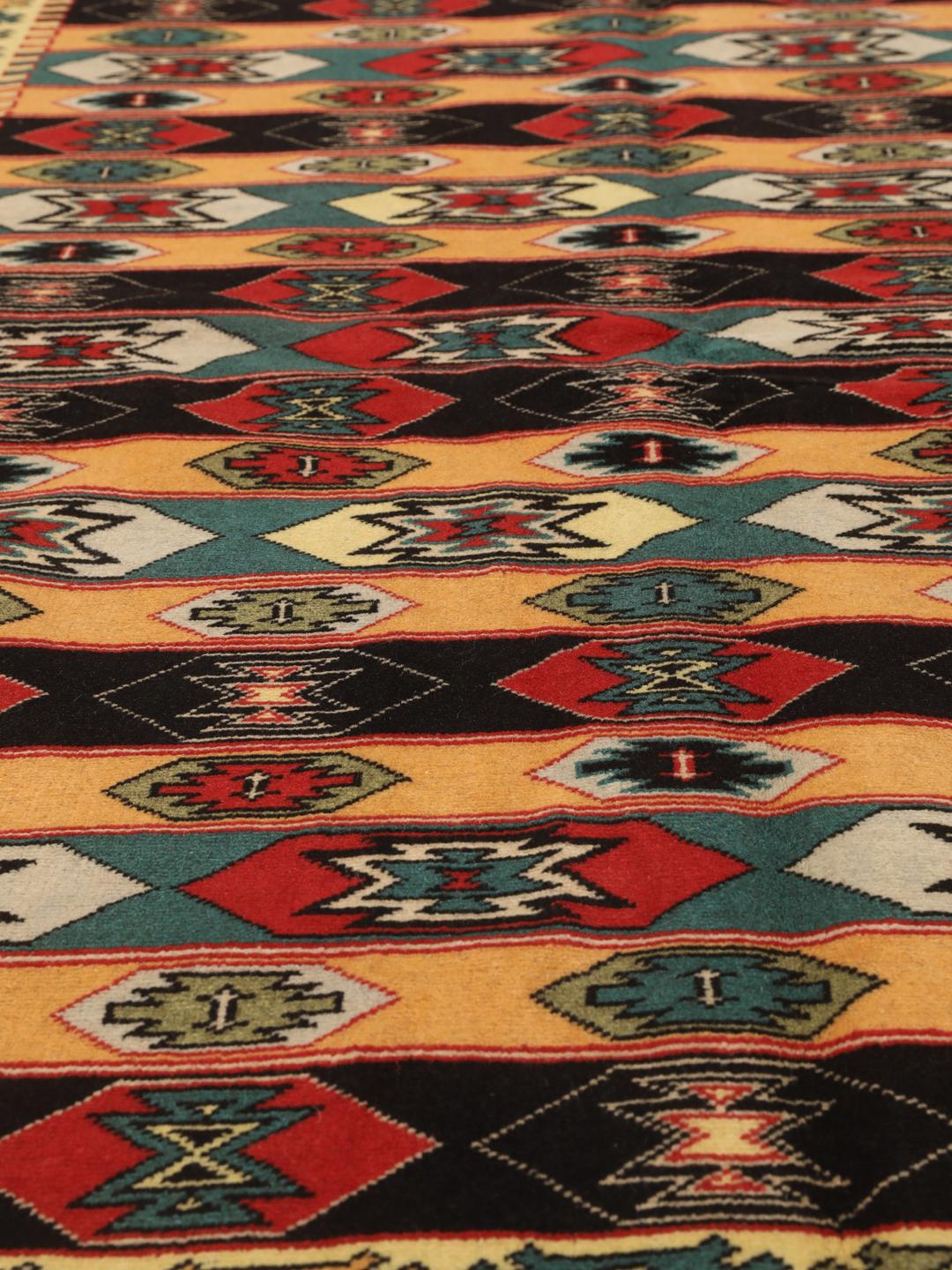
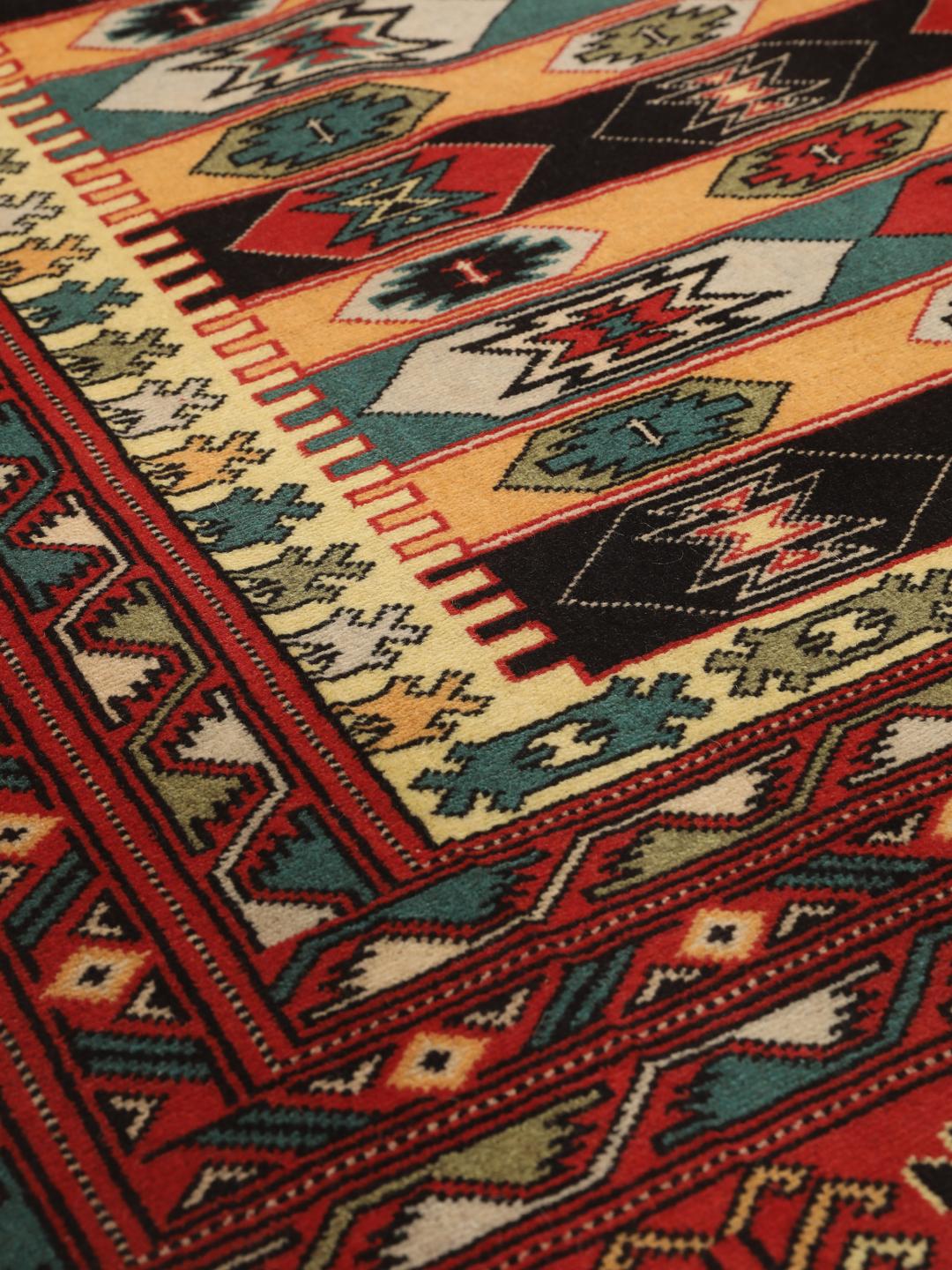
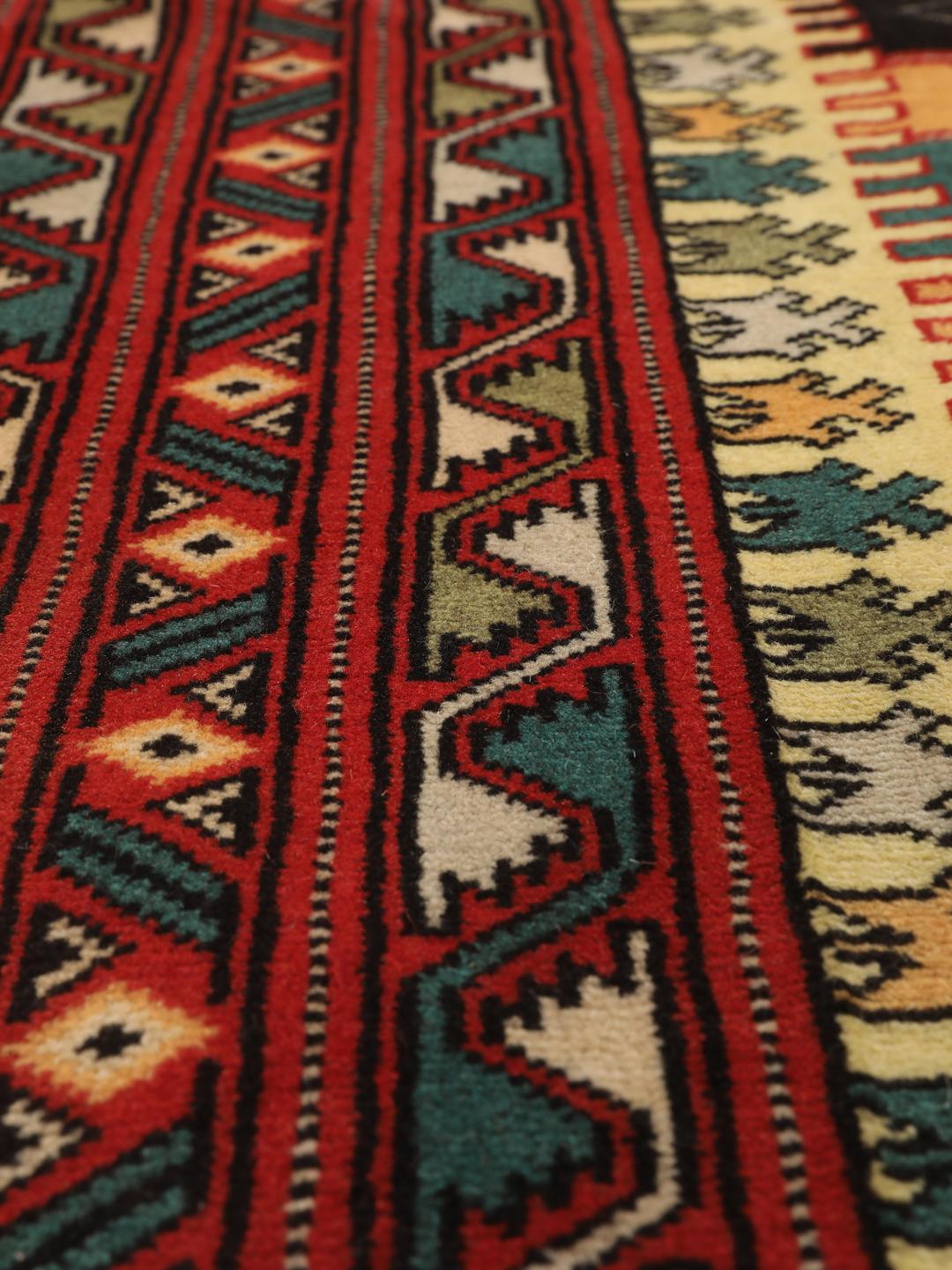
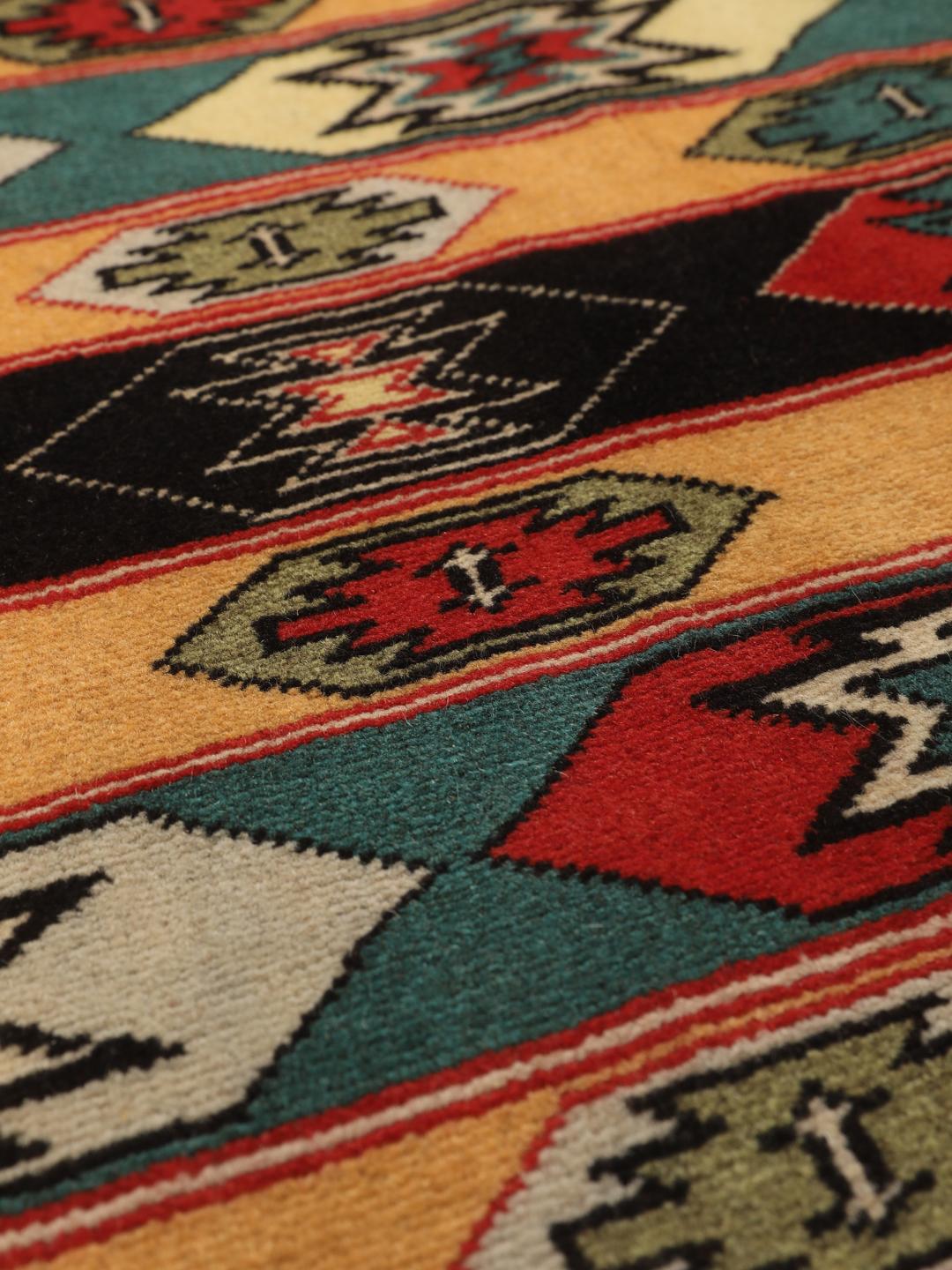
Visually, these rugs are defined by their repetitive geometric motifs, most famously the gul. These medallions, often octagonal or diamond-shaped, represent tribal identity and are arranged in formal, orderly rows across the field. The borders are typically filled with intricate latch-hook or serrated leaf designs, creating a cohesive visual language that feels balanced and structured.
Owning a Turkaman rug is an investment in cultural heritage and long-standing artistry. These pieces are valued by collectors not just for their aesthetic appeal, but for the skill required to execute such complex, symbolic patterns by hand. Each rug tells a story of a specific tribe and era, offering a sense of connection to a time-honoured craft that continues to be celebrated today.