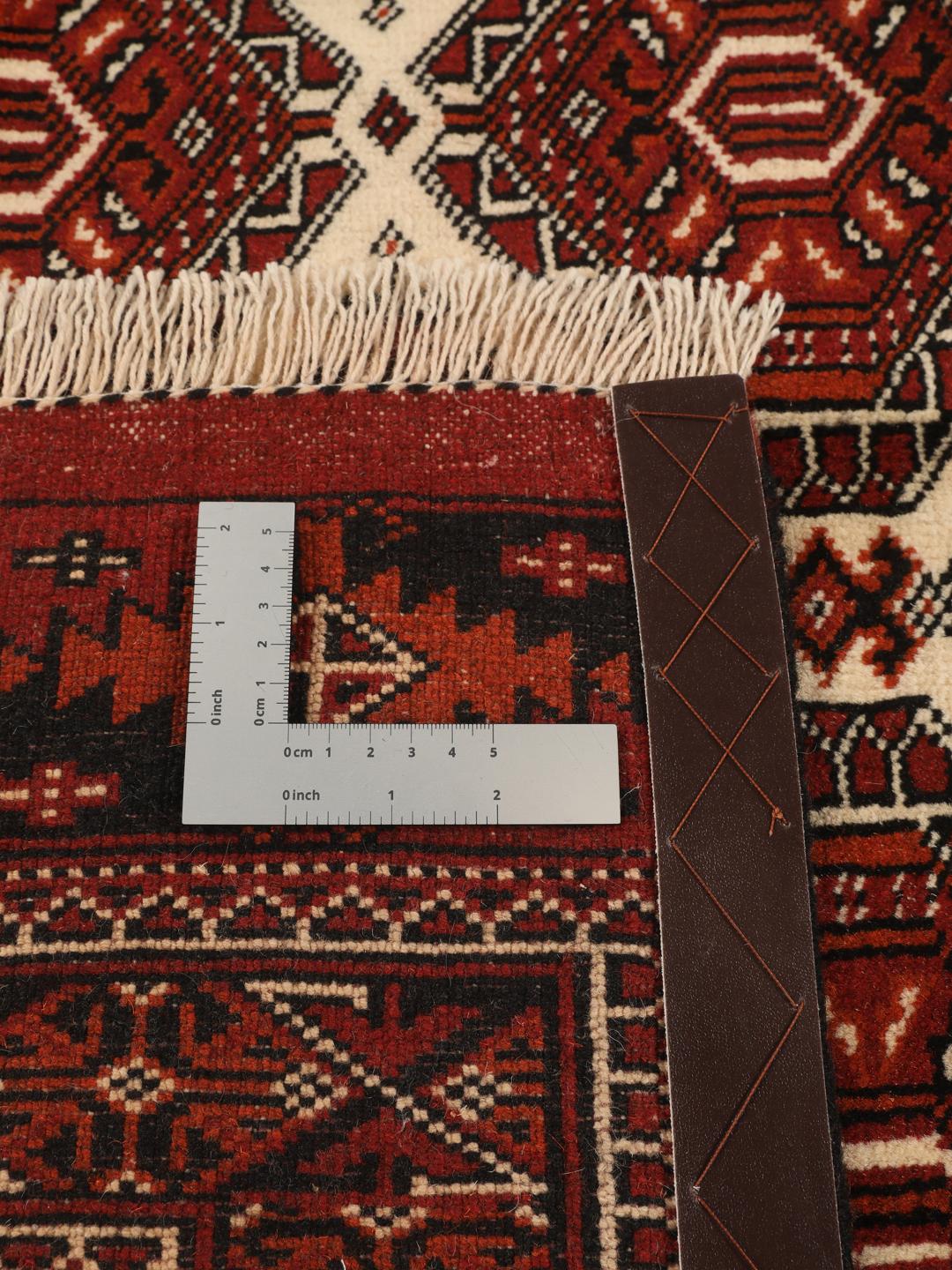
Turkaman rugs originate from the nomadic tribes of Central Asia and the Middle East, where weaving was not just a craft but a vital cultural expression. These tribes historically moved across vast landscapes, and their rugs were essential for insulation and decoration within their portable homes, leading to a tradition of highly durable and portable artistry.
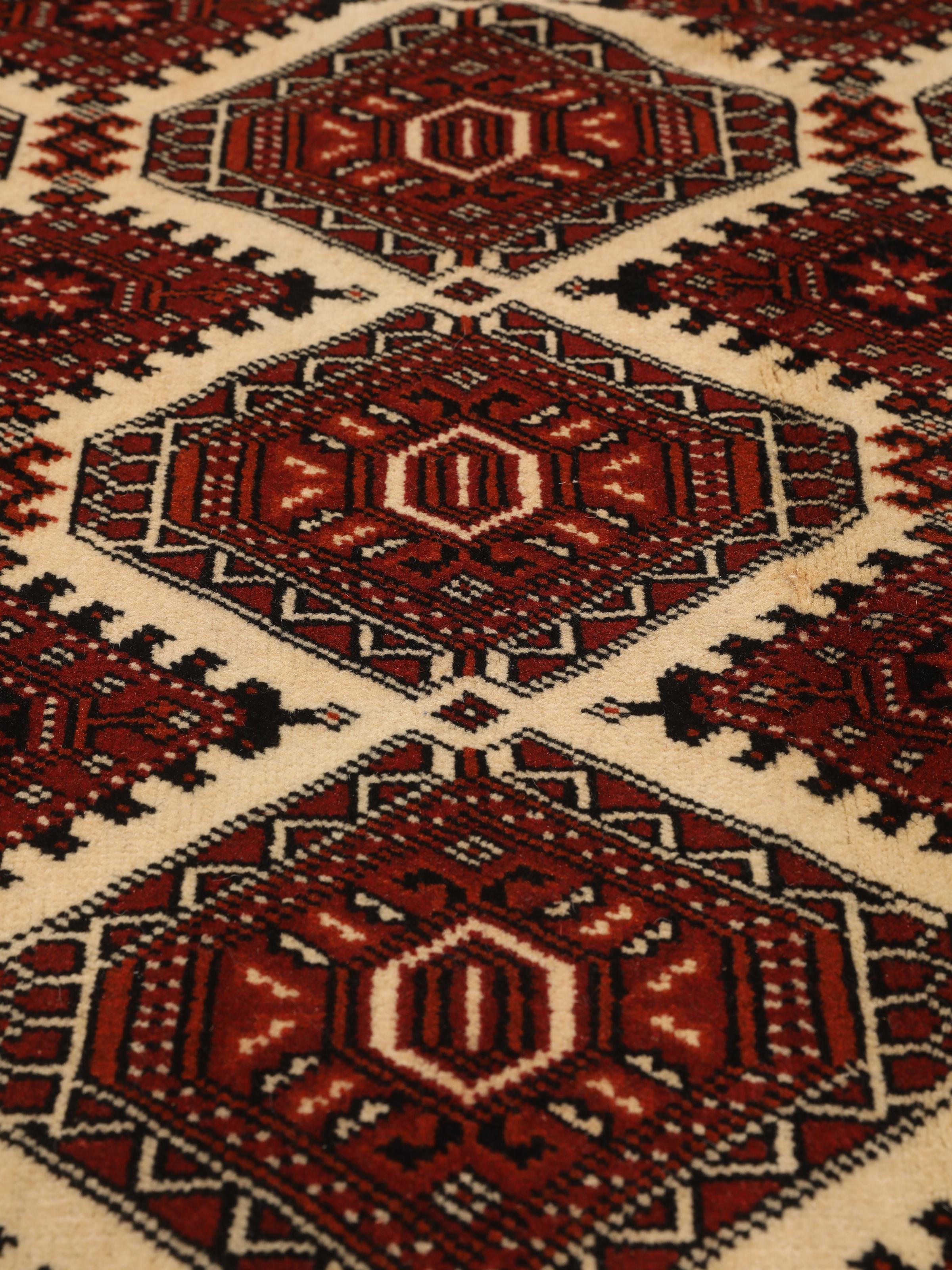
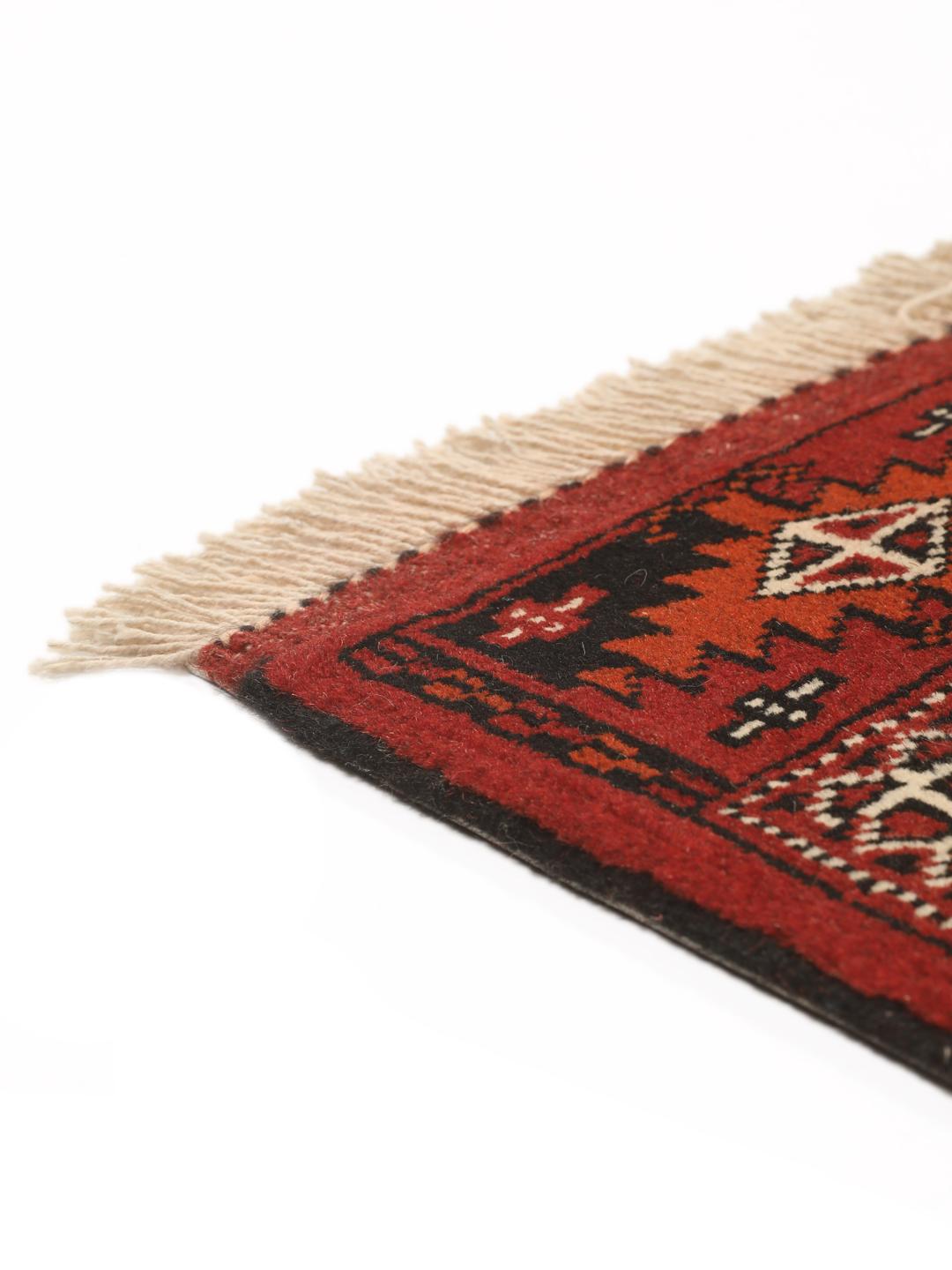
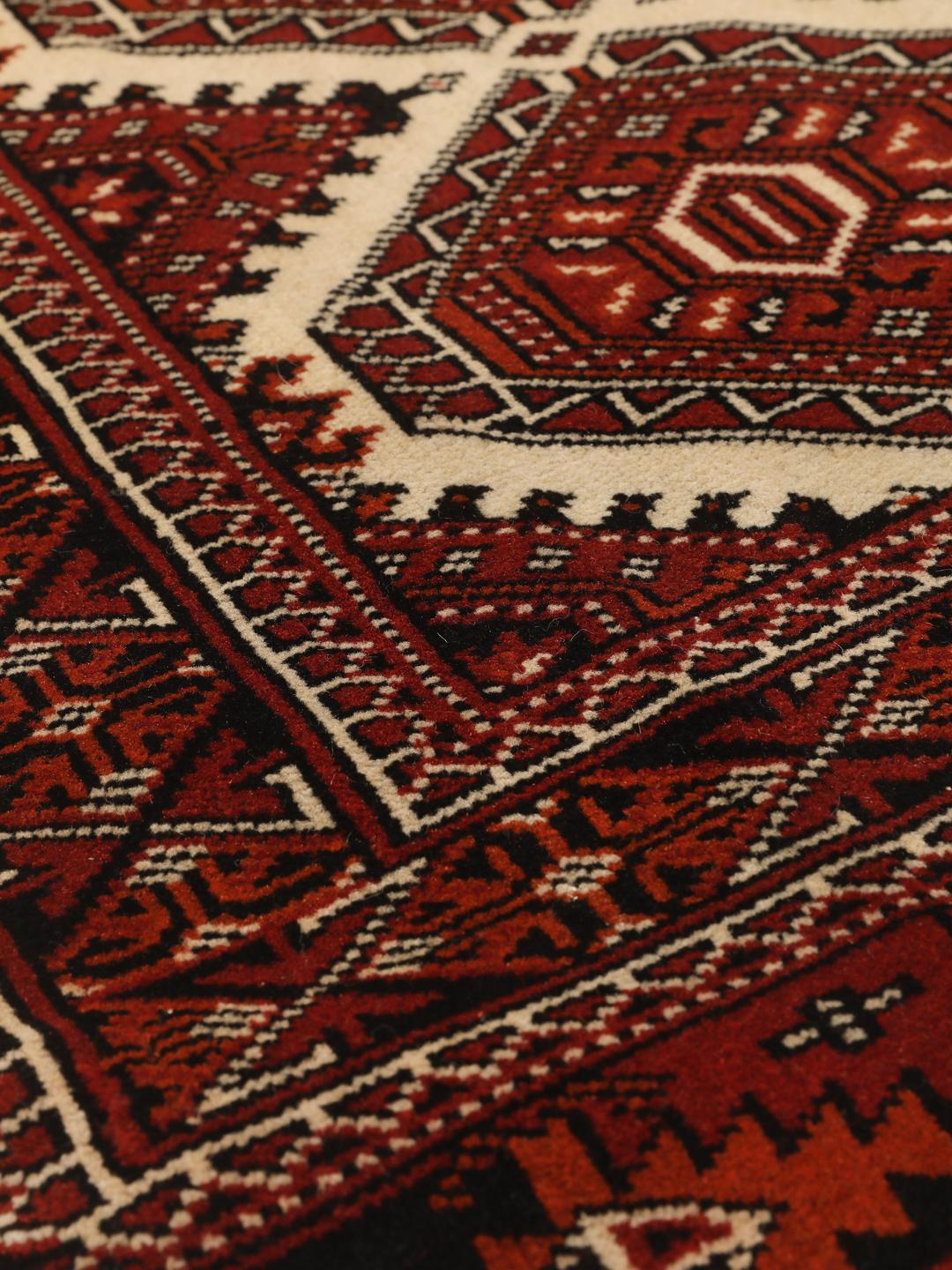
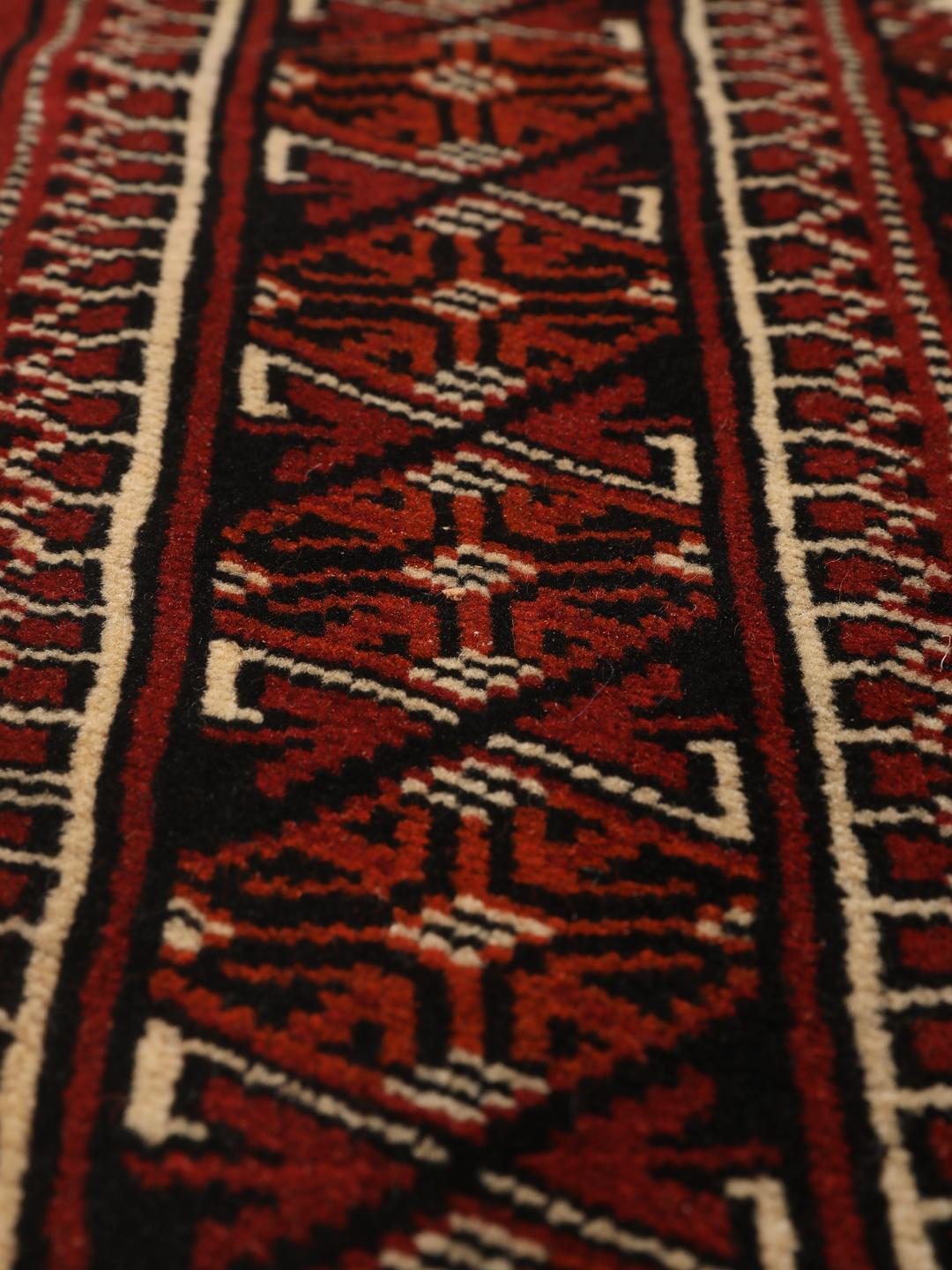
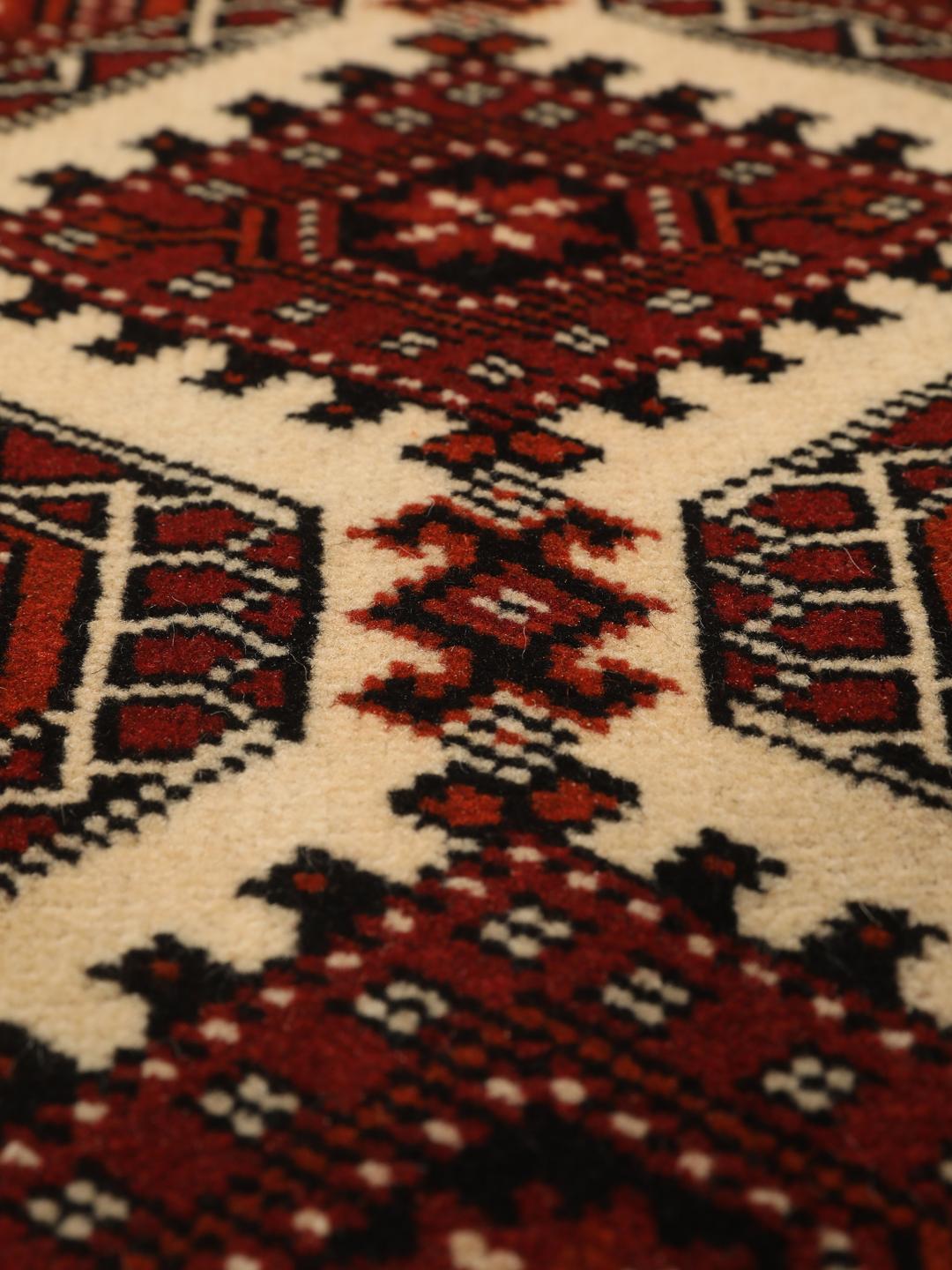
The term Turkaman refers to these specific tribal weaving techniques, which emphasise a tight, uniform knotting style. This method is crucial for creating the rug's signature smooth, dense surface that feels both luxurious and resilient. The skill required to maintain this consistency across such a large surface is passed down through generations, ensuring the longevity of the practice.
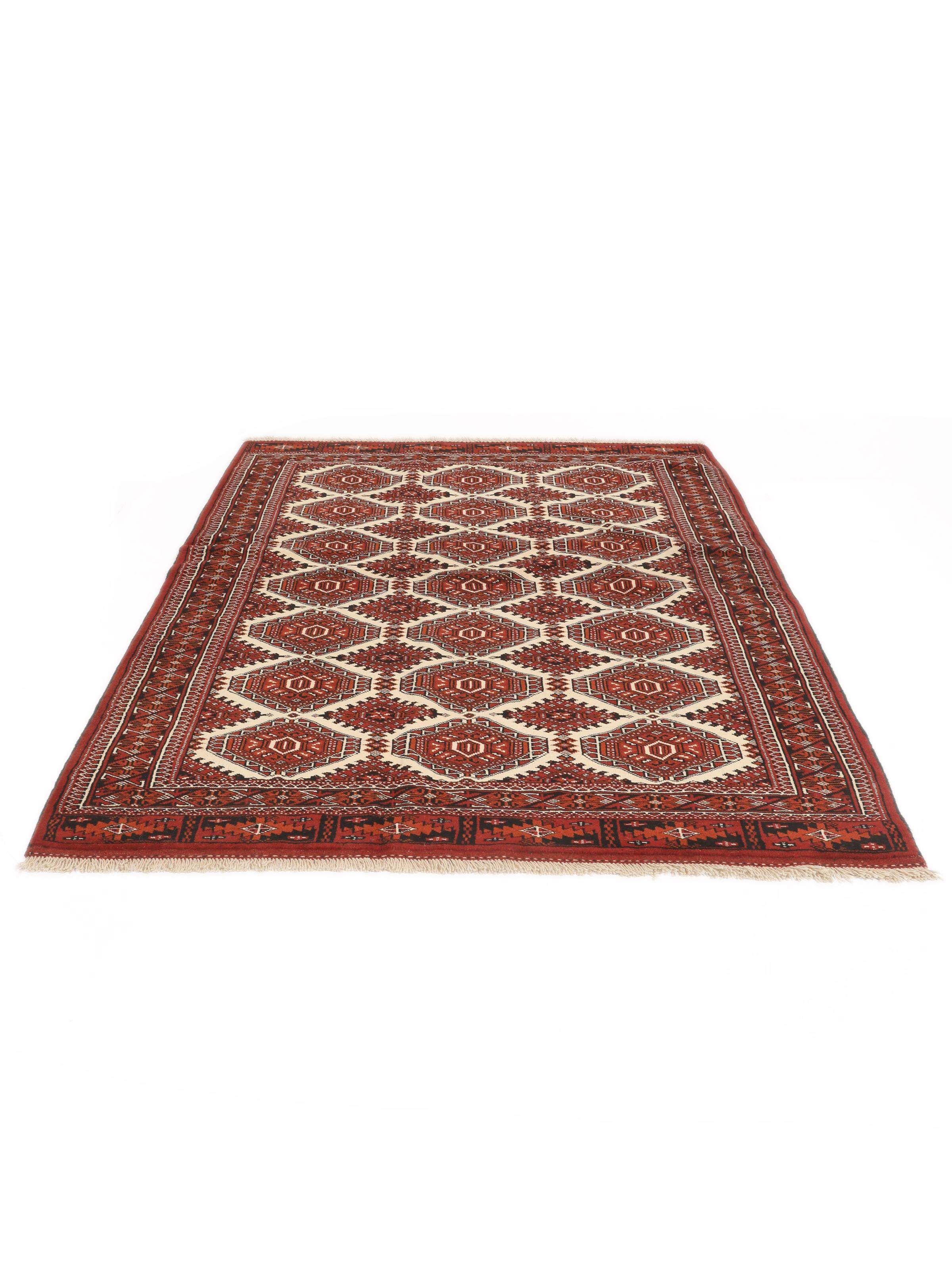
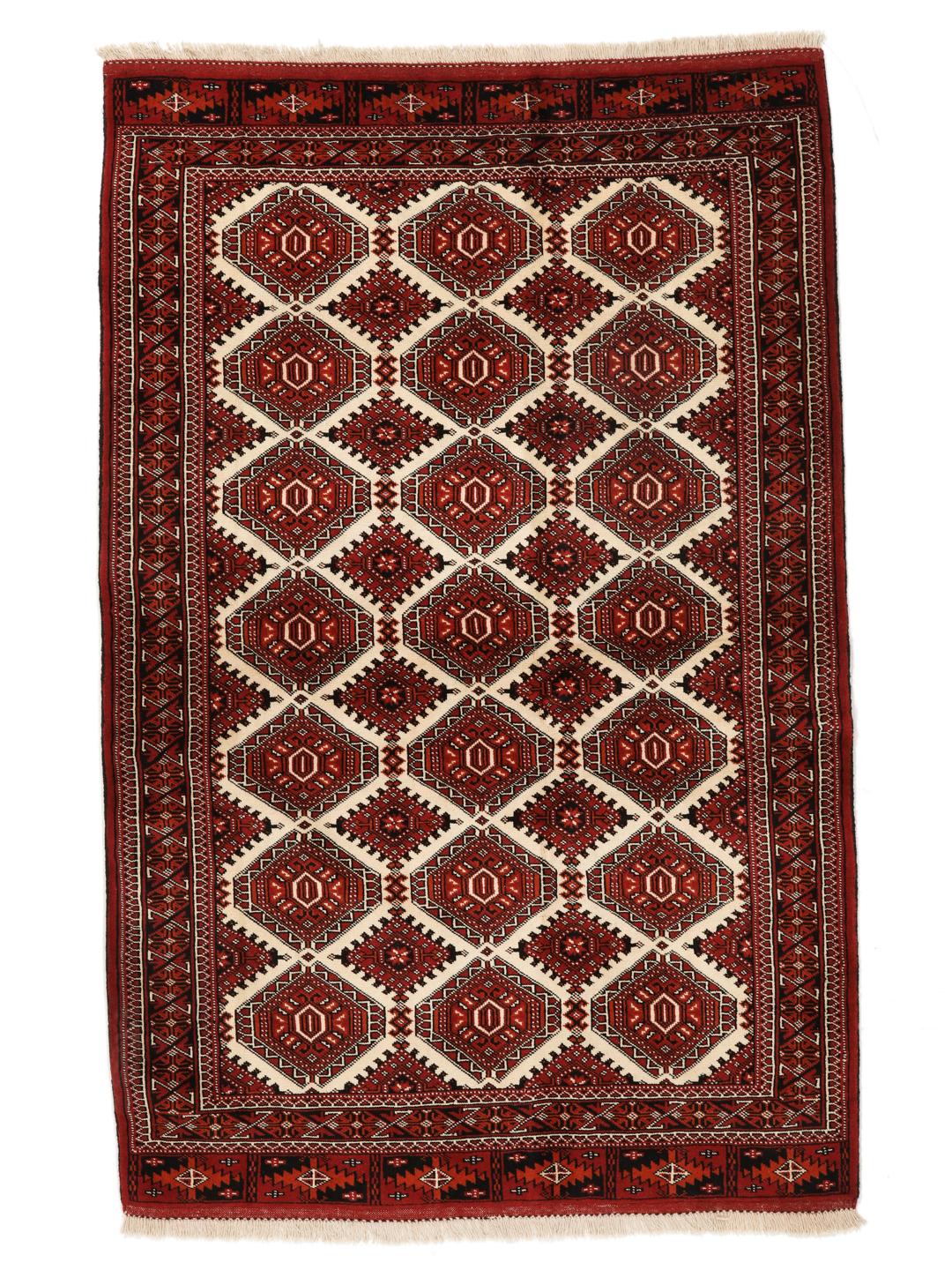
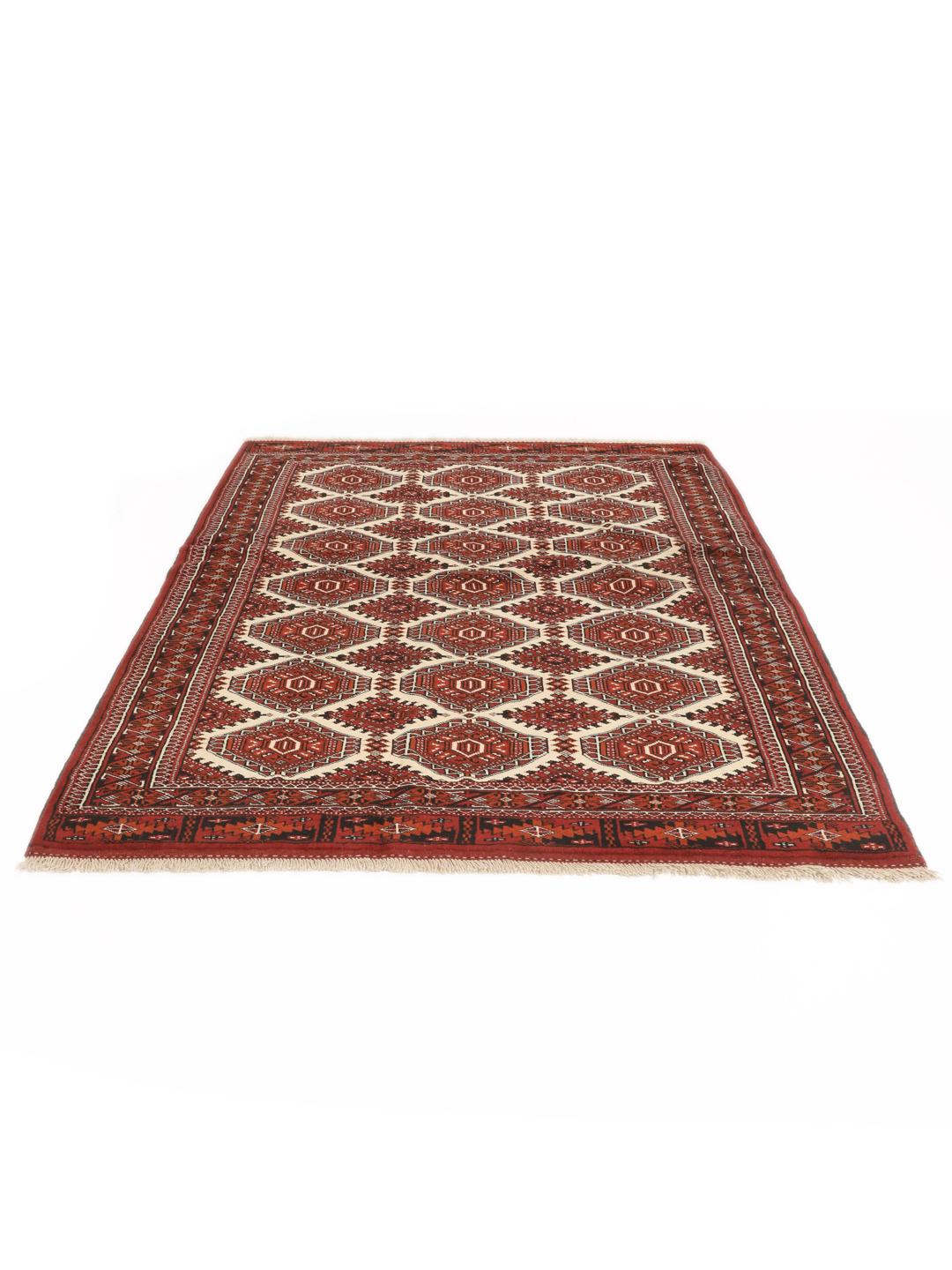
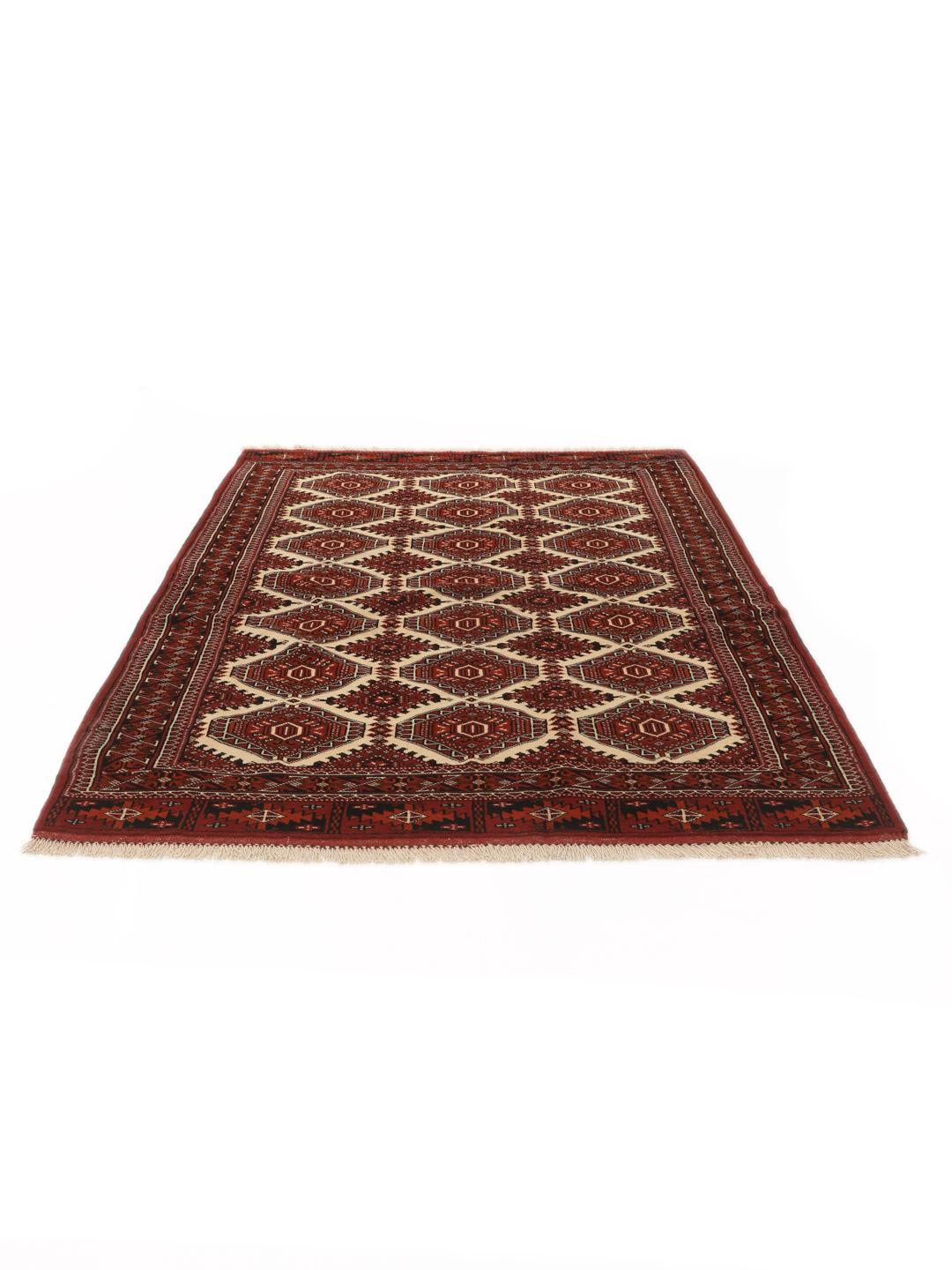
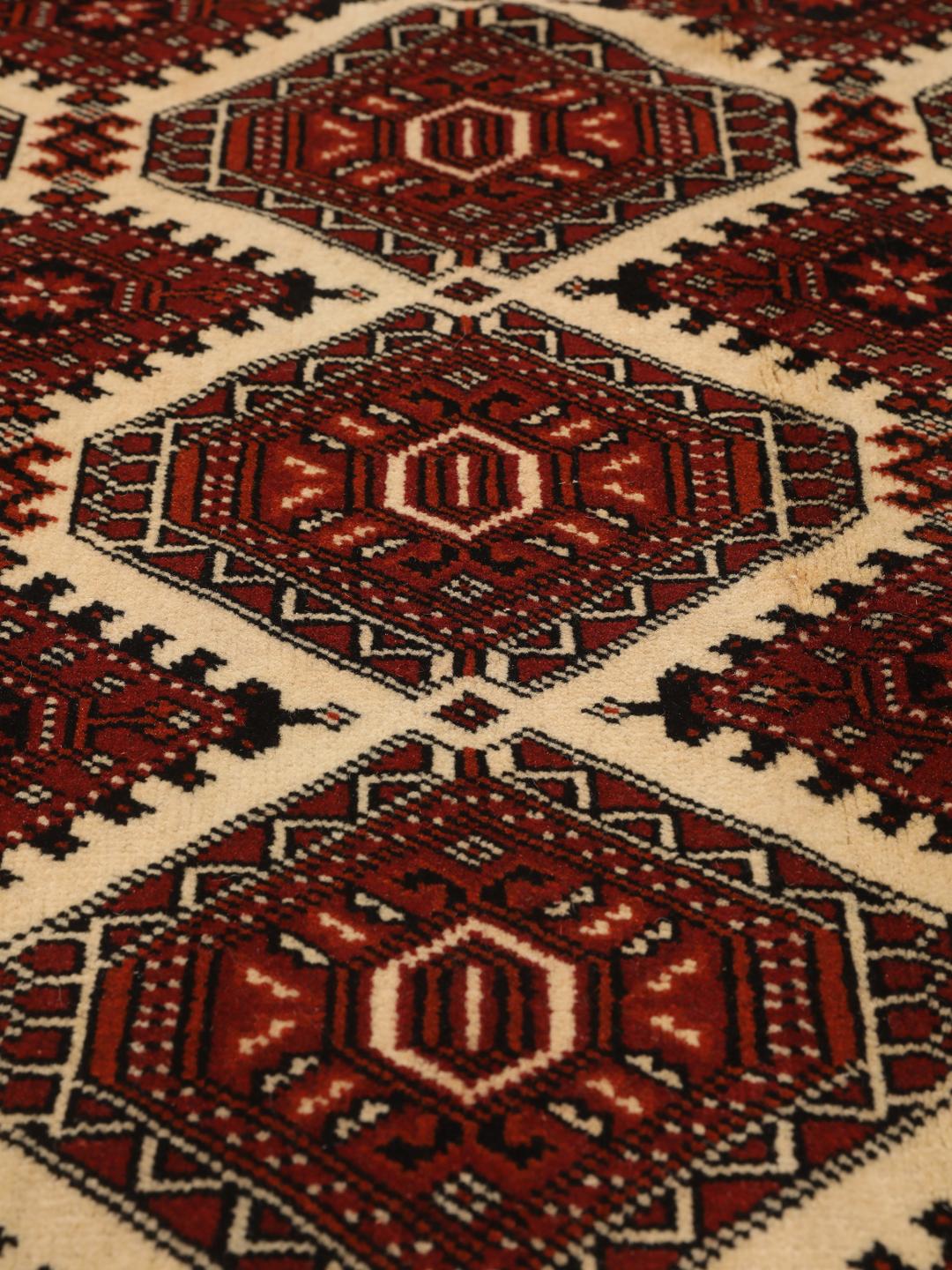
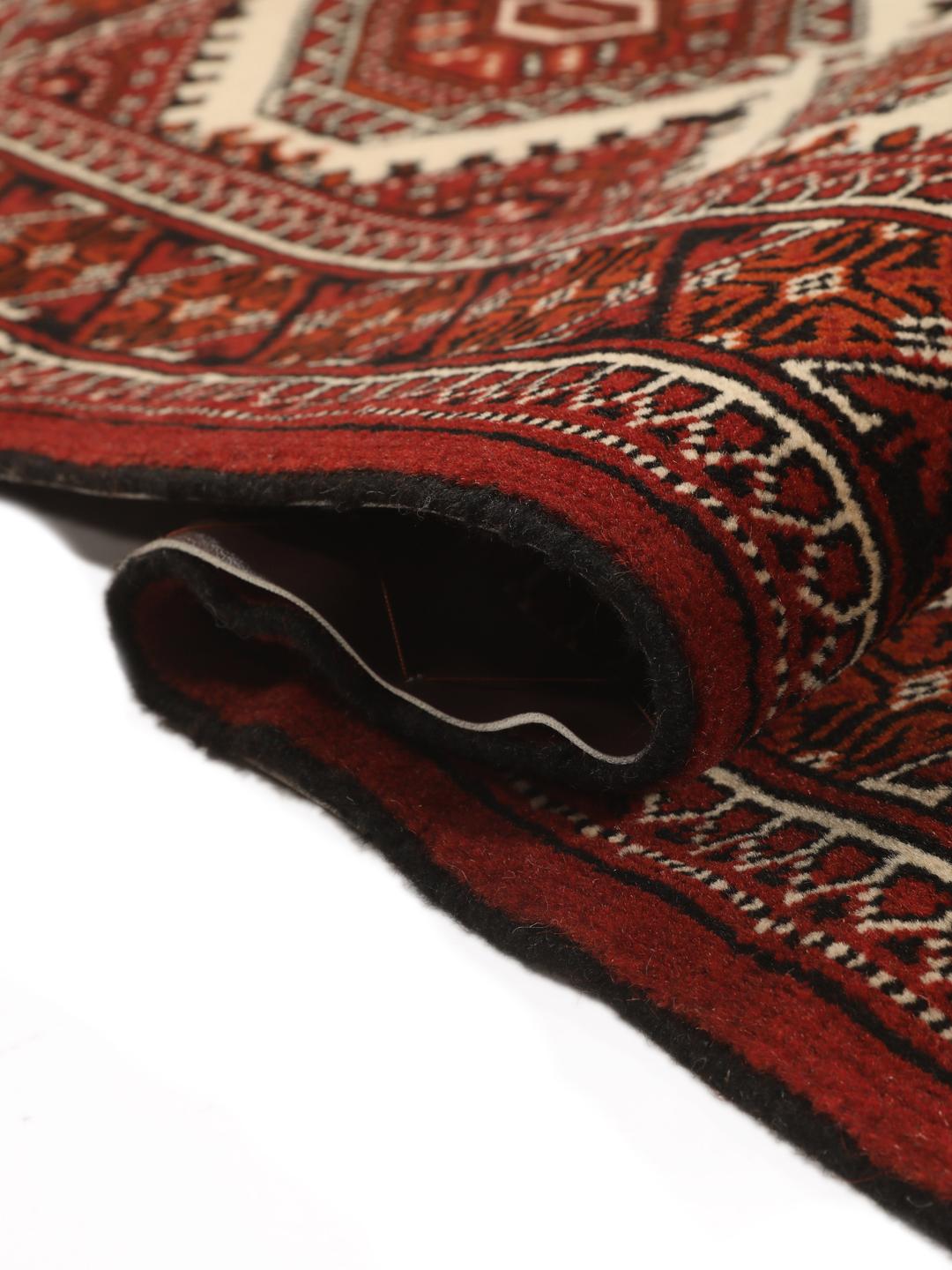
Visually, these rugs are famous for their deep red field, often referred to as 'oxblood' or 'gull-gul,' and the repeated use of octagonal motifs known as guls. These guls are more than just decorative; they often represent specific tribal lineages or historical symbols, making each rug a canvas for tribal identity and storytelling.
Owning a Turkaman rug is an opportunity to connect with a profound heritage of skill and endurance. These pieces are highly valued by collectors for their consistency in design and their ability to anchor a room with a sense of history, representing a standard of craftsmanship that remains a hallmark of Middle Eastern textile arts.