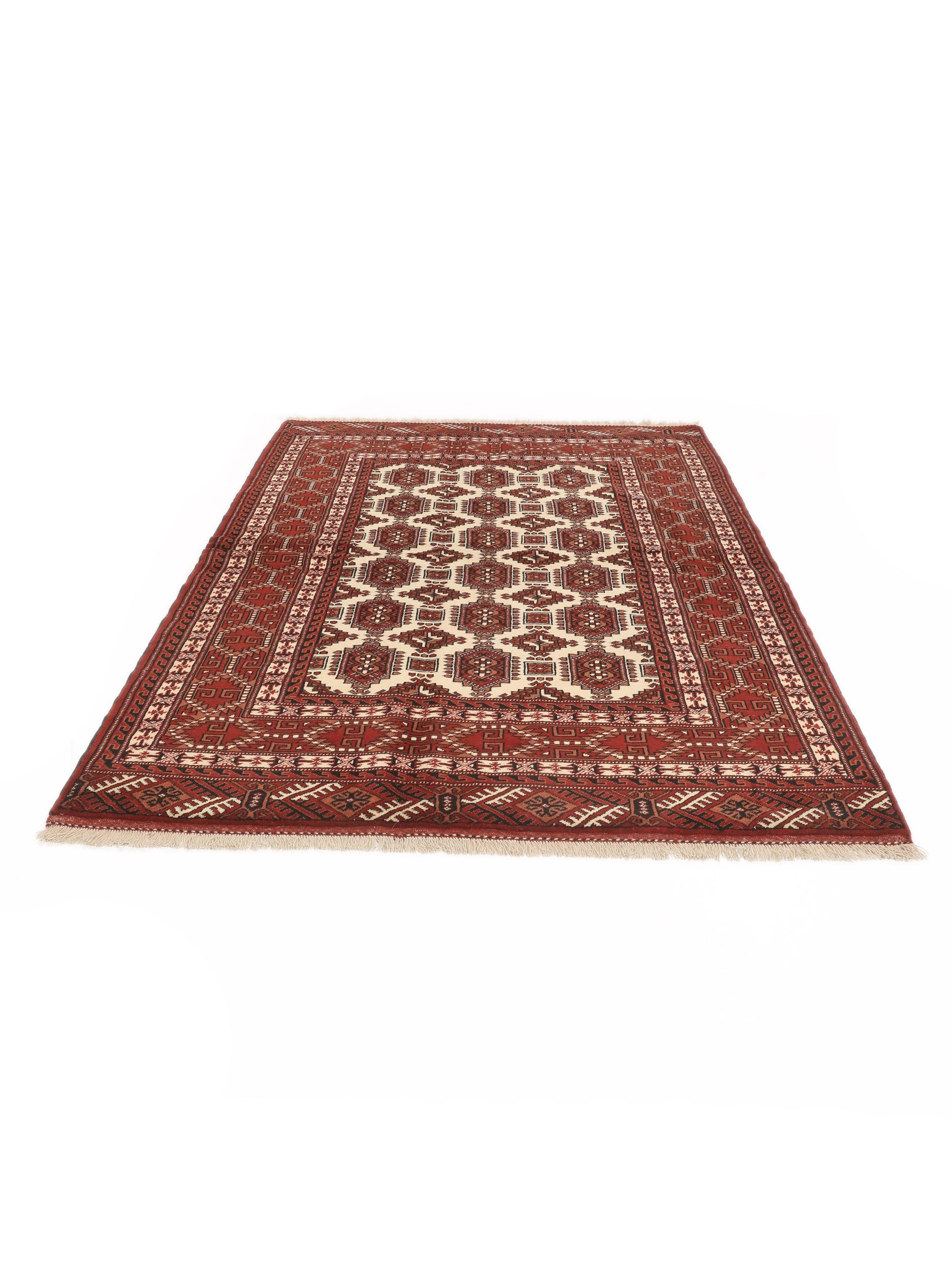
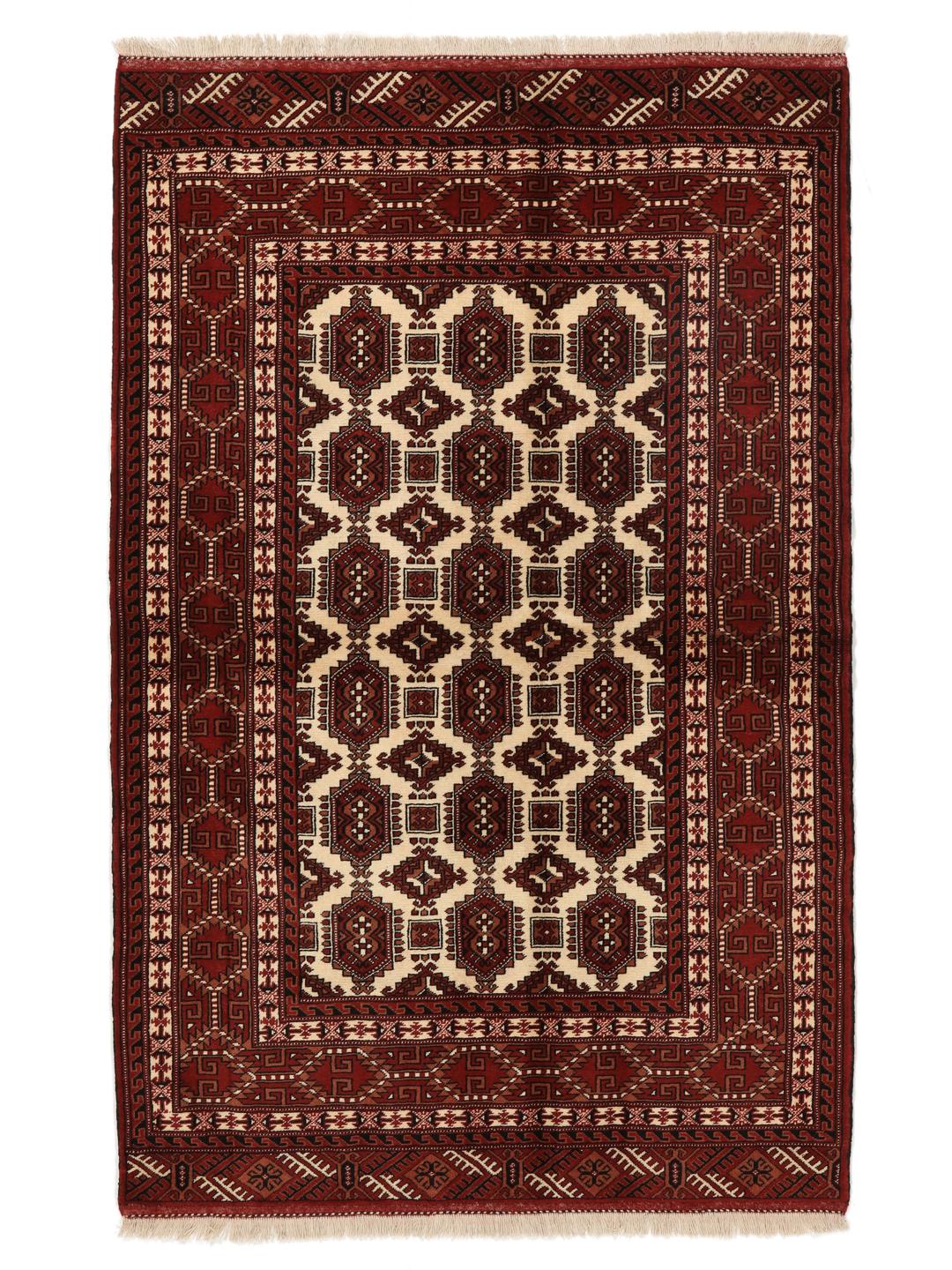
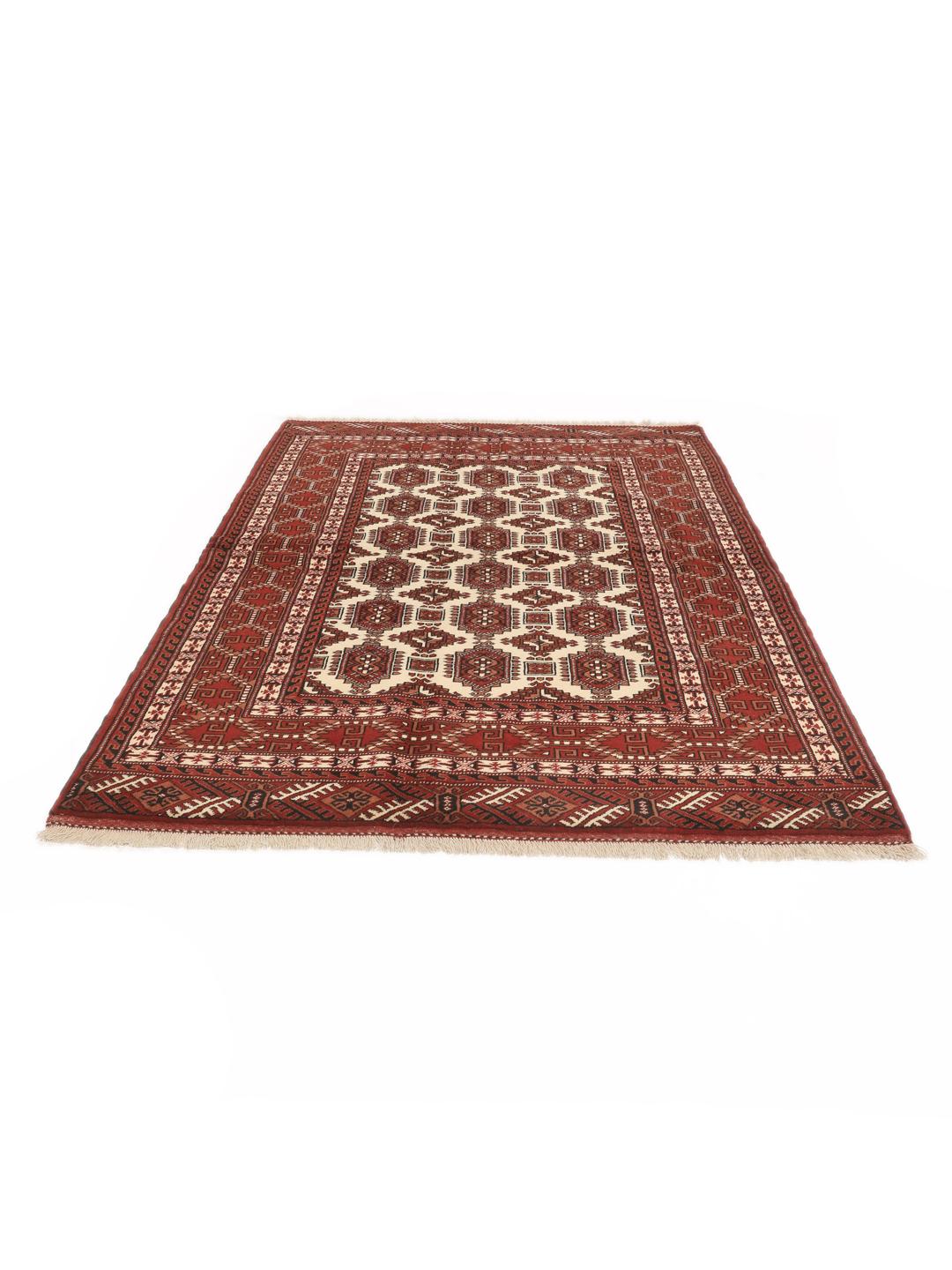
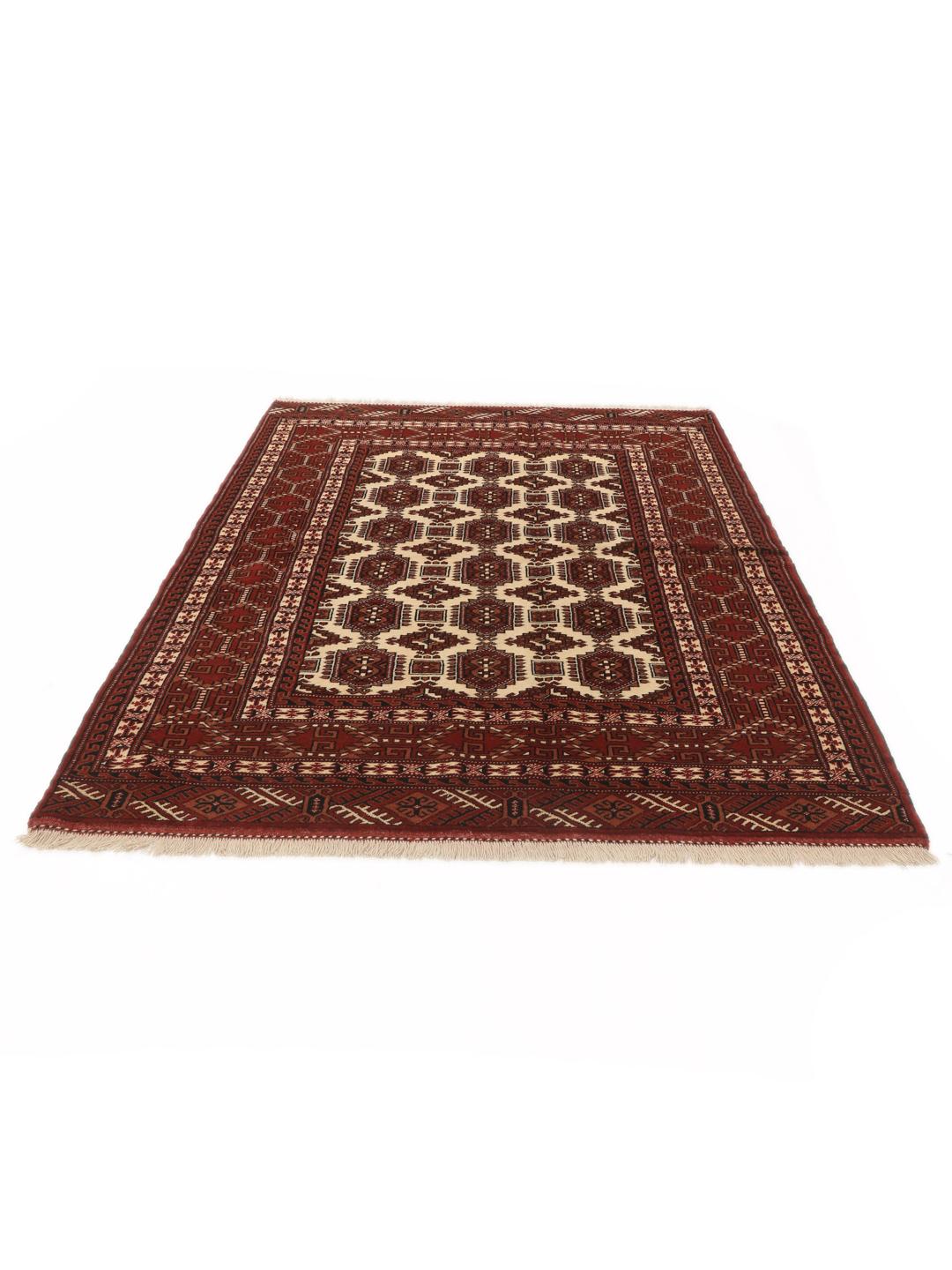
The Turkaman rug tradition finds its roots in the nomadic tribes of Central Asia, whose history is deeply intertwined with the vast landscapes of the region. Over centuries, these weaving traditions migrated and evolved, eventually finding a home in the Middle East where the craft reached new levels of refinement and artistic expression.
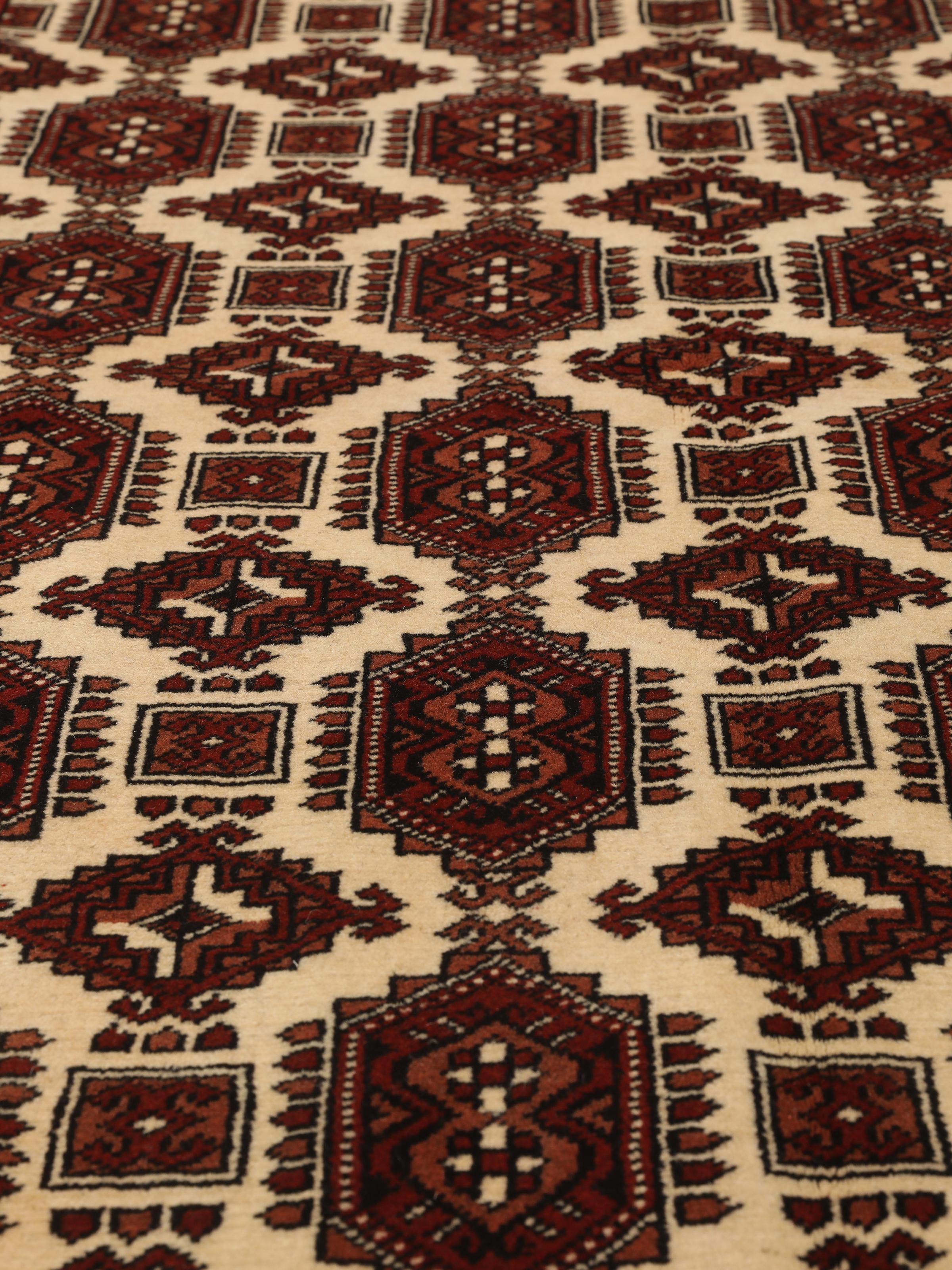
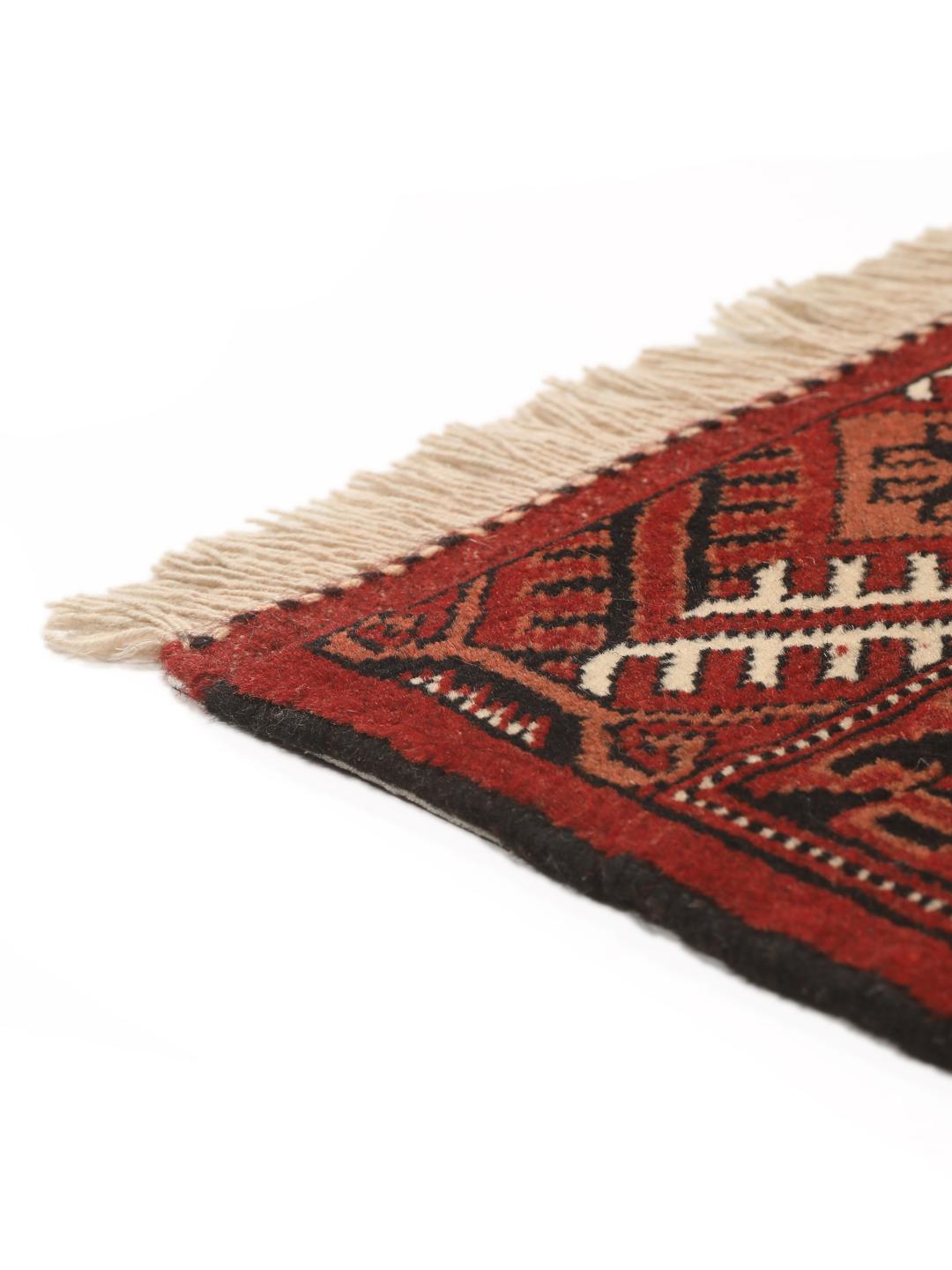
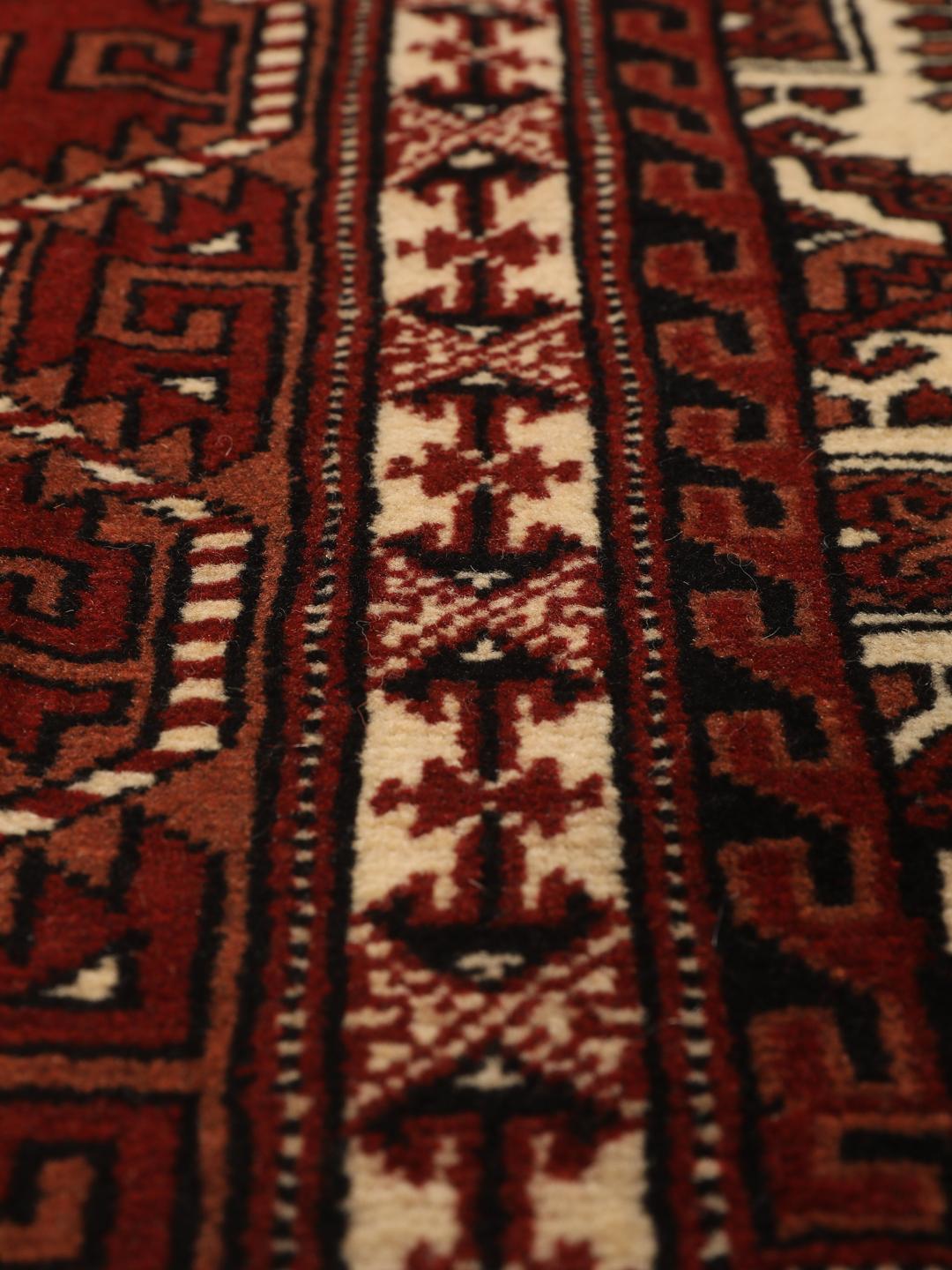
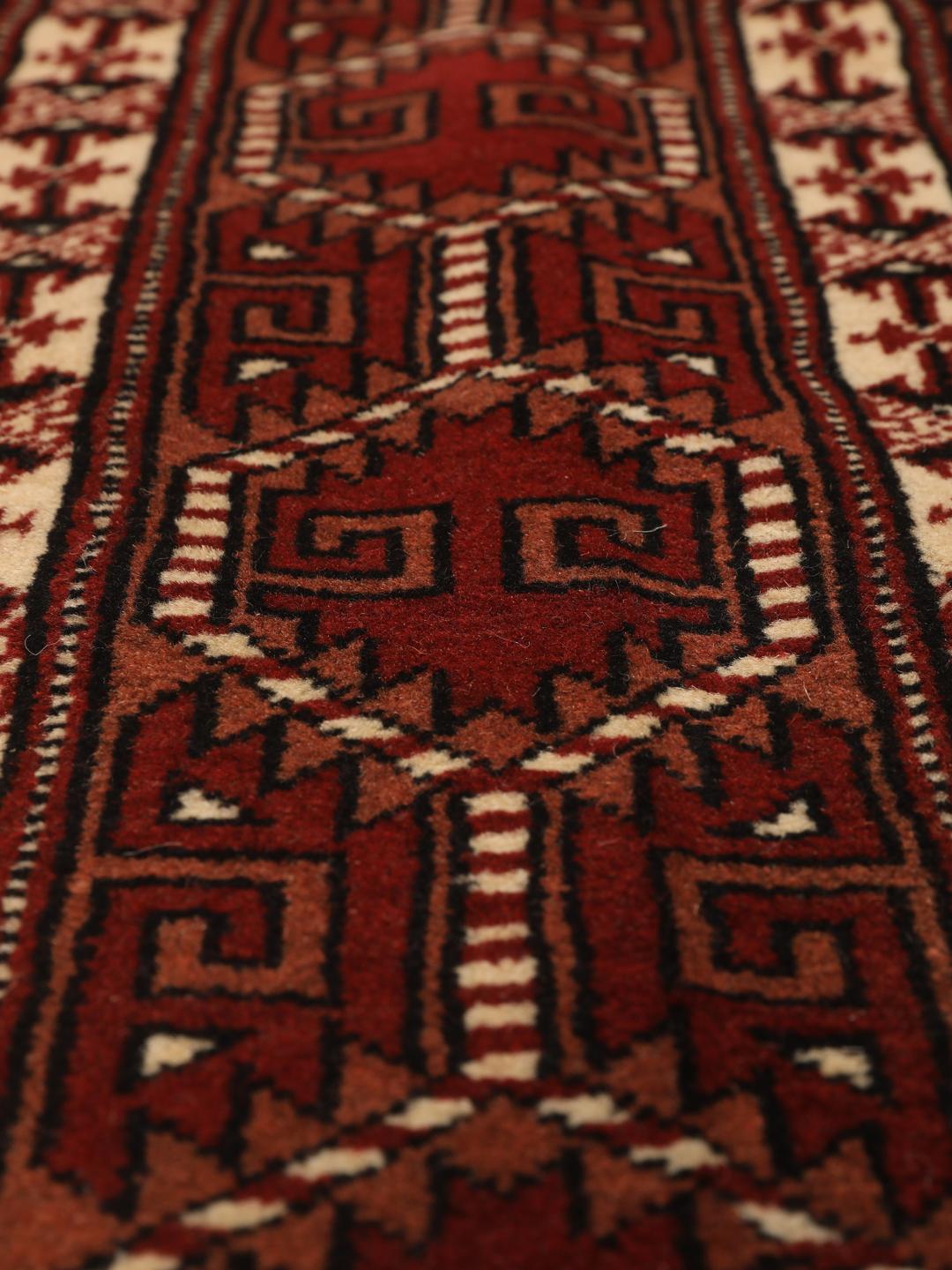
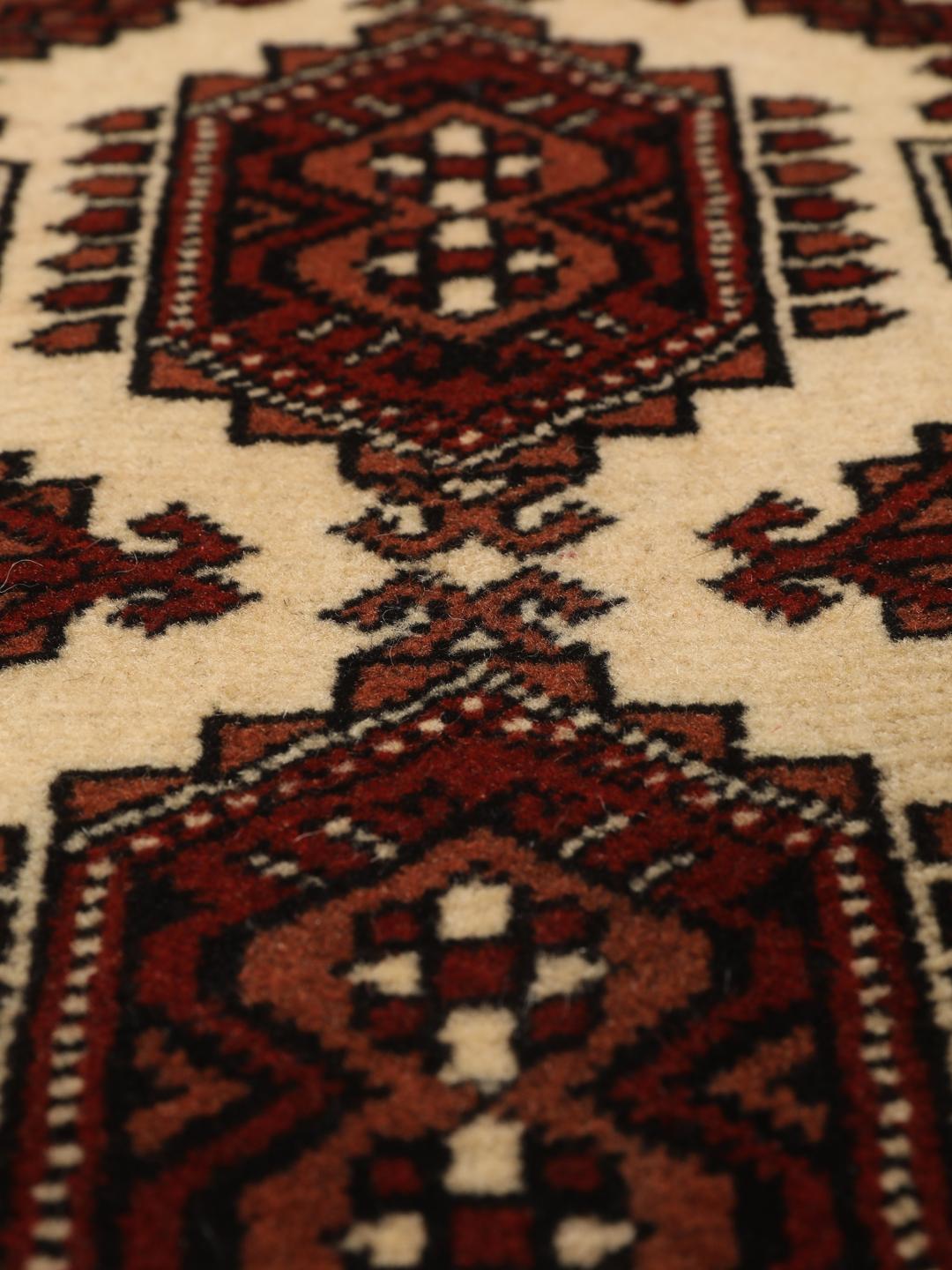
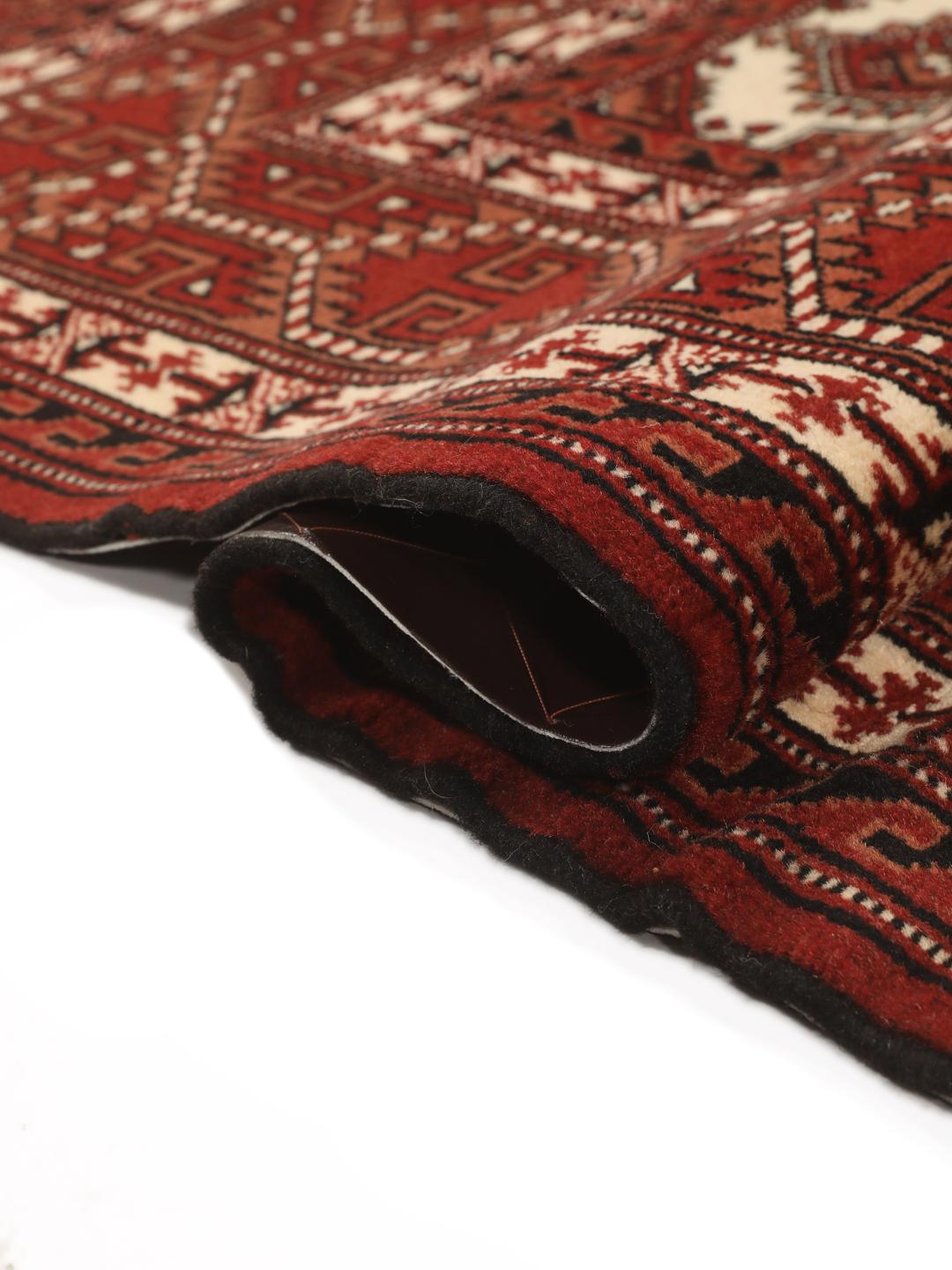
The term Turkaman refers to both the tribal origin and the specific design language that has become synonymous with this style. These rugs are celebrated for their technical excellence, often characterised by a dense, lustrous Wool pile that provides both durability and a soft, inviting texture that is highly prized by collectors.
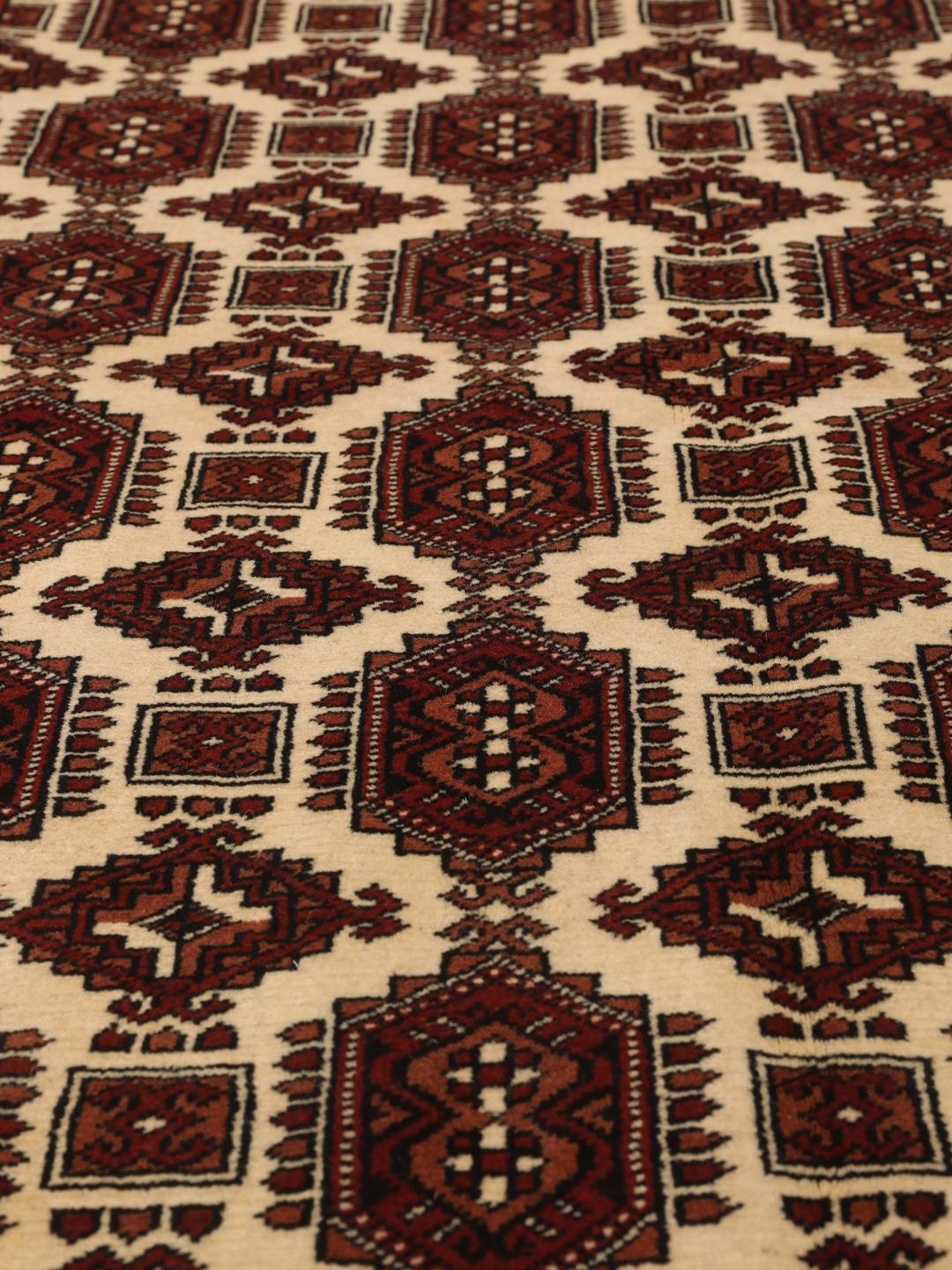
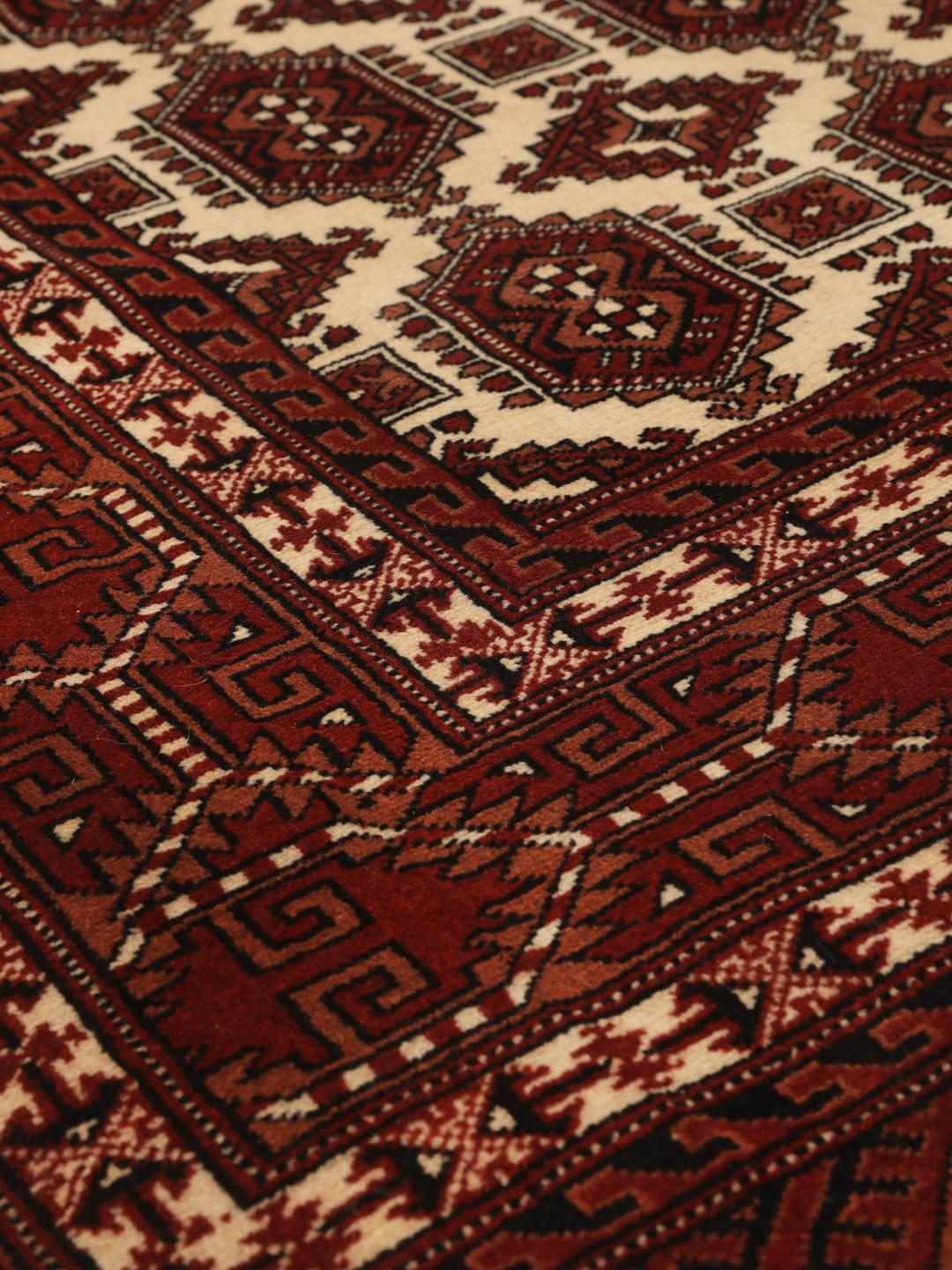
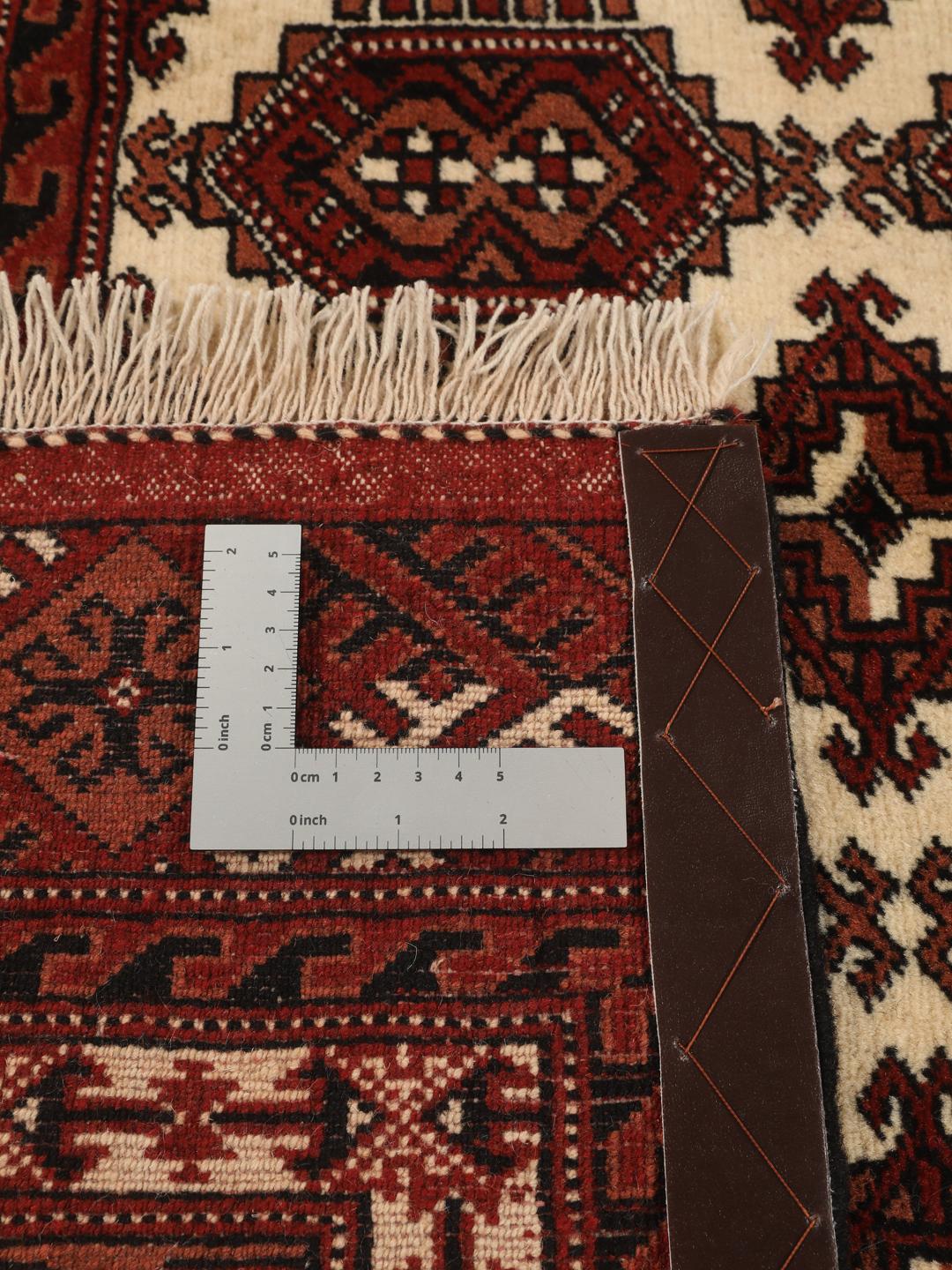
Signature design elements include the repeating gul motifs, which are stylised, octagonal medallions that represent the tribal identity of the weavers. These are typically arranged in formal rows across the field, enclosed by intricate, geometric borders that reflect a long-standing tradition of symmetry and precision in pattern work.
Collectors value Turkaman rugs for their cultural significance and the profound skill required to produce them. Owning one is an opportunity to connect with a storied past, as each piece serves as a physical record of the weaver's heritage and the enduring legacy of Middle Eastern textile arts.