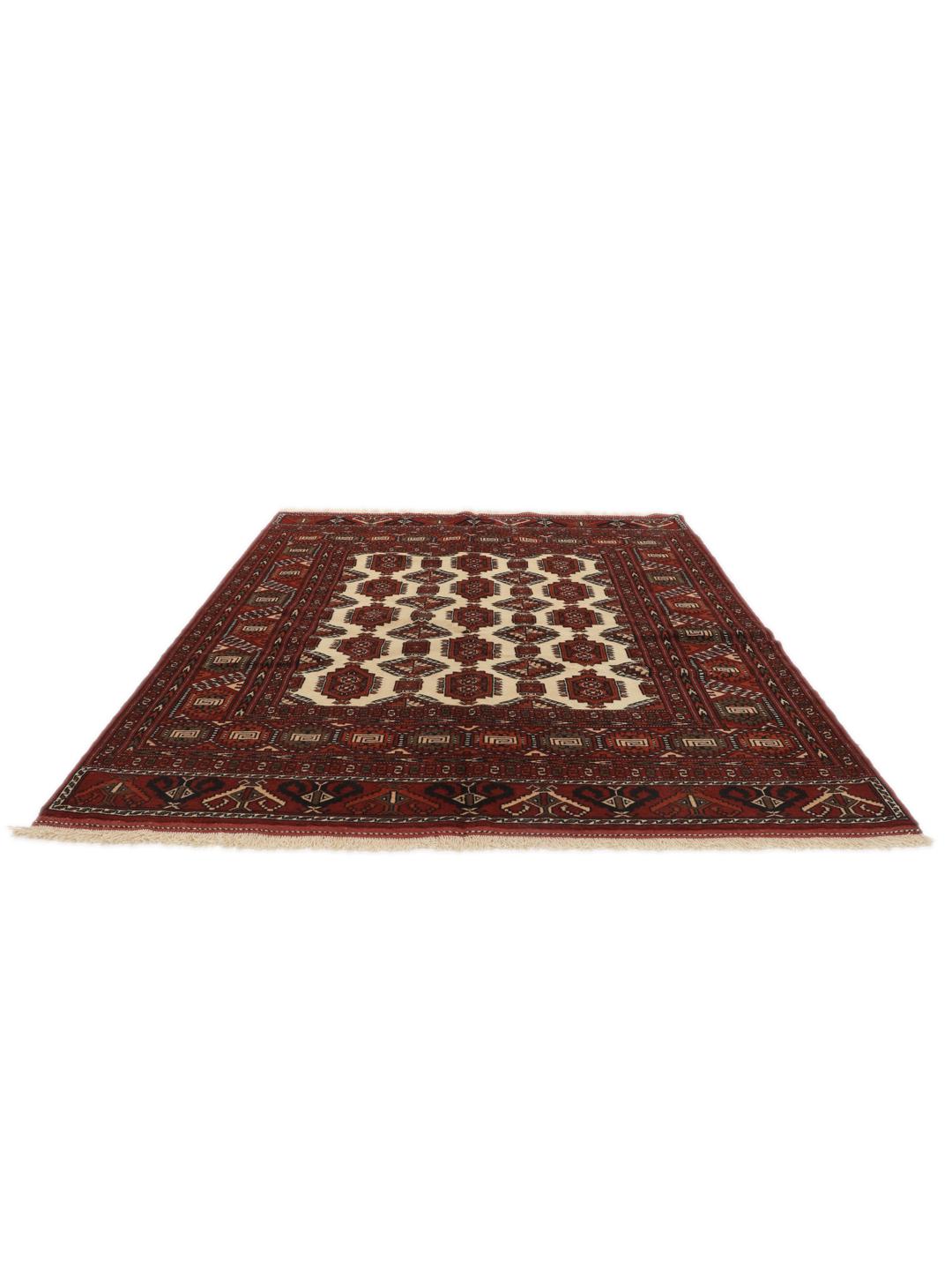
Turkaman rugs originate from the nomadic tribes of Central Asia, a region with a long and storied history of textile production along the Silk Road. Over centuries, these distinct weaving traditions migrated, and today, some of the most refined examples are created in the Middle East, where weavers maintain the ancient techniques passed down through generations.
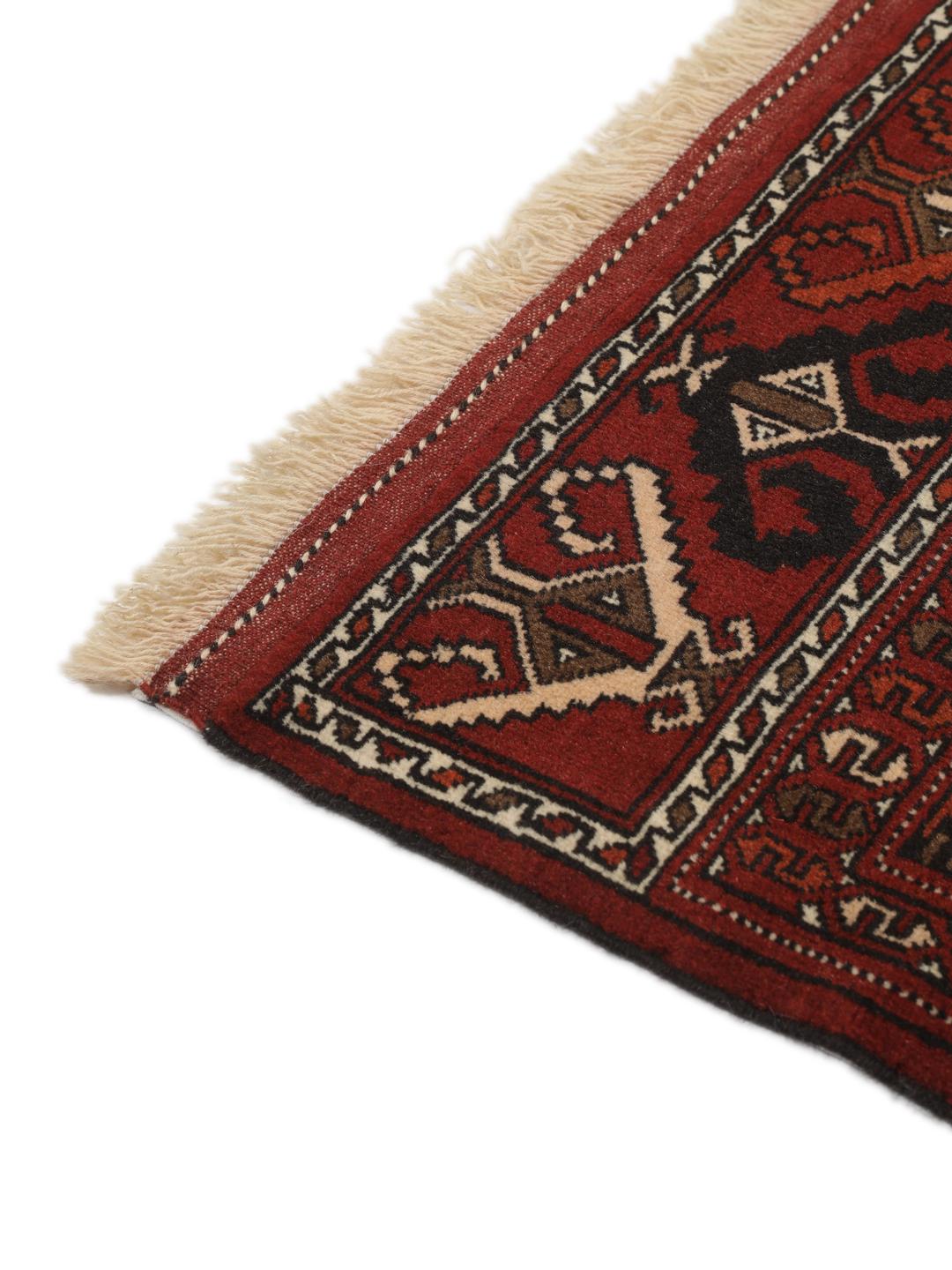
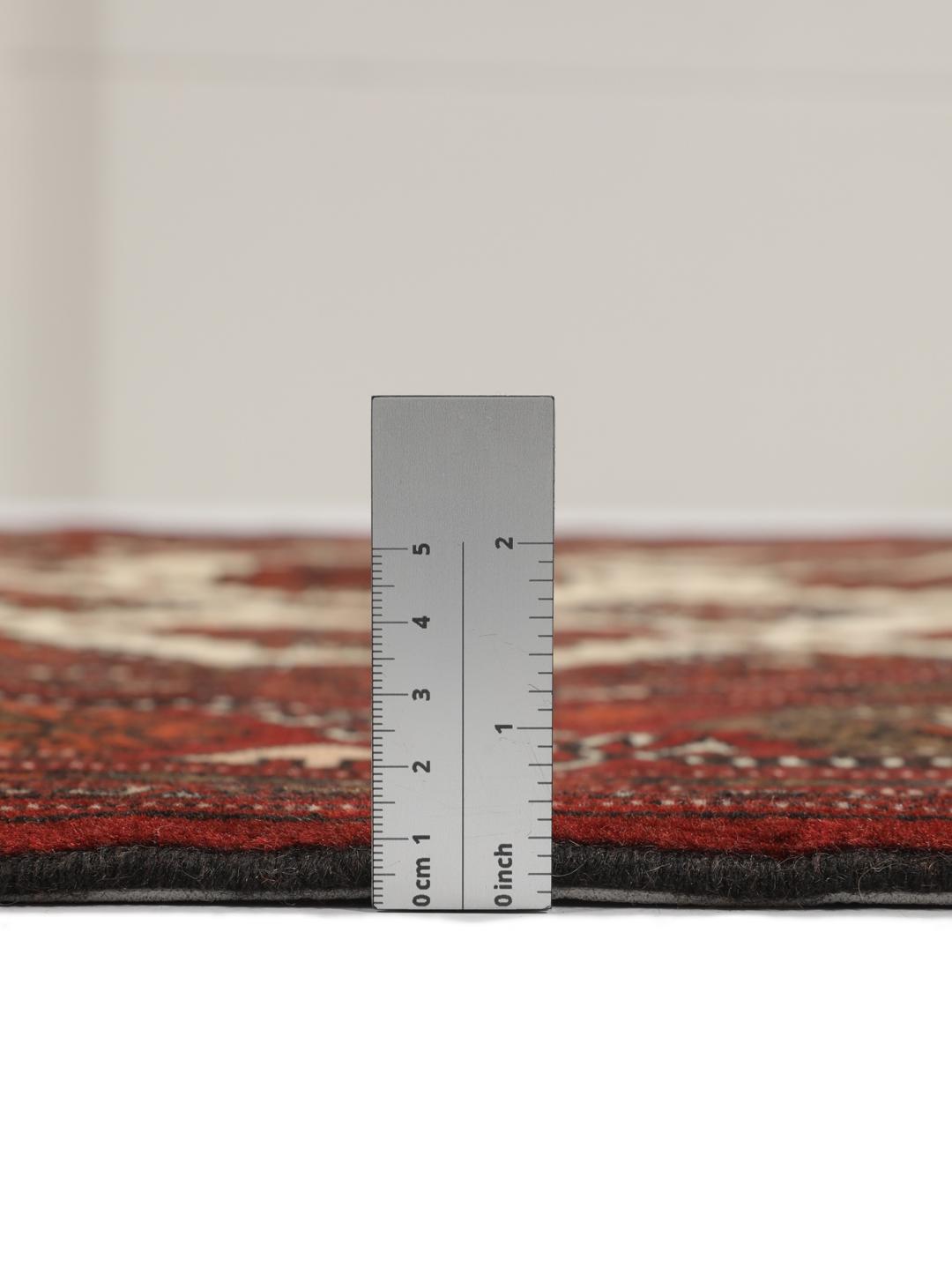
The term 'Turkaman' refers to a specific design language characterised by its deep, saturated hues and formal, repeating patterns. The craft is defined by the use of high-quality wool, which provides a lustrous finish and a durability that has made these rugs prized possessions for centuries. The technical skill involved in achieving such consistent tension across the entire surface is a hallmark of the tradition.
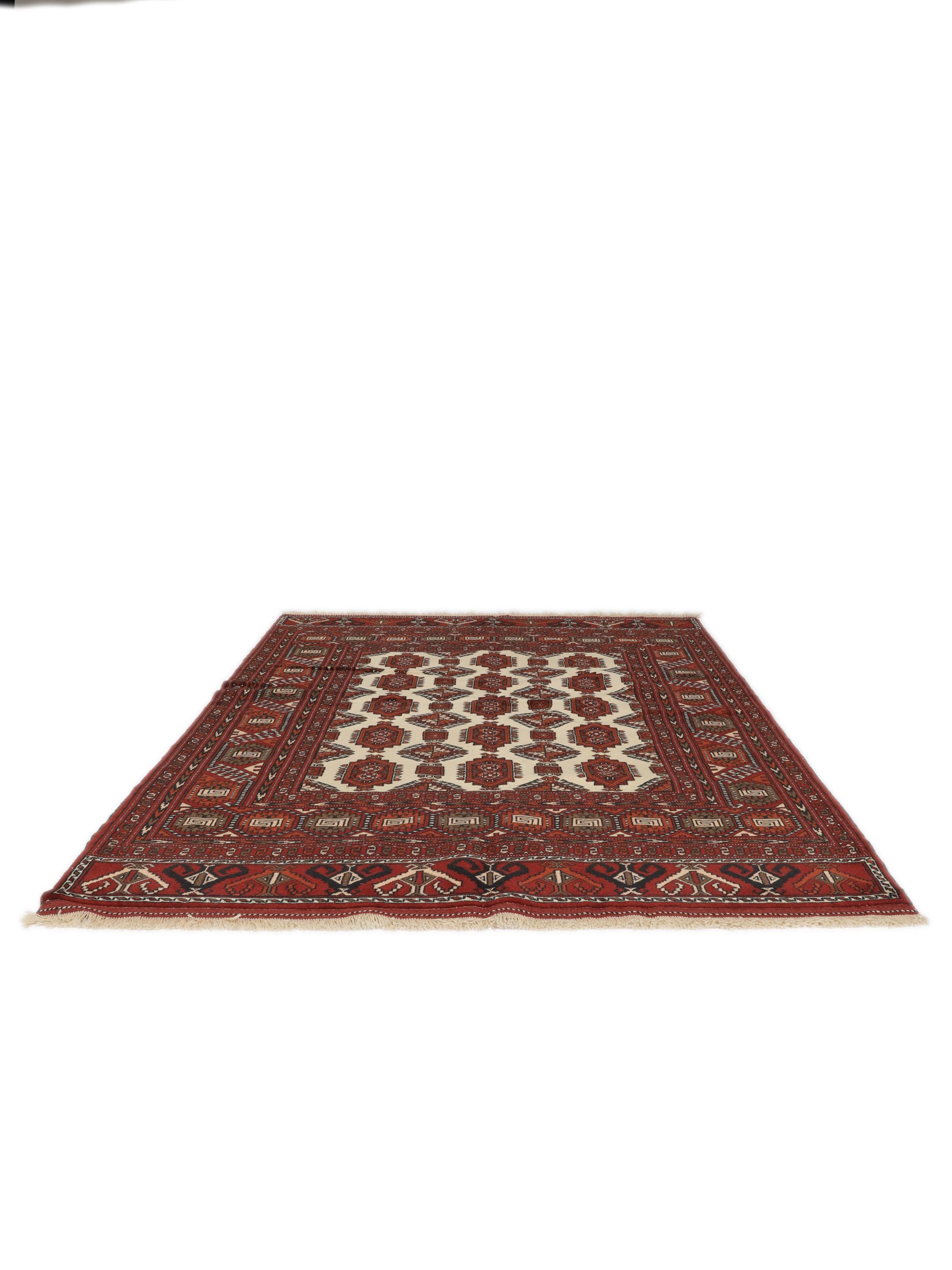
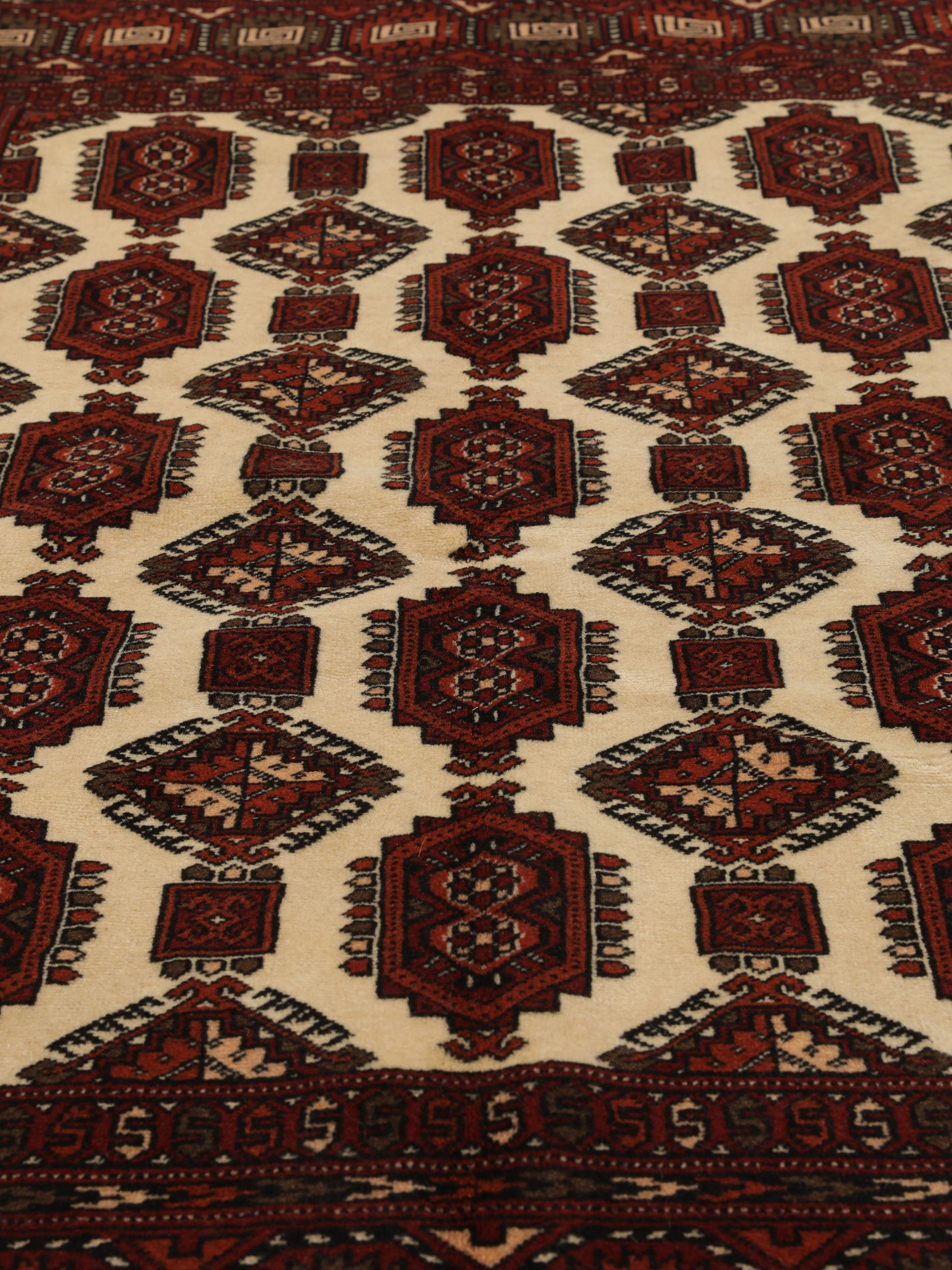
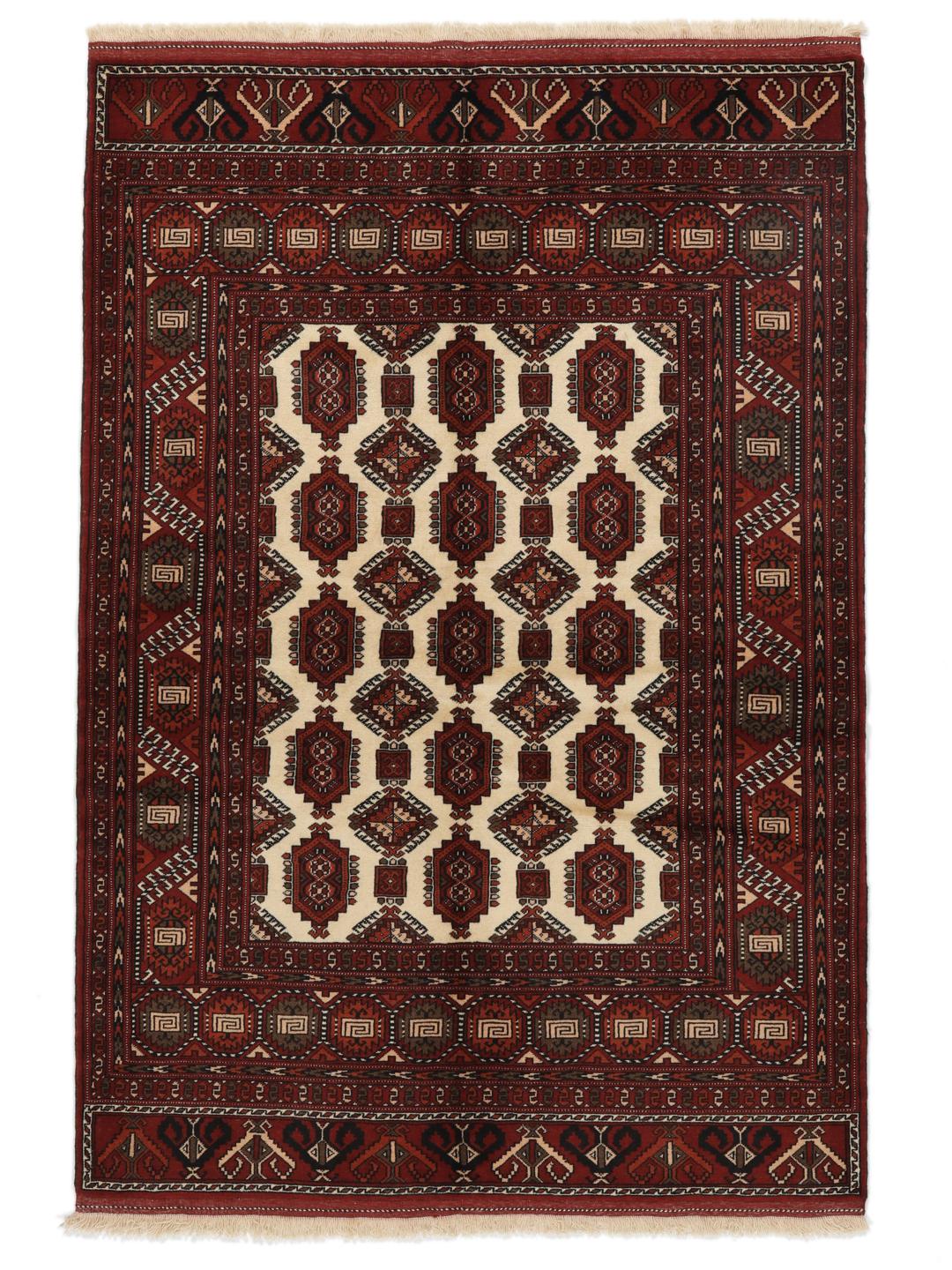
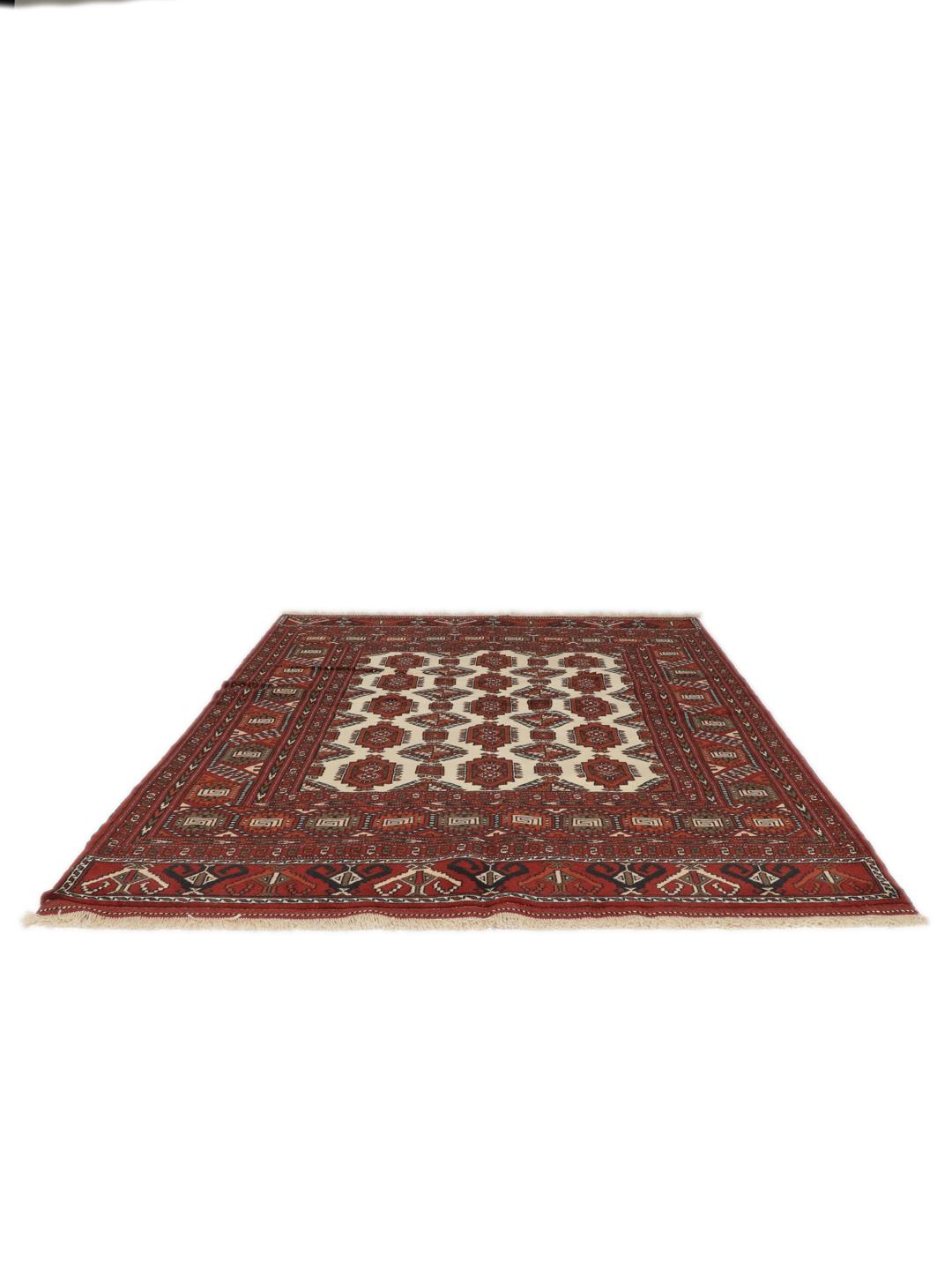
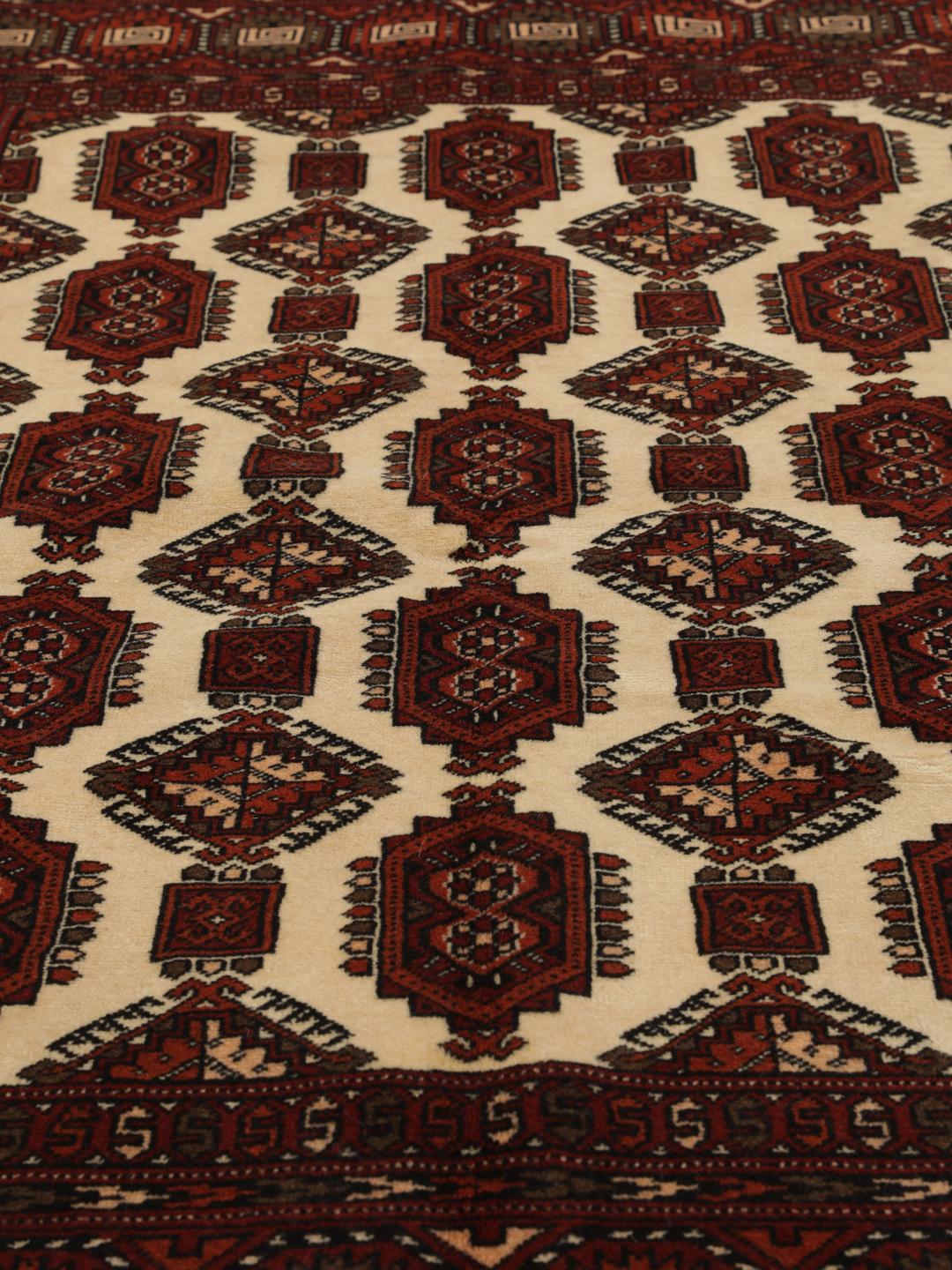
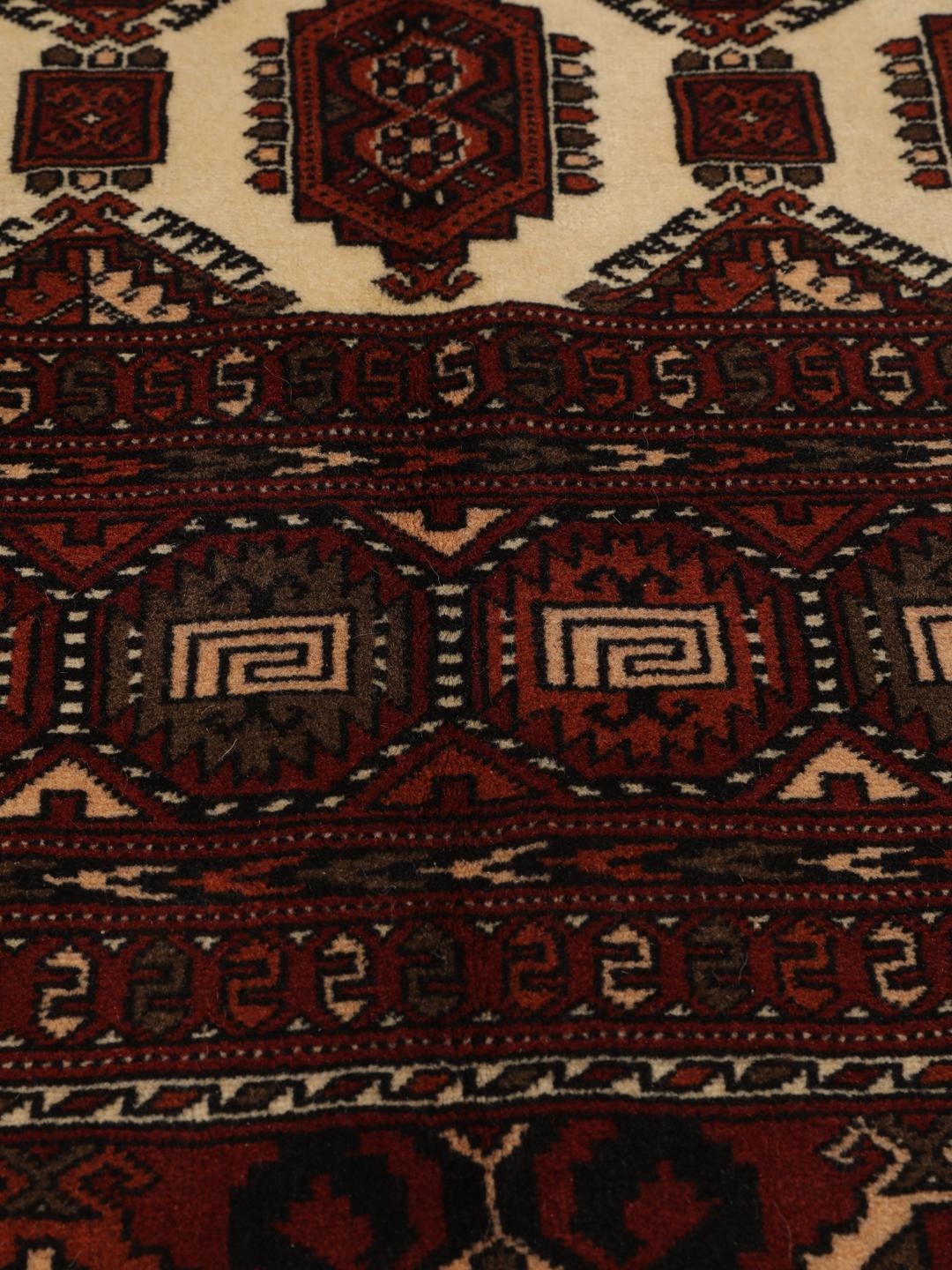
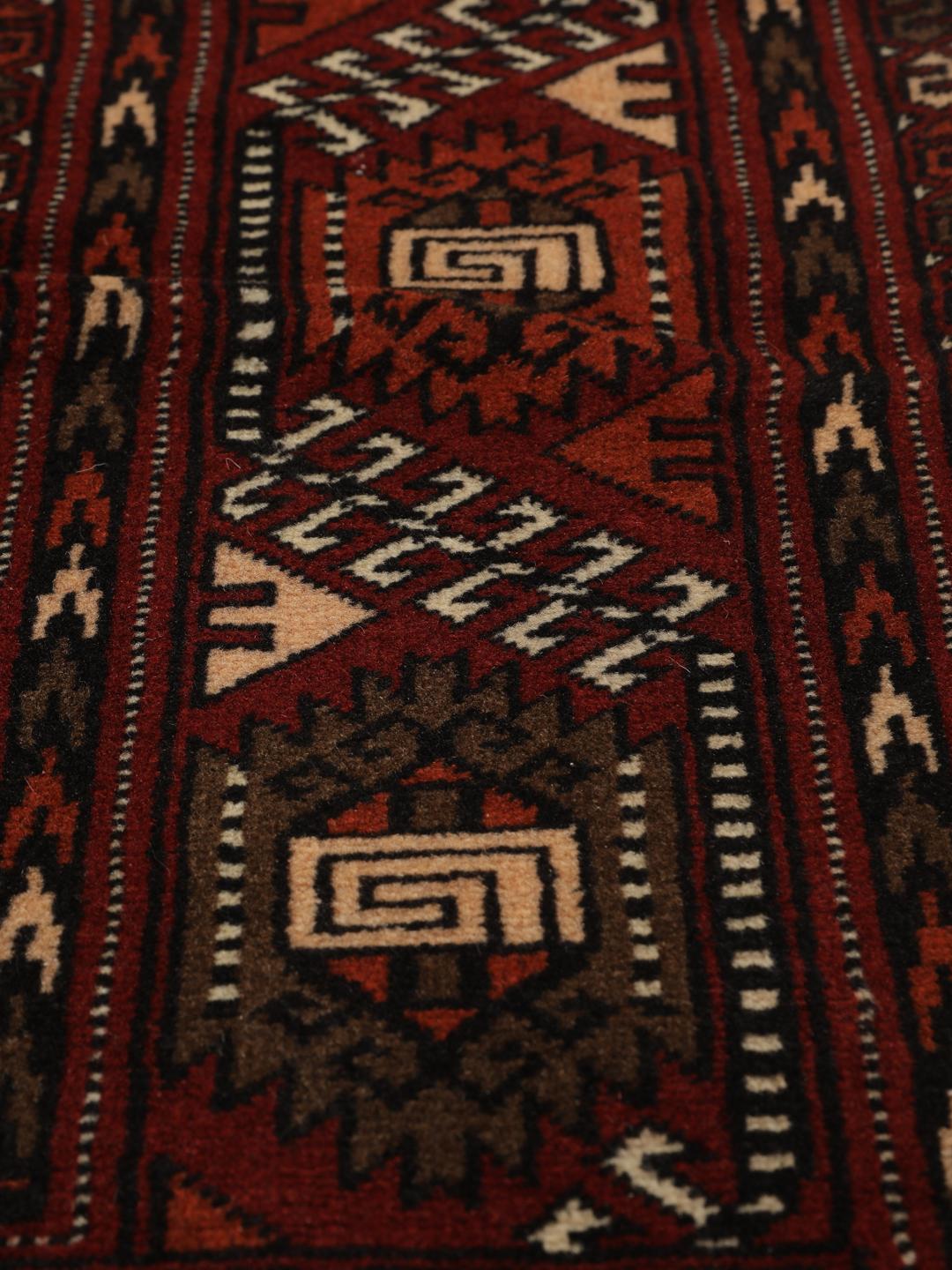
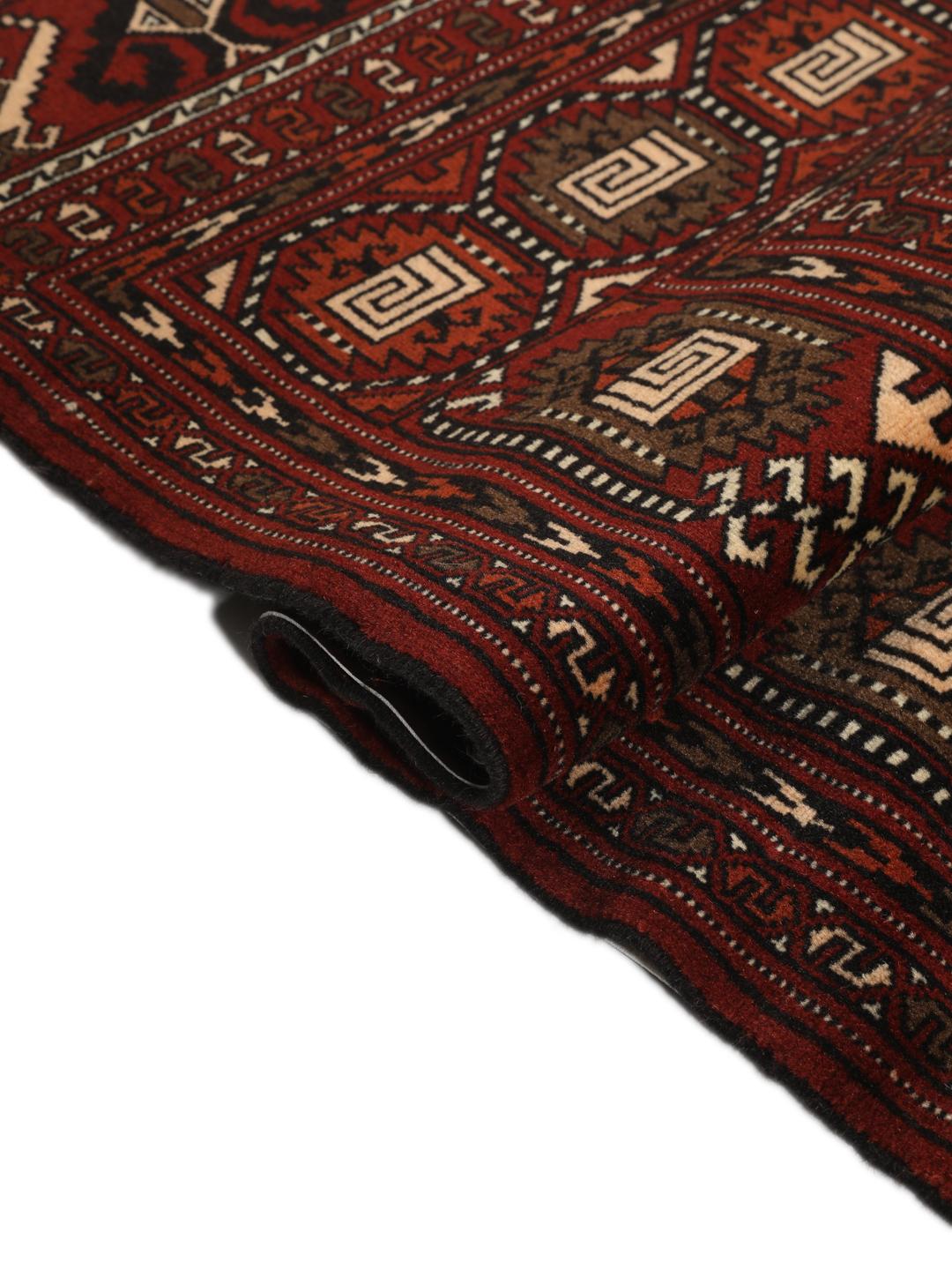
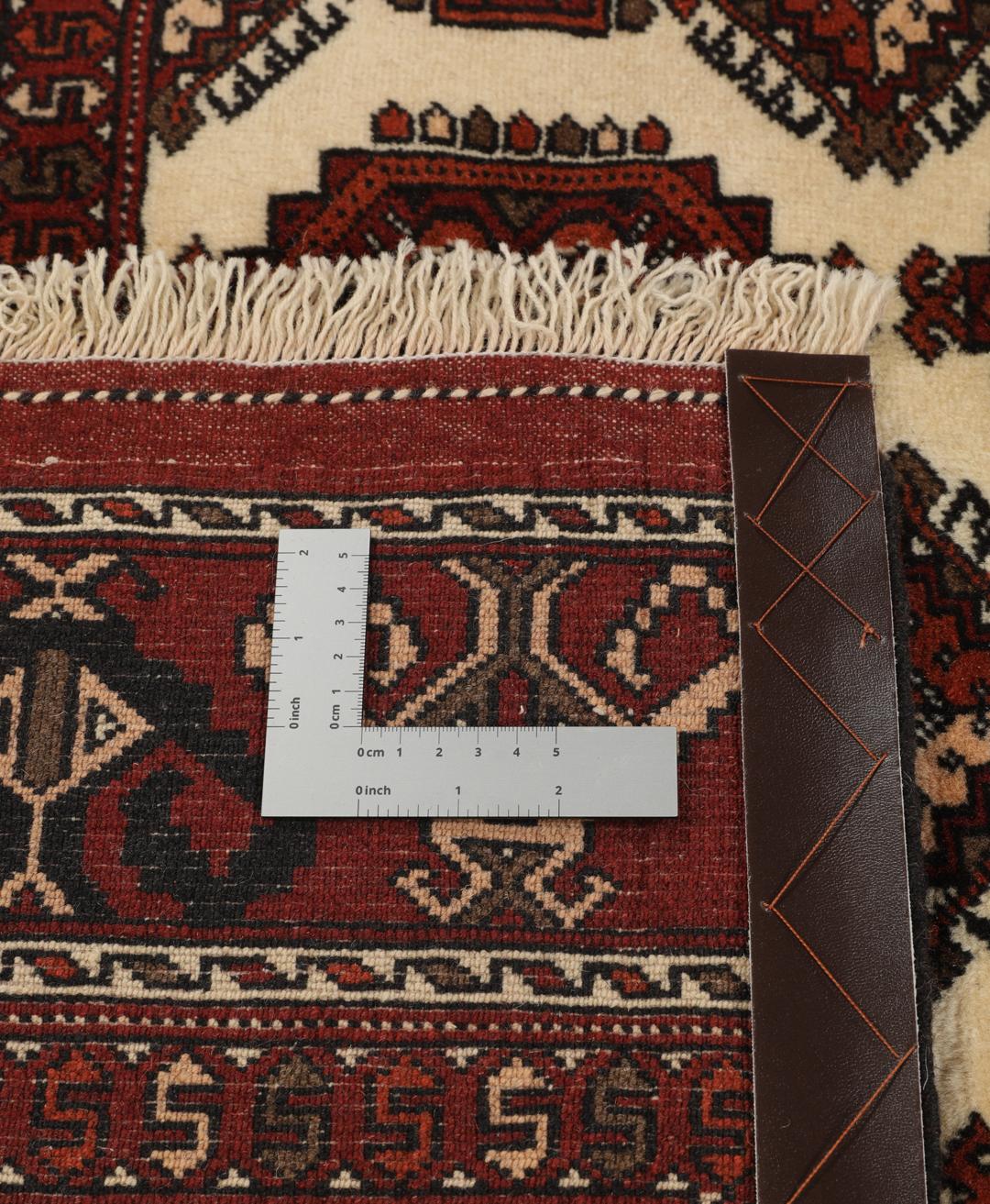
The visual identity of these rugs is dominated by the 'gul'—an octagonal, elephant-foot-shaped medallion that is repeated across the field. These motifs are often enclosed by intricate, stylised borders that reflect the geometric precision of the weaver’s culture. While the deep red field is the most classic expression of this style, the inclusion of cream-coloured accents in this piece adds a beautiful, sophisticated contrast.
Owning a Turkaman rug is more than just a decorative choice; it is an investment in cultural heritage. These pieces are highly valued by collectors for their consistency of craft and their ability to bridge the gap between historical tradition and modern interior design. By bringing one into your home, you are continuing a legacy of artistry and skill that has been refined over hundreds of years.