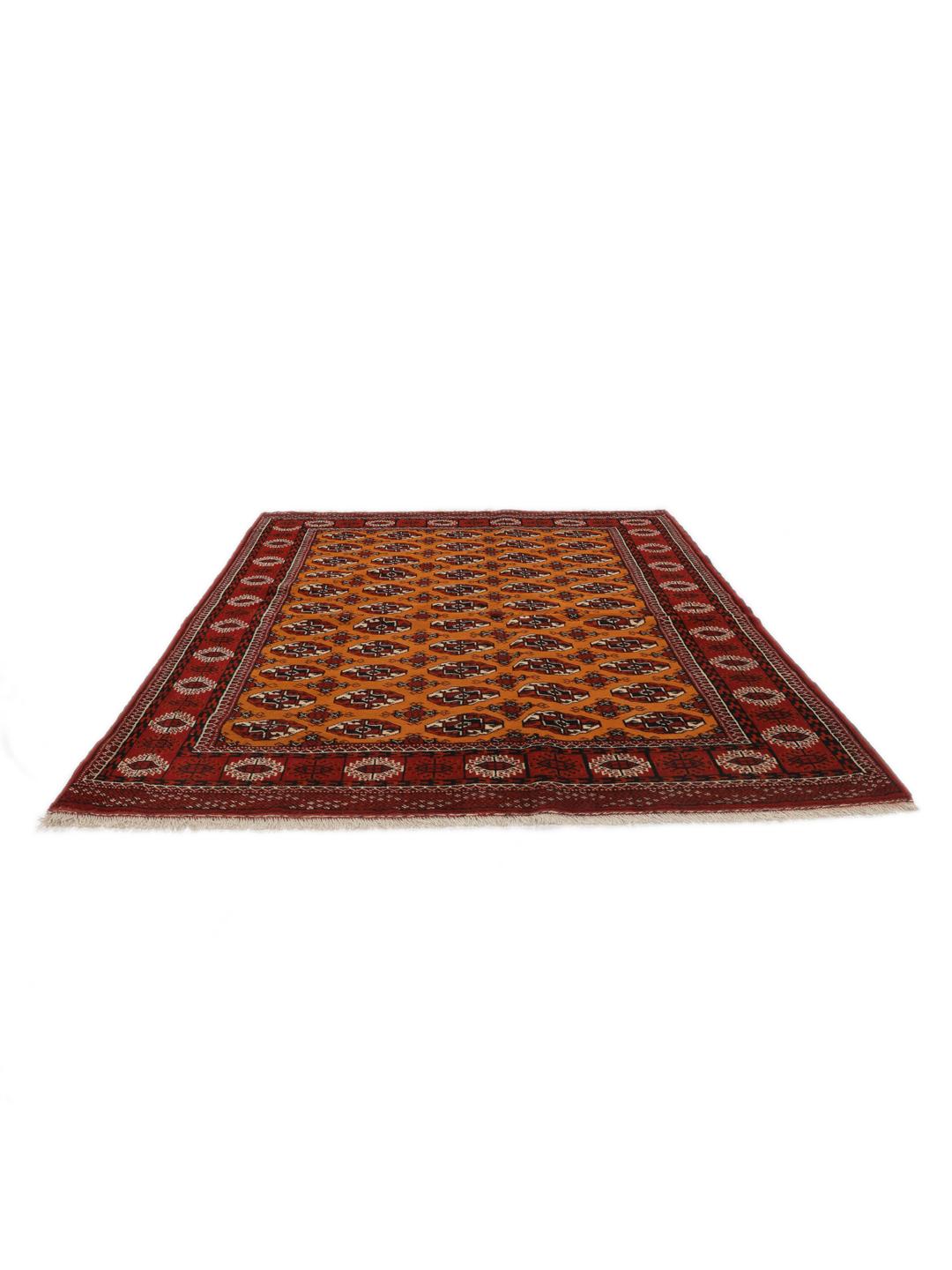
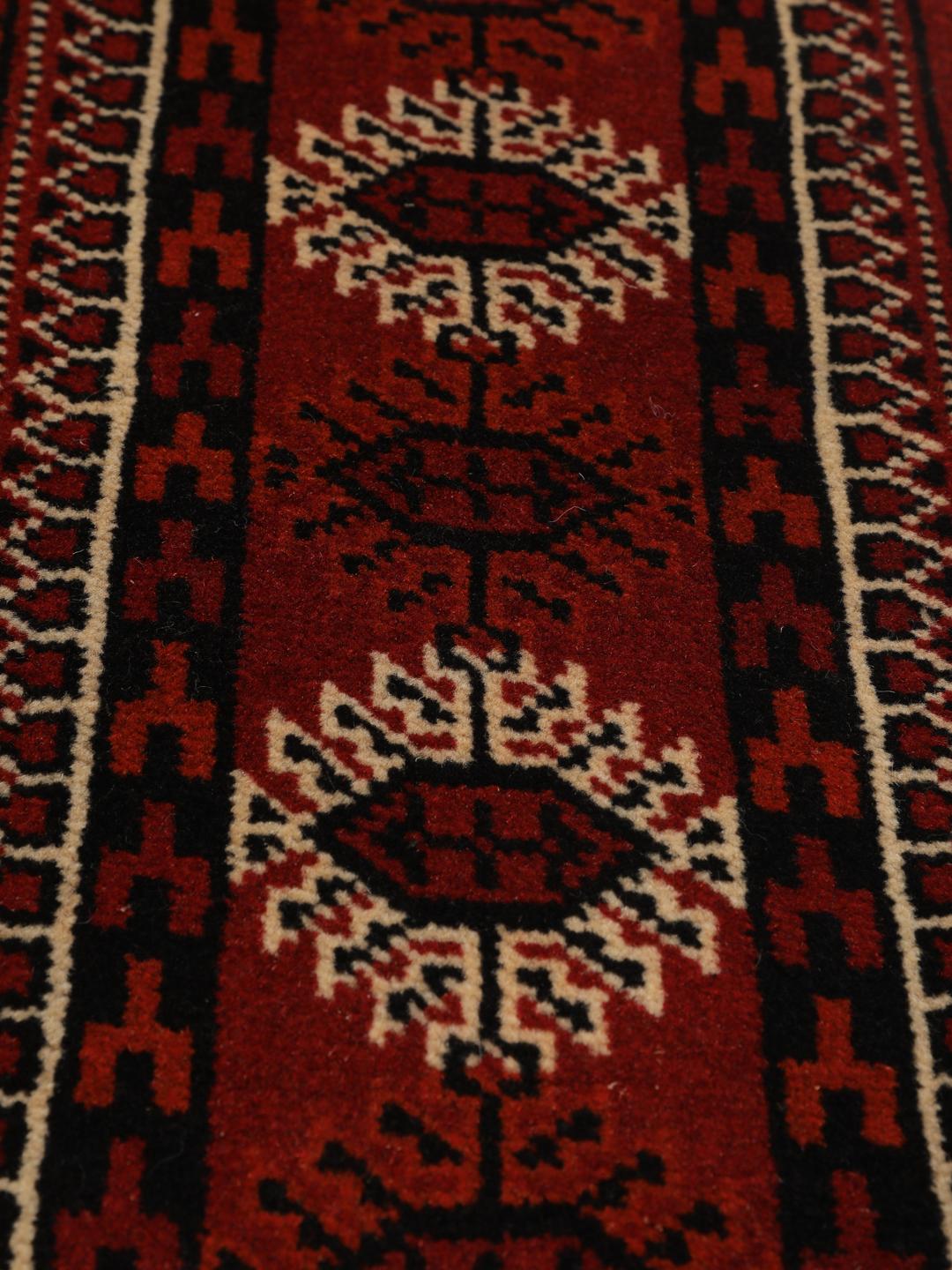
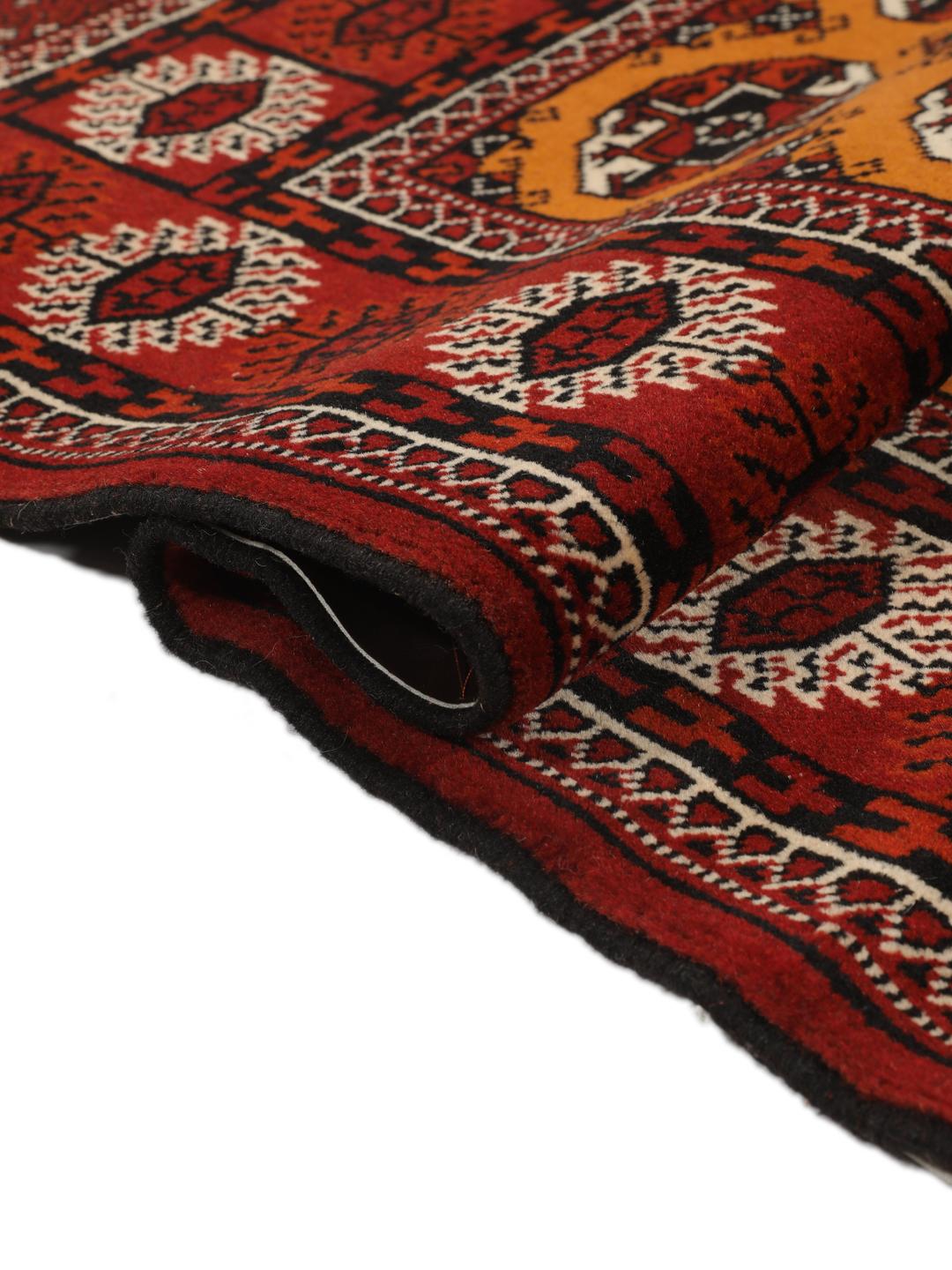
The Turkaman rug tradition is deeply rooted in the nomadic history of the Middle Eastern steppes. Historically, these rugs were crafted by tribal groups who integrated their cultural identity into the very weave of their textiles, using patterns and colour palettes that were passed down through generations.
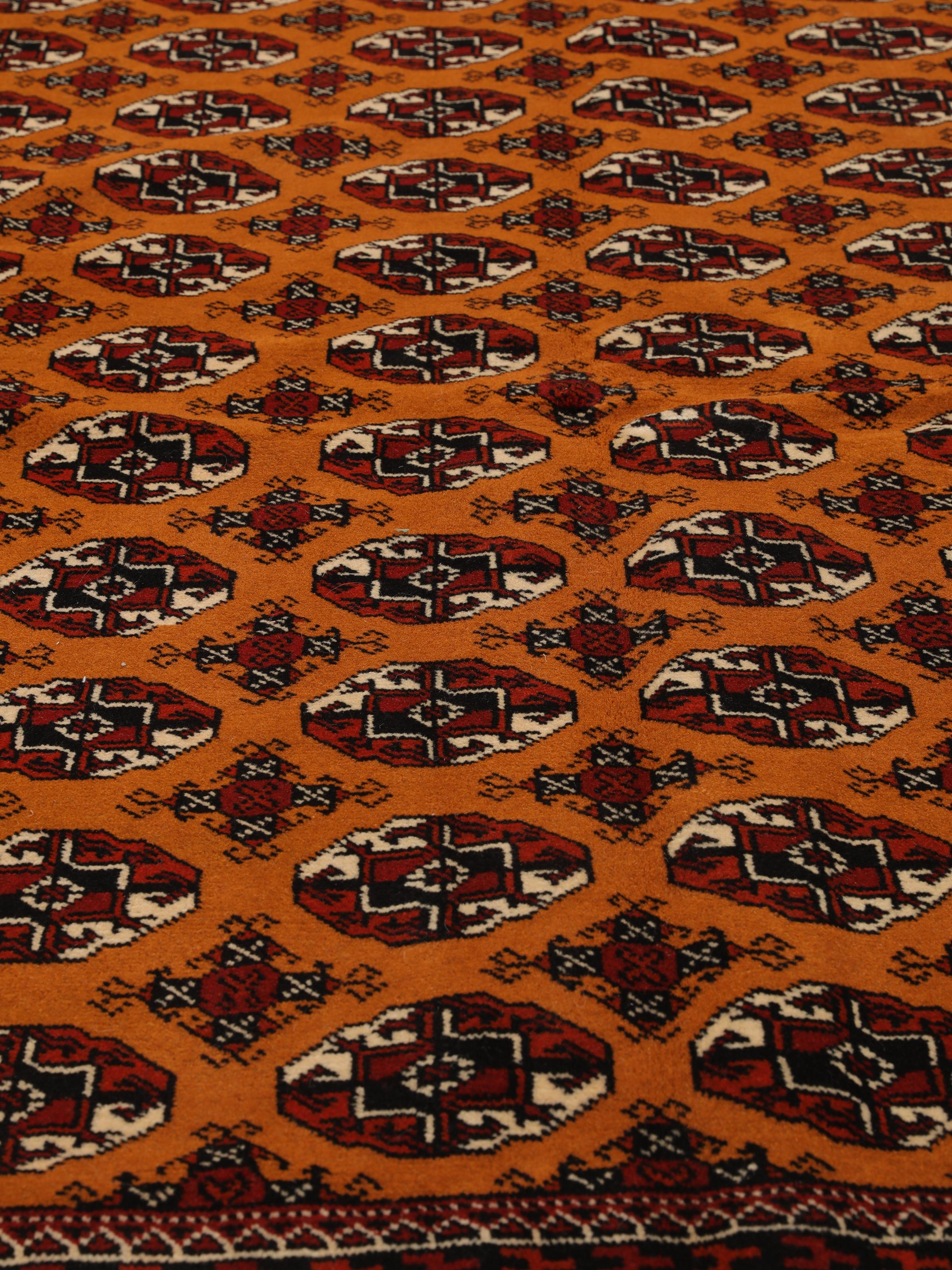
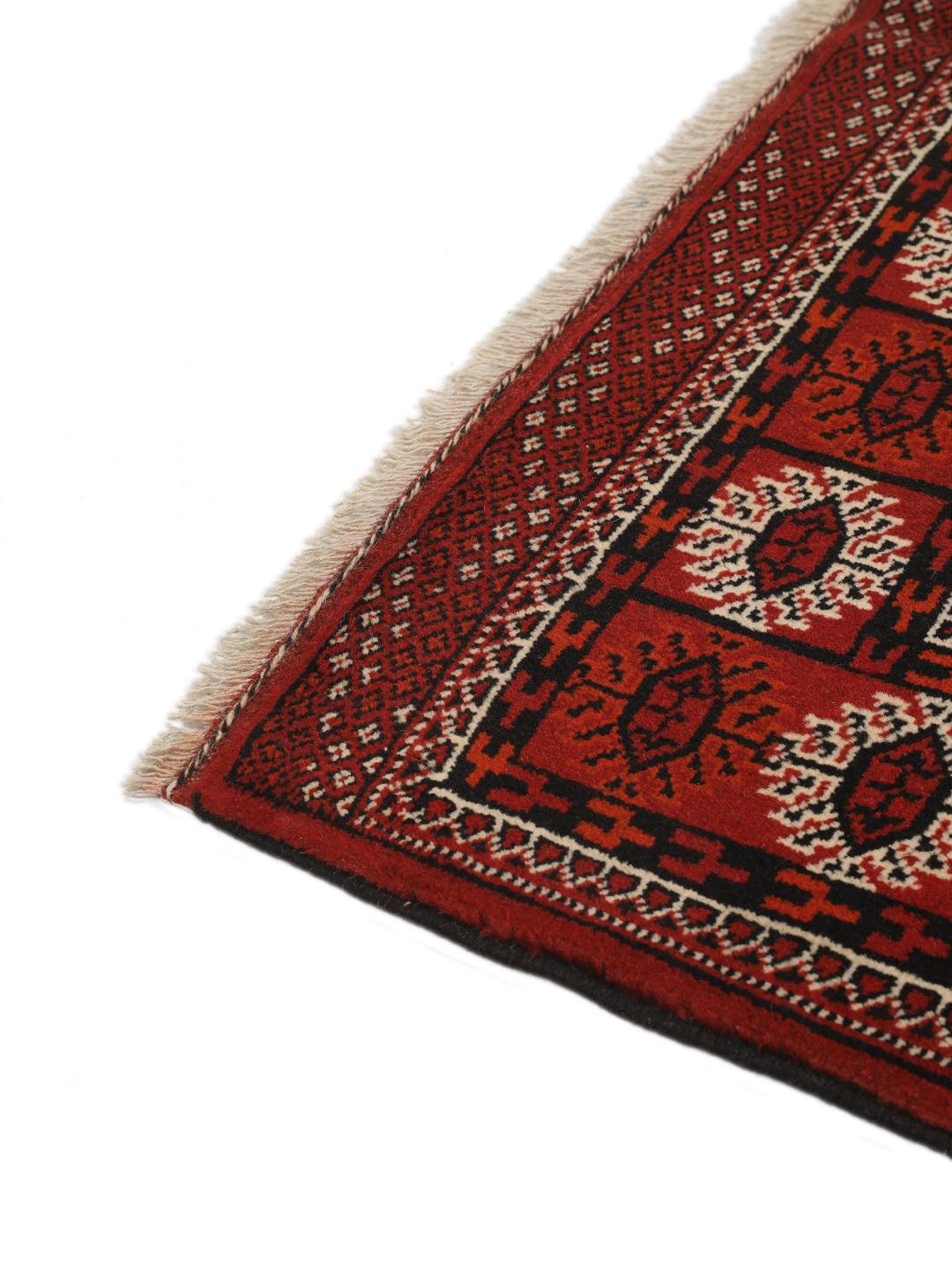
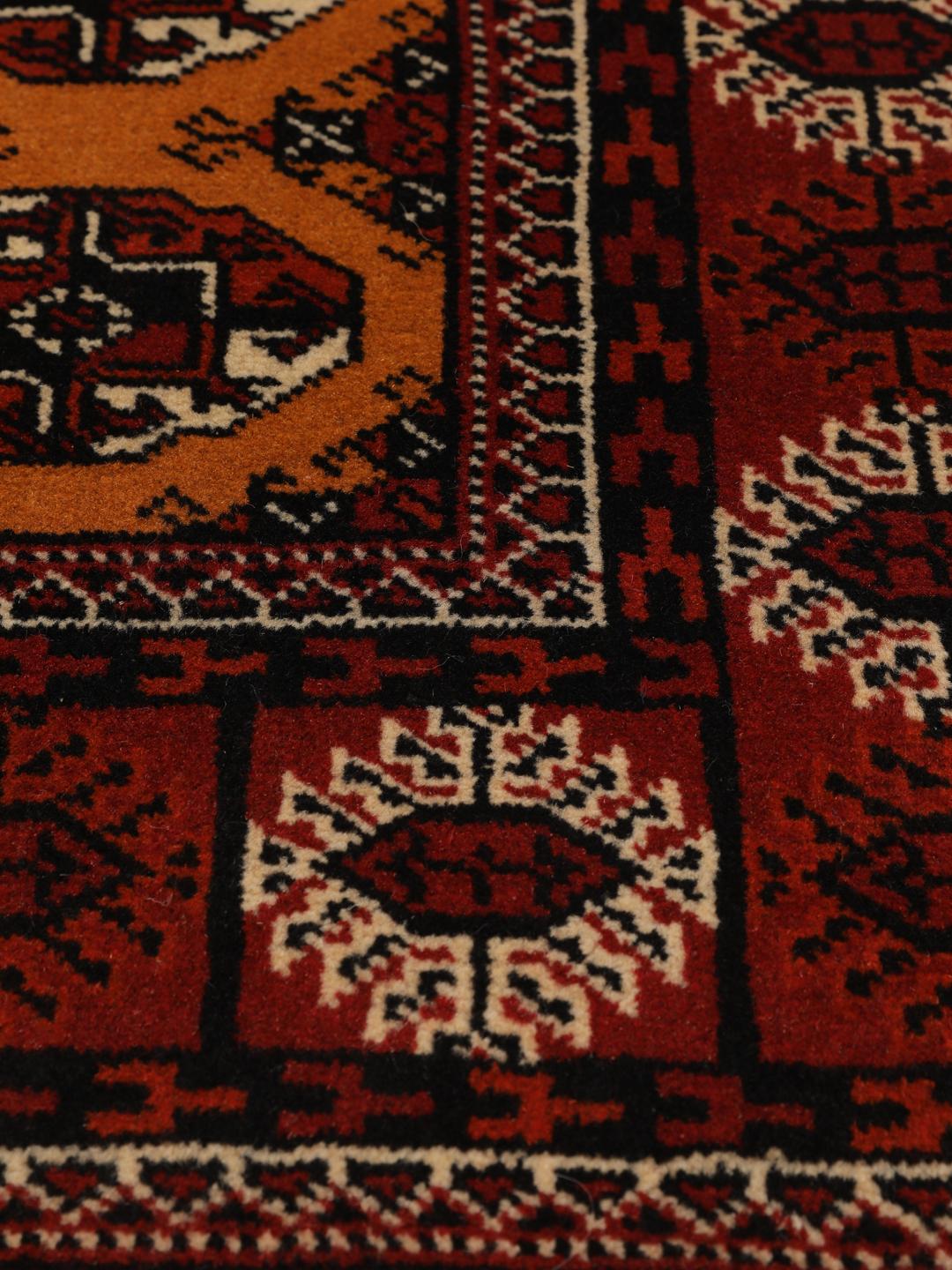
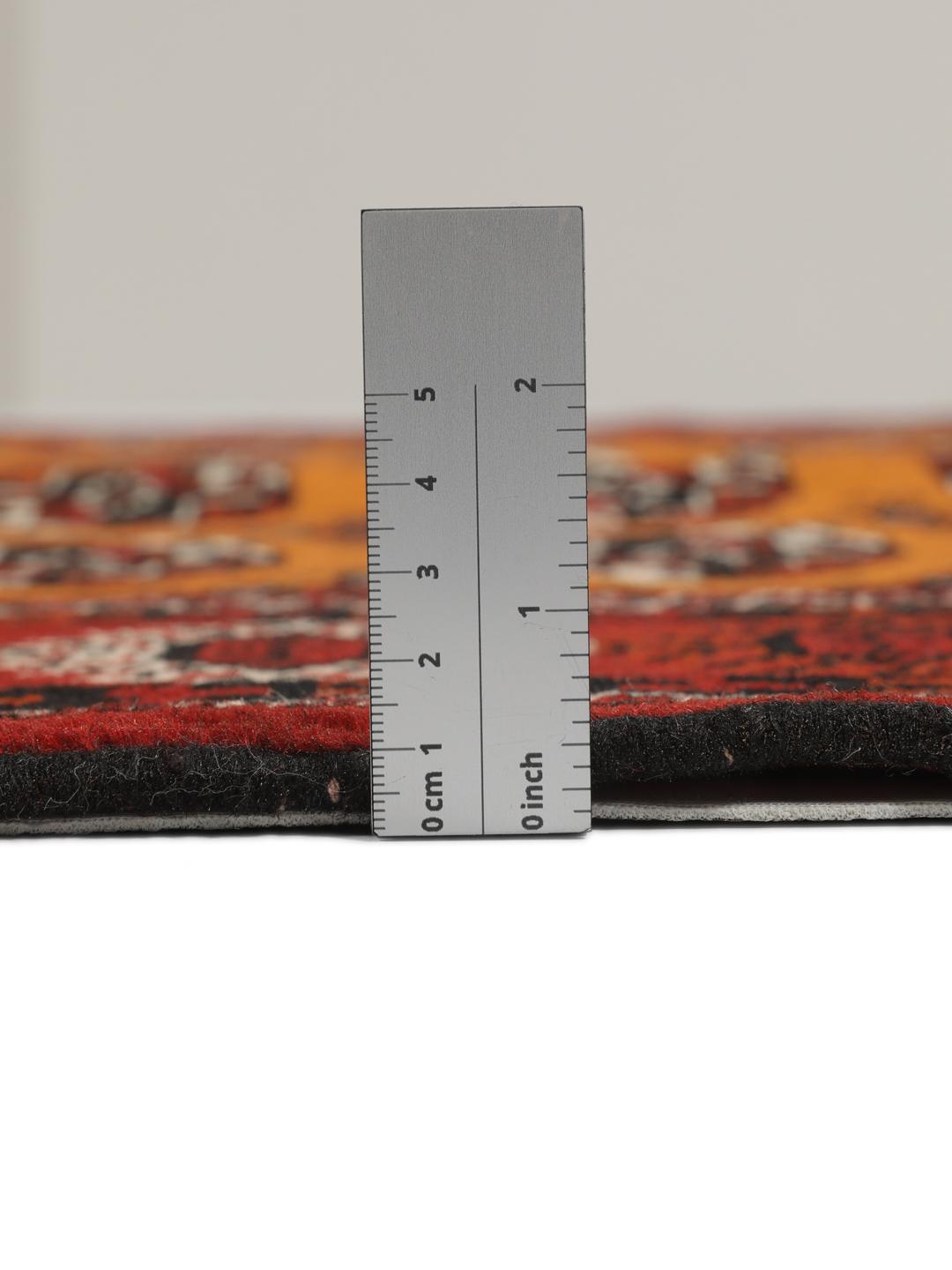
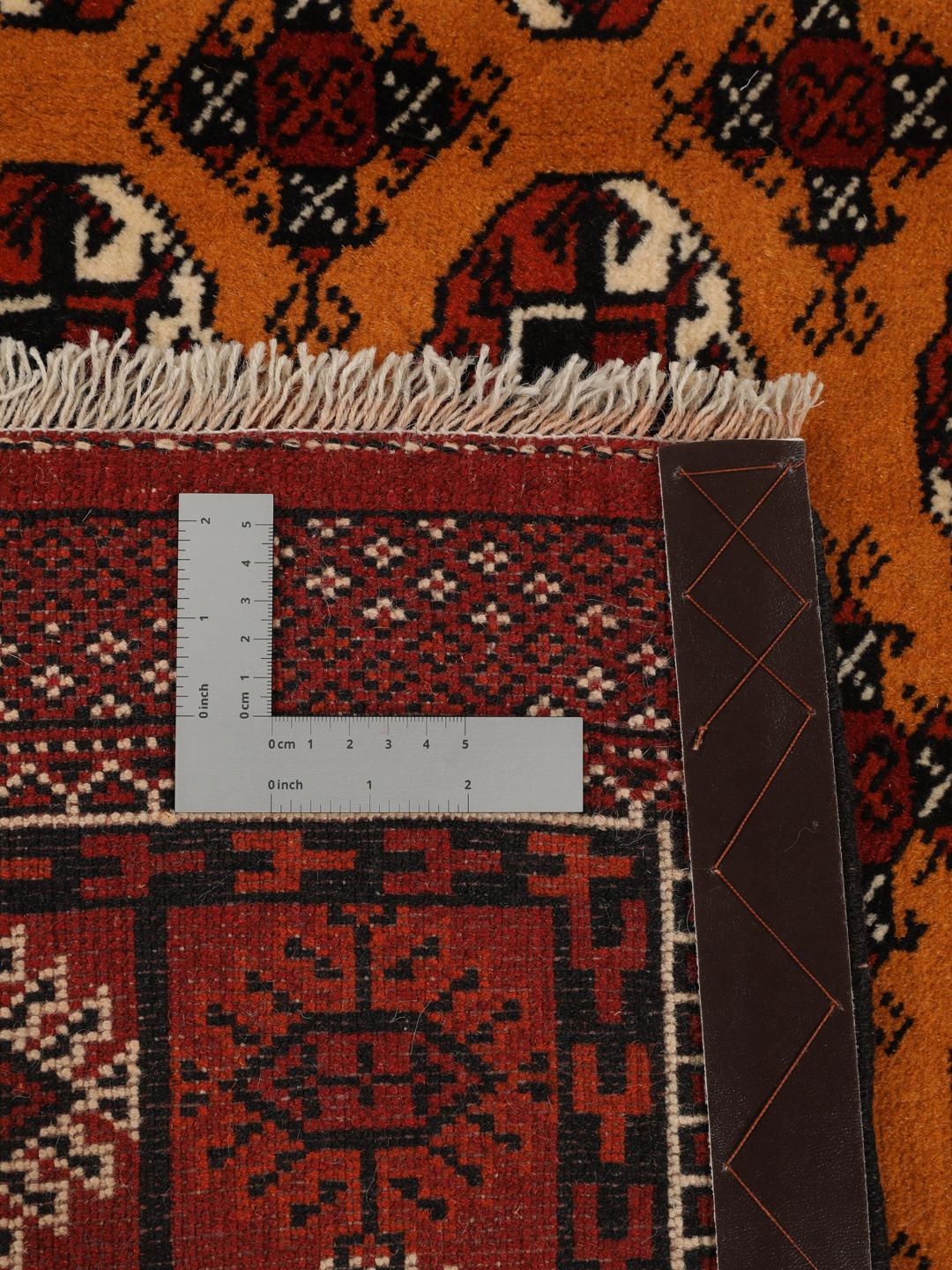
The term Turkaman refers to the specific style of weaving that emphasises structural integrity and geometric precision. These rugs are known for their dense, resilient pile, which is achieved through a meticulous knotting process that ensures the rug can withstand the rigours of daily use while maintaining its lustrous appearance.
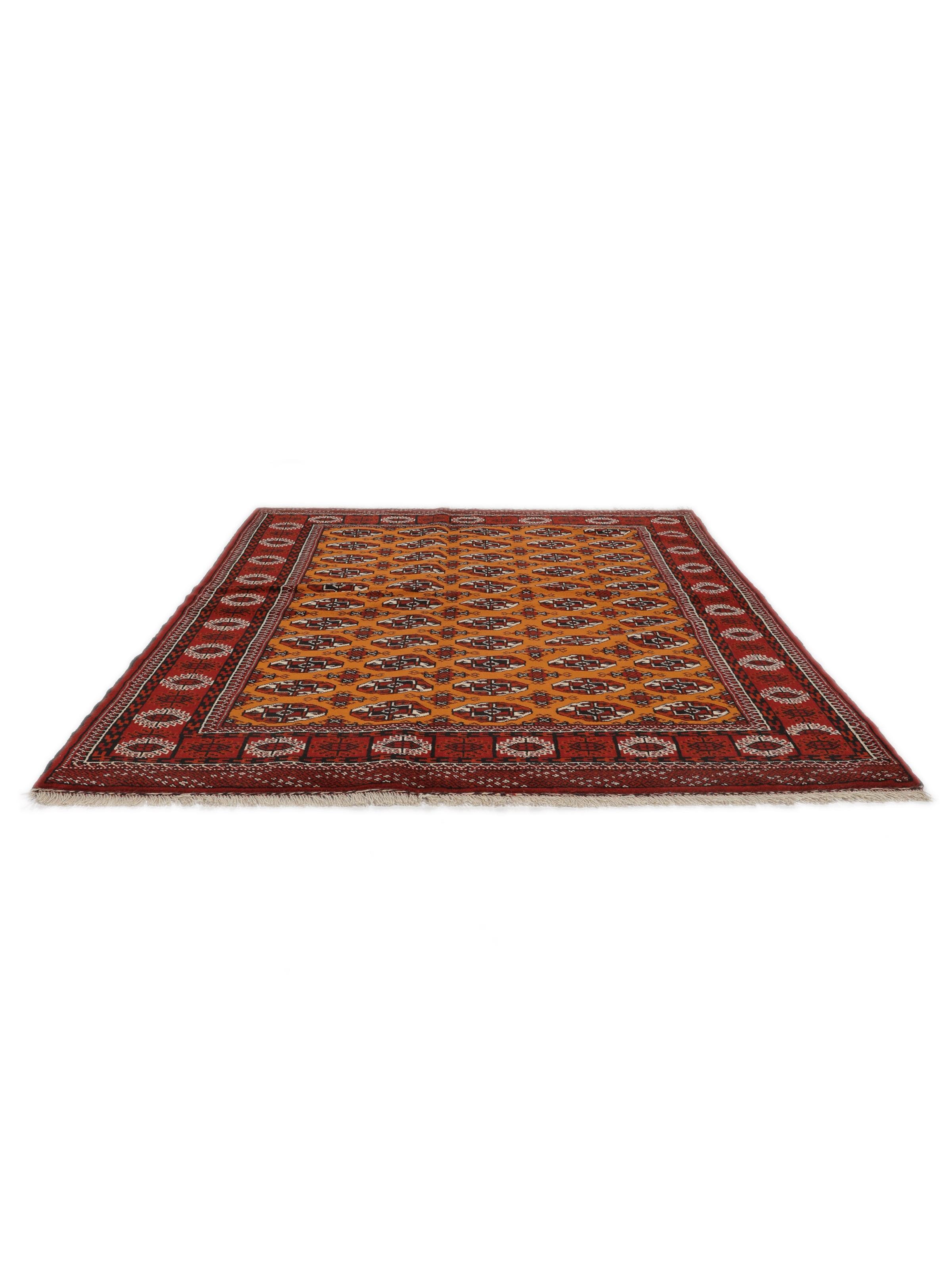
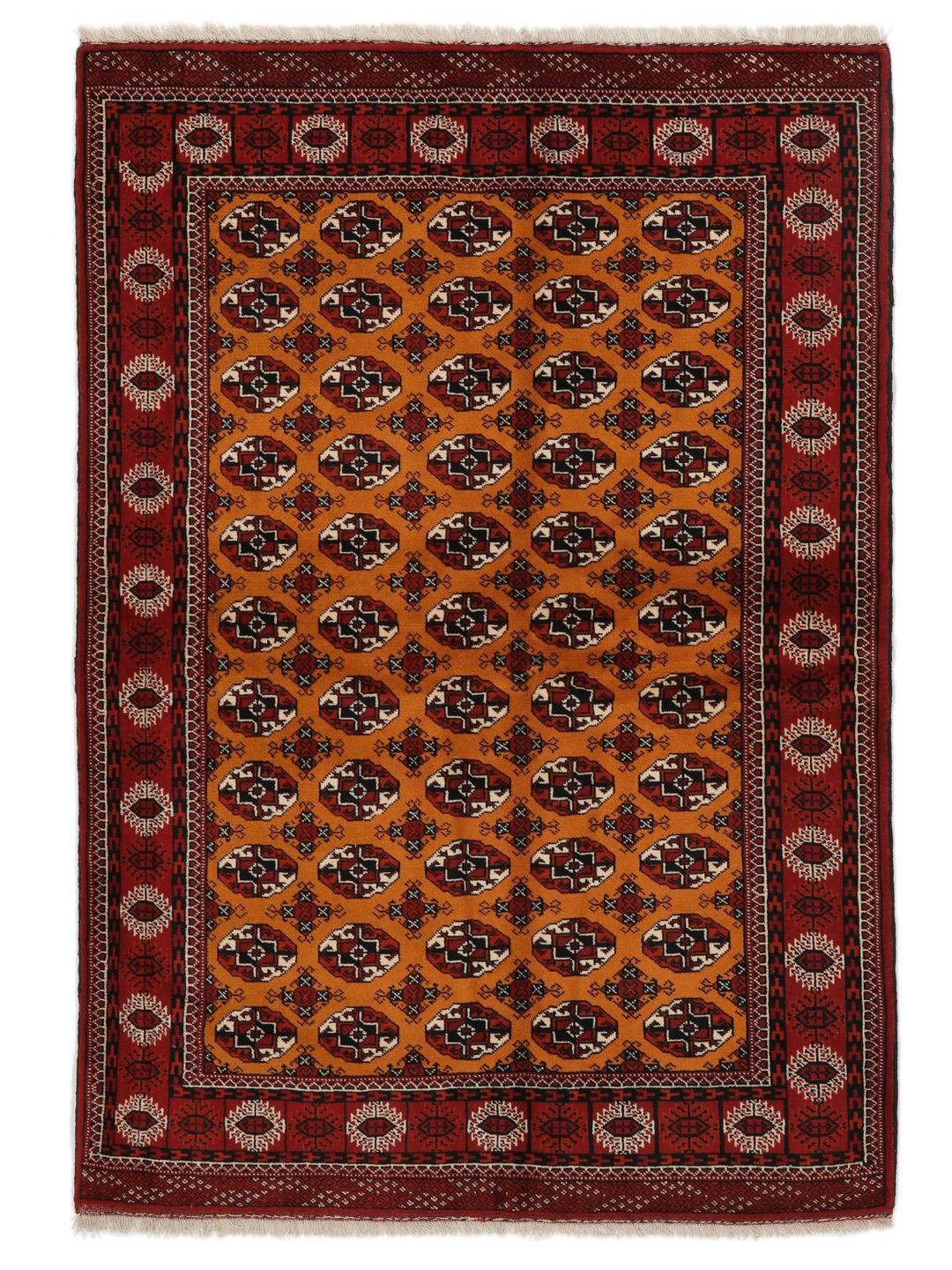
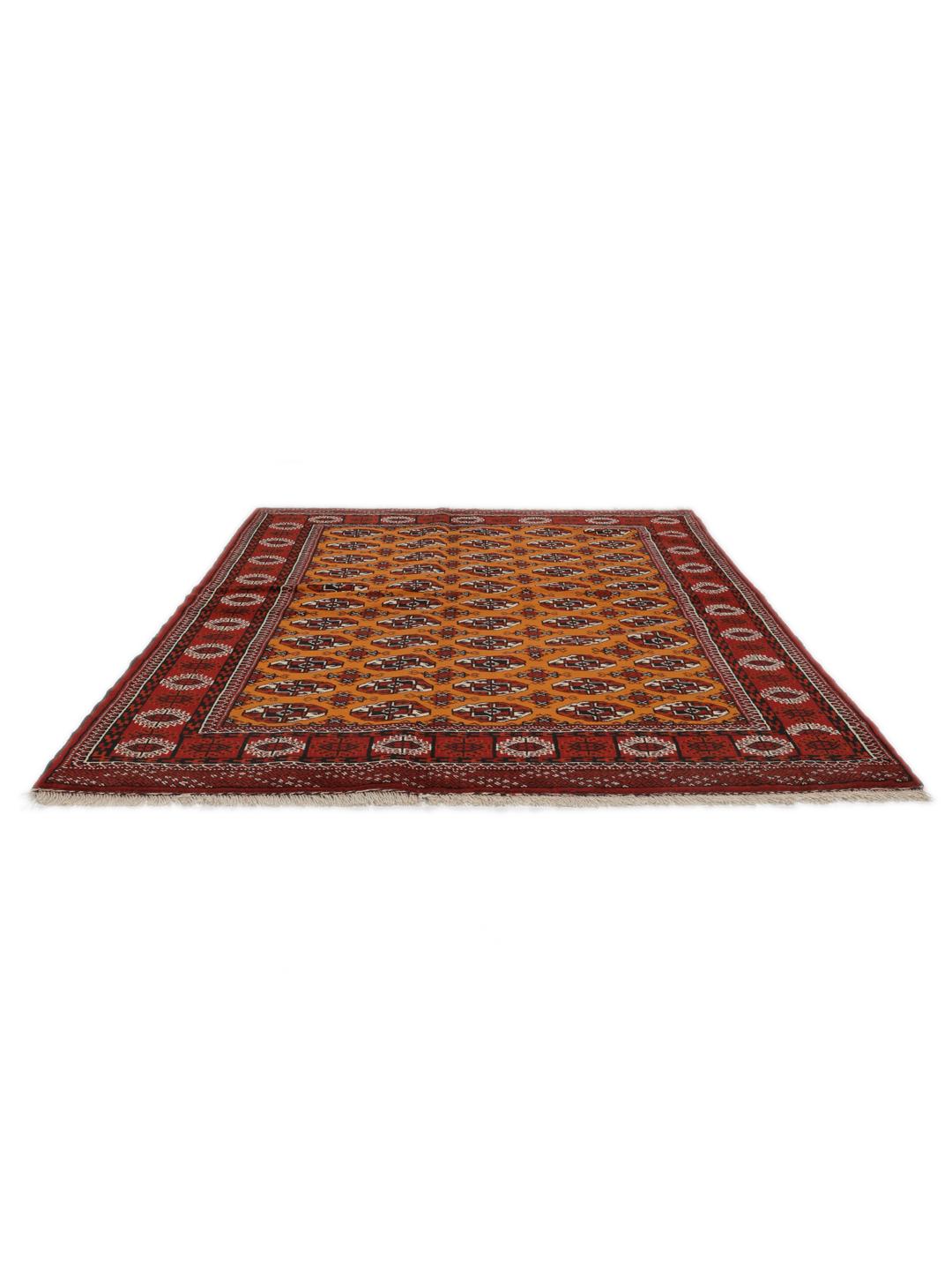
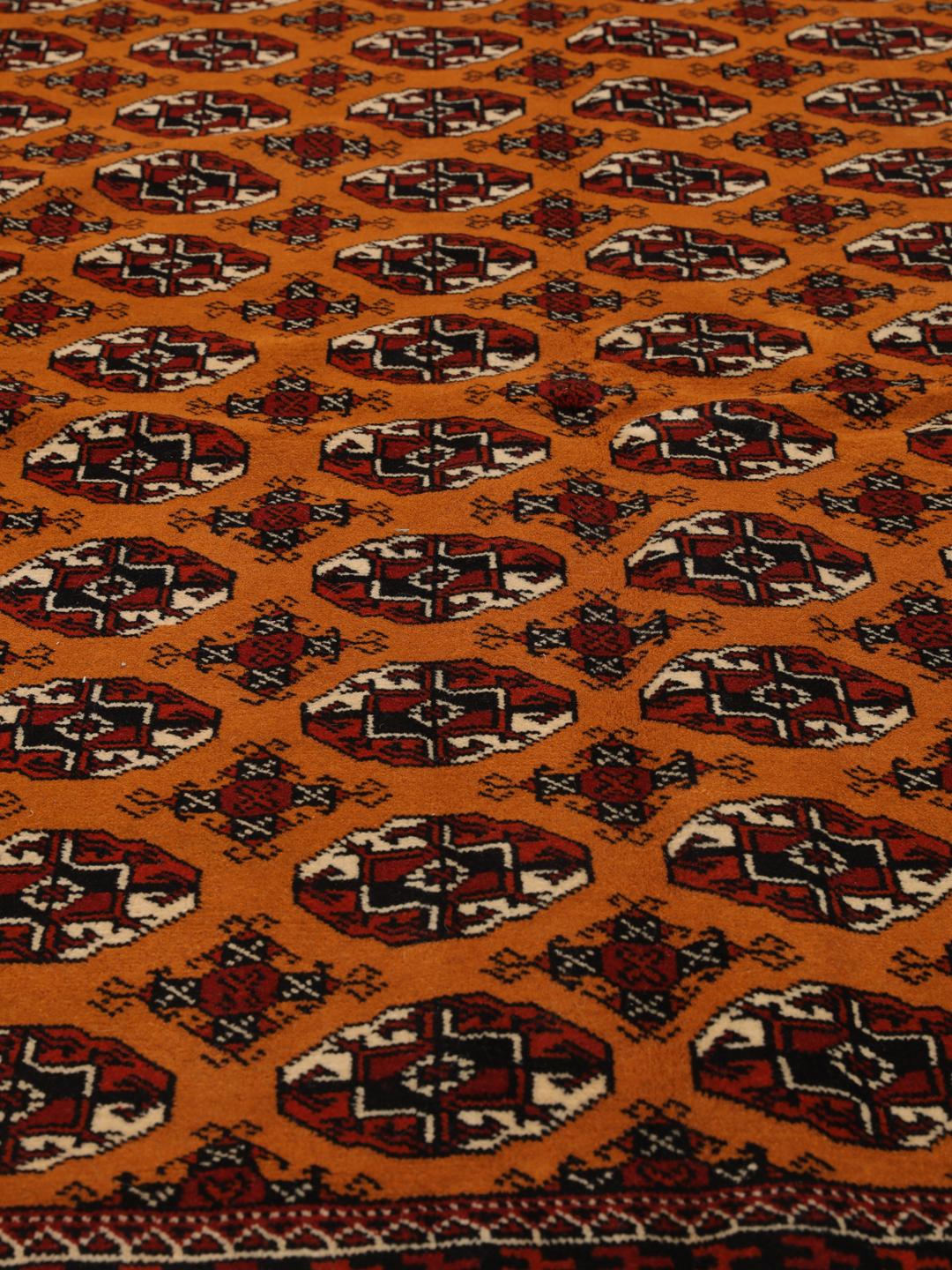
The signature design element of the Turkaman tradition is the gul, a repeating octagonal or medallion motif that symbolises heritage and tribal belonging. While red is the most traditional field colour, variations like this amber example showcase the creative range of the weavers, who often adapted their colour choices based on available natural dyes and regional influences.
Owning a Turkaman rug is an invitation to connect with a storied tradition of craftsmanship. These pieces are highly valued by collectors and homeowners alike for their authentic cultural weight, skill, and lasting quality, making them more than just floor coverings, but rather lasting investments in heritage.