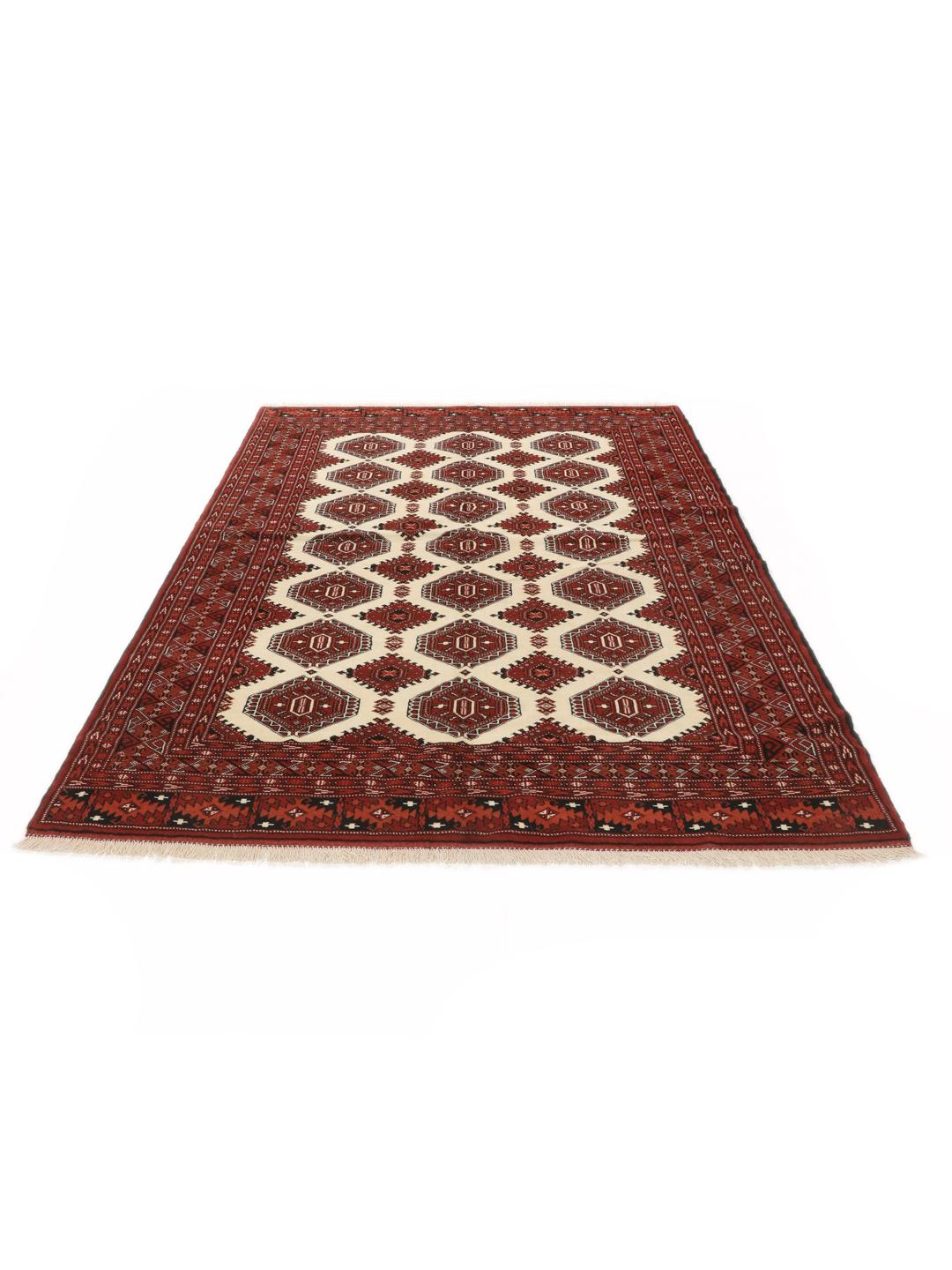
The Turkaman rug tradition originates from the nomadic tribes of Central Asia and the Middle East, where rug weaving was a vital expression of tribal identity and cultural narrative. Over centuries, these traditions evolved as weavers settled, refining their techniques and motifs while preserving the core aesthetic of their ancestors. Today, these rugs are celebrated for their ability to bridge the gap between ancient nomadic art and the needs of a modern home.
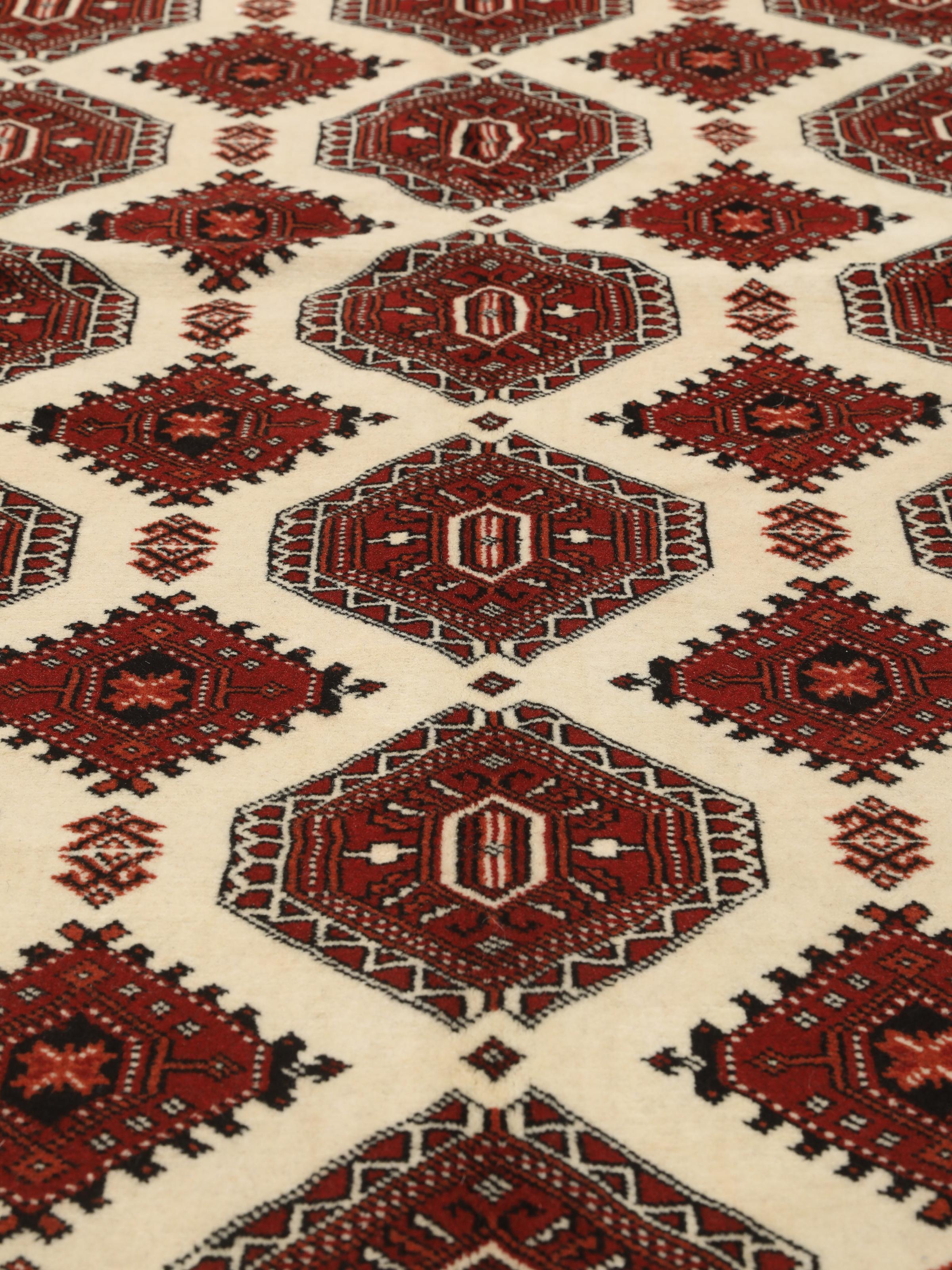
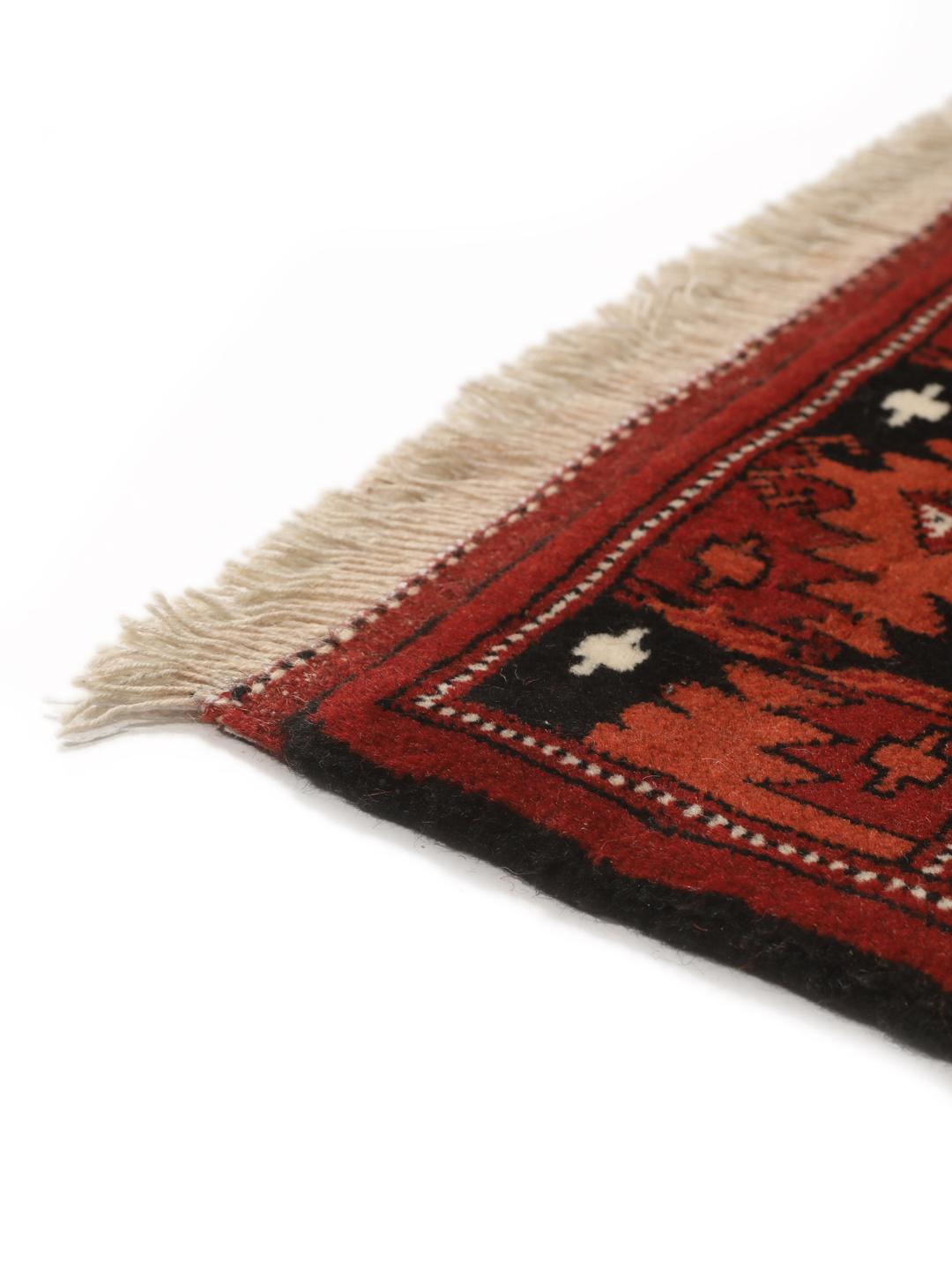
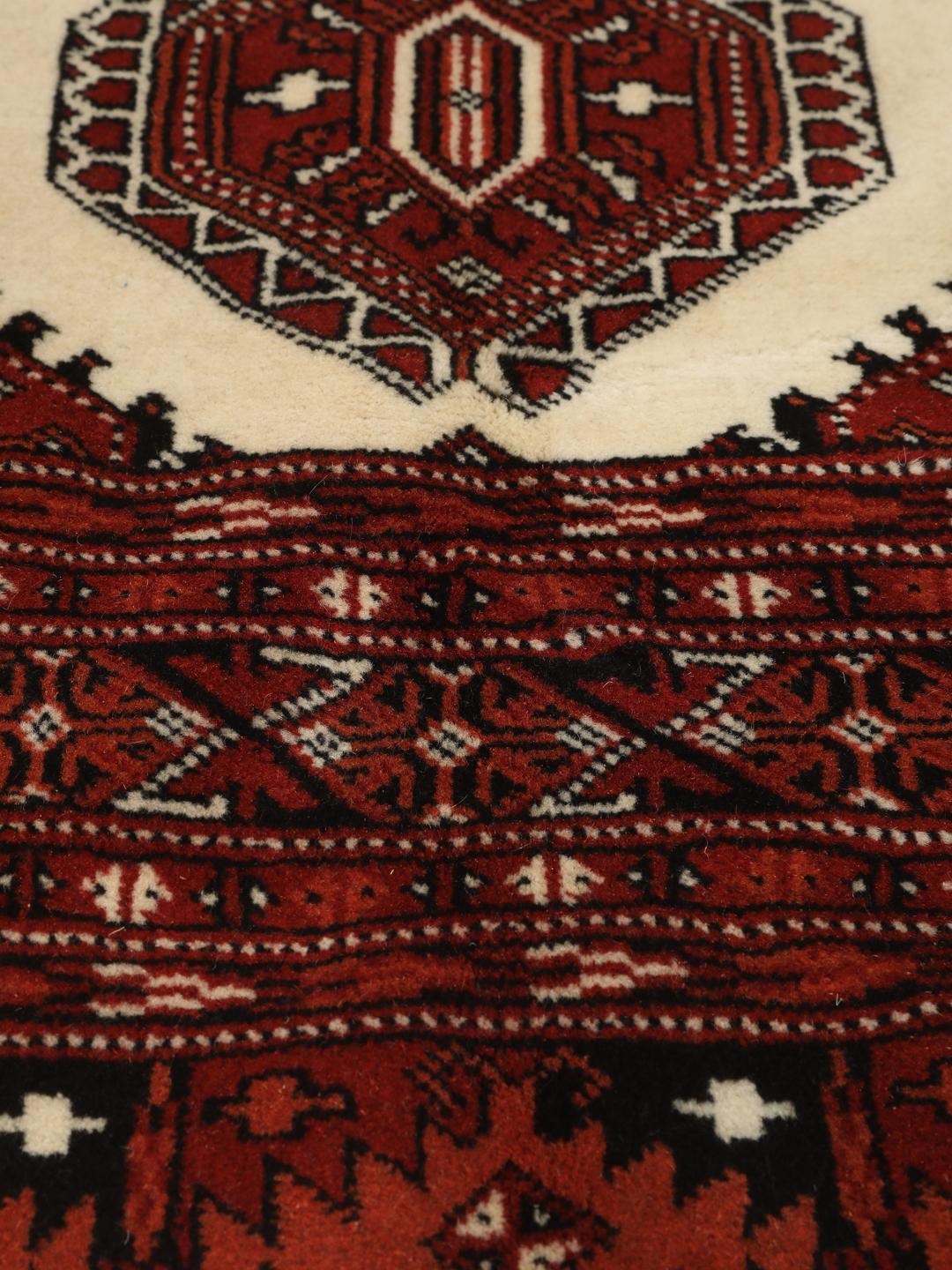
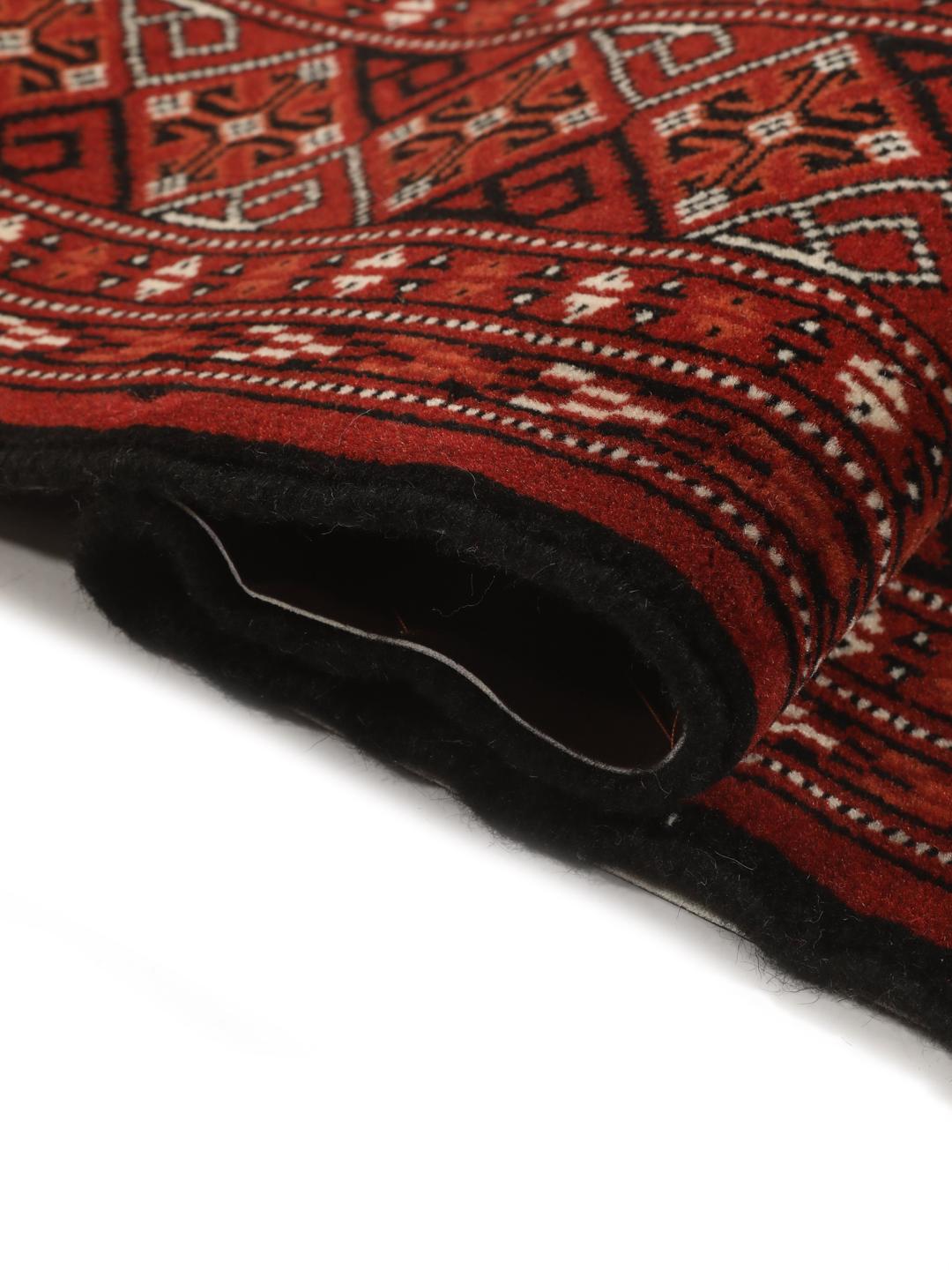
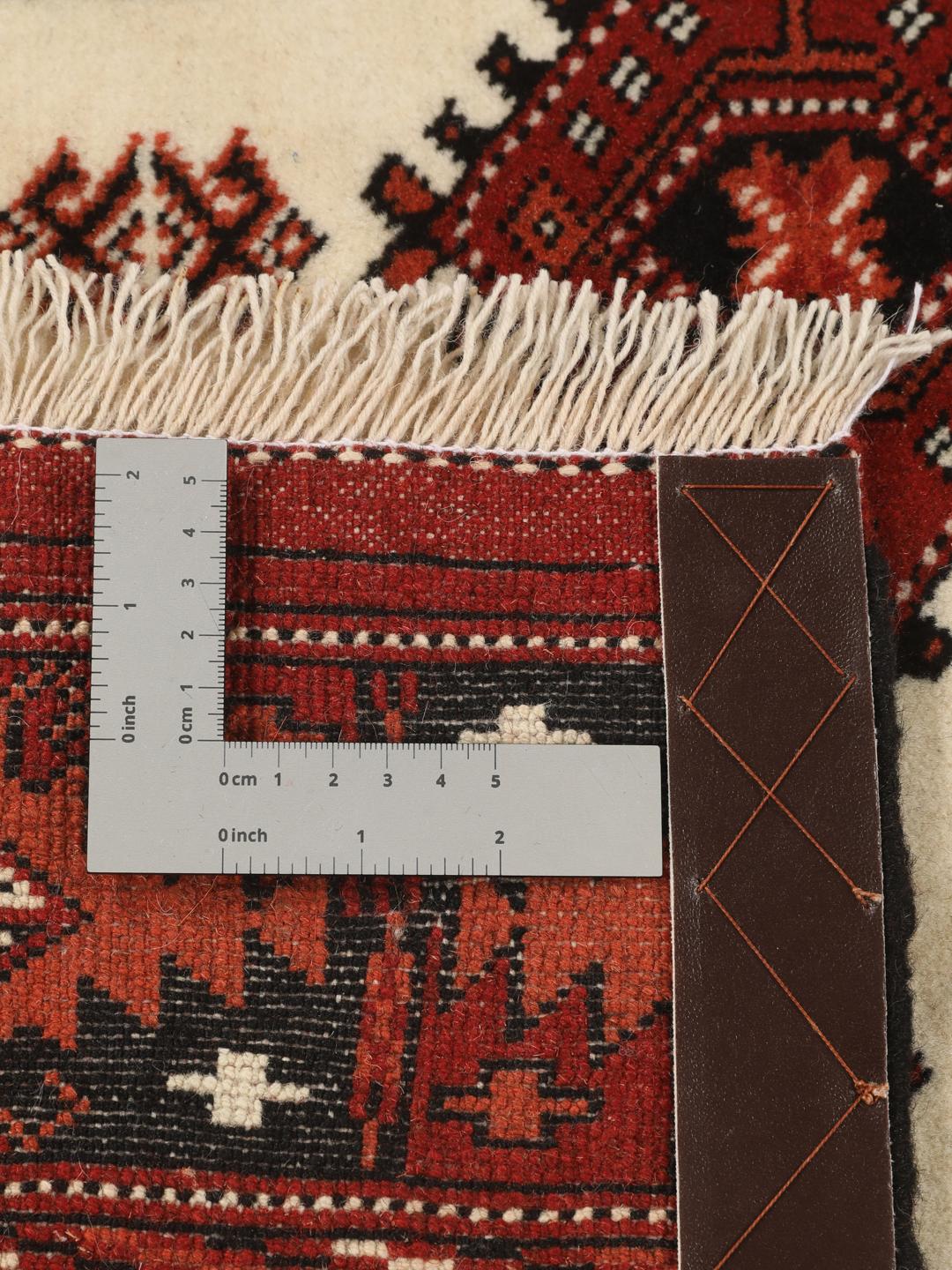
The term 'hand-knotted' refers to the traditional method where each individual knot is tied by hand onto the foundation. This creates a dense, durable, and highly detailed surface that is far superior in longevity to any machine-made alternative. The consistency of these knots is what gives the rug its structure, allowing for complex geometric patterns that remain crisp even after years of use.
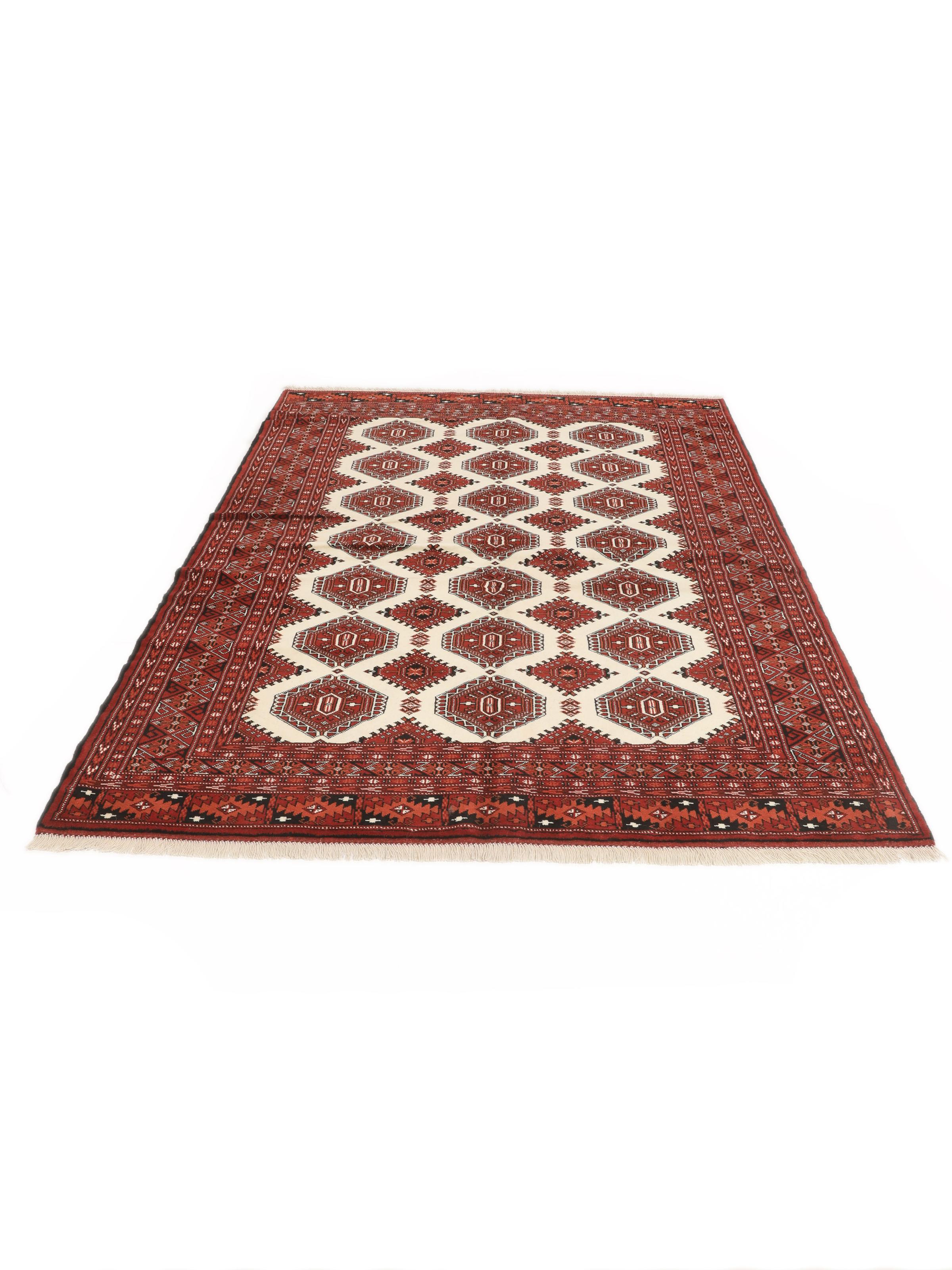
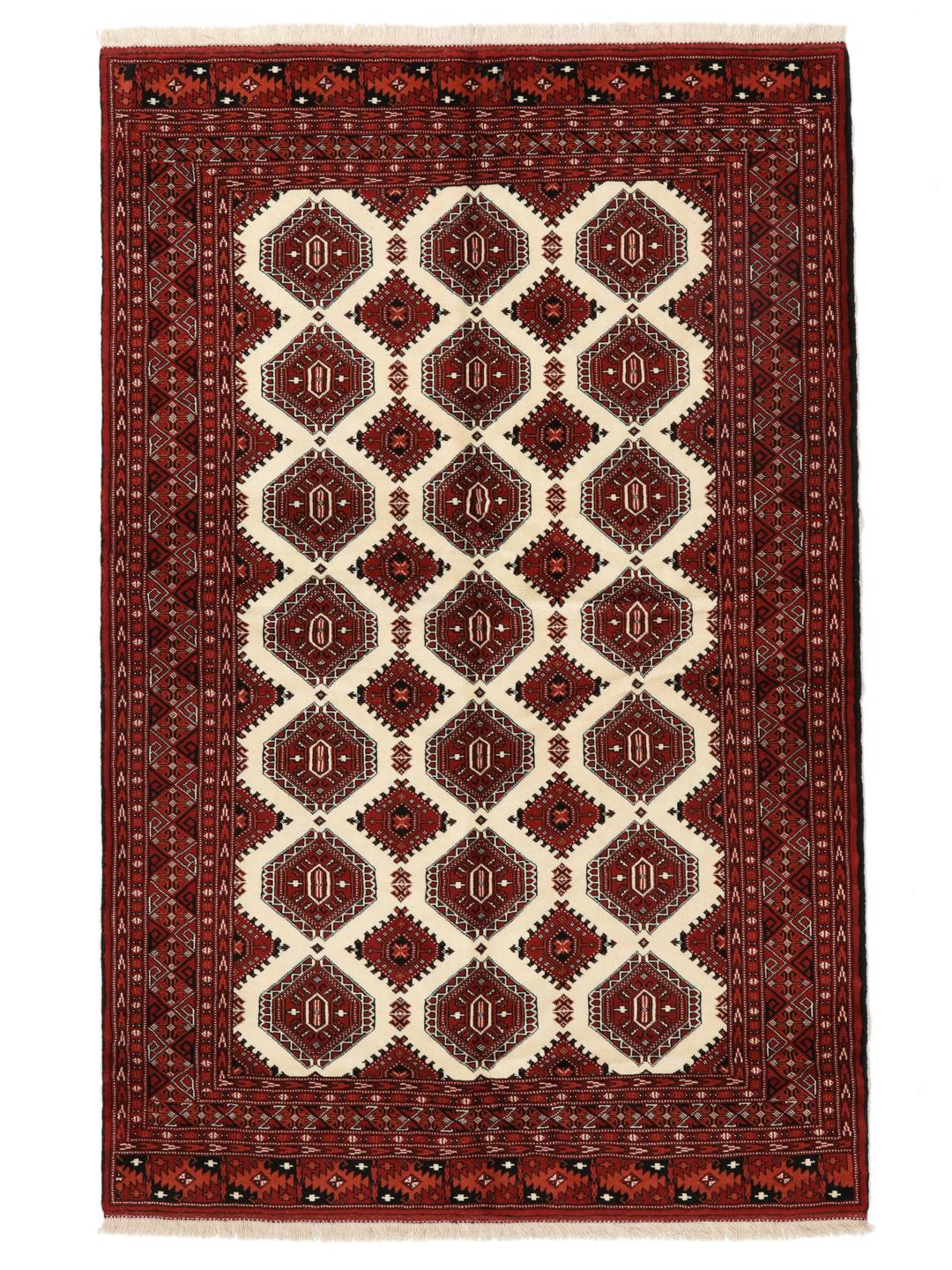
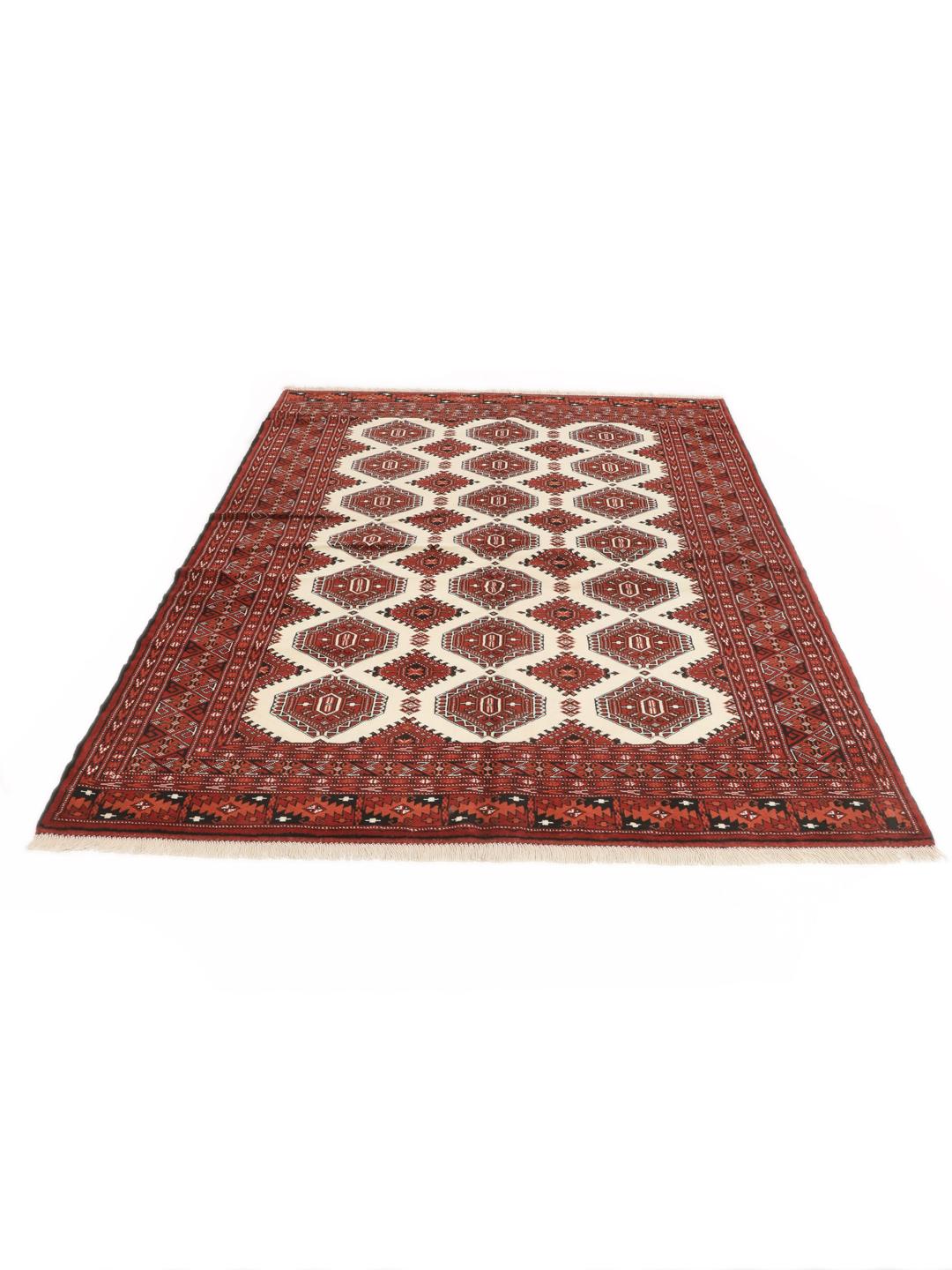
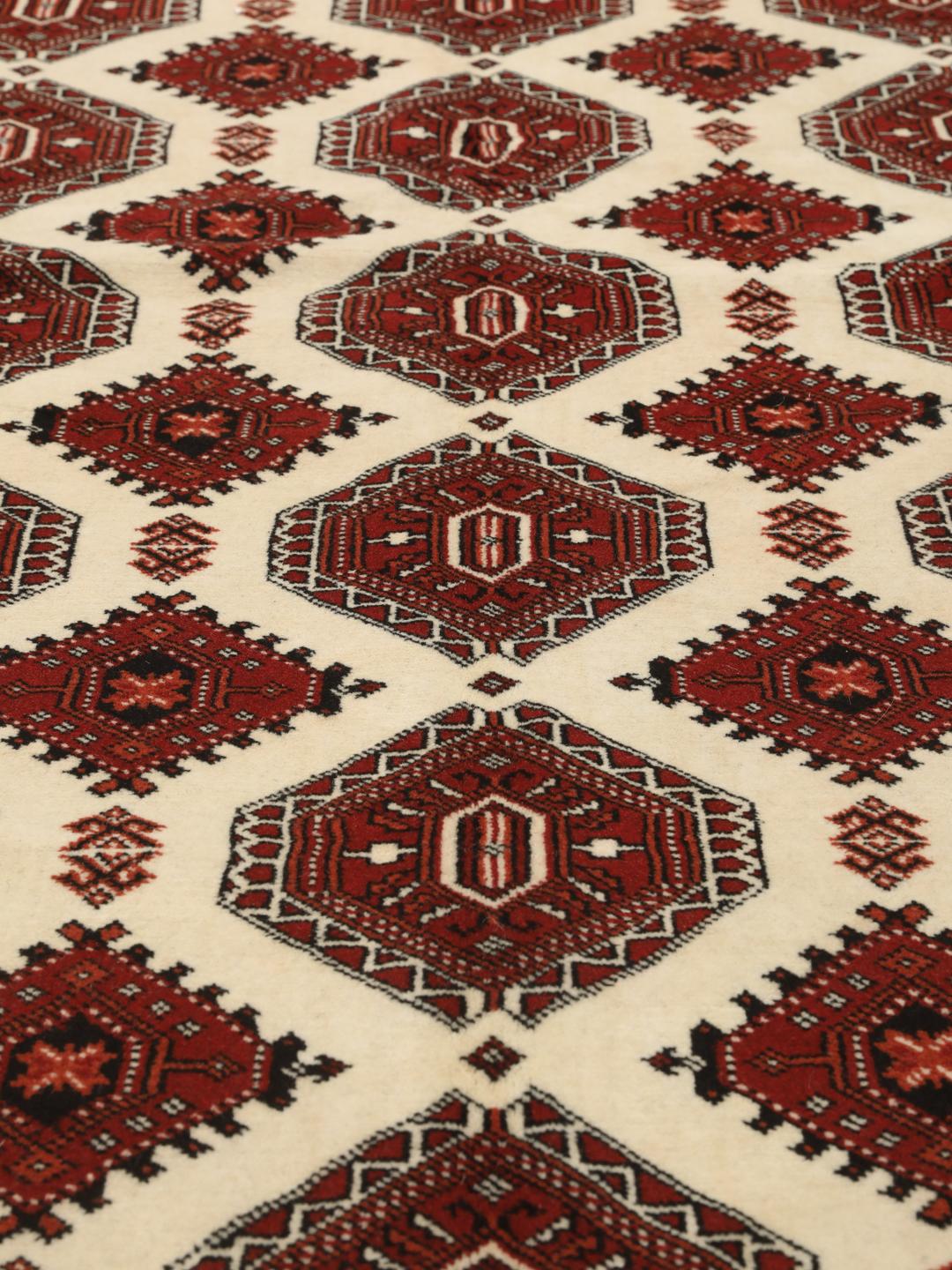
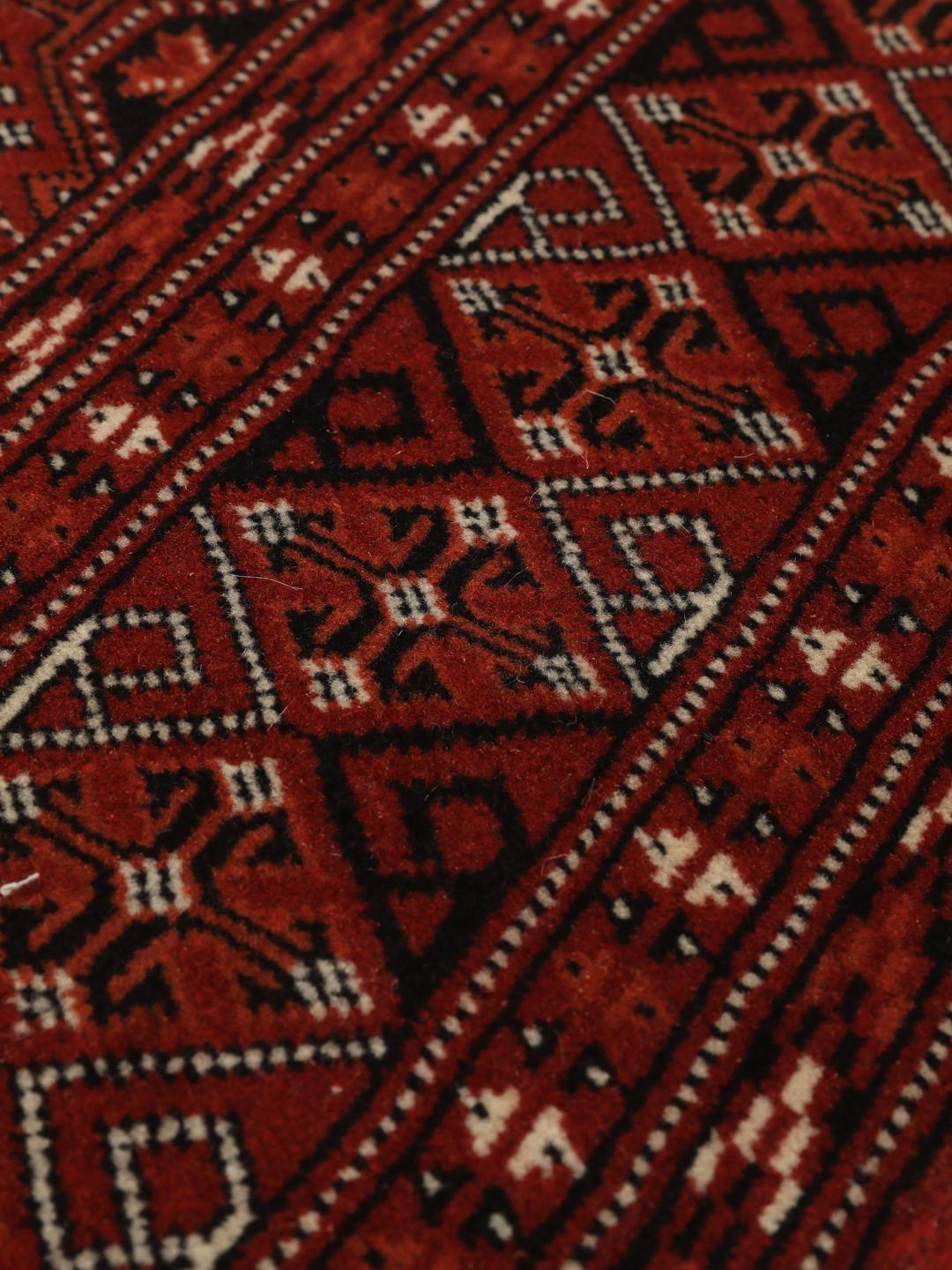
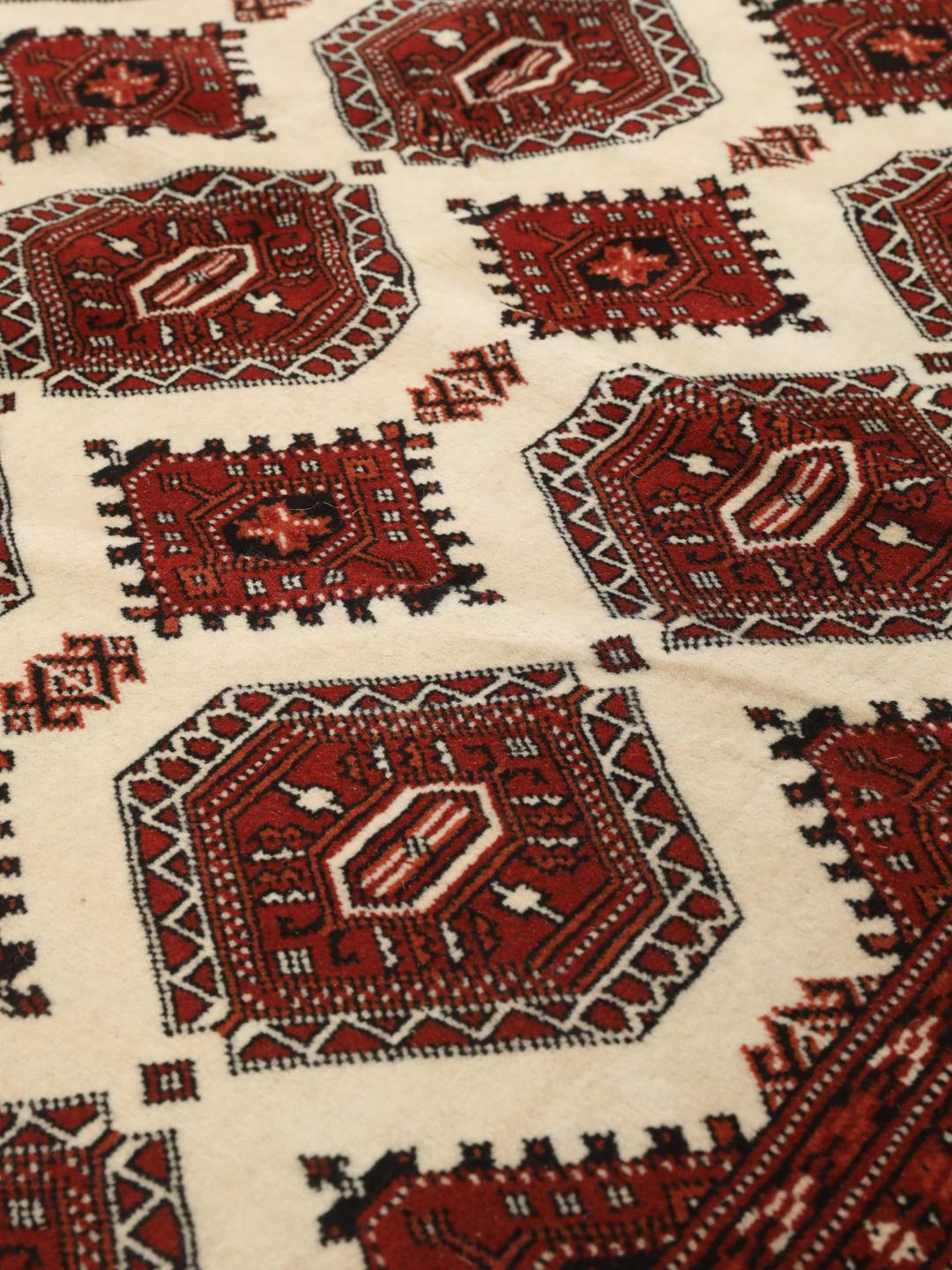
Signature to the Turkaman style is the use of rich, deep red fields punctuated by repeating geometric motifs, often known as guls. These medallions, which resemble octagonal or diamond shapes, are arranged in orderly rows and enclosed by complex, multi-layered borders. This specific piece displays these classic elements with remarkable clarity, showcasing a traditional design language that has been admired by collectors for generations.
Owning a piece from this tradition is an act of preserving cultural history. These rugs are highly valued not only for their aesthetic beauty but also for the incredible skill required to produce them. By bringing a Turkaman rug into your space, you are acquiring a piece that carries the weight of history and the dedication of the hands that created it, ensuring a legacy of quality in your home.