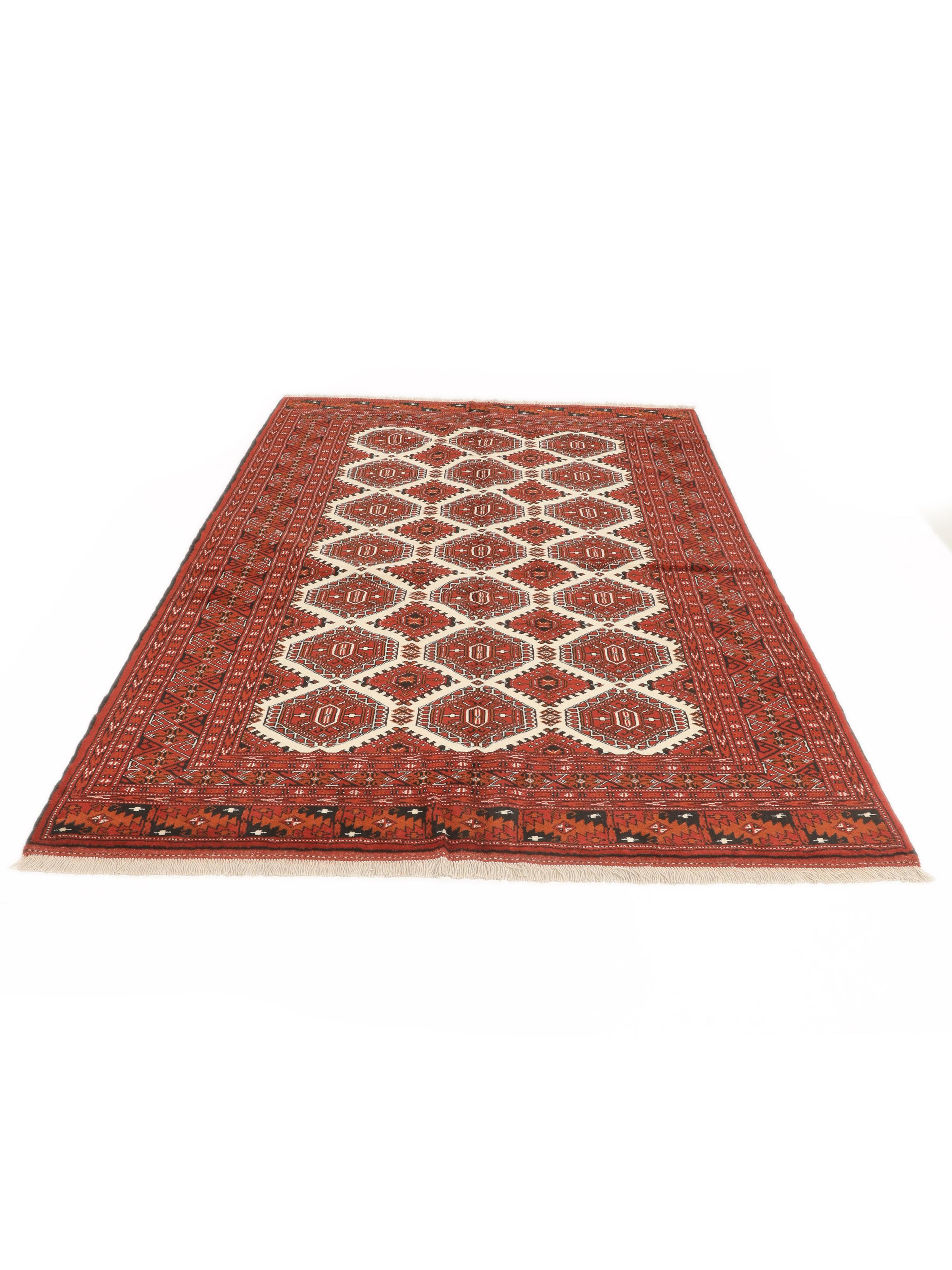
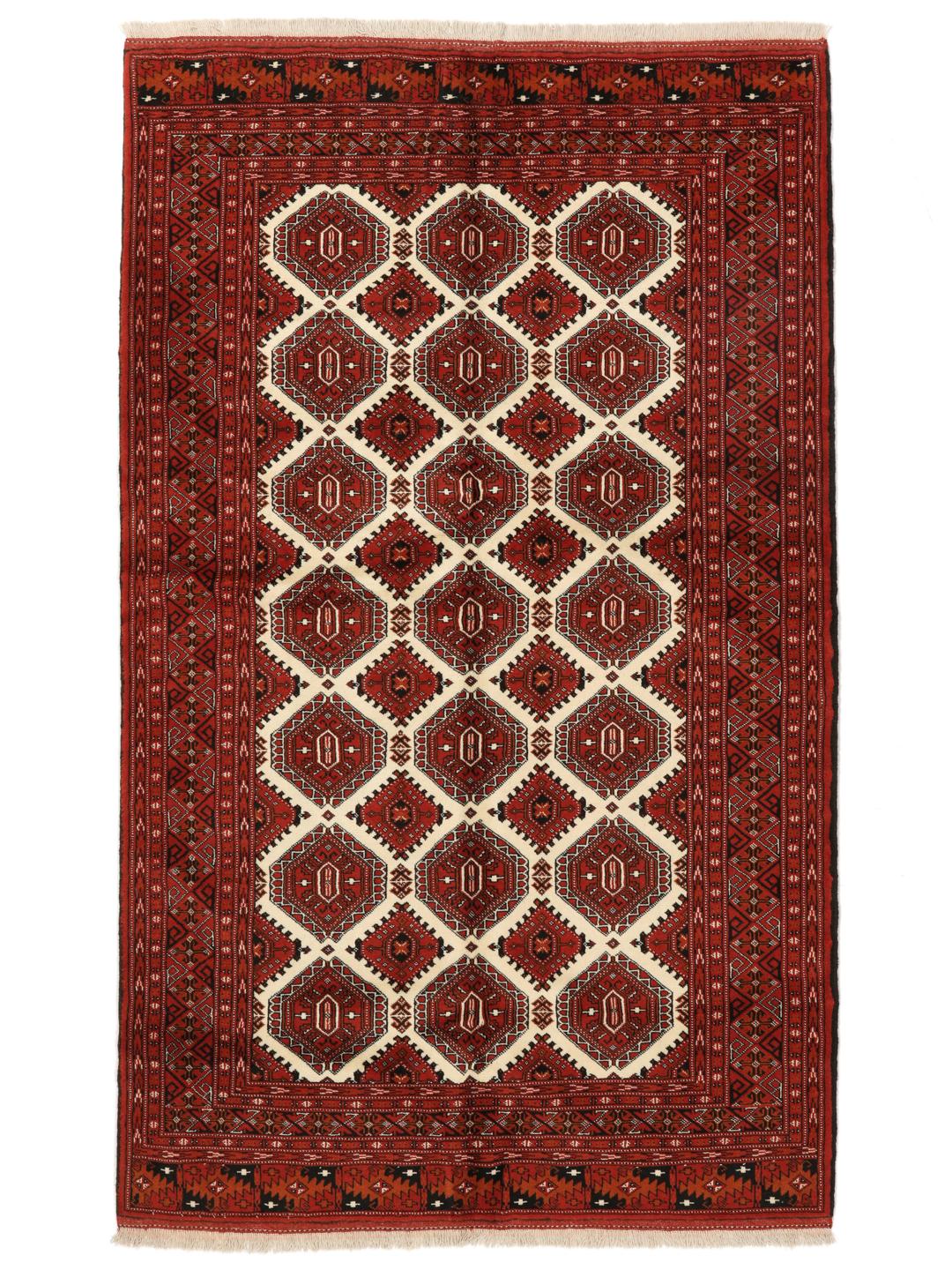
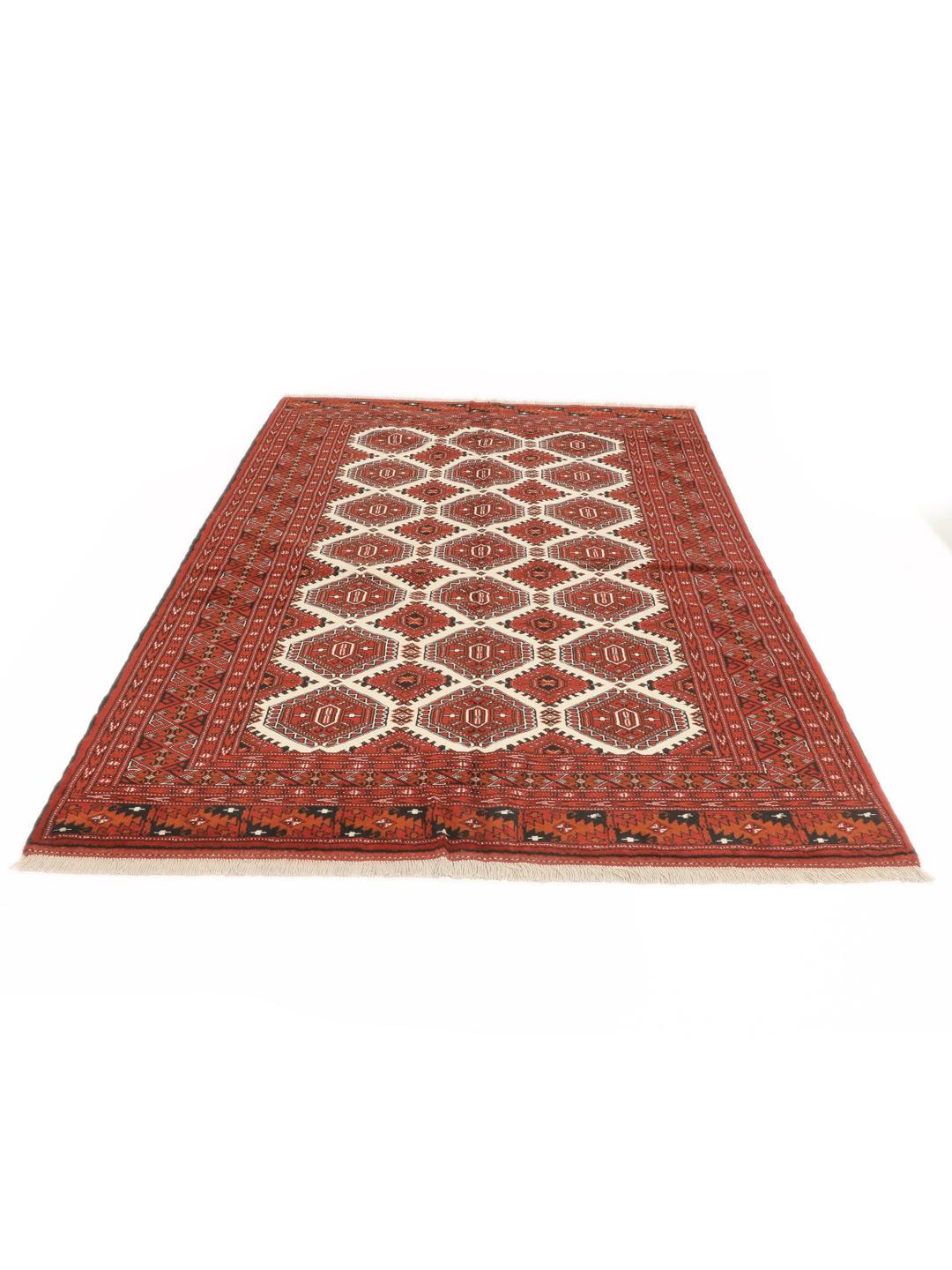
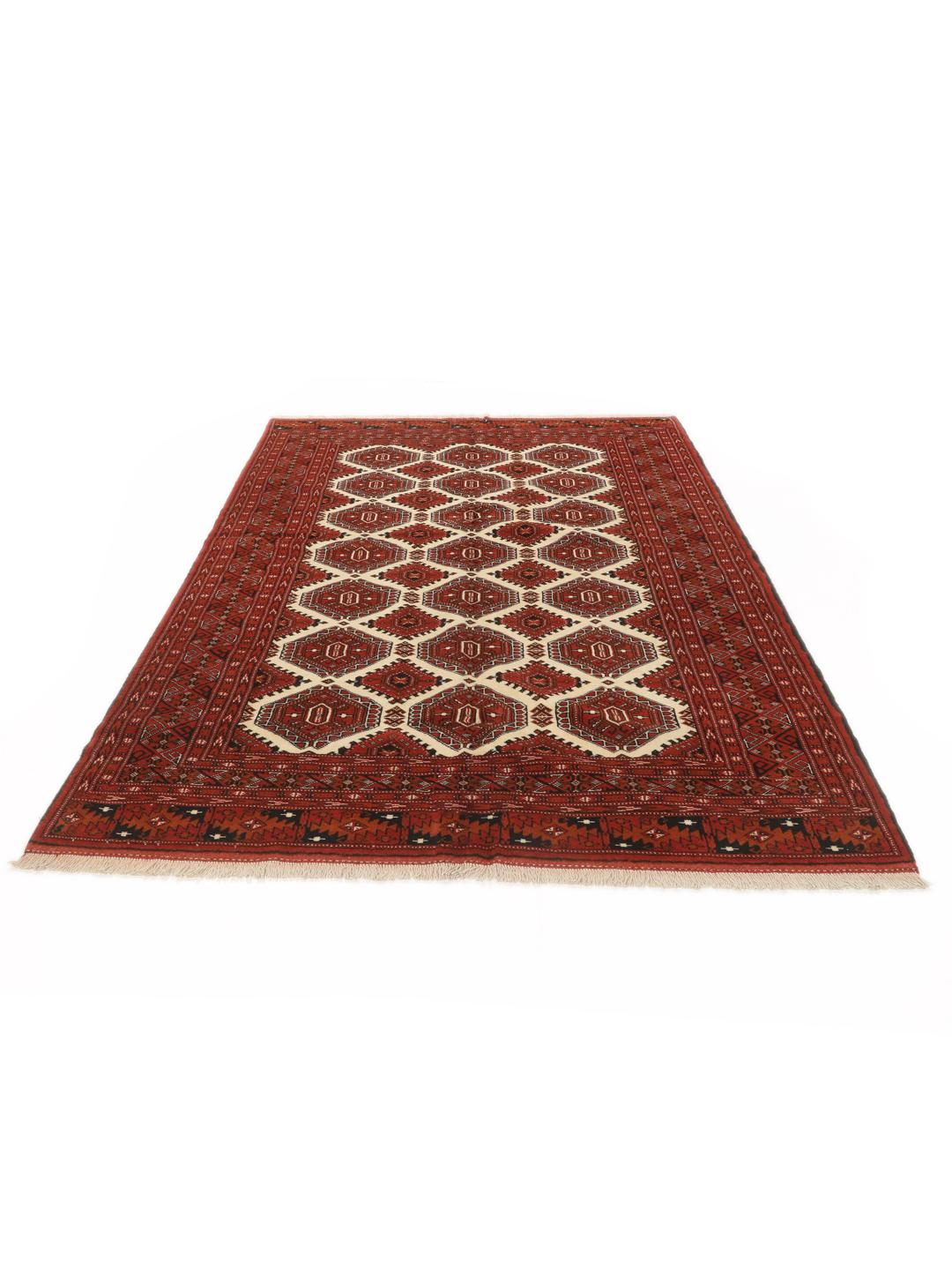
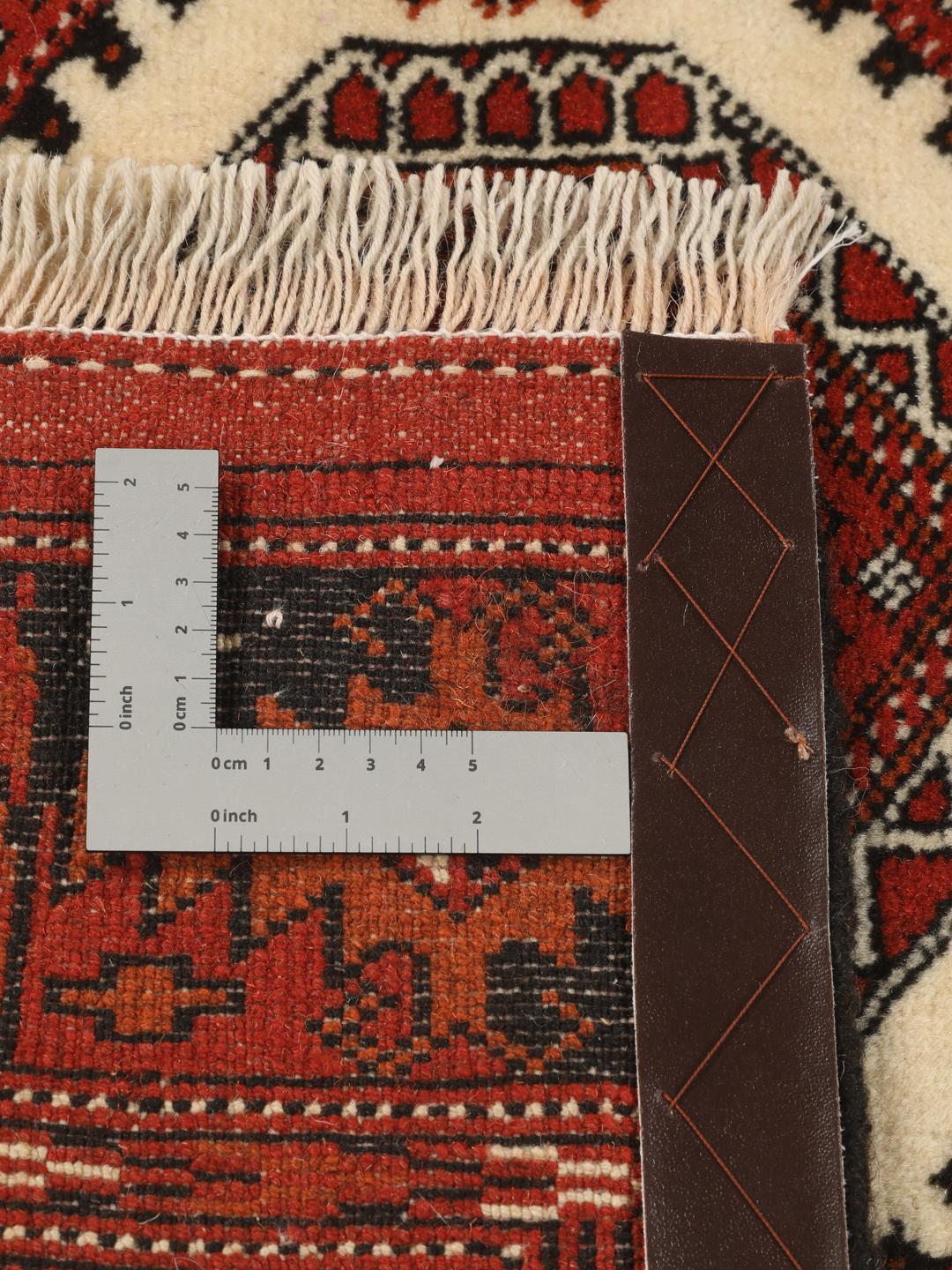
Turkaman rugs originate from the nomadic tribes of Central Asia, a region with a deep-rooted history of weaving that has evolved over centuries. While these designs are deeply tied to the cultural identity of the Turkmen people, the tradition has expanded and flourished across the Middle East, where weavers have refined these patterns into the highly regarded, sophisticated rugs we see today.
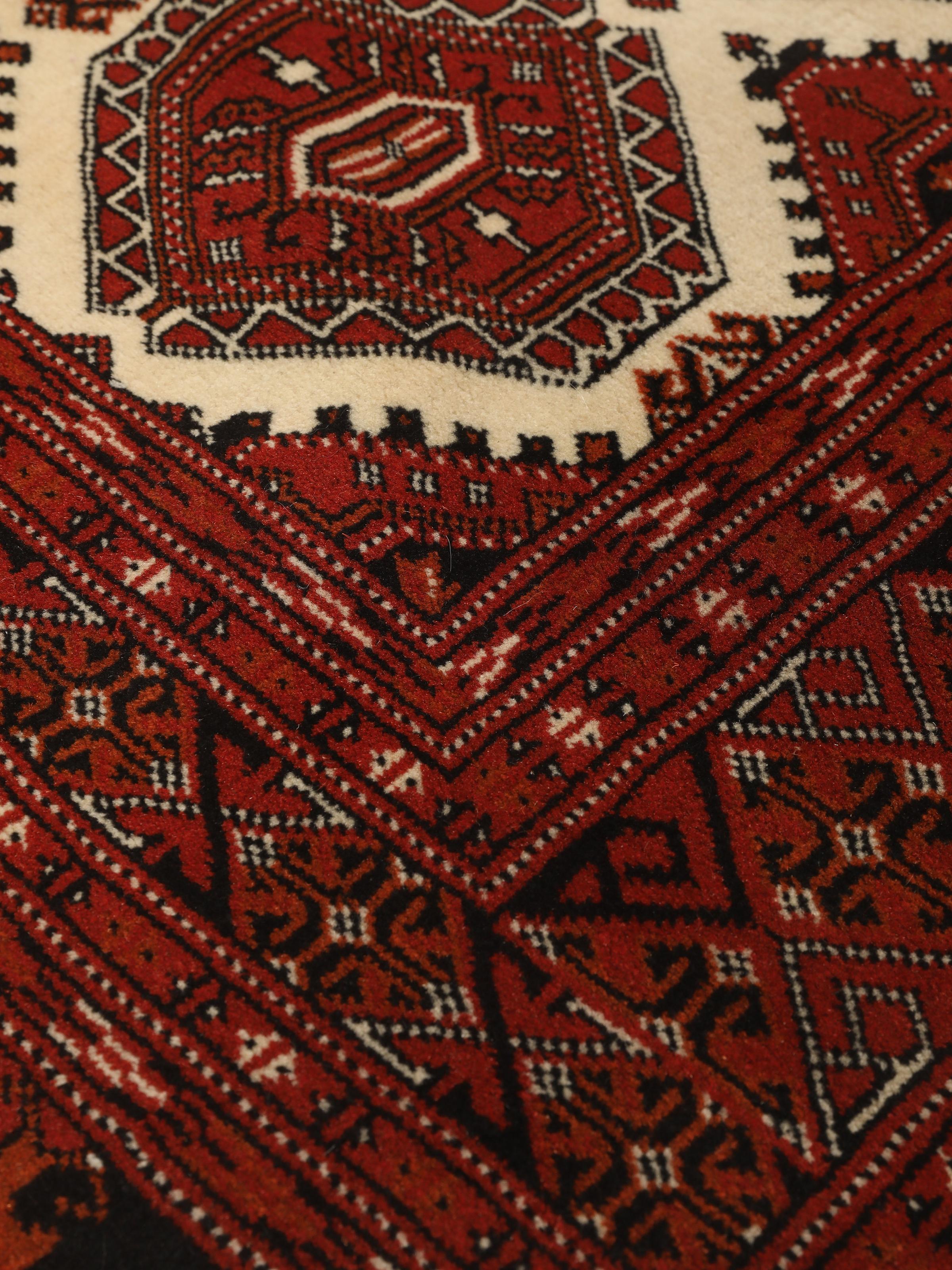
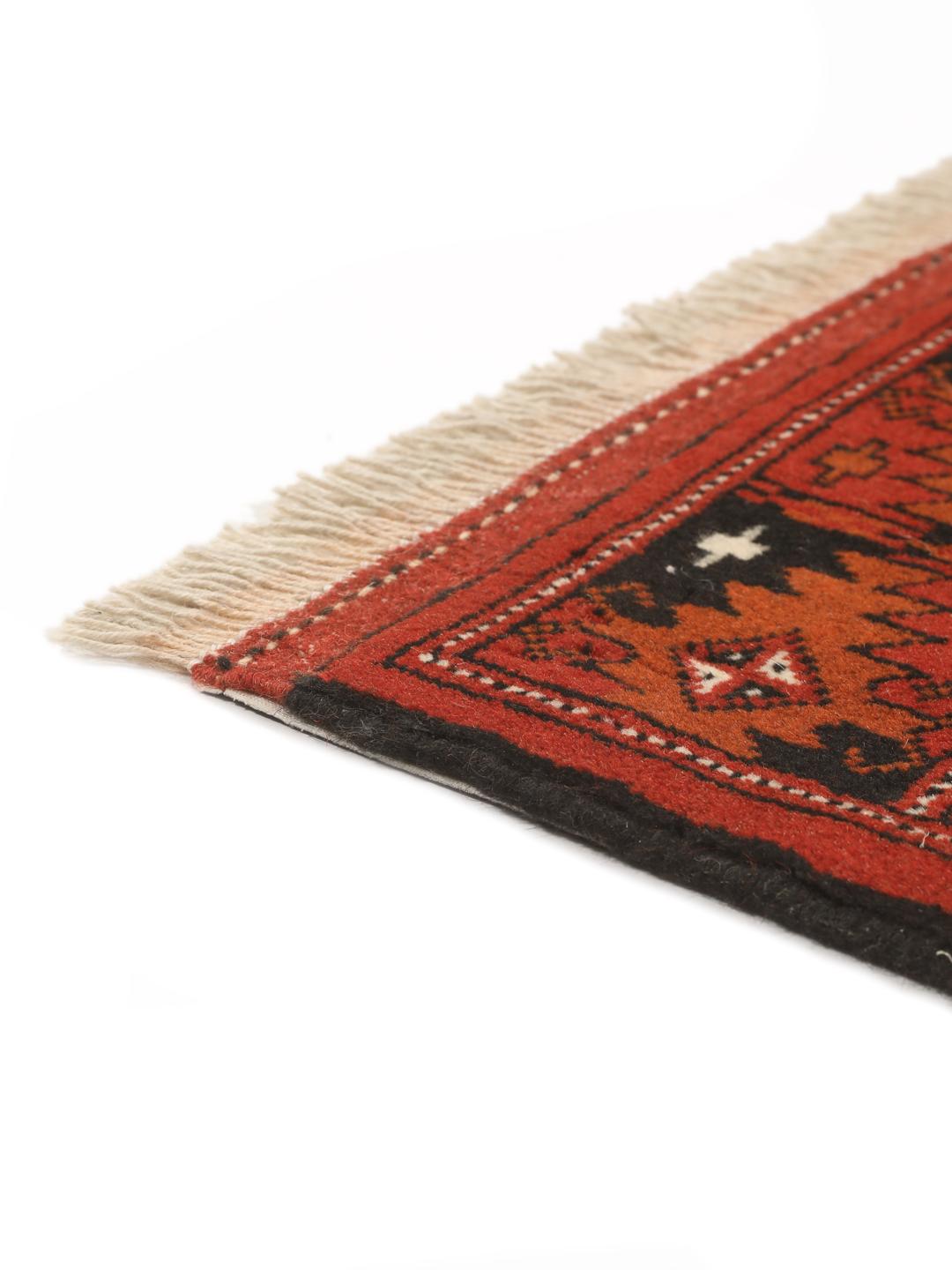
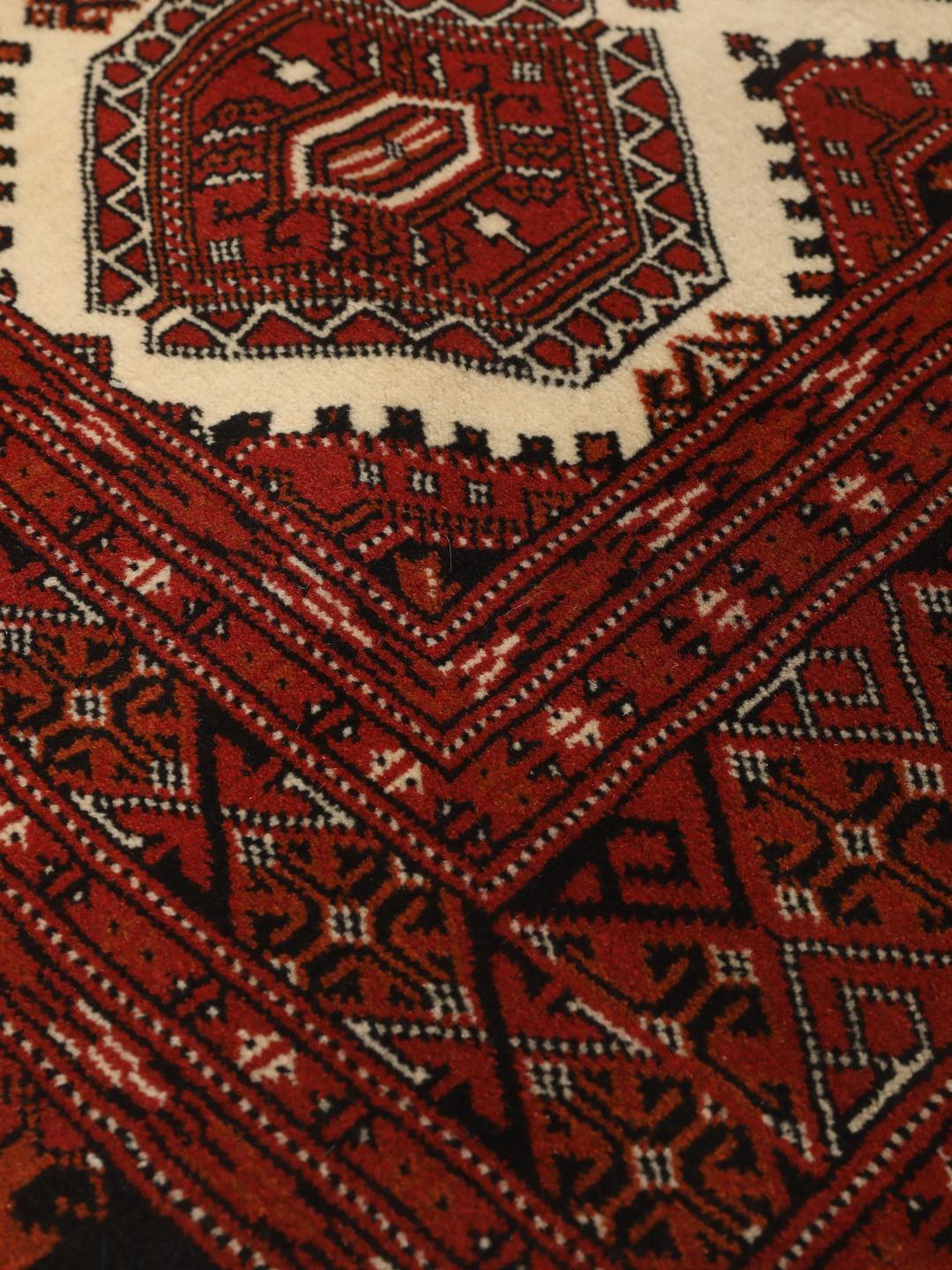
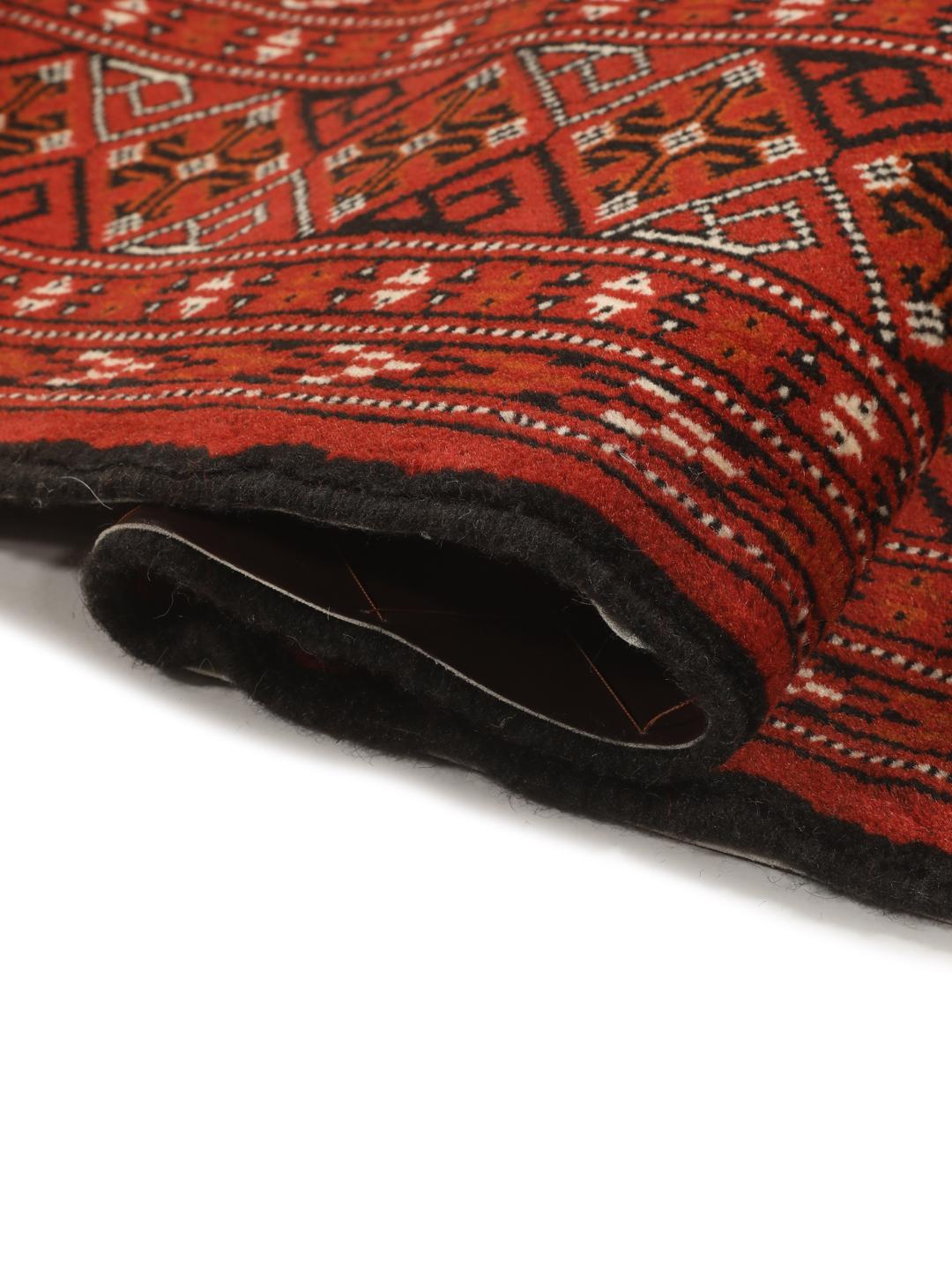
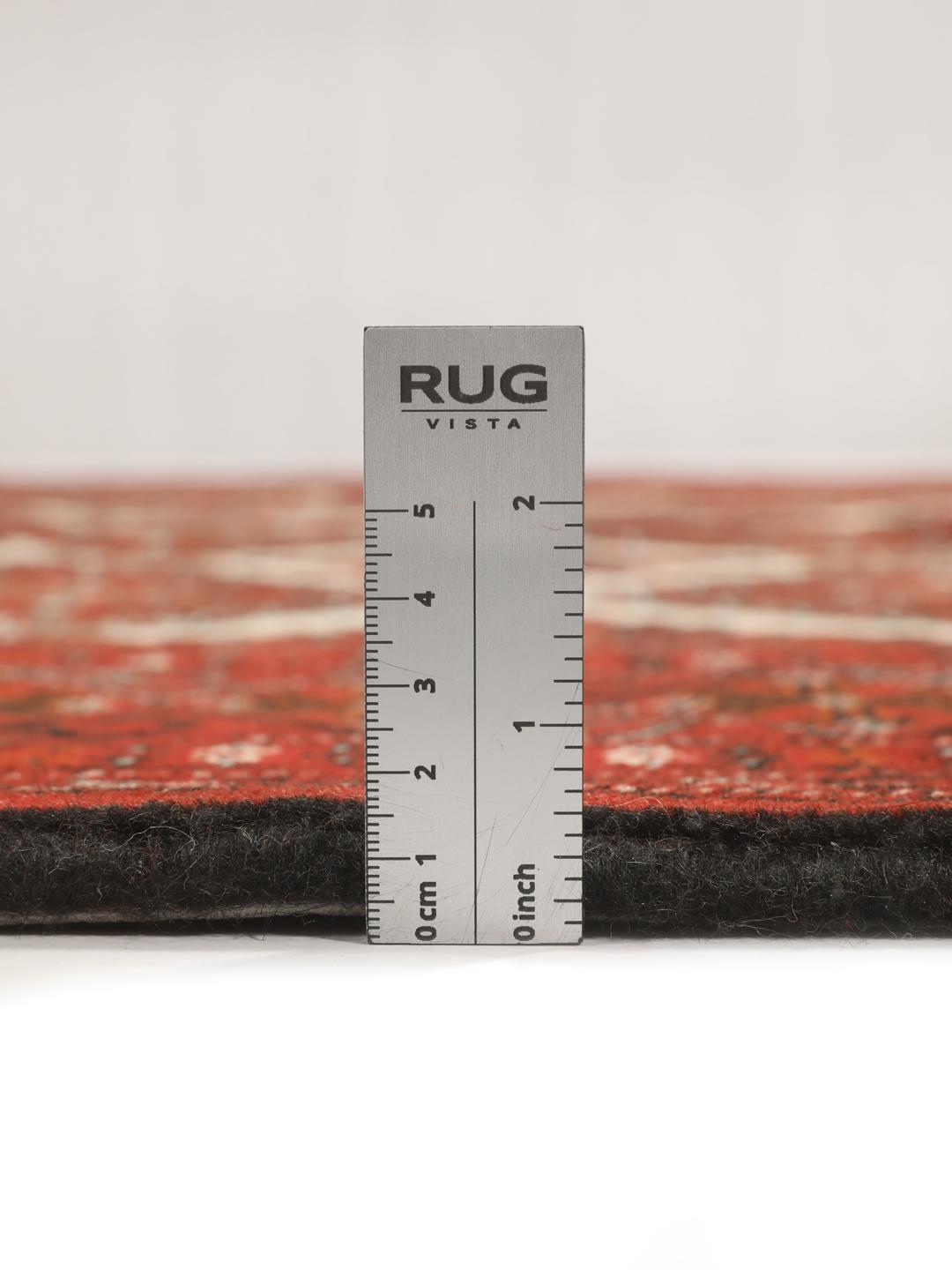
The term Turkaman refers to both the origin and the specific design language that defines these pieces. The construction often involves a dense, high-quality Wool pile which allows for the intricate, crisp patterns that are the hallmark of this style. This dedication to density is not merely for aesthetics; it provides a durable, lustrous surface that is designed to withstand generations of use.
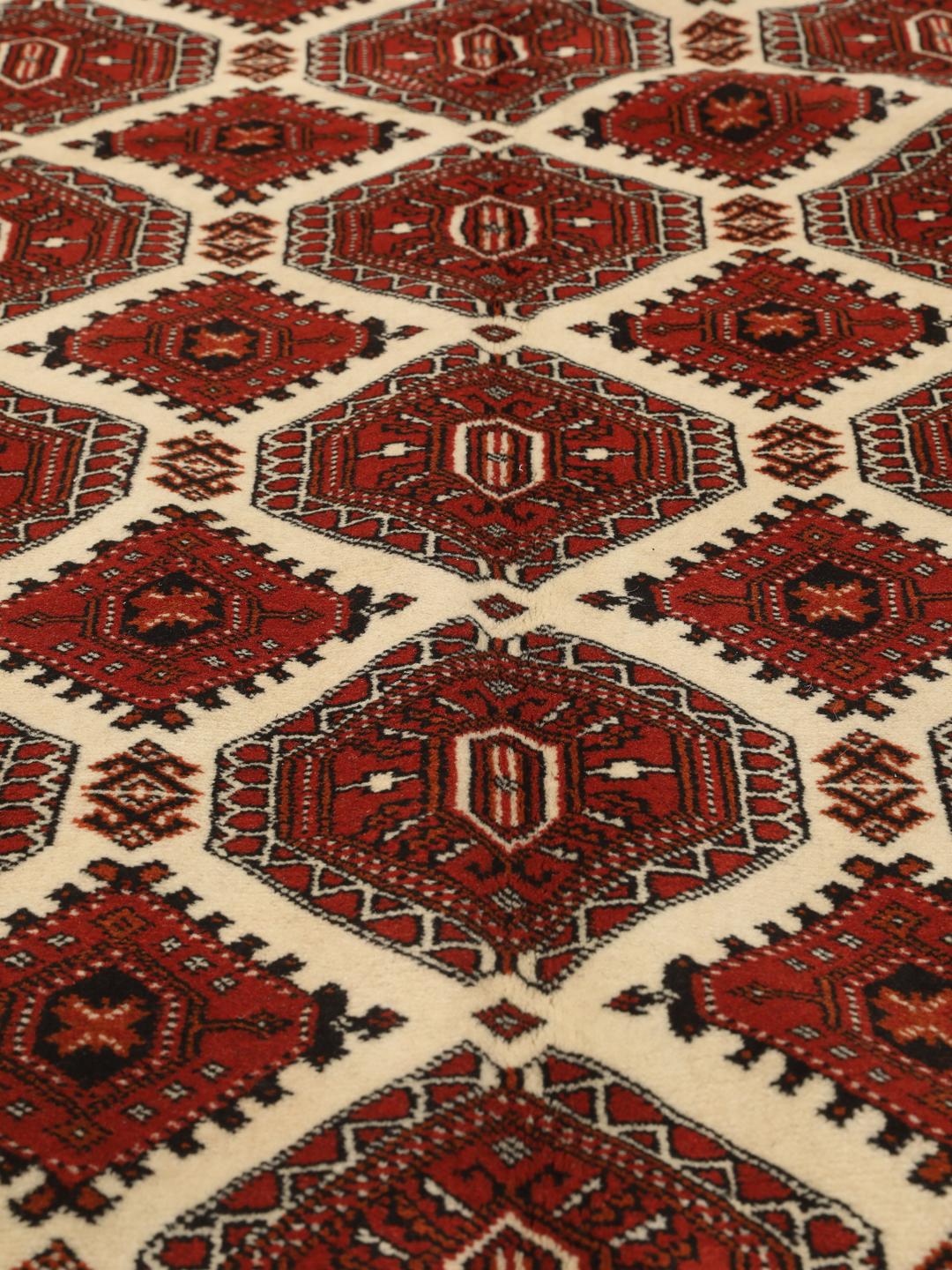
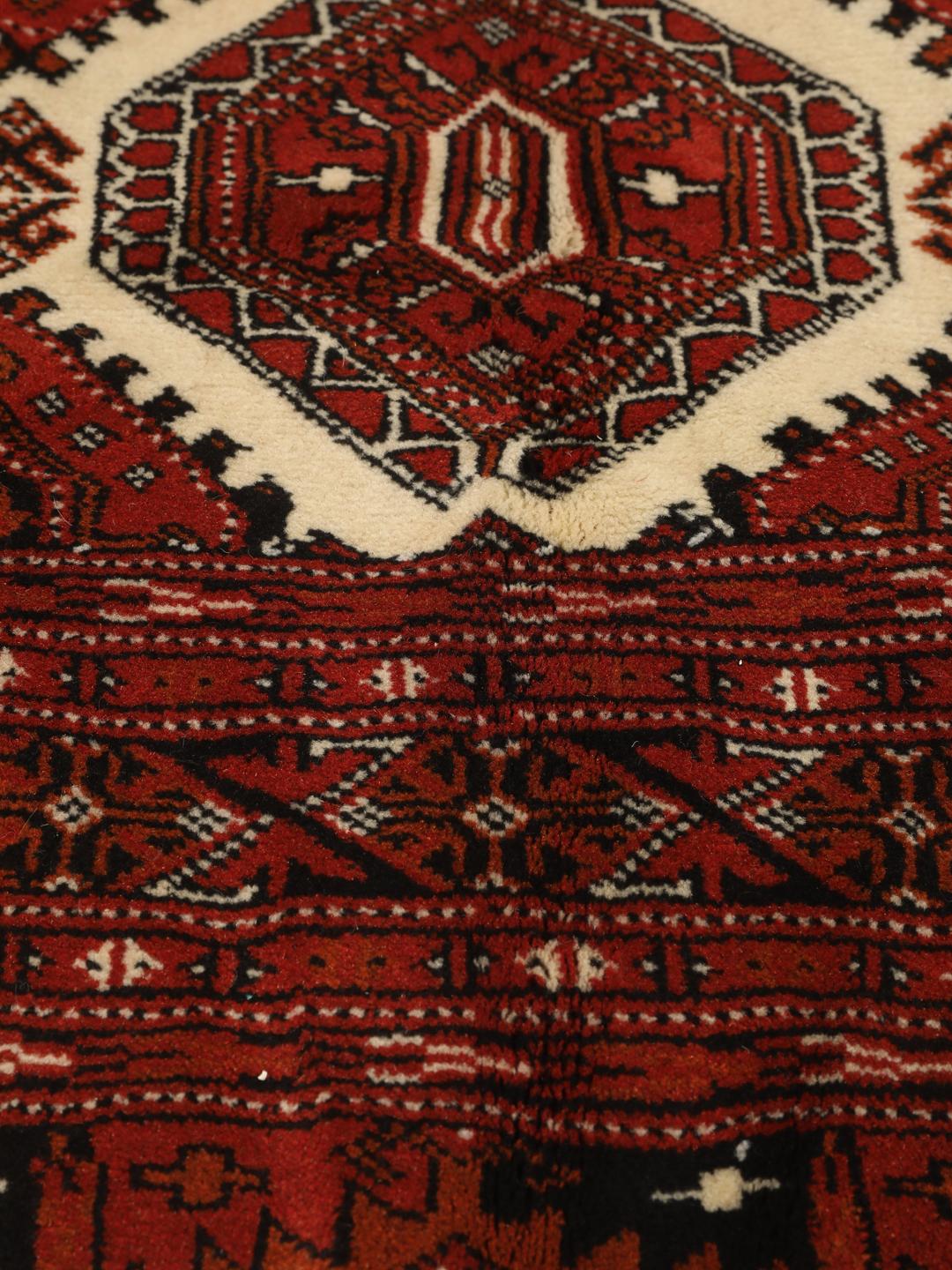
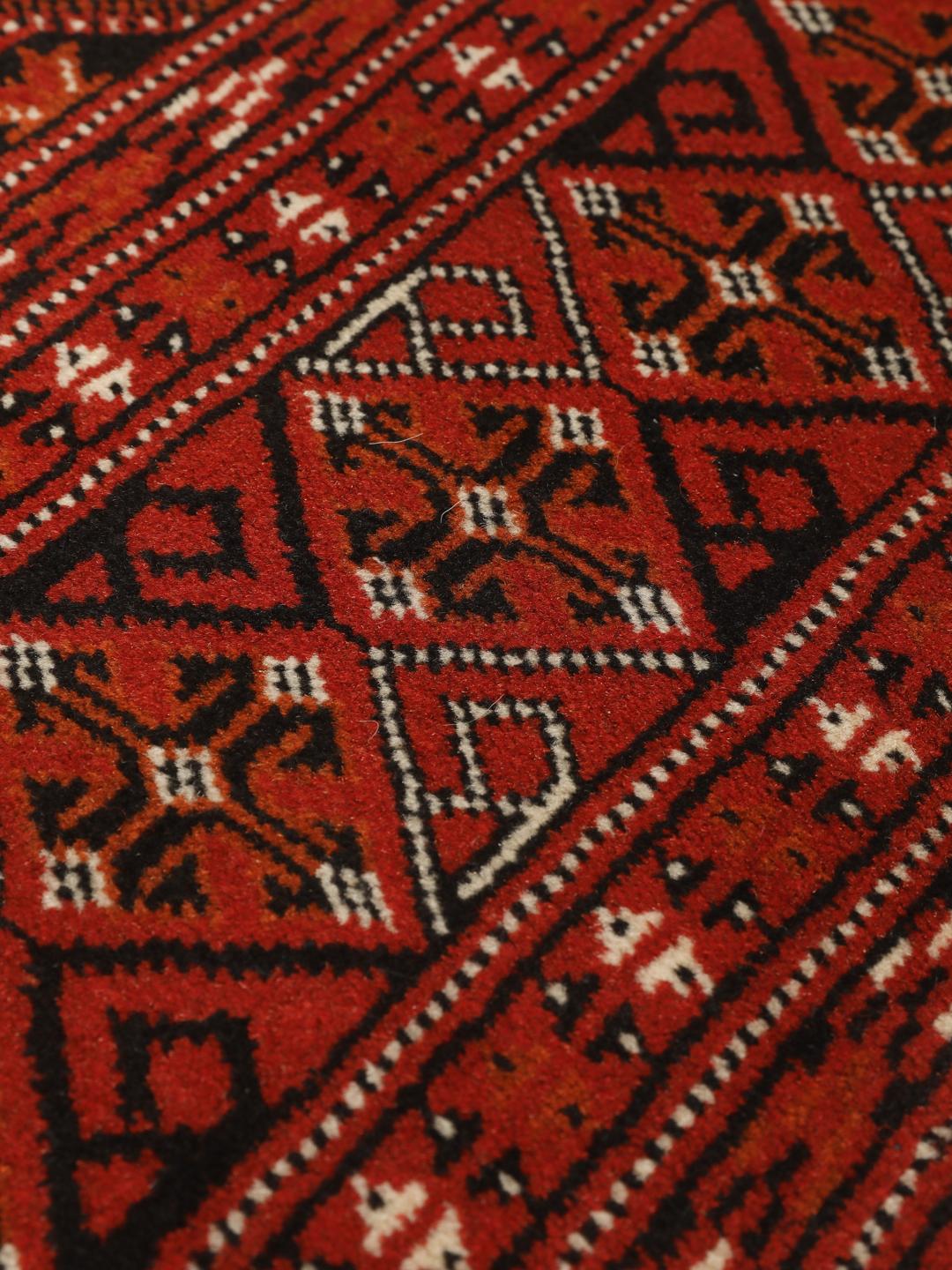
Signature design elements of this tradition include the repeating gul motif. These are octagonal, medallion-like shapes often arranged in orderly rows across the field. These guls are deeply symbolic, often representing the specific tribal lineage of the weaver. The borders are typically filled with complex geometric guards that frame the central field, creating a harmonious and balanced visual effect.
Valued by collectors and interior enthusiasts alike, Turkaman rugs are prized for their balance of symmetry, colour, and technical precision. Owning such a piece is an investment in cultural heritage, representing a level of skill that has been passed down through families. It is a testament to the enduring appeal of traditional weaving techniques in the modern home.