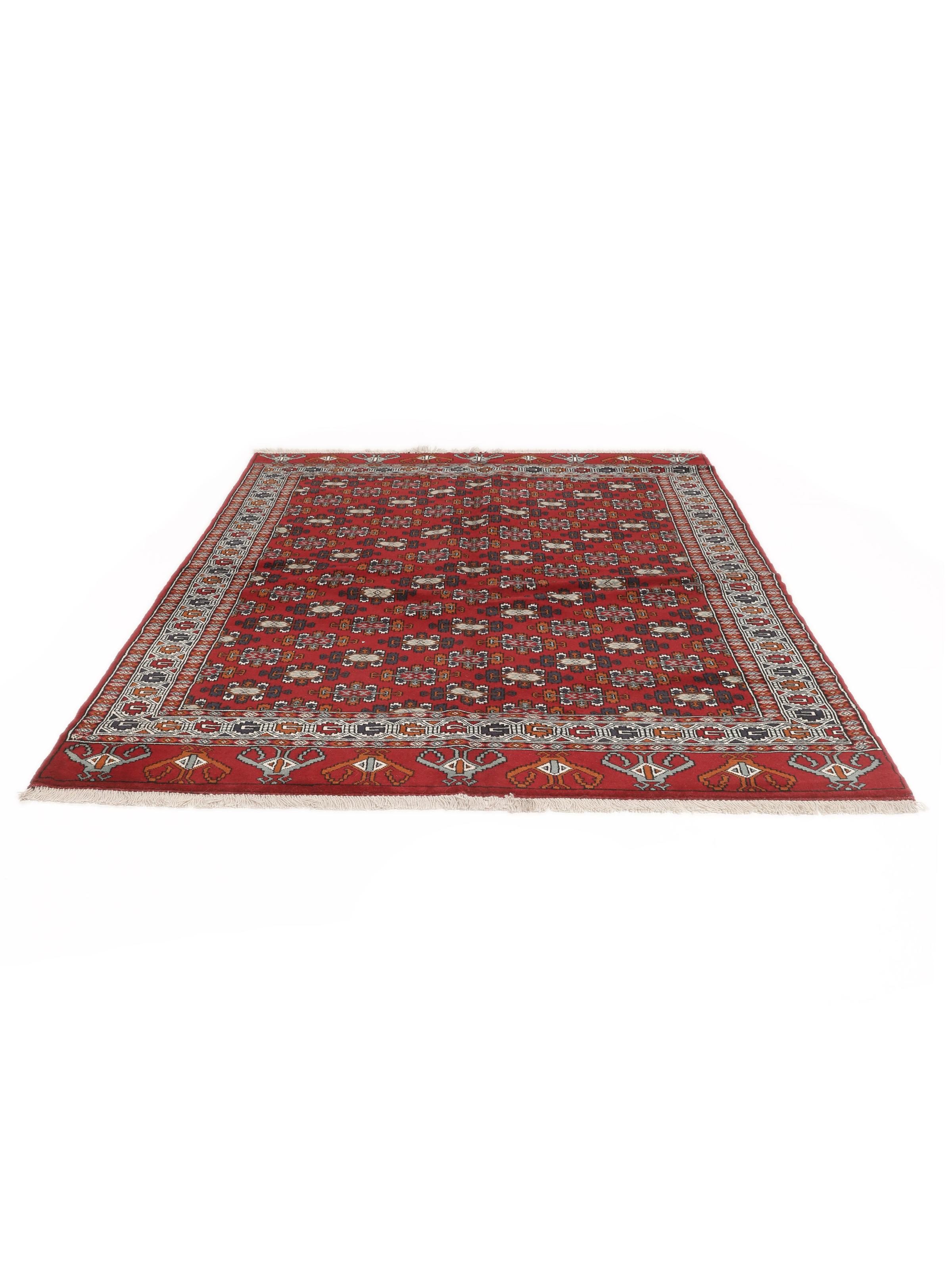
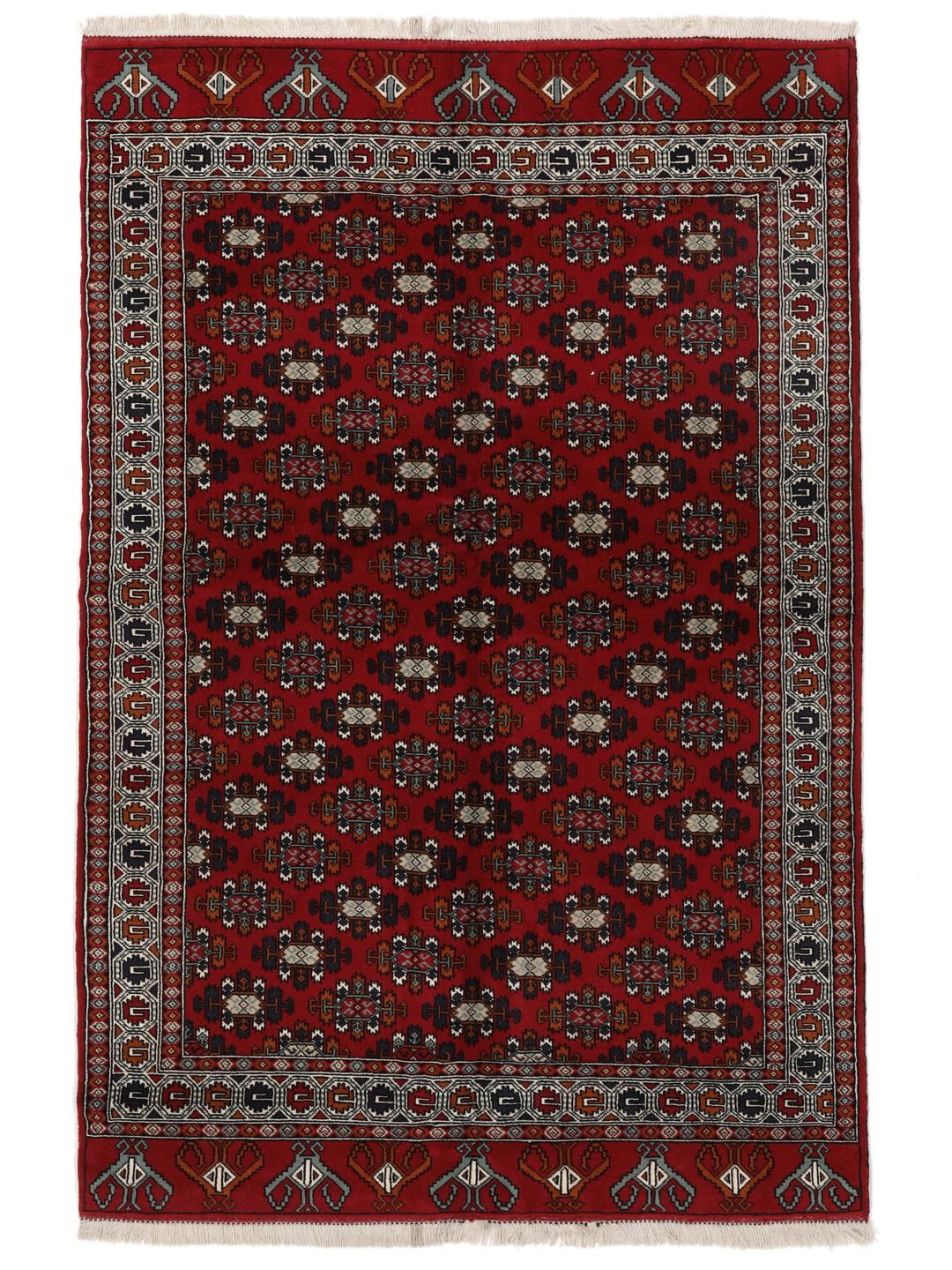
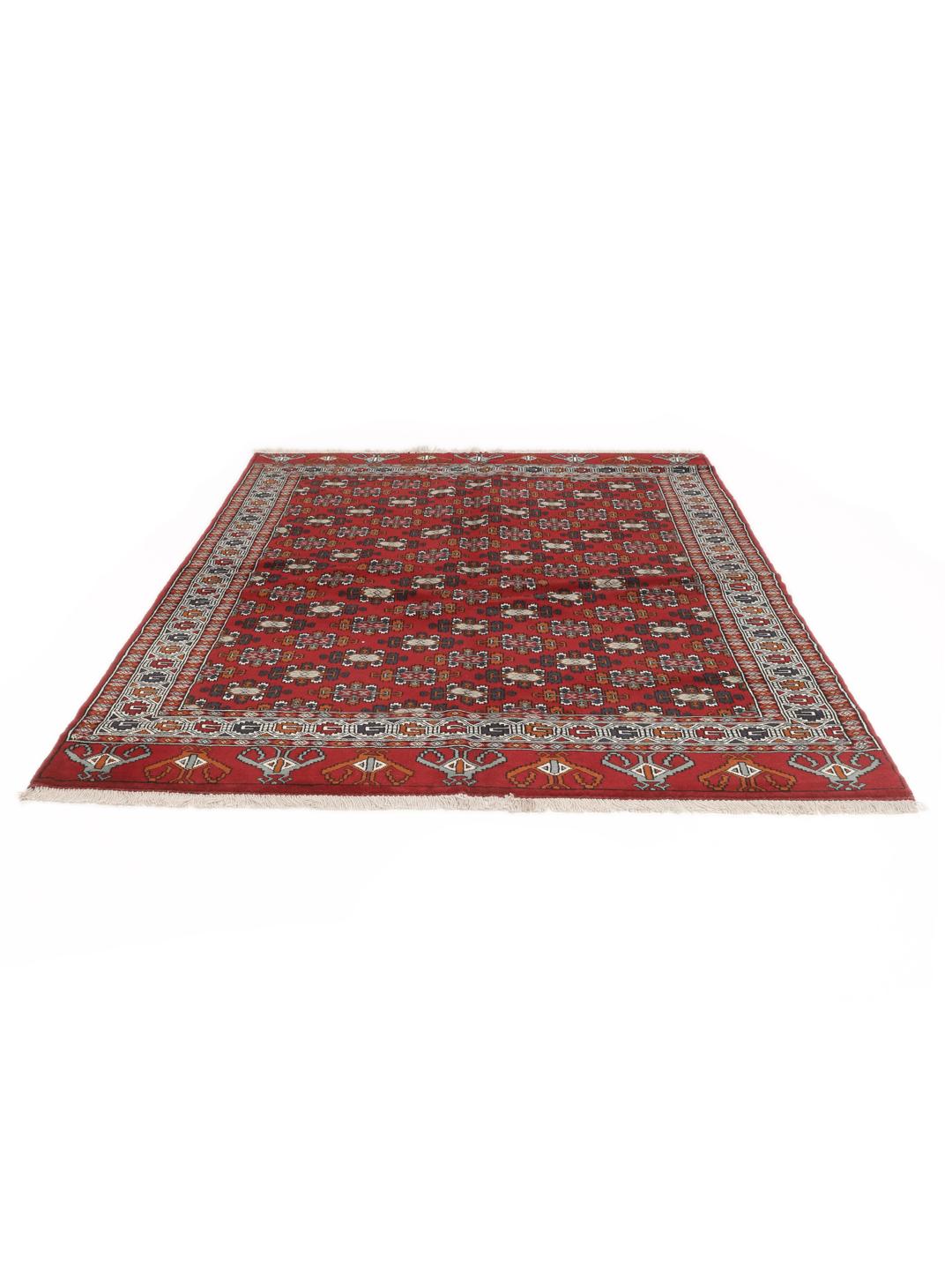
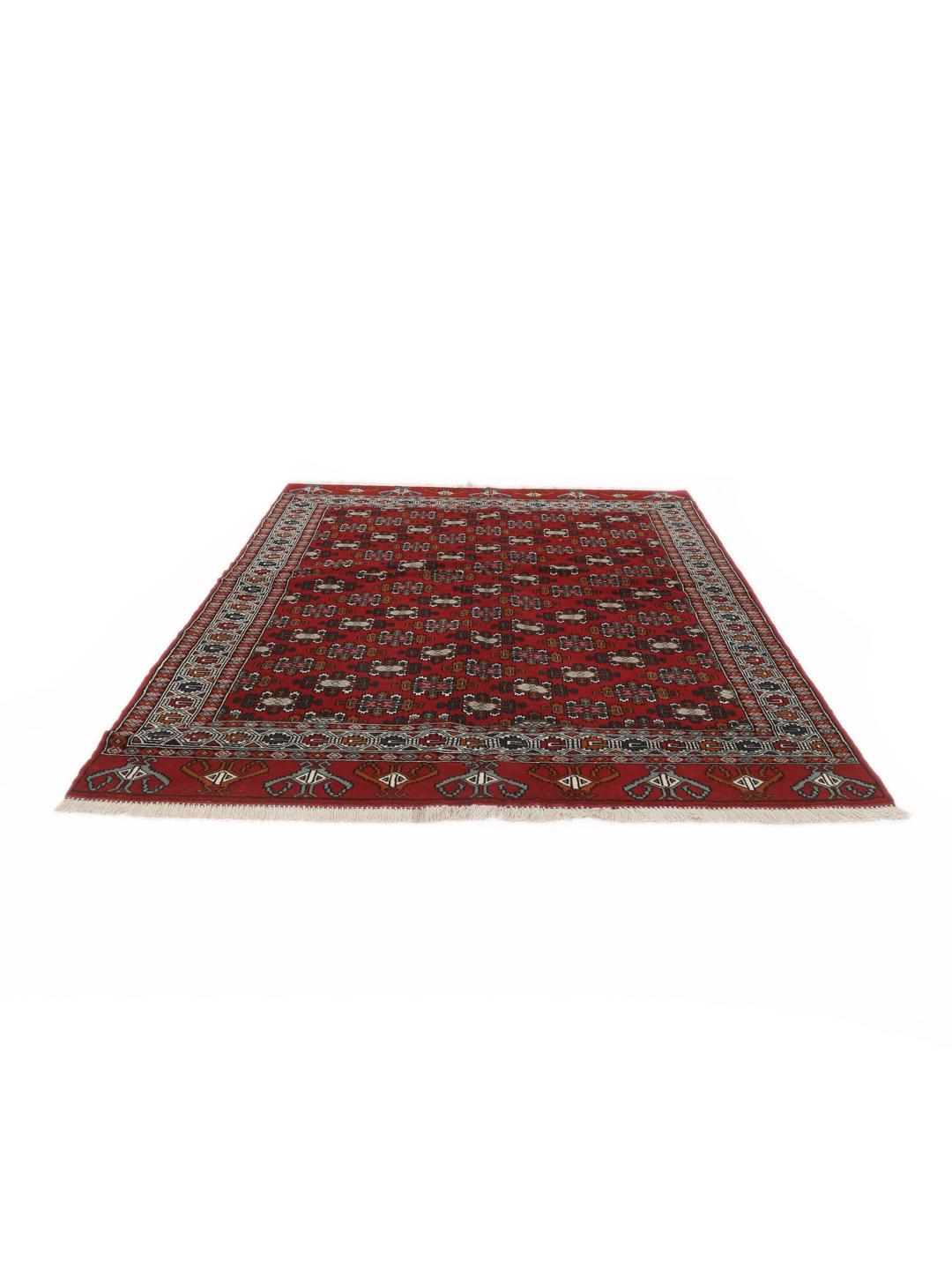
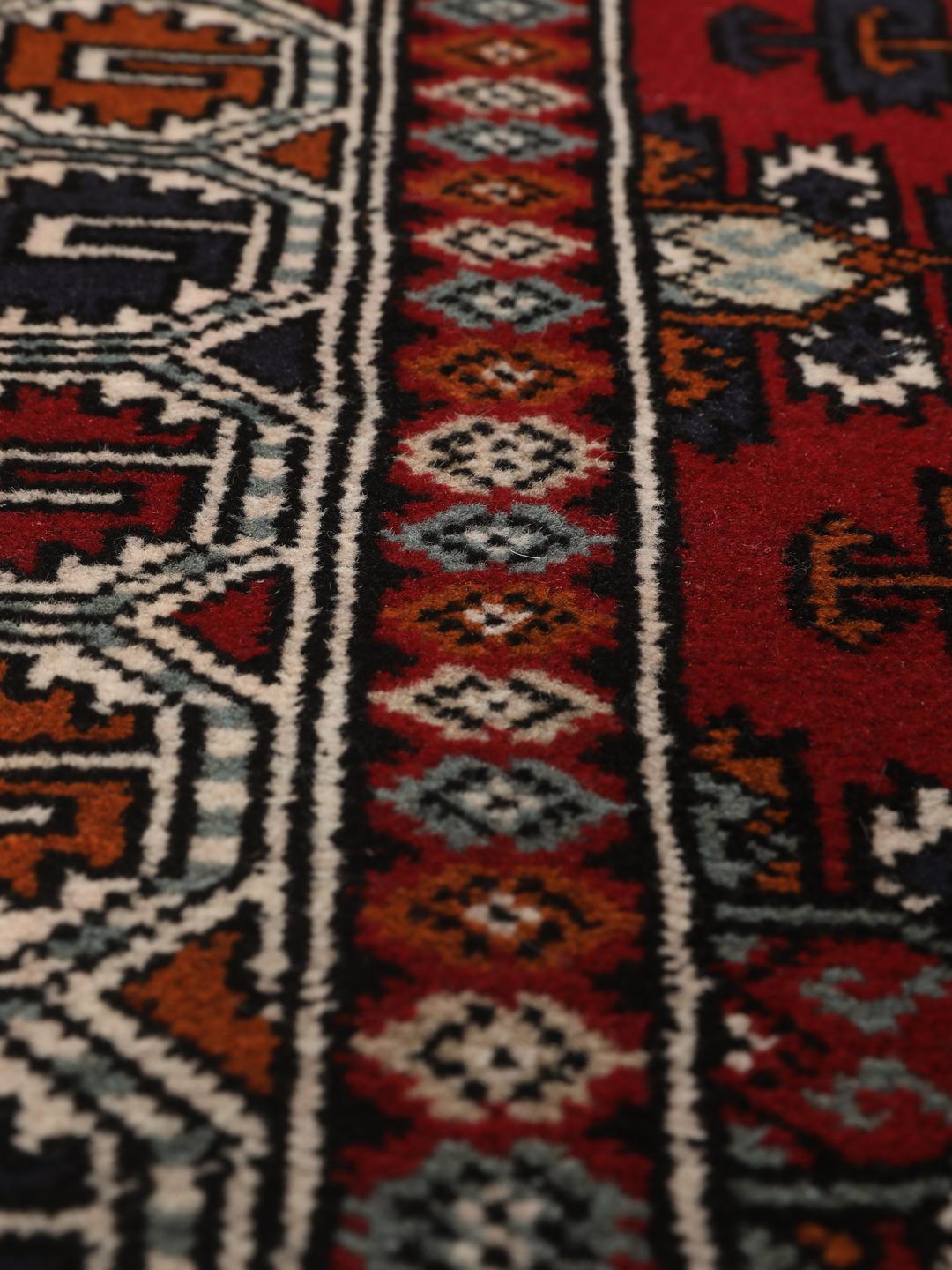
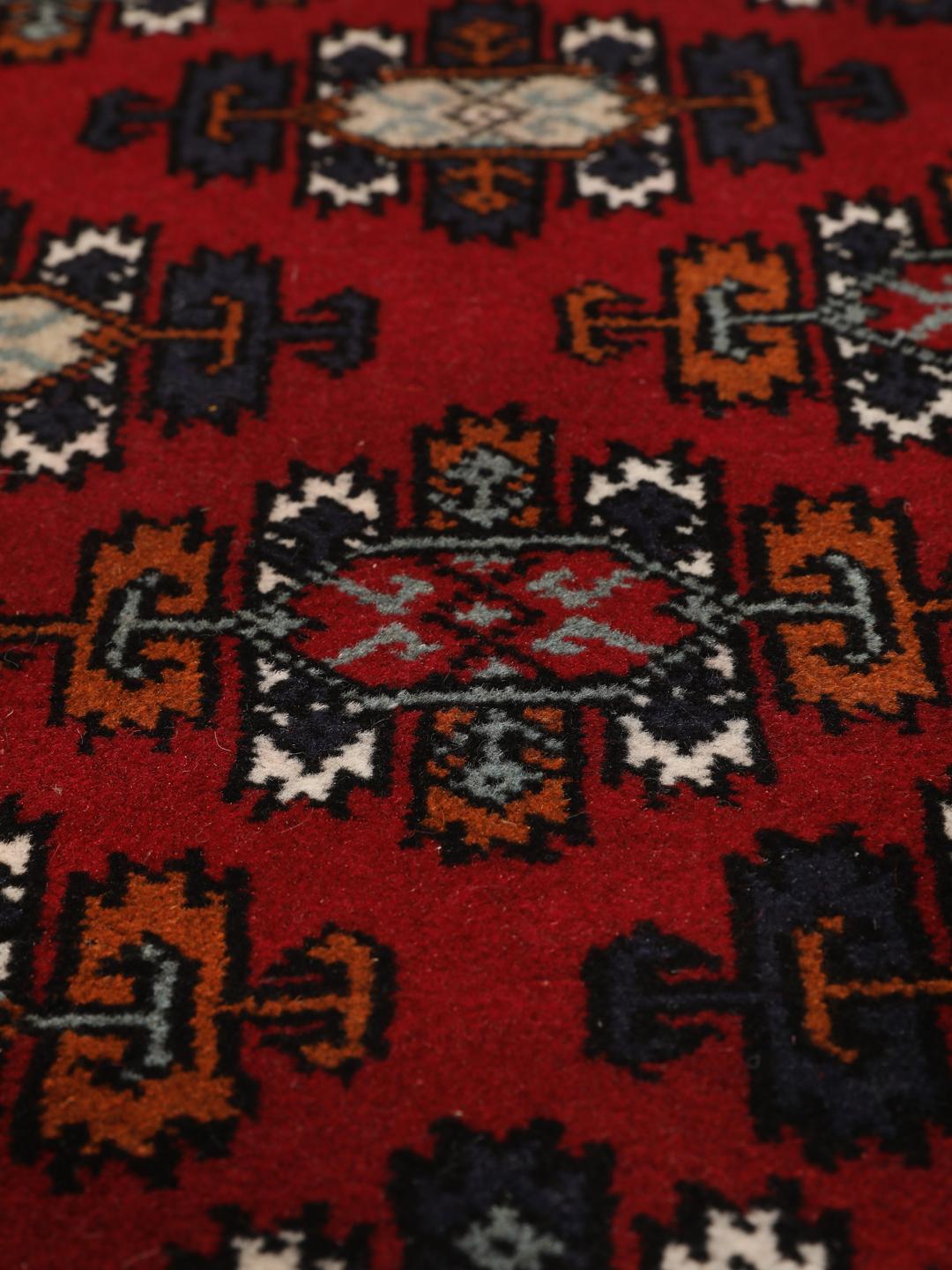
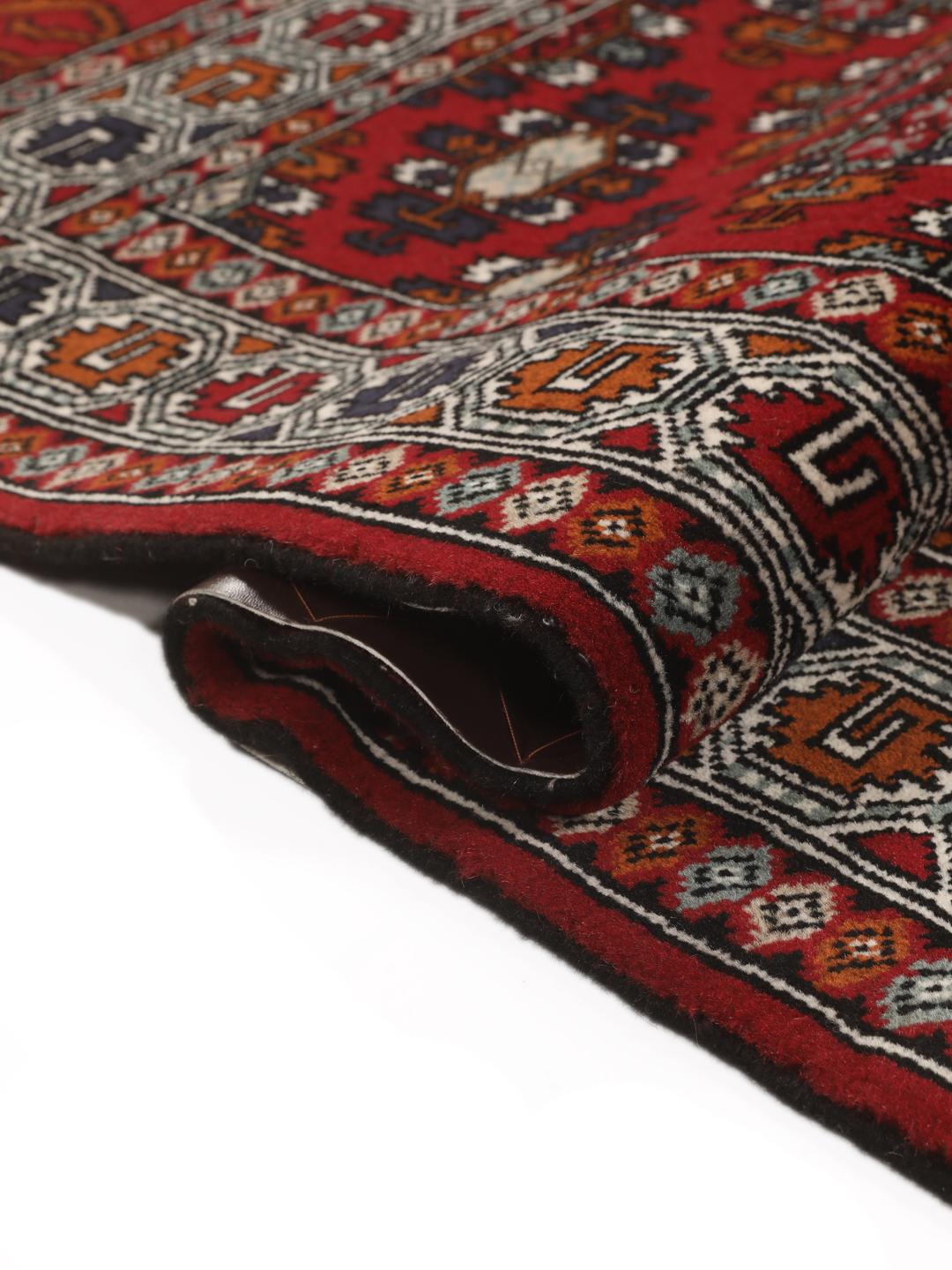
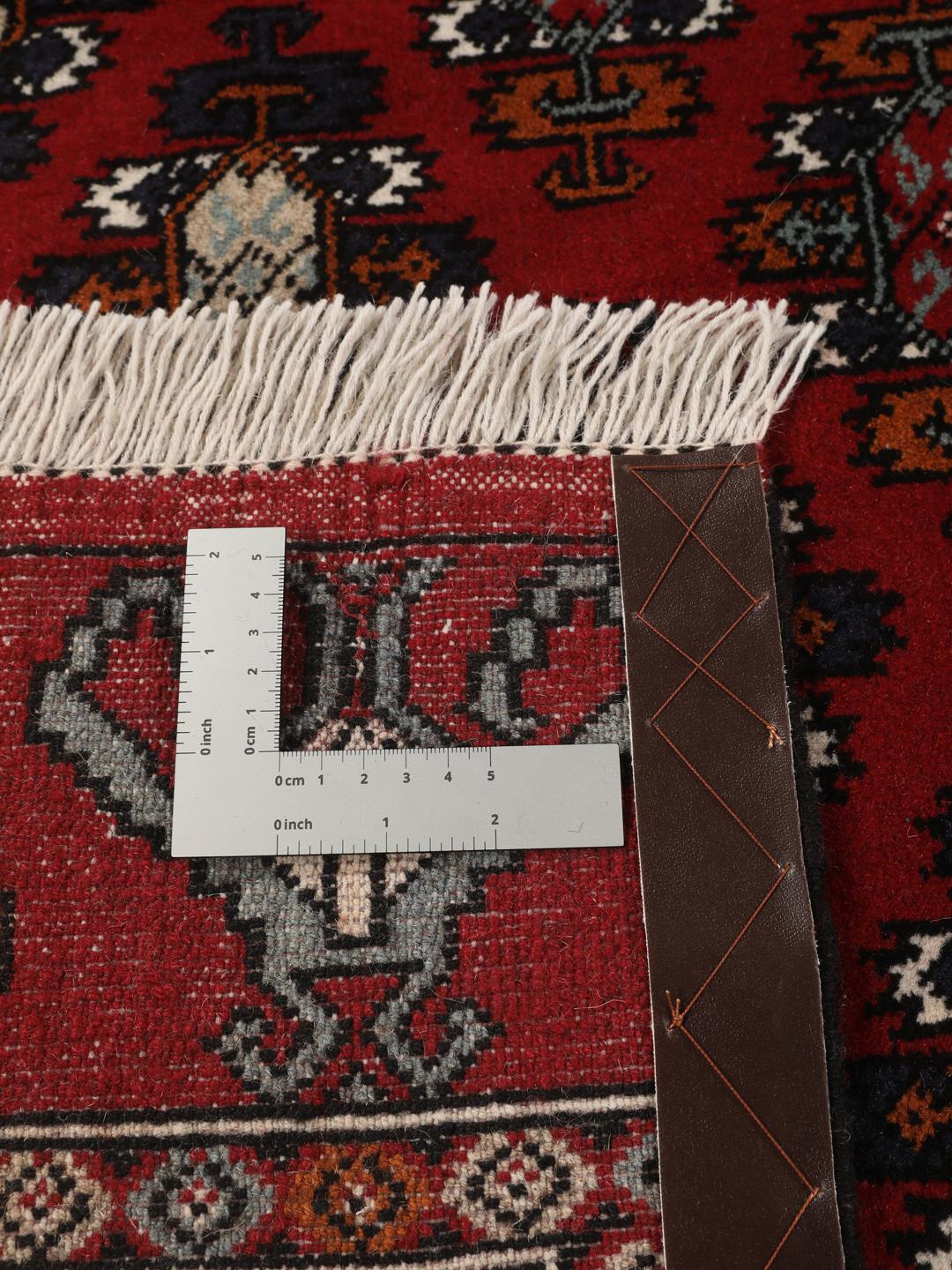
Turkaman rugs originate from the nomadic tribes of Central Asia, a region with a long and storied history of textile artistry. Over centuries, these weaving traditions migrated across the Middle East, evolving into the distinct styles we recognise today. The Turkaman tradition is famous for its nomadic roots, which emphasised portability and durability, resulting in rugs that were designed to serve as both functional floor coverings and expressions of tribal identity.
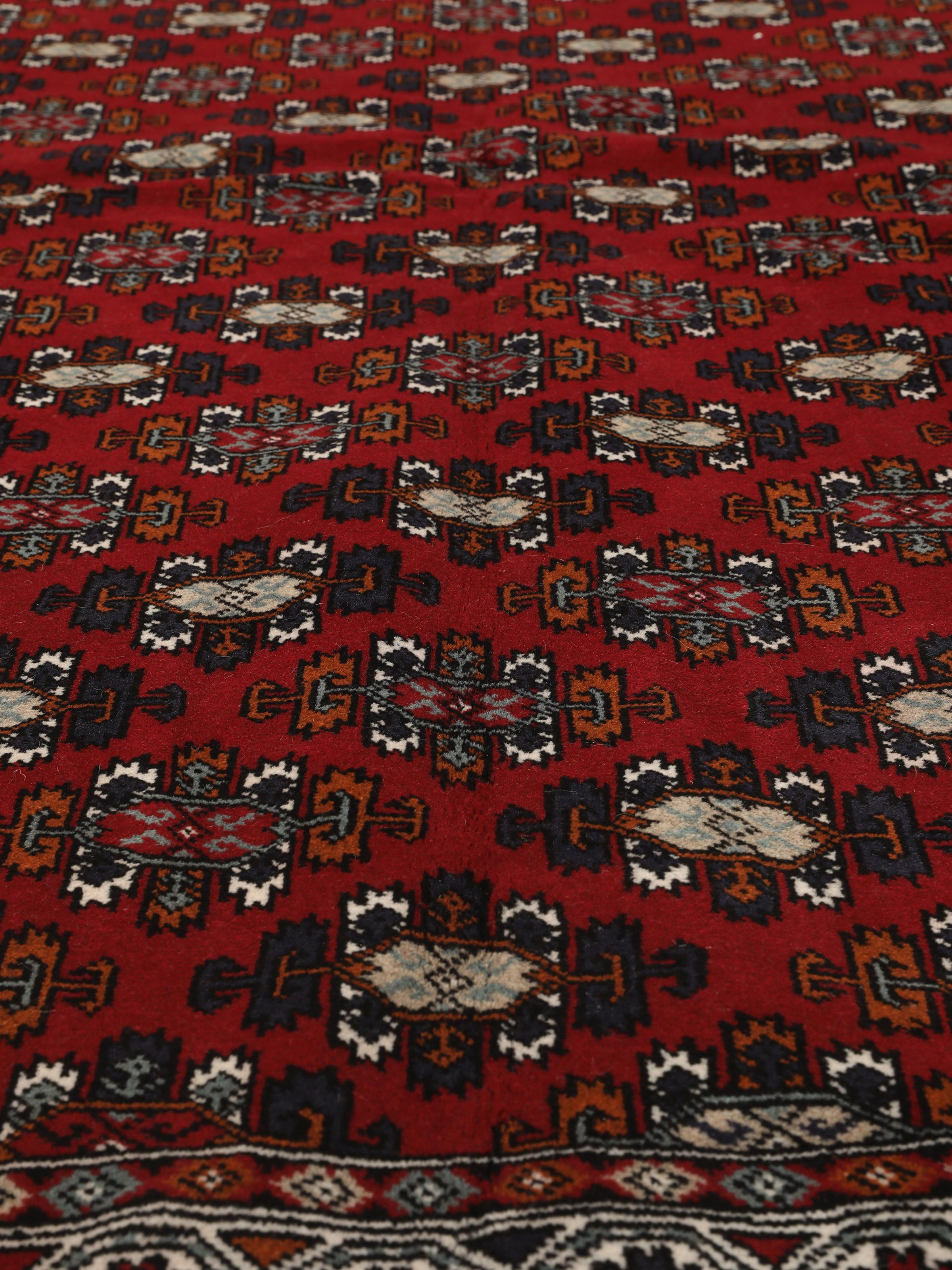
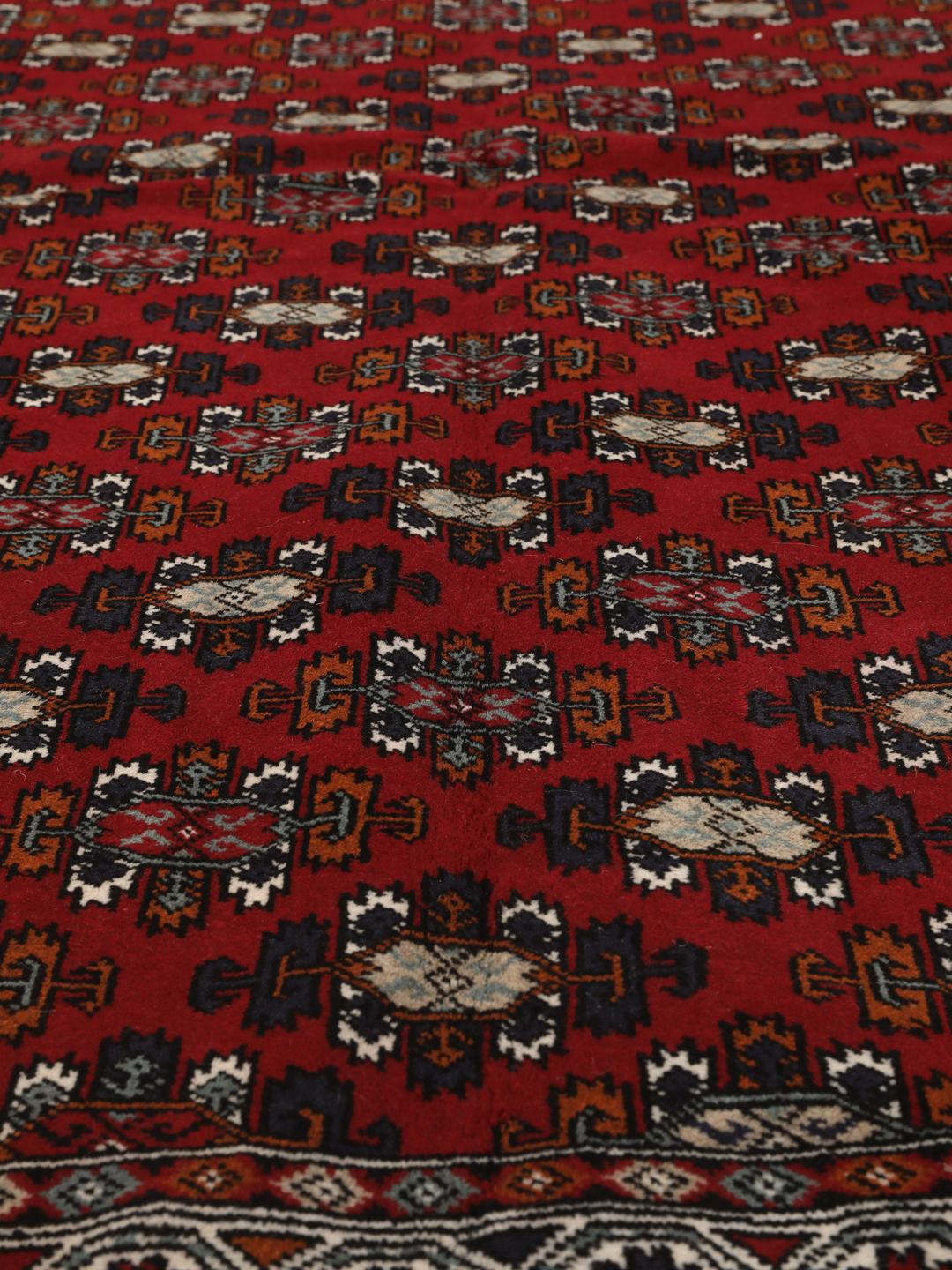
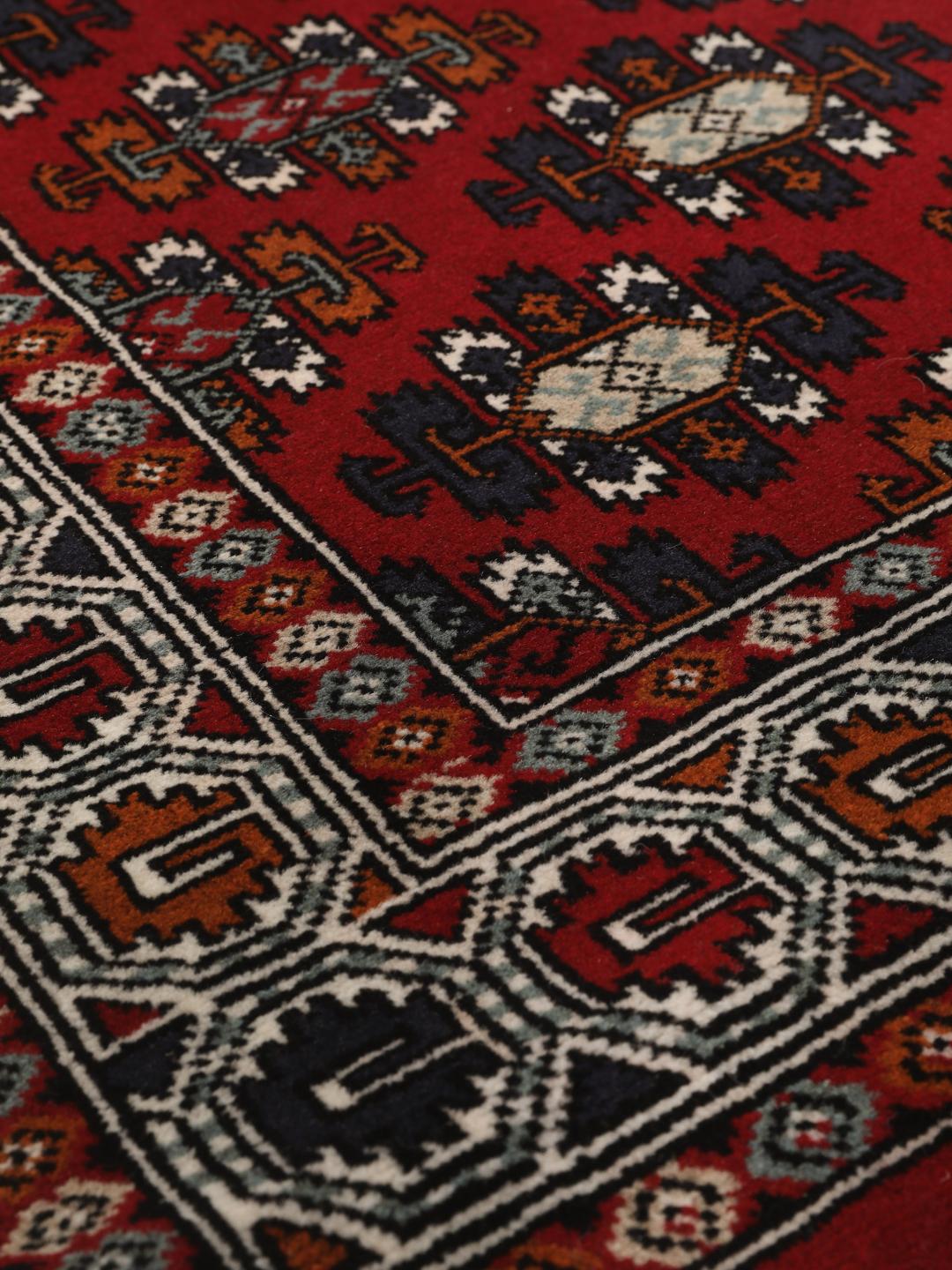
The term 'Turkaman' refers to the specific aesthetic language developed by these tribes, characterised by a refined, repeating geometric structure. This style relies on the 'gul'—a recurring medallion motif that represents the lineage and history of the weaving community. These motifs are often arranged in a formal grid, creating a sense of balance and harmony that is central to the visual identity of this tradition.
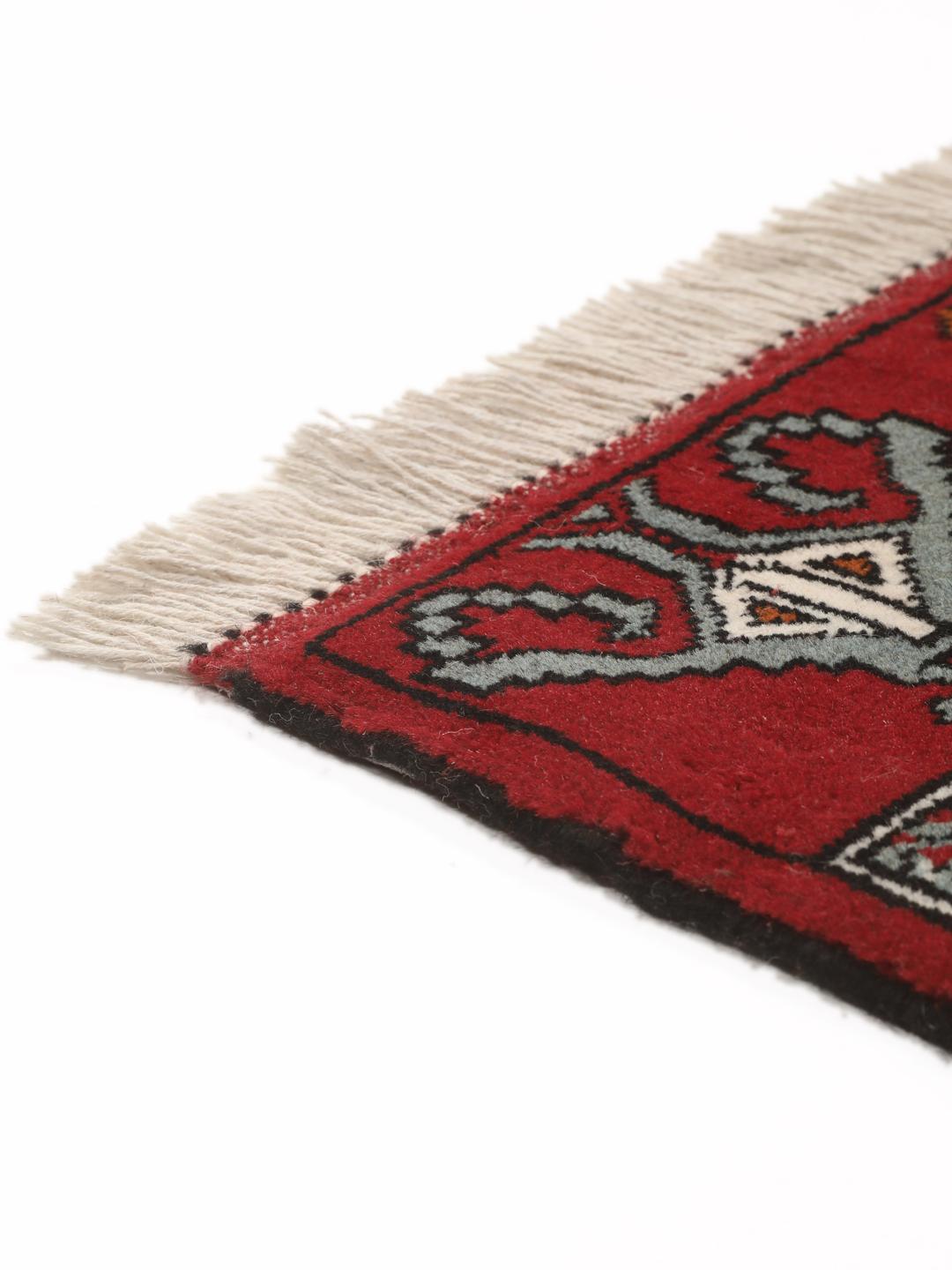
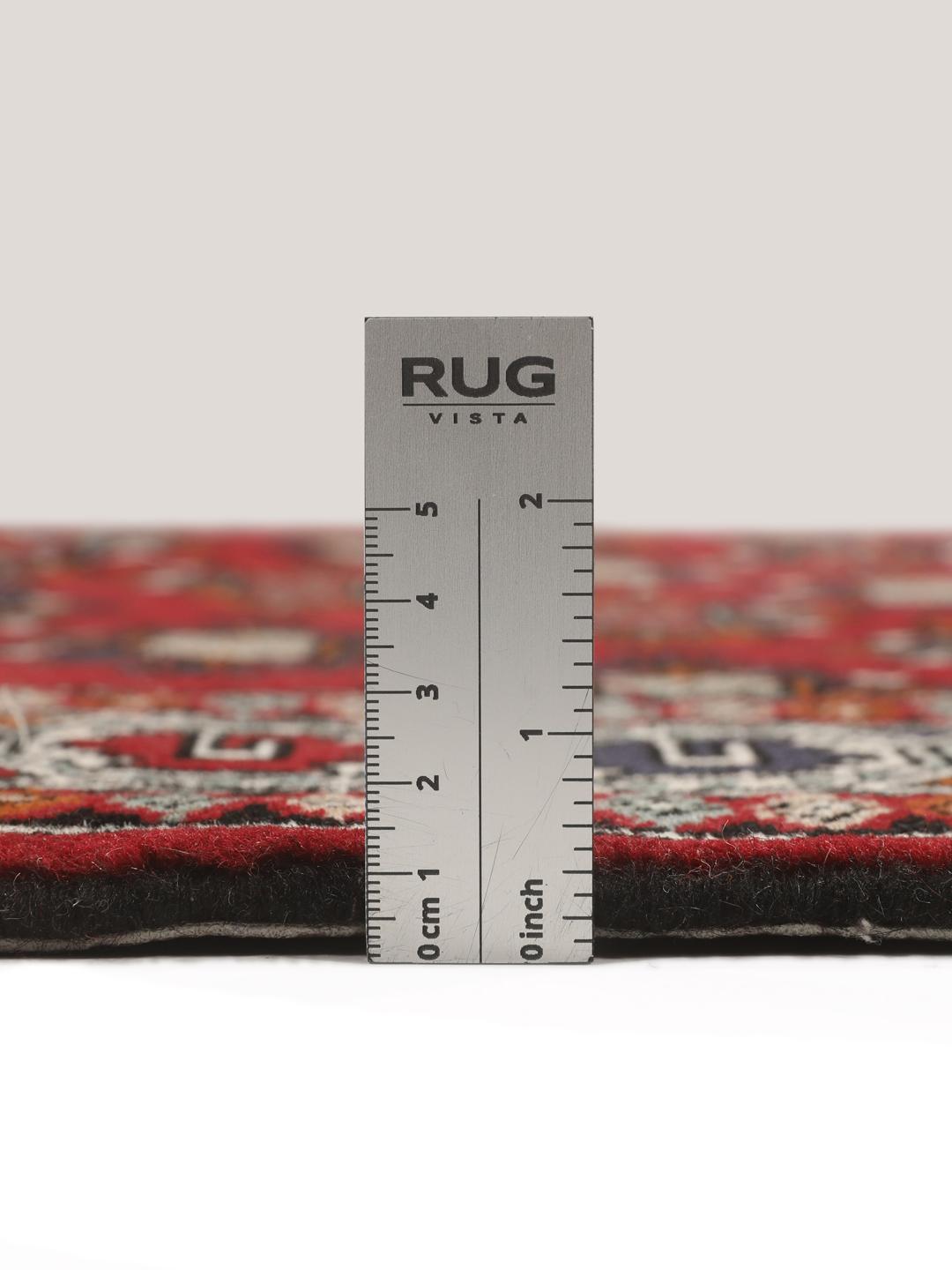
Technically, these rugs are defined by their tight, precise knotting and the use of high-quality wool. The knots are tied in a way that creates a very dense, short pile, which is essential for the longevity of the rug. This construction method allows for the fine details of the geometric patterns to remain sharp and clear, a hallmark of the high level of craft involved in every piece produced within this tradition.
Collecting a Turkaman rug is an investment in cultural heritage. These pieces are highly valued not only for their beauty but for the skill they represent, serving as a link to a craft tradition that has been passed down through generations. Owning one is a way to appreciate the dedication of the artisans who continue to uphold these ancient techniques, ensuring that each rug tells a story of identity and tradition.