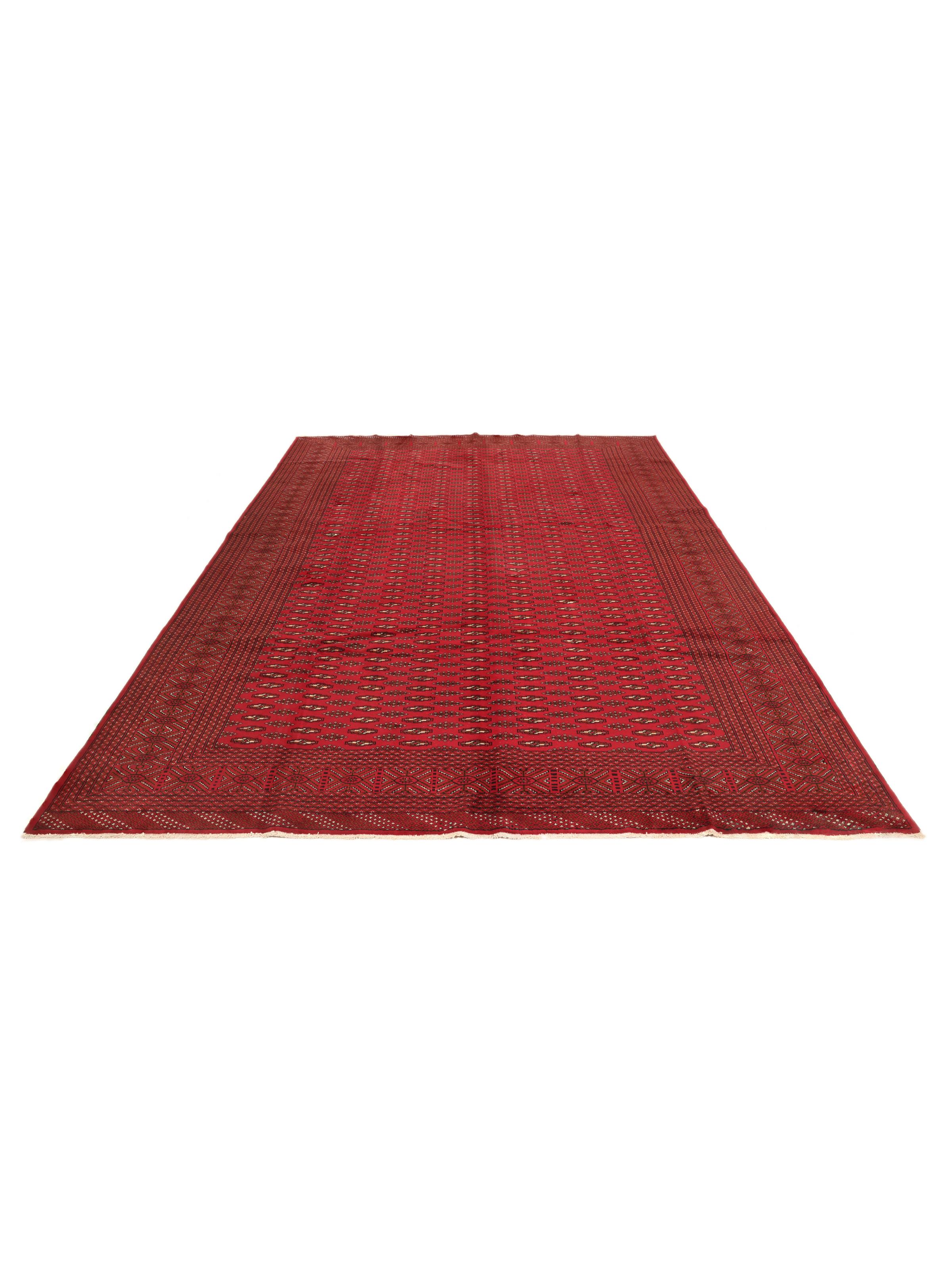
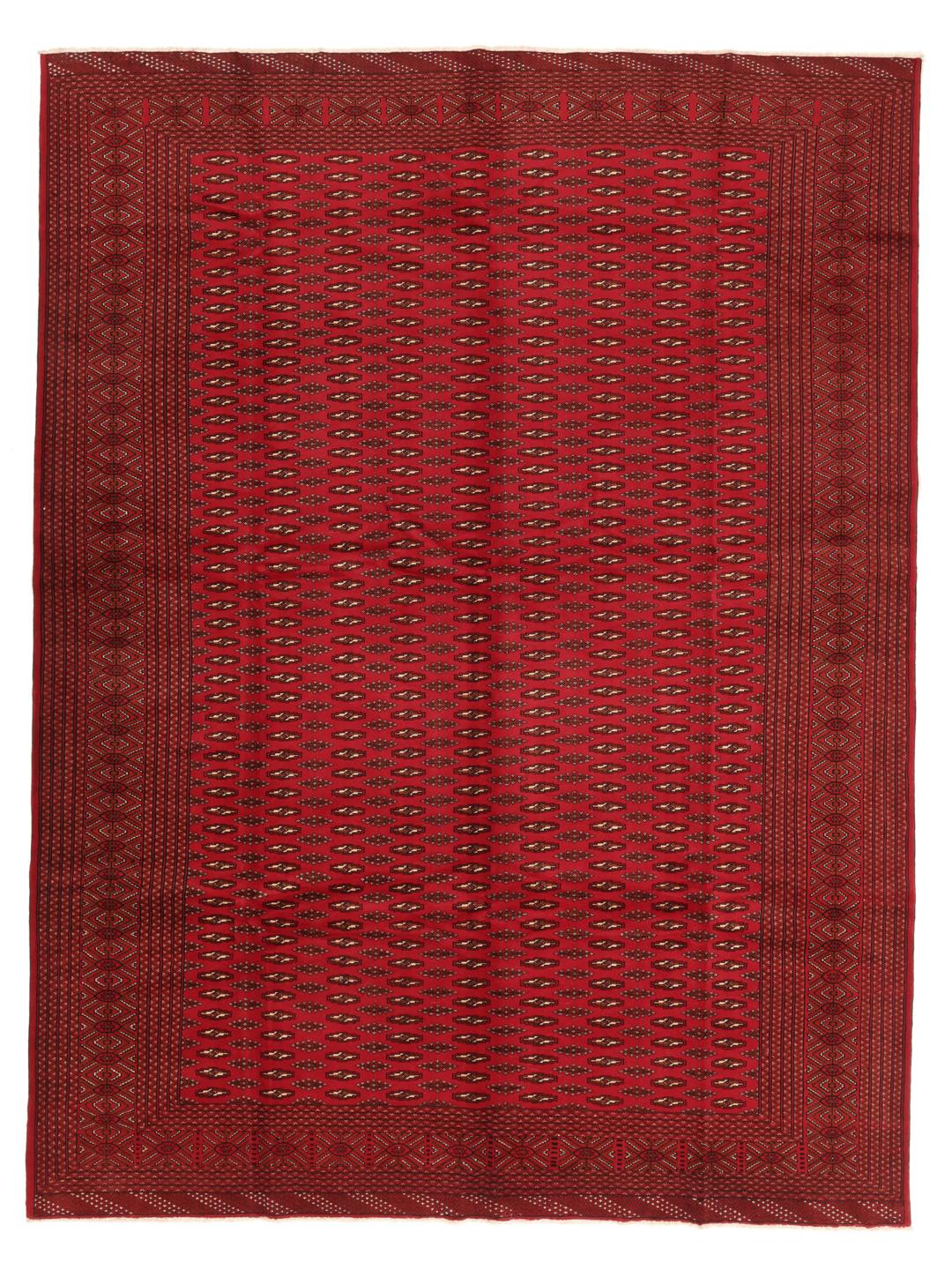
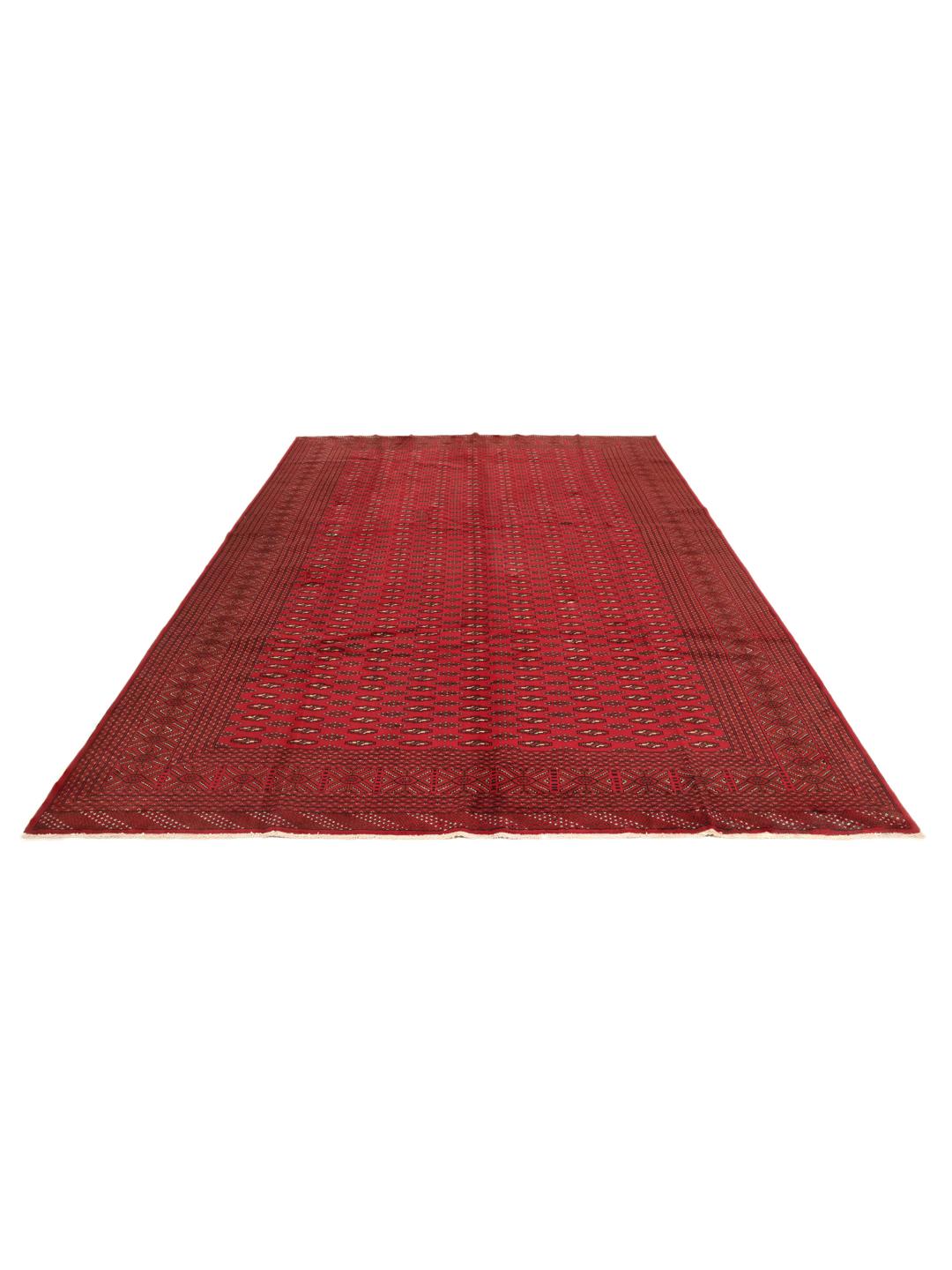
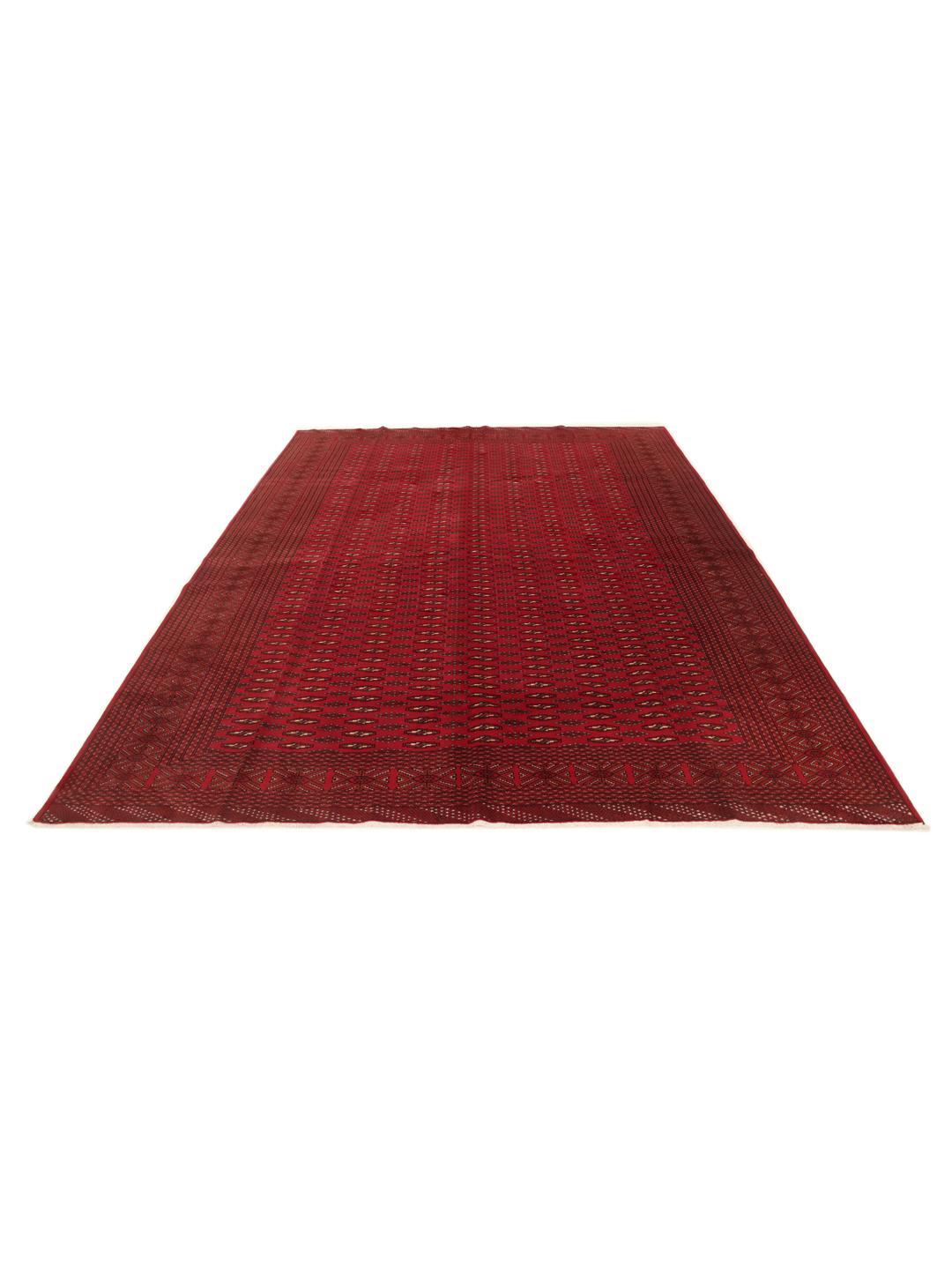
Turkaman rugs originate from the nomadic tribes of Central Asia, where the art of weaving was essential for creating durable, portable, and beautiful textiles for tent life. Over centuries, these traditions migrated and evolved, with the styles becoming synonymous with the broader Middle Eastern region. These rugs are celebrated for their ability to blend functional durability with highly sophisticated design traditions that have been passed down through generations.
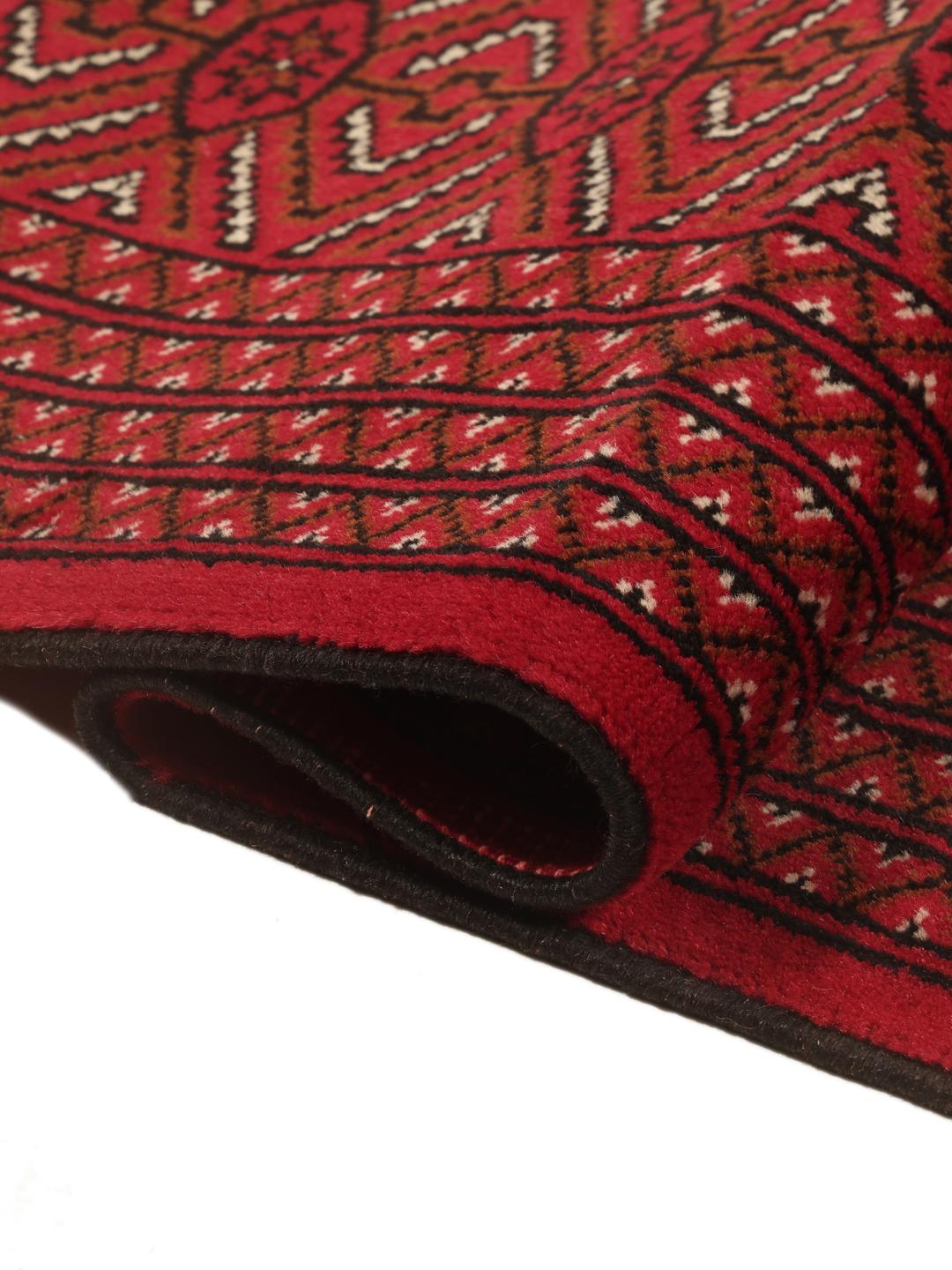
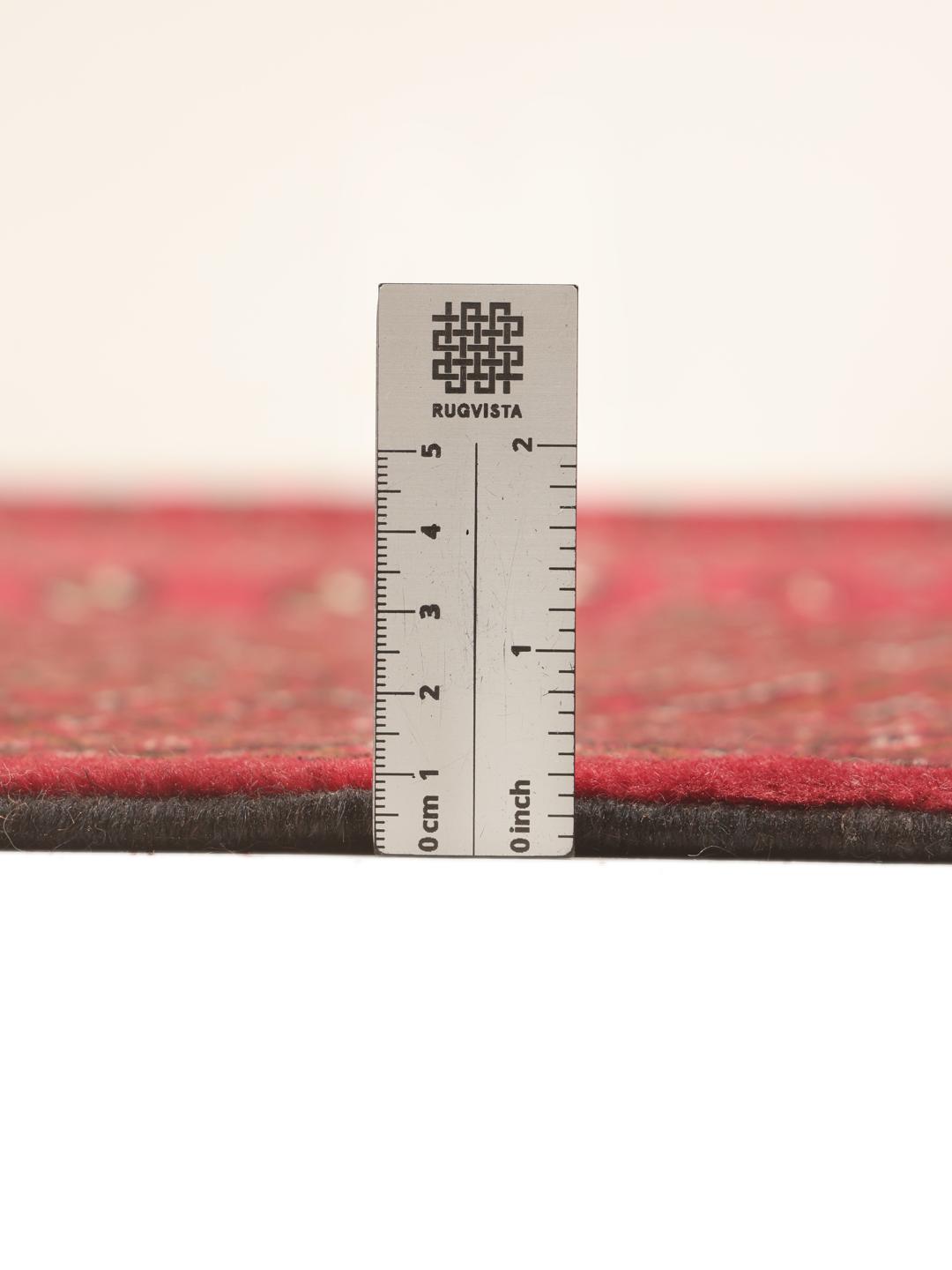
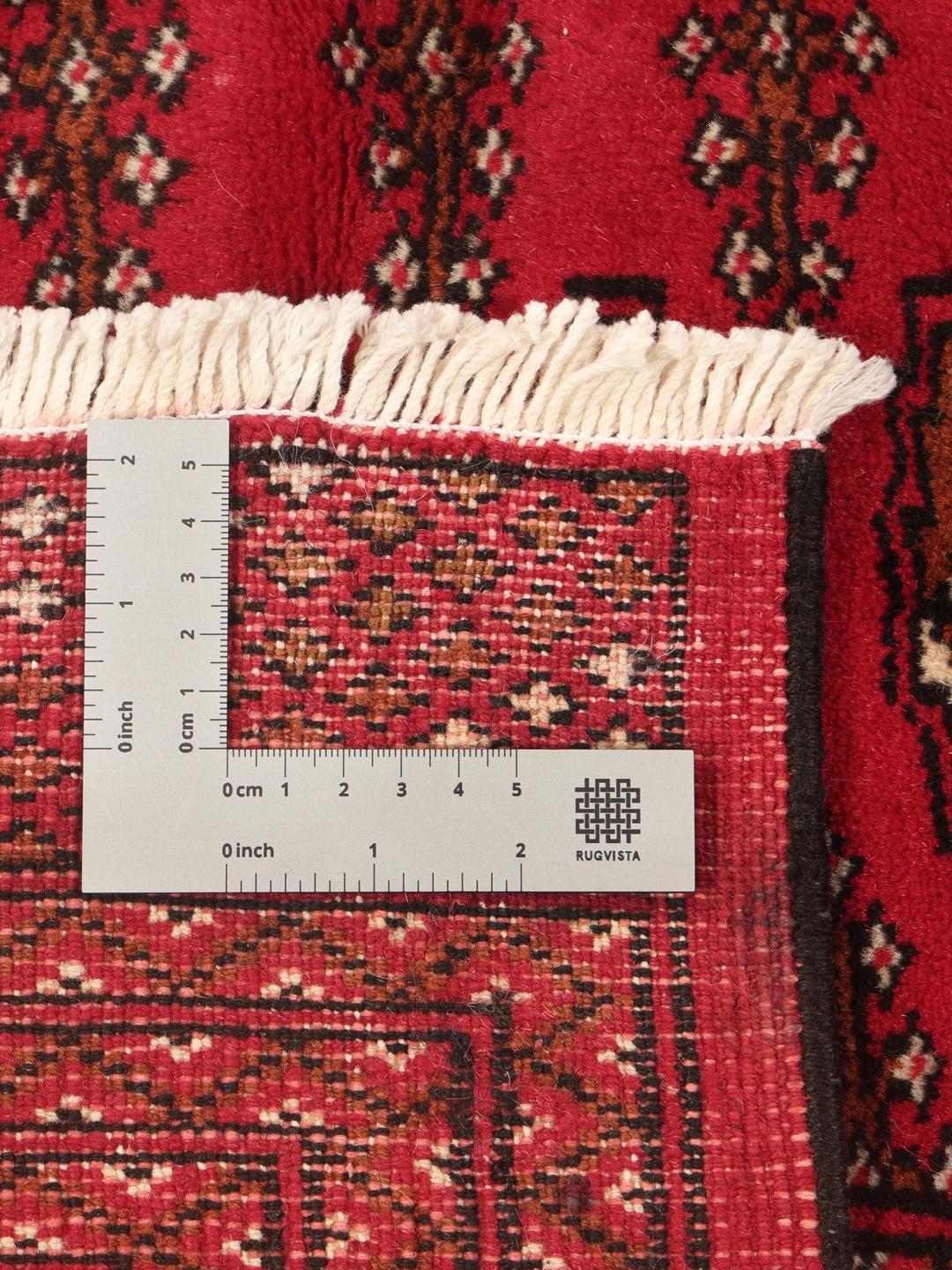
The term Turkaman refers to both the tribal origin and the specific weaving style, which is often characterised by a dense, sturdy construction. The use of high-quality Wool, typically sourced from local flocks, results in a pile that is known for its sheen and remarkable longevity. This combination of materials and traditional techniques ensures that these rugs can withstand decades of use while developing a beautiful patina that only enhances their character.
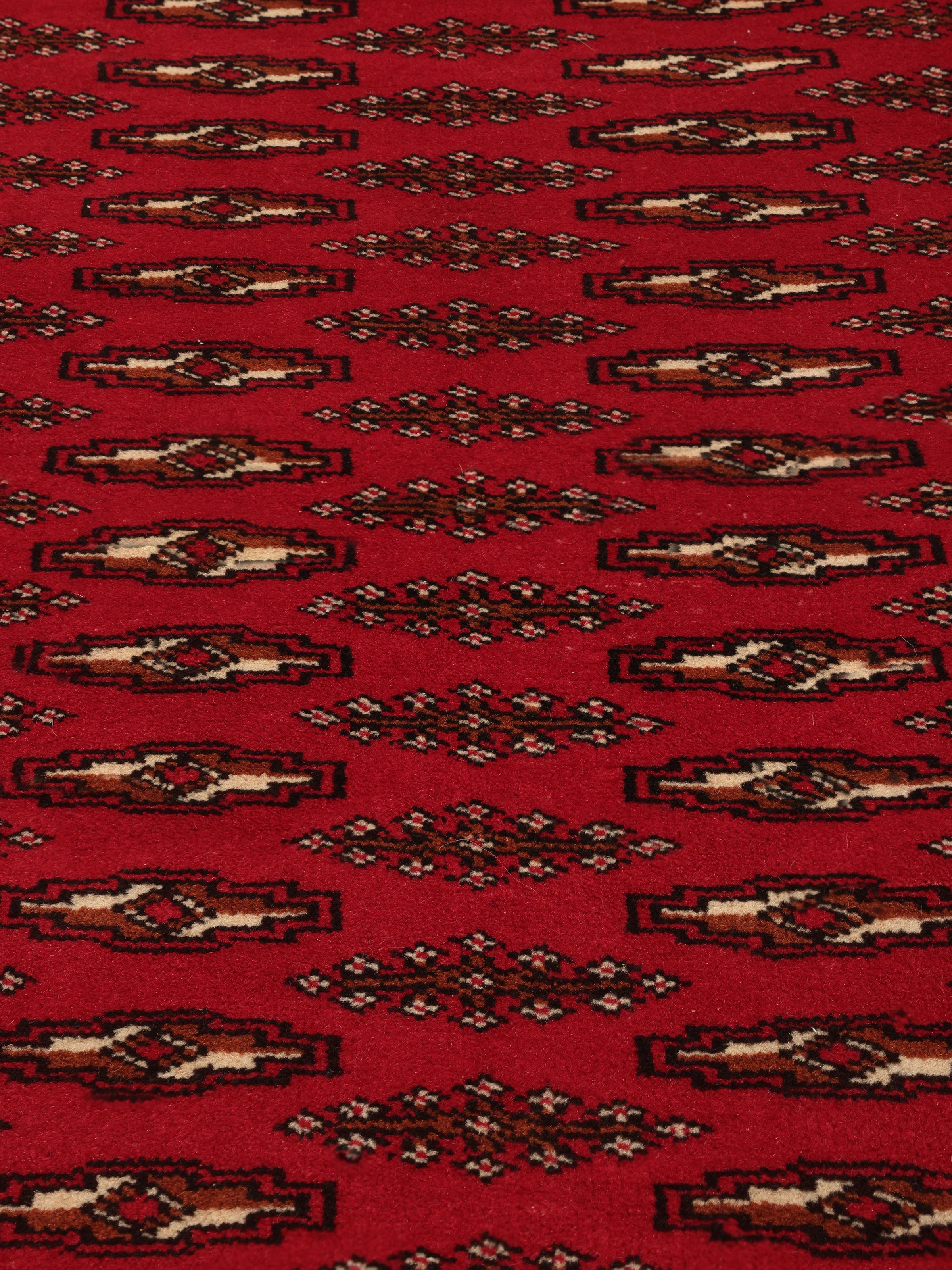
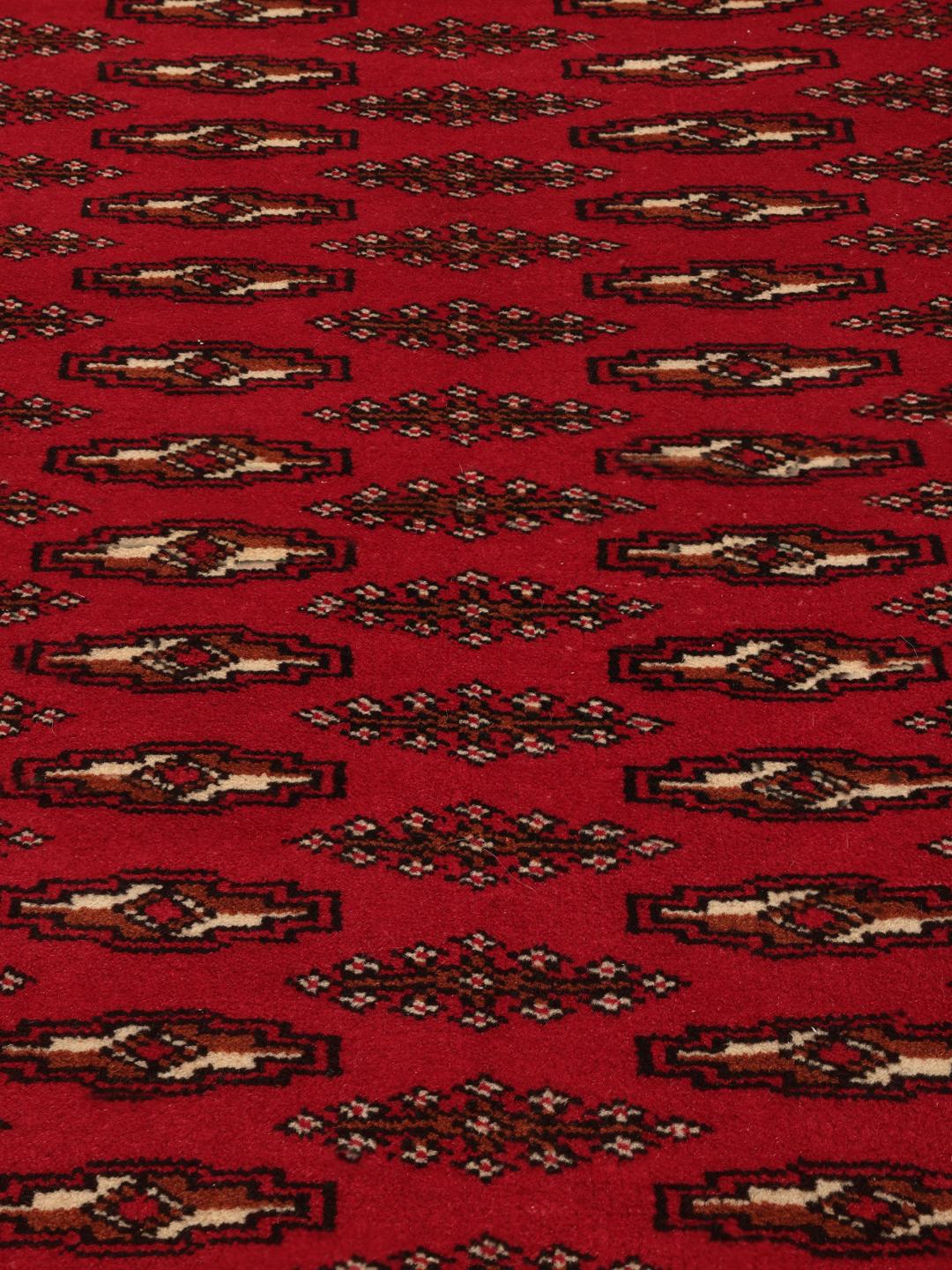
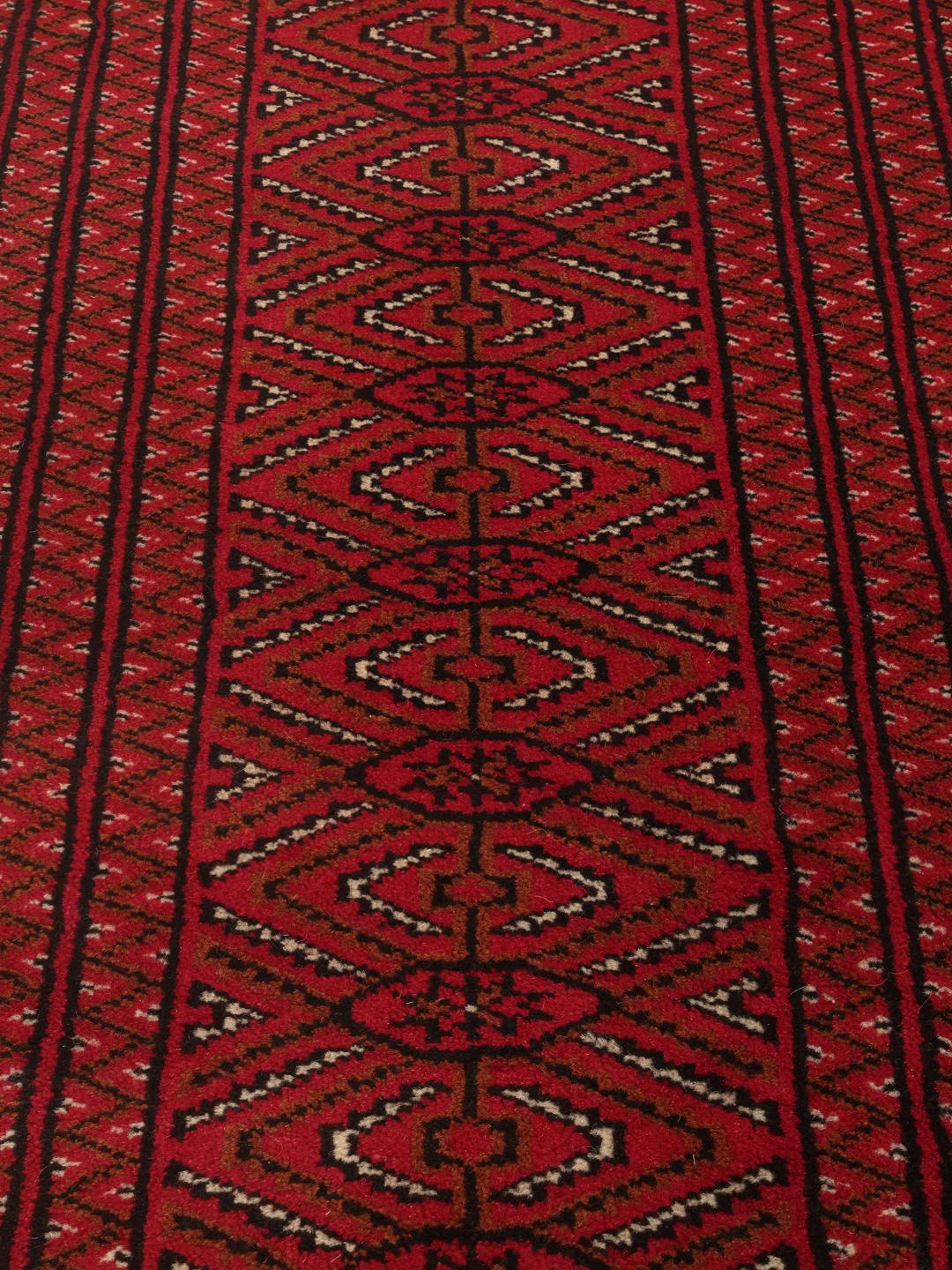
Signature design elements of the Turkaman tradition include the iconic gul motif, a repeating geometric medallion that often represents tribal identity and history. These motifs are typically arranged in clean, structured rows across the field, surrounded by elaborate geometric borders. While the classic palette is dominated by deep, earthy reds, the precision with which these shapes are executed is a hallmark of the most skilled weavers in the region.
Owning a Turkaman rug is more than just a decor choice; it is an appreciation of a heritage that values skill, patience, and visual storytelling. Collectors and homeowners alike treasure these pieces for their cultural weight and their ability to bridge the gap between ancient craft and modern living. By choosing a unique rug from this tradition, you are continuing a legacy of artisanal excellence that remains as relevant today as it was centuries ago.