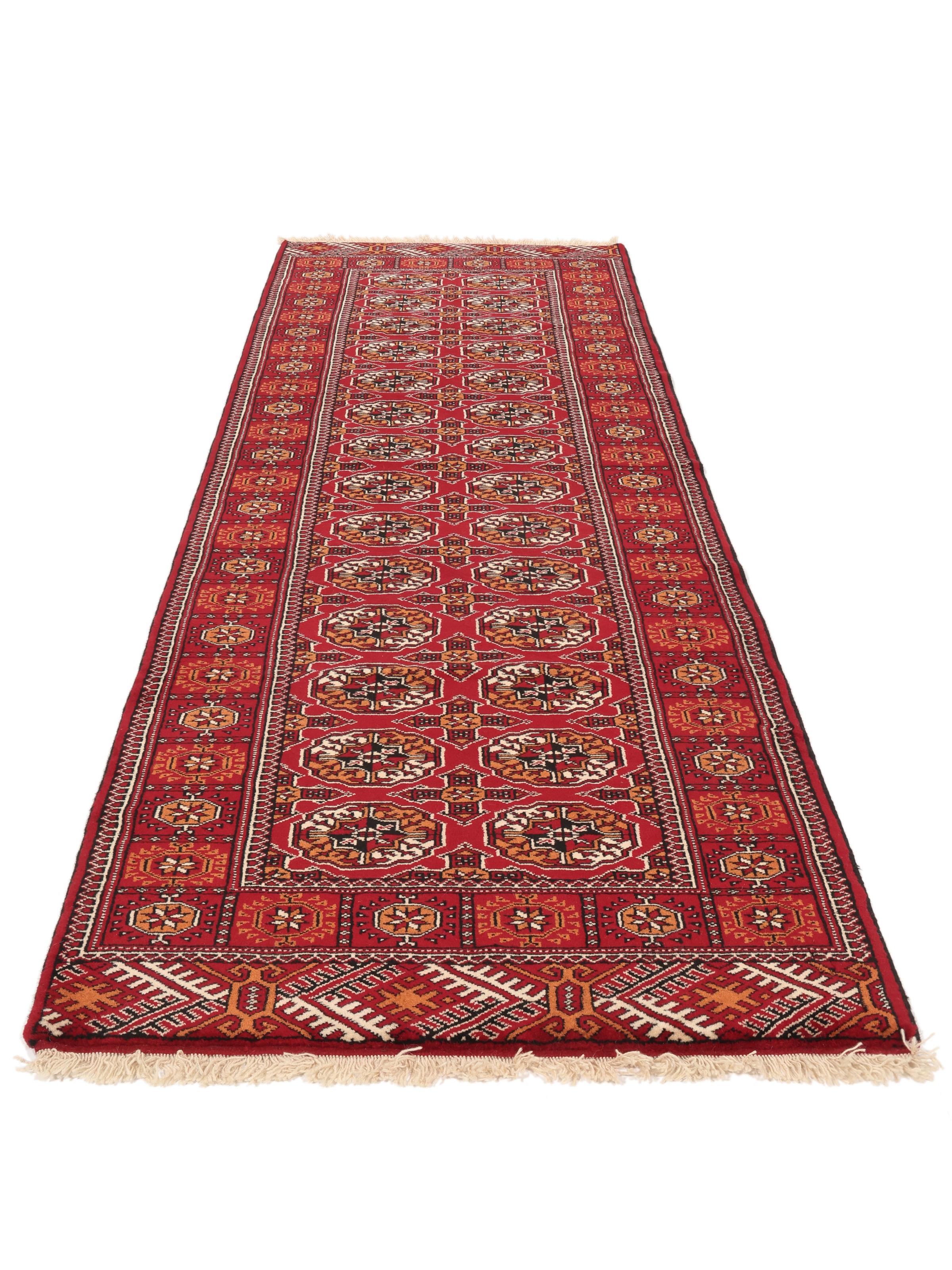
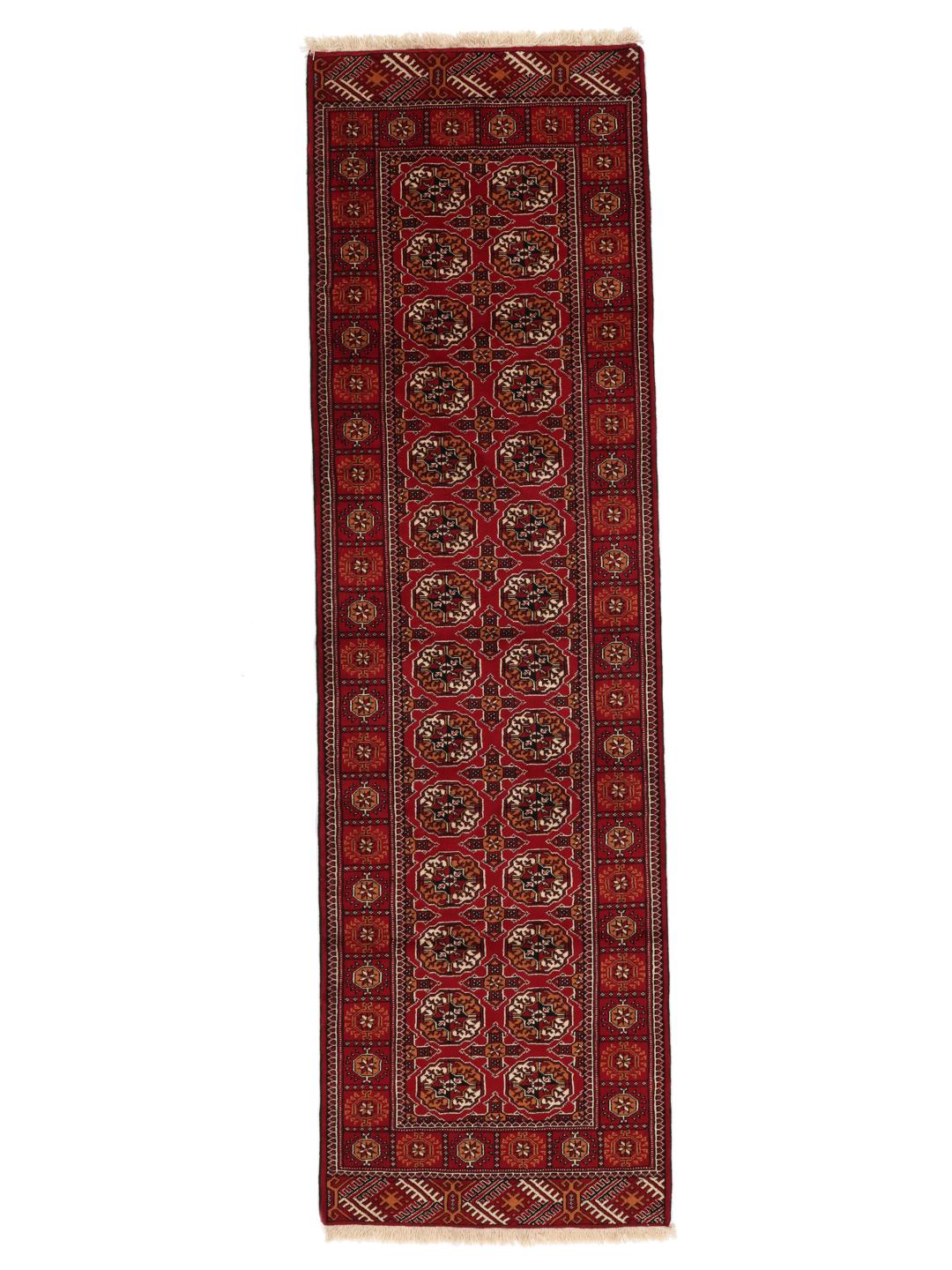
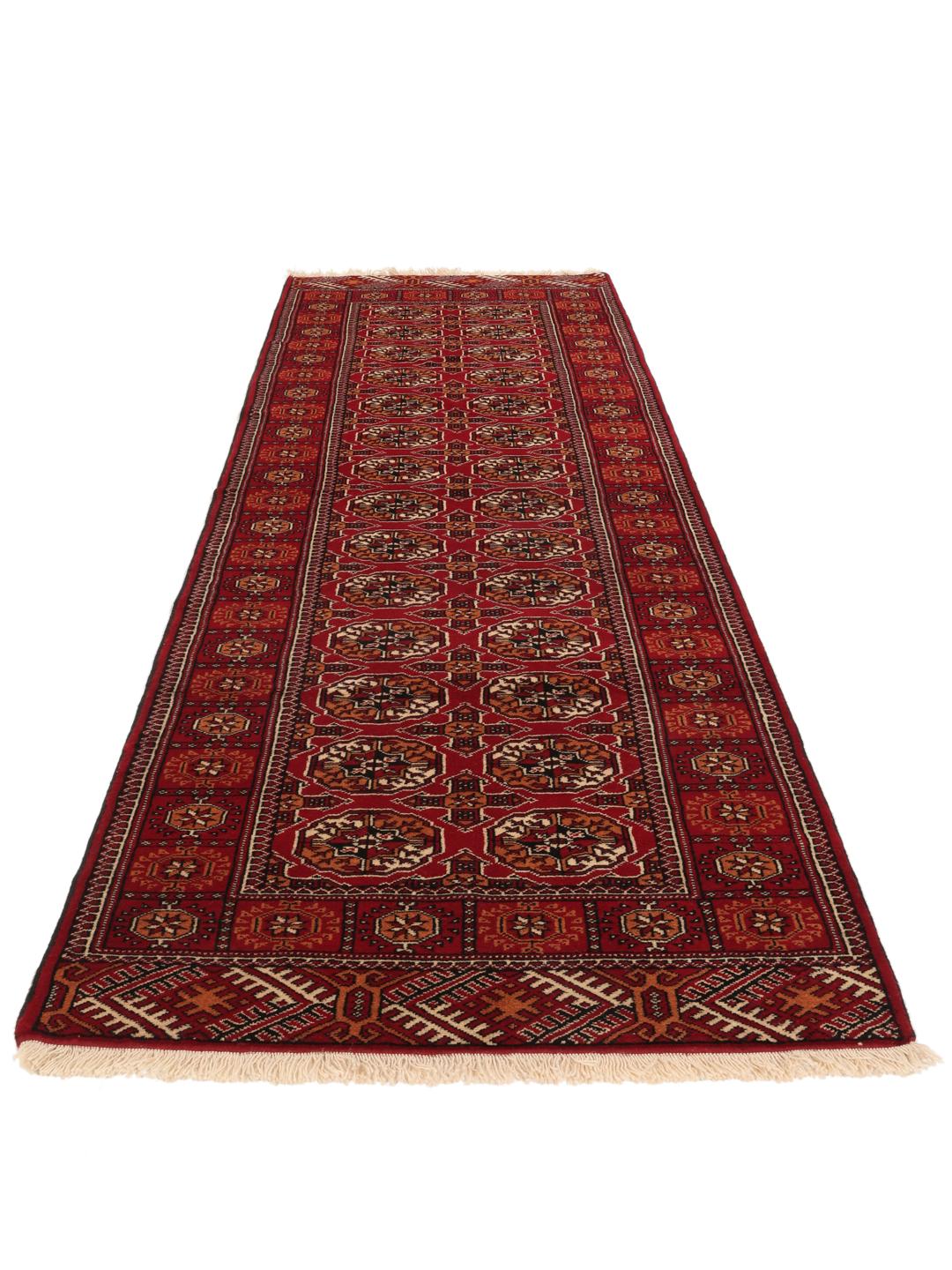
The Turkaman tradition originates from the nomadic tribes of the Middle East, a region with a storied history of rug weaving that spans generations. These rugs were historically created by tribal communities, each group infusing their own distinct cultural identity and symbolism into the patterns, serving as both functional floor coverings and expressions of heritage.
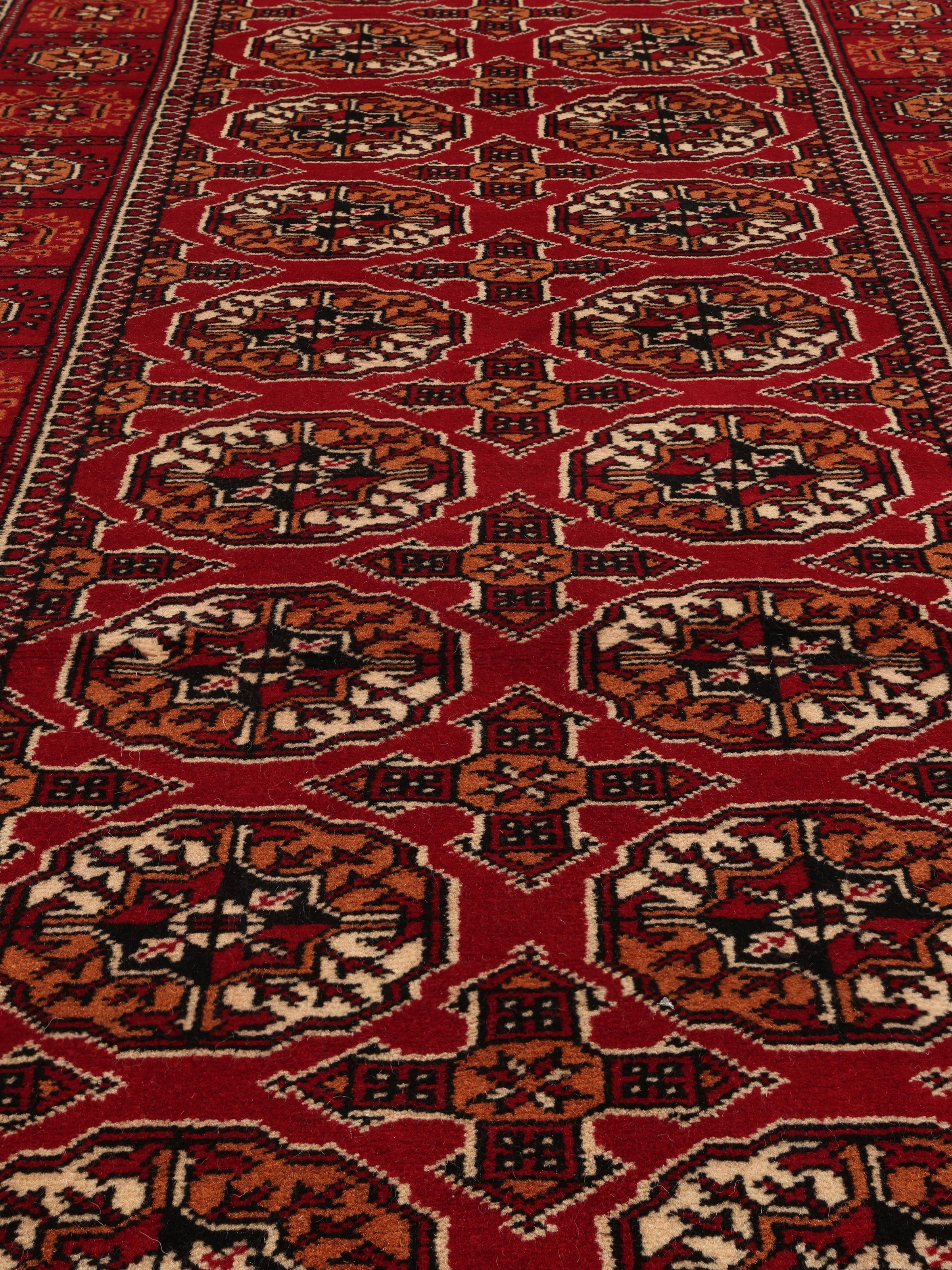
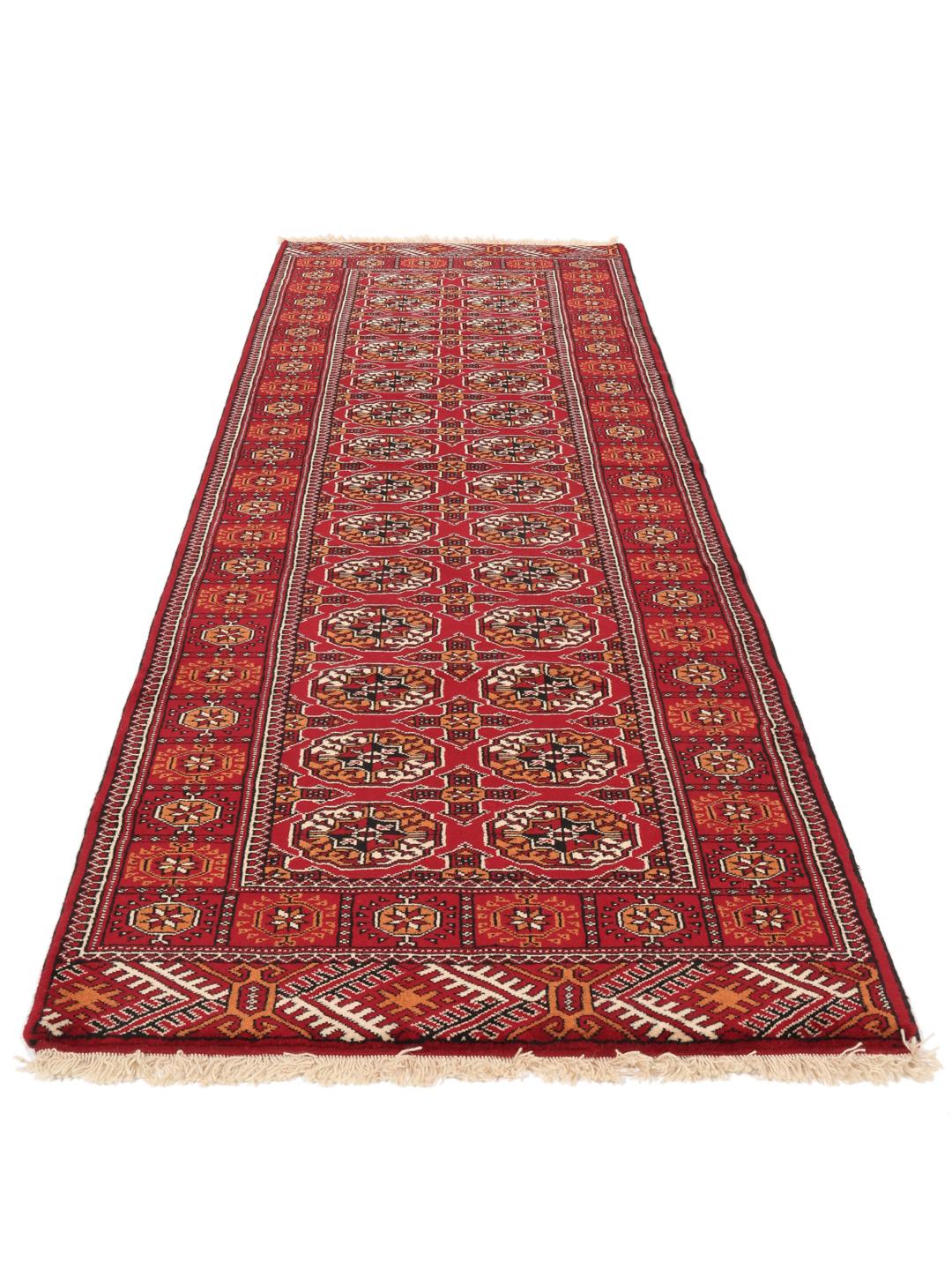
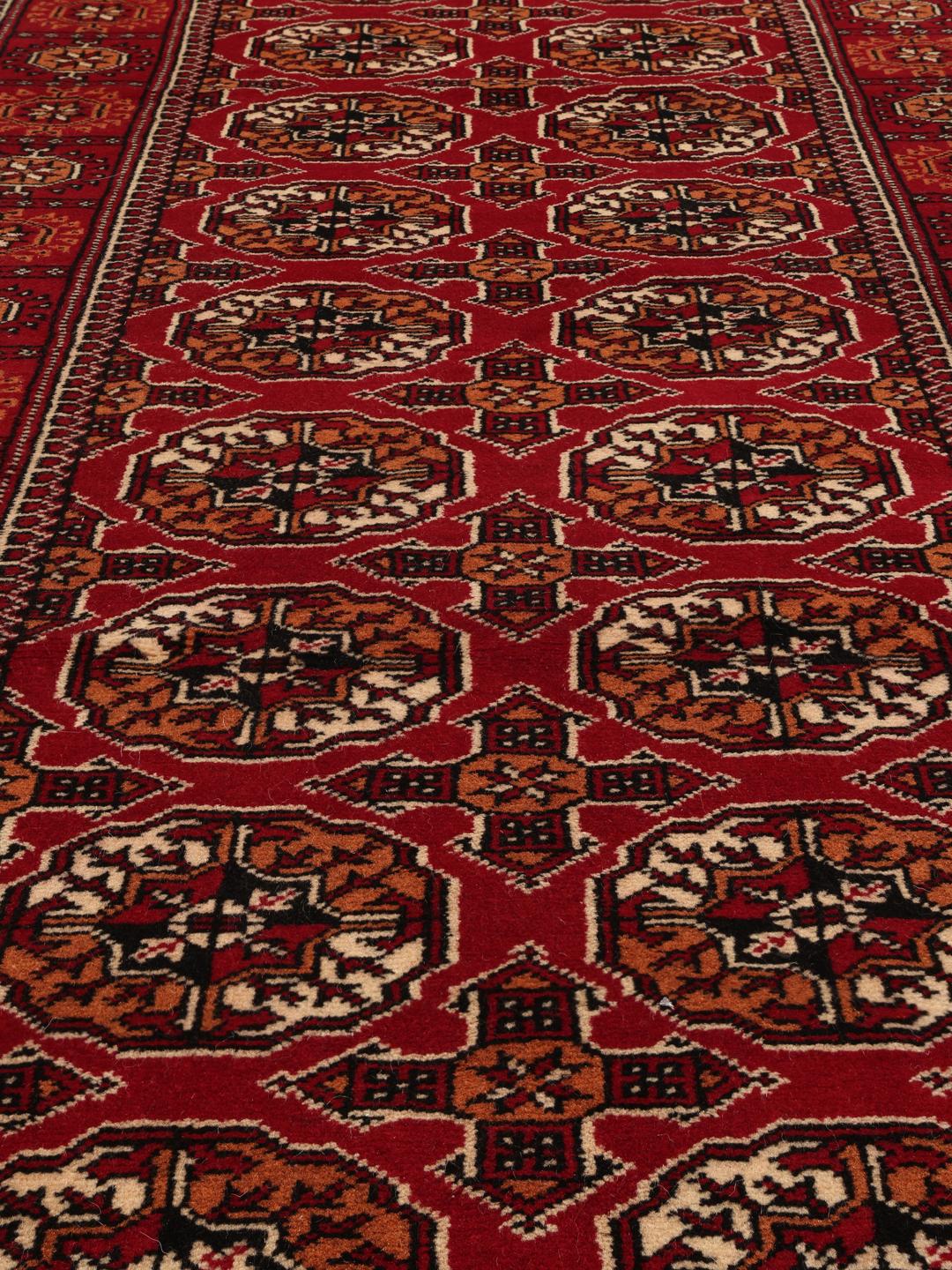
The term Turkaman refers to the specific style of weaving that has evolved over centuries, often characterised by the use of rich, deep red tones and repetitive, symmetrical patterns. These designs are not merely decorative but are deeply rooted in the history of the regions where they were first crafted, reflecting a commitment to precision and tradition that has been passed down through families.
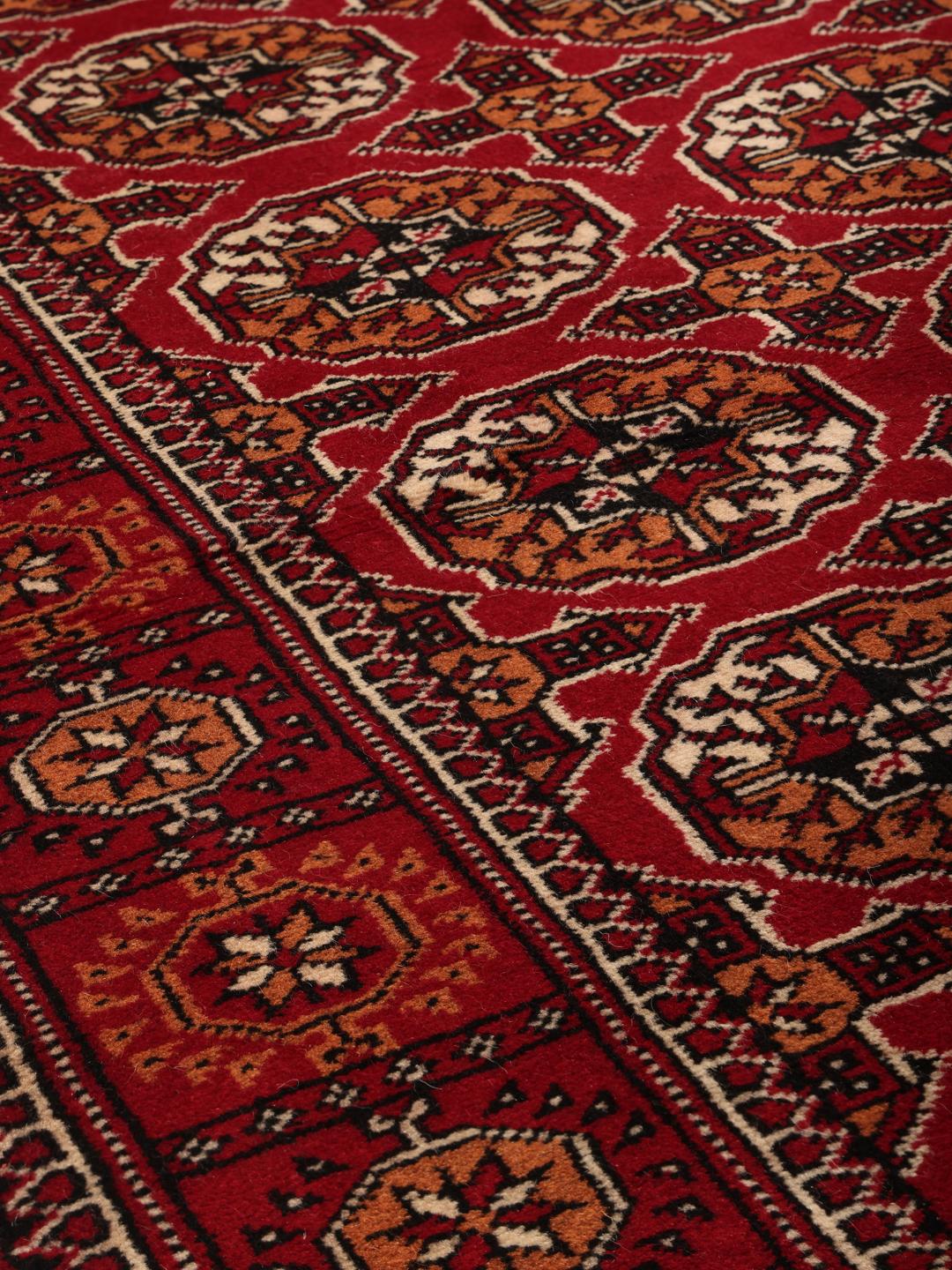
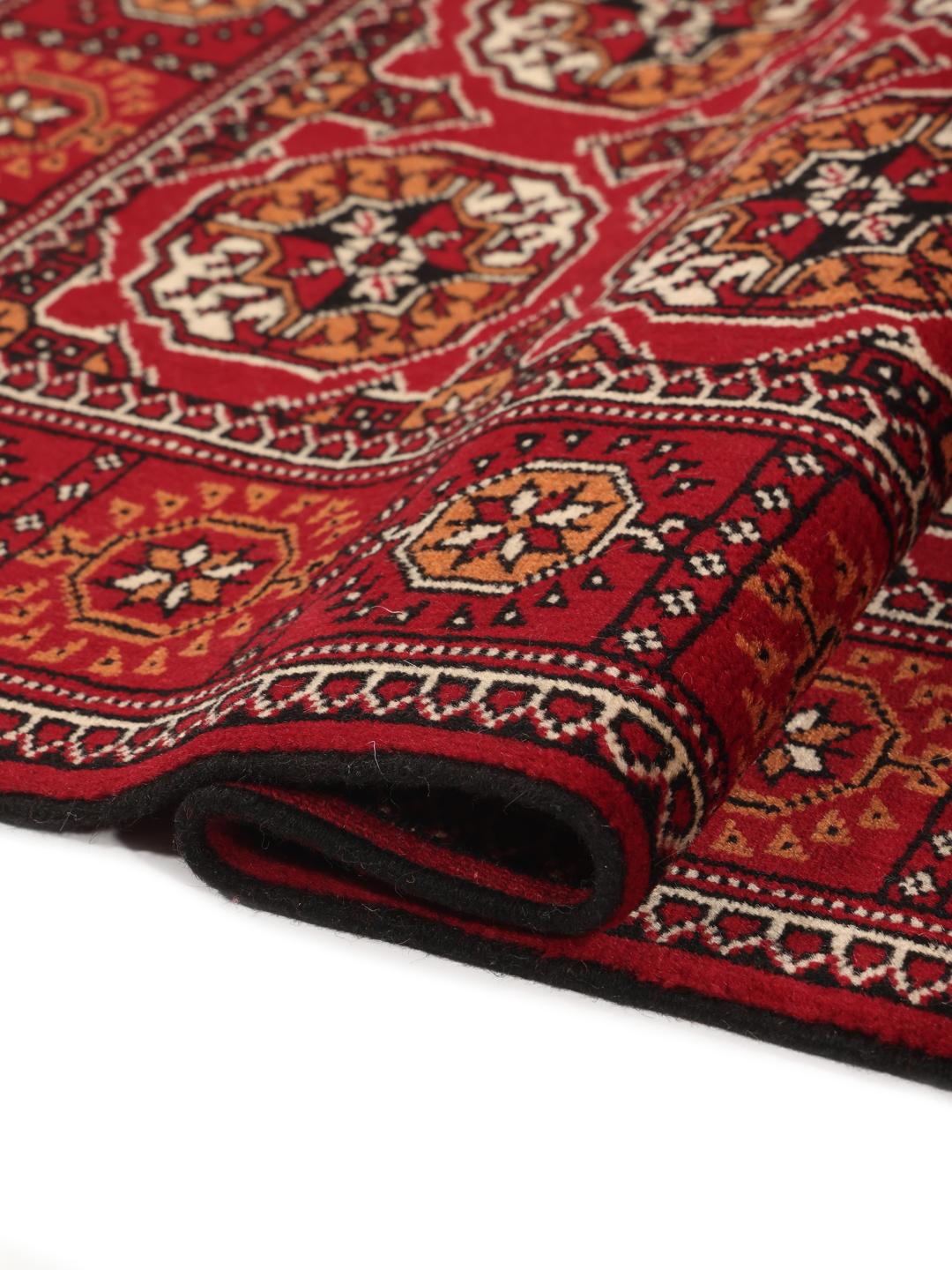
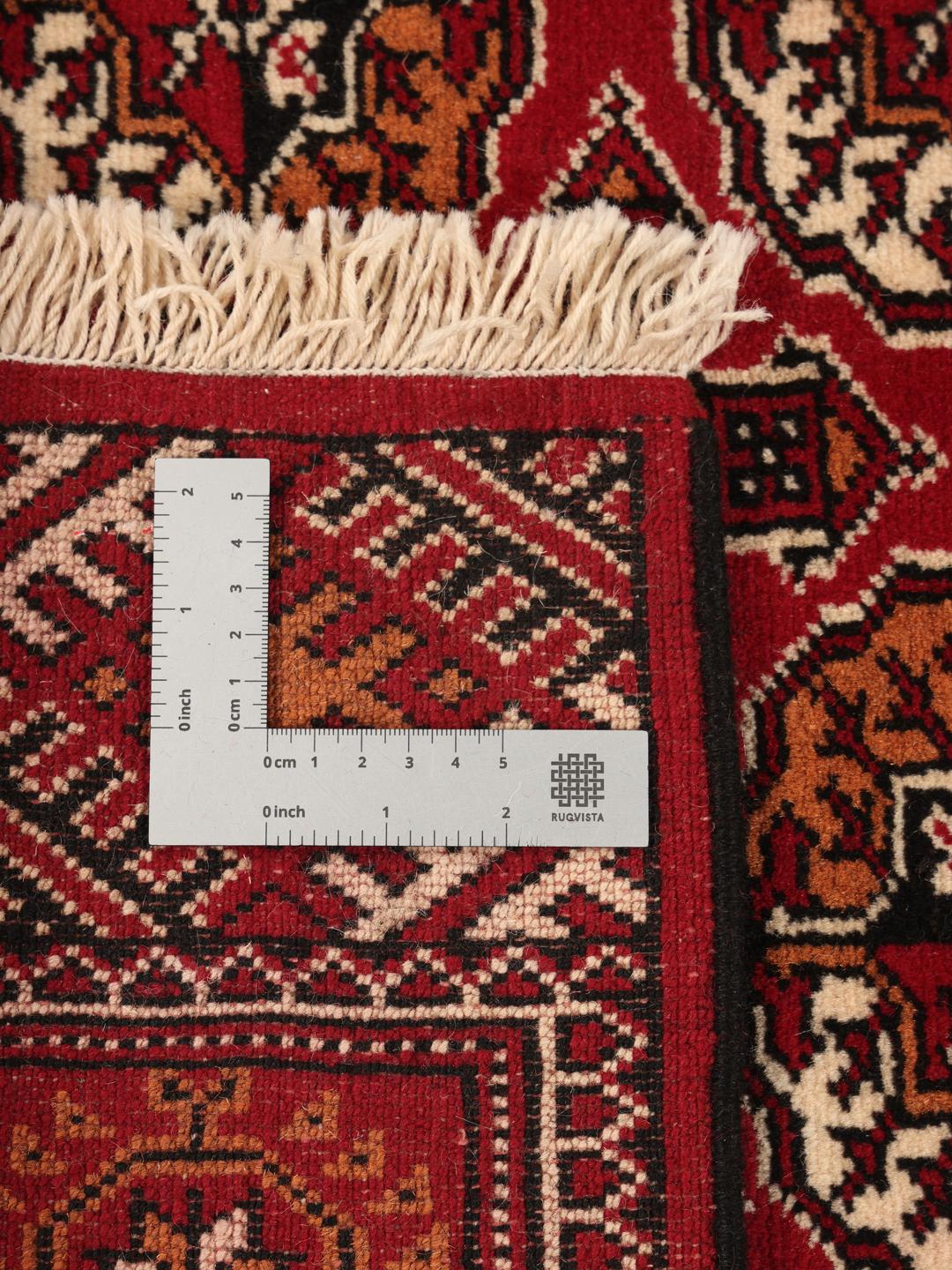
A signature element of this tradition is the repeating gul motif, an octagonal or medallion-like shape that fills the field of the rug. These motifs are often arranged in a formal, grid-like structure, framed by intricate borders that balance the complexity of the centre. The use of these specific, time-honoured patterns makes these rugs instantly recognisable and highly sought after by collectors.
Today, owning a piece from this tradition is a way to honour a craft that values longevity and skill. These rugs are collected not only for their aesthetic beauty but for their cultural weight and the undeniable quality that comes from a tradition where each knot is placed with intention and care. They serve as a bridge to the past, bringing a sense of history and permanence into the contemporary home.