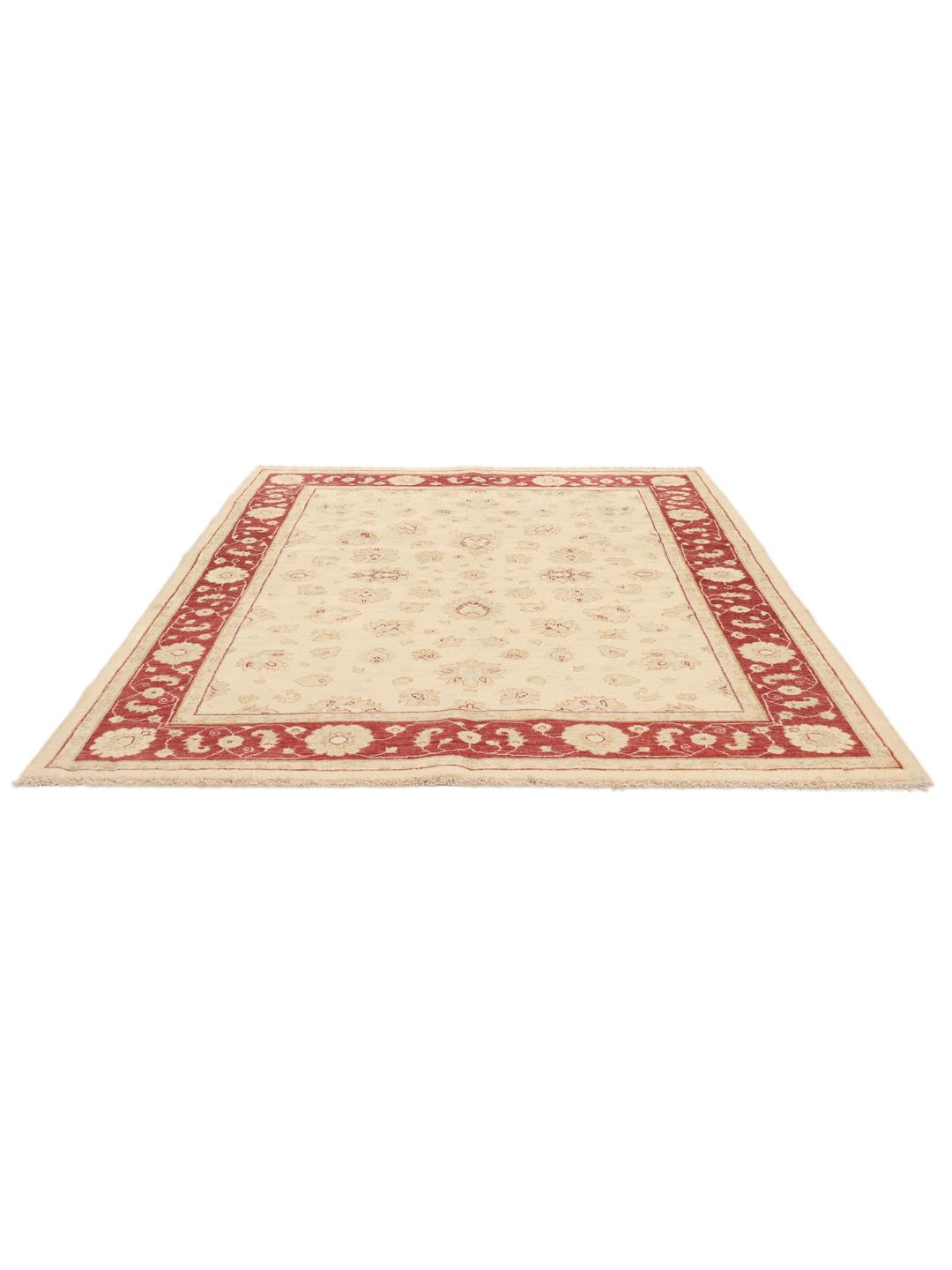
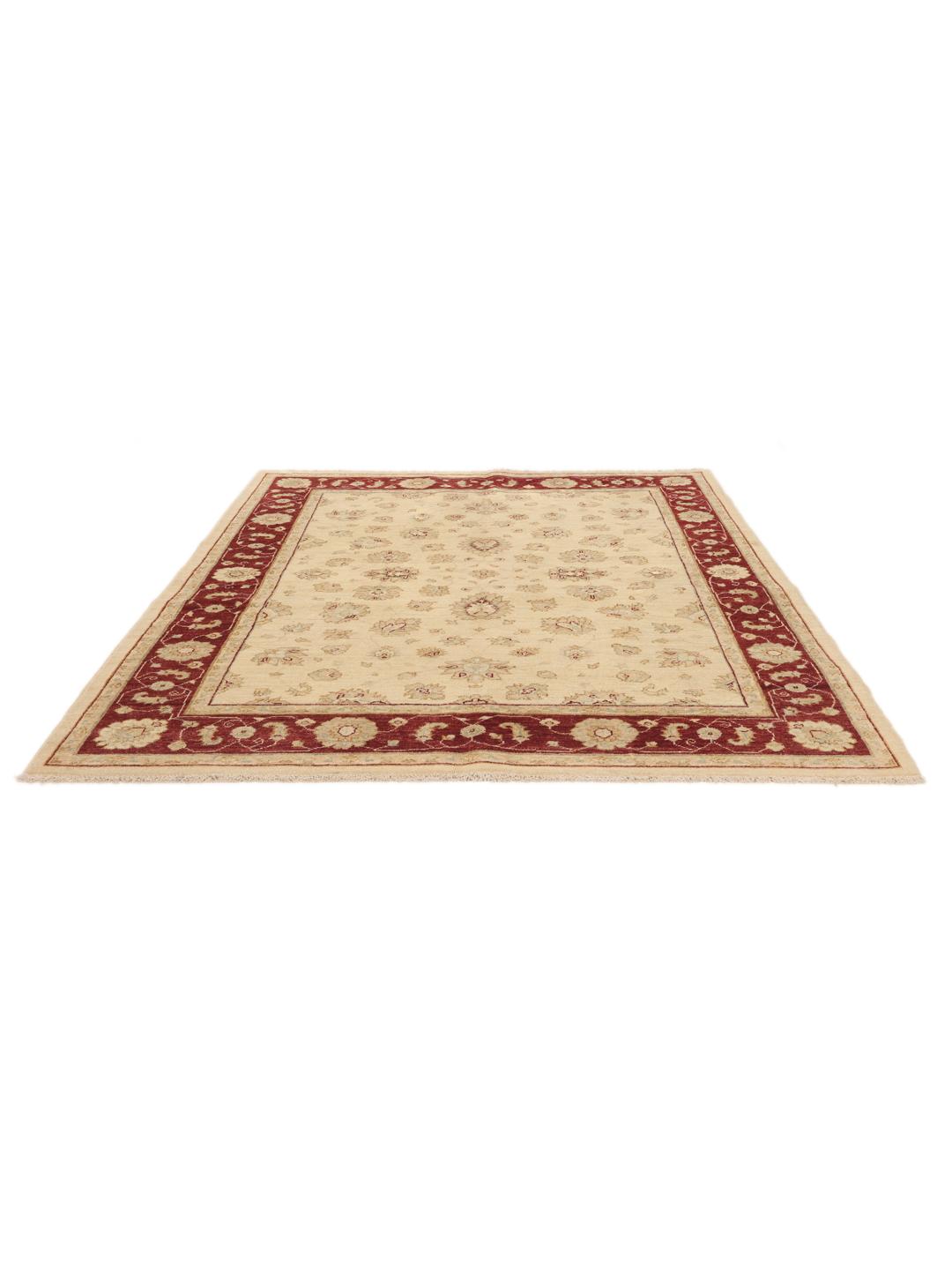
The Ziegler tradition finds its roots in the late 19th century, when the demand for high-quality carpets in the West led to a collaboration between European design firms and Middle Eastern weavers. These rugs were originally inspired by the classic patterns of the Safavid era, but were simplified and adapted to better suit more contemporary interior tastes of the time.
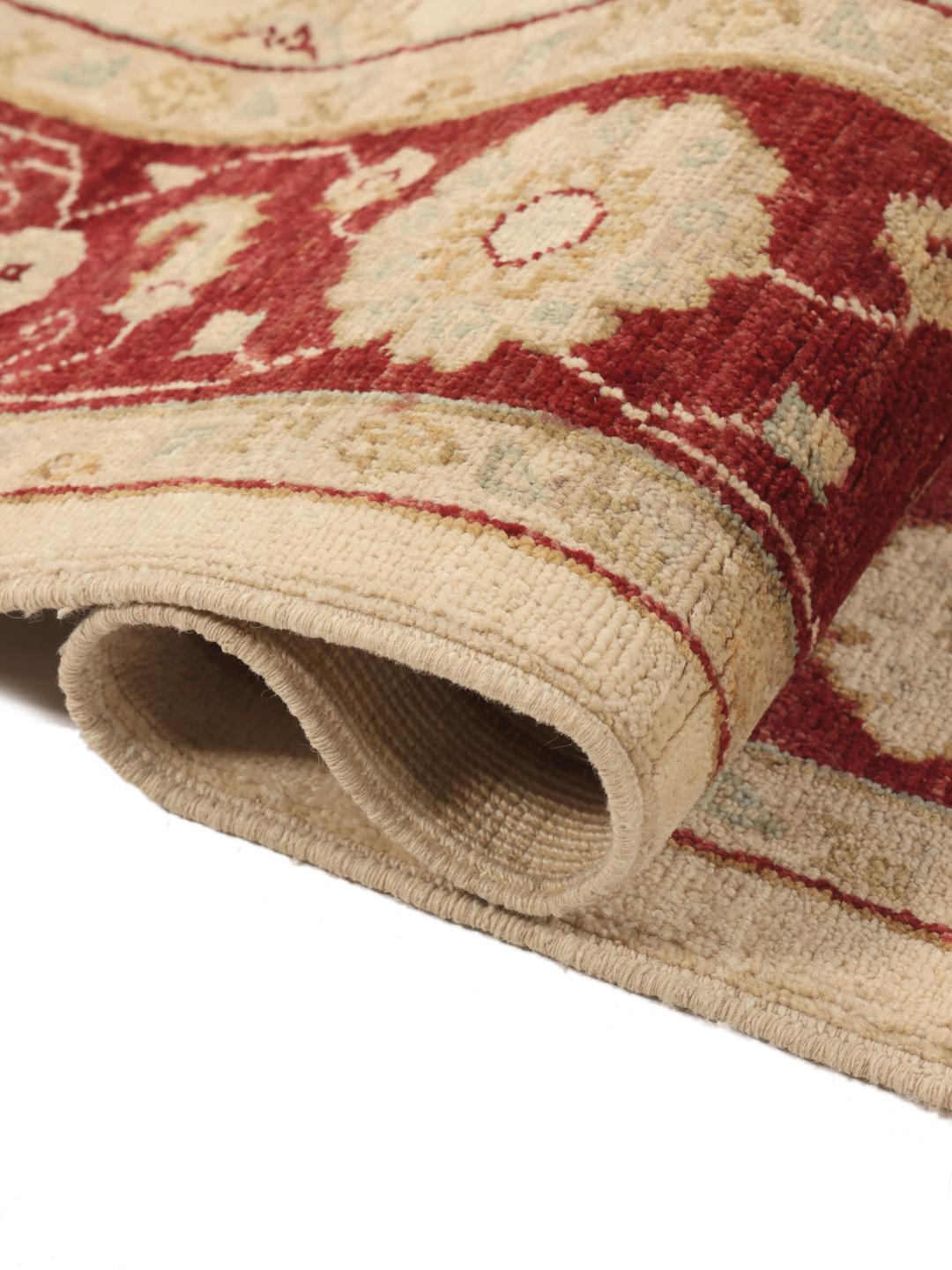
Today, these rugs are masterfully produced in Afghanistan, where weavers maintain the legacy of these historic designs while infusing them with local craft techniques. The result is a style that bridges the gap between old-world artistry and modern living, celebrated for its ability to fit seamlessly into diverse home decor styles.
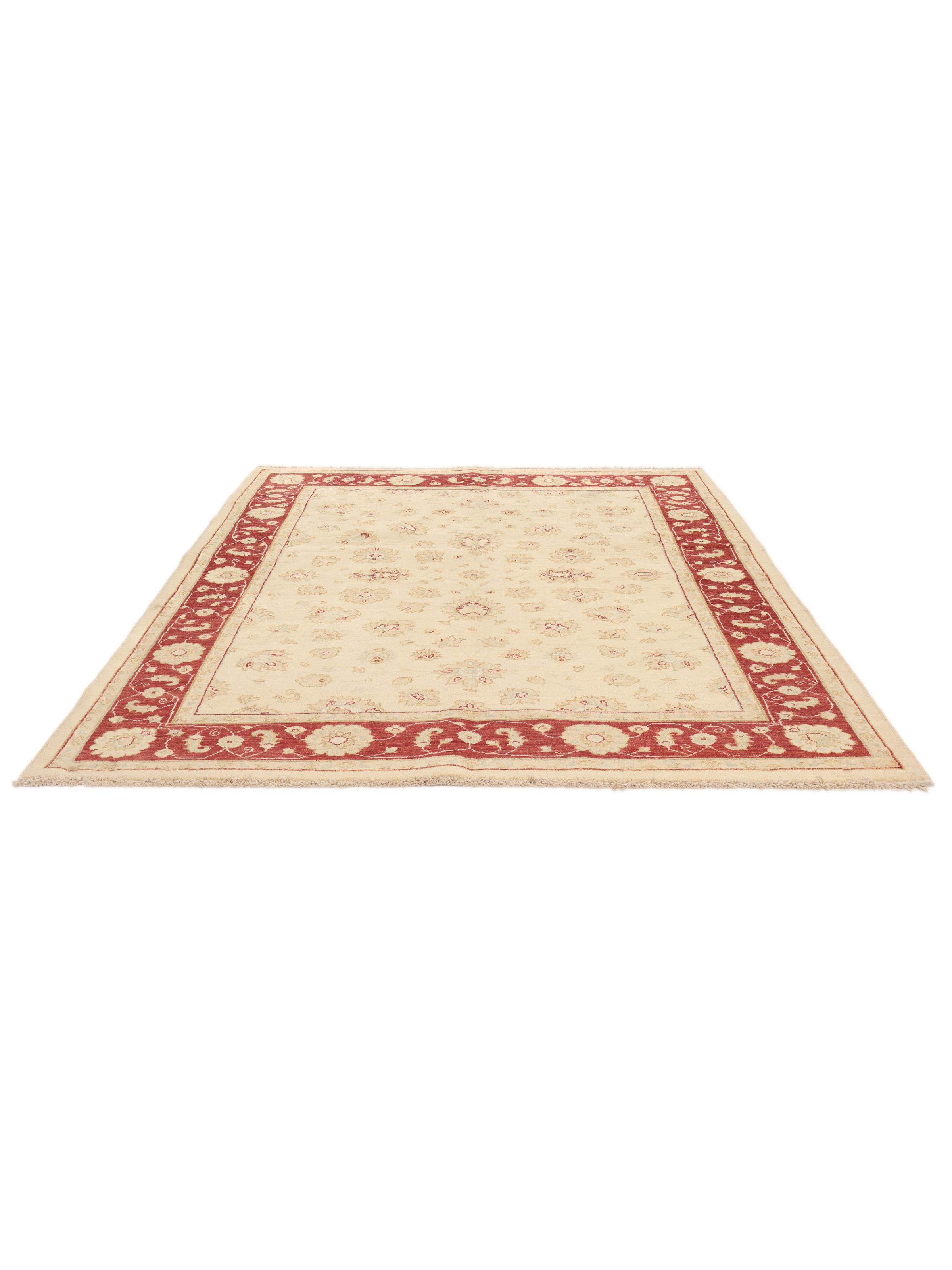
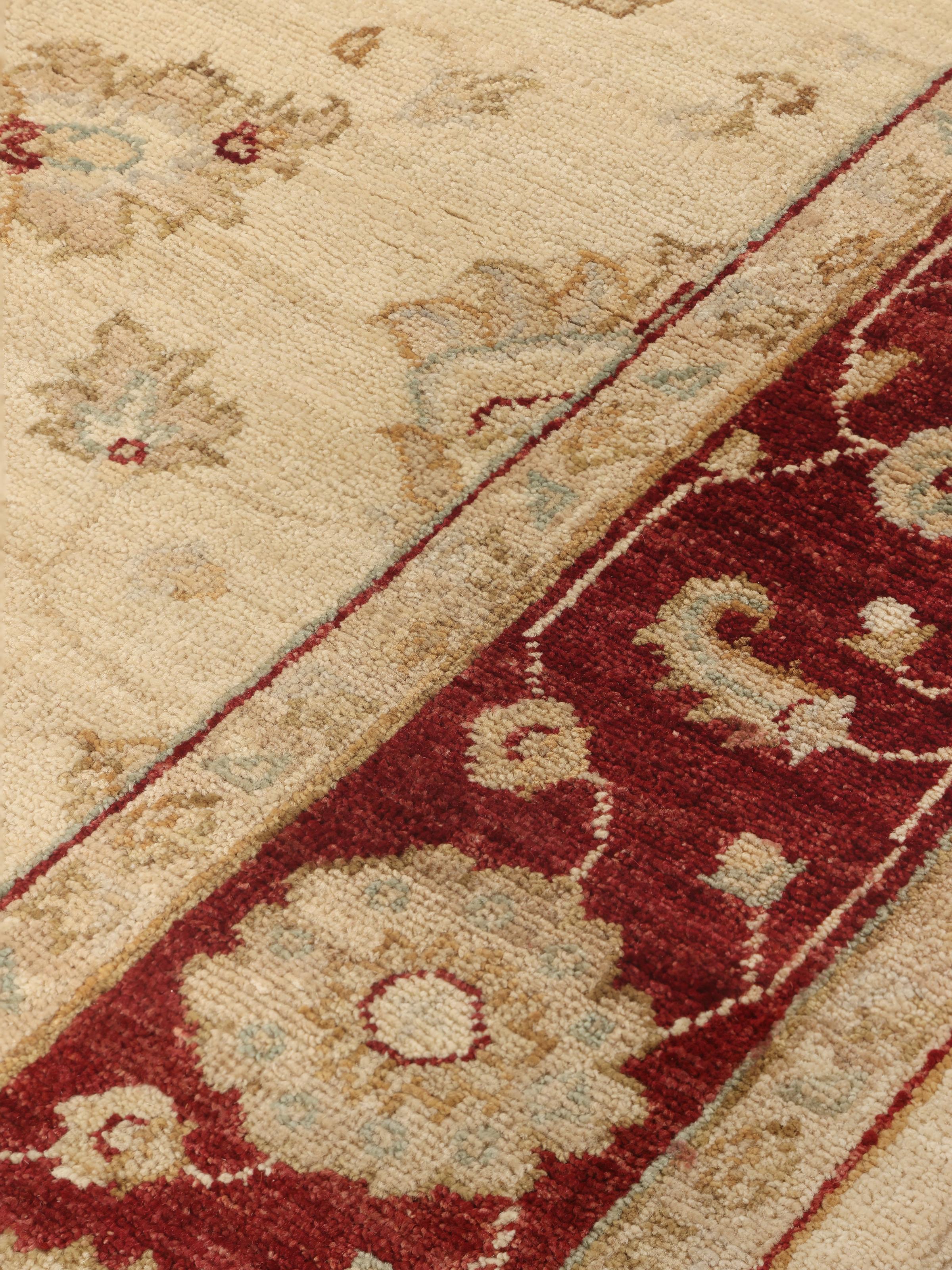
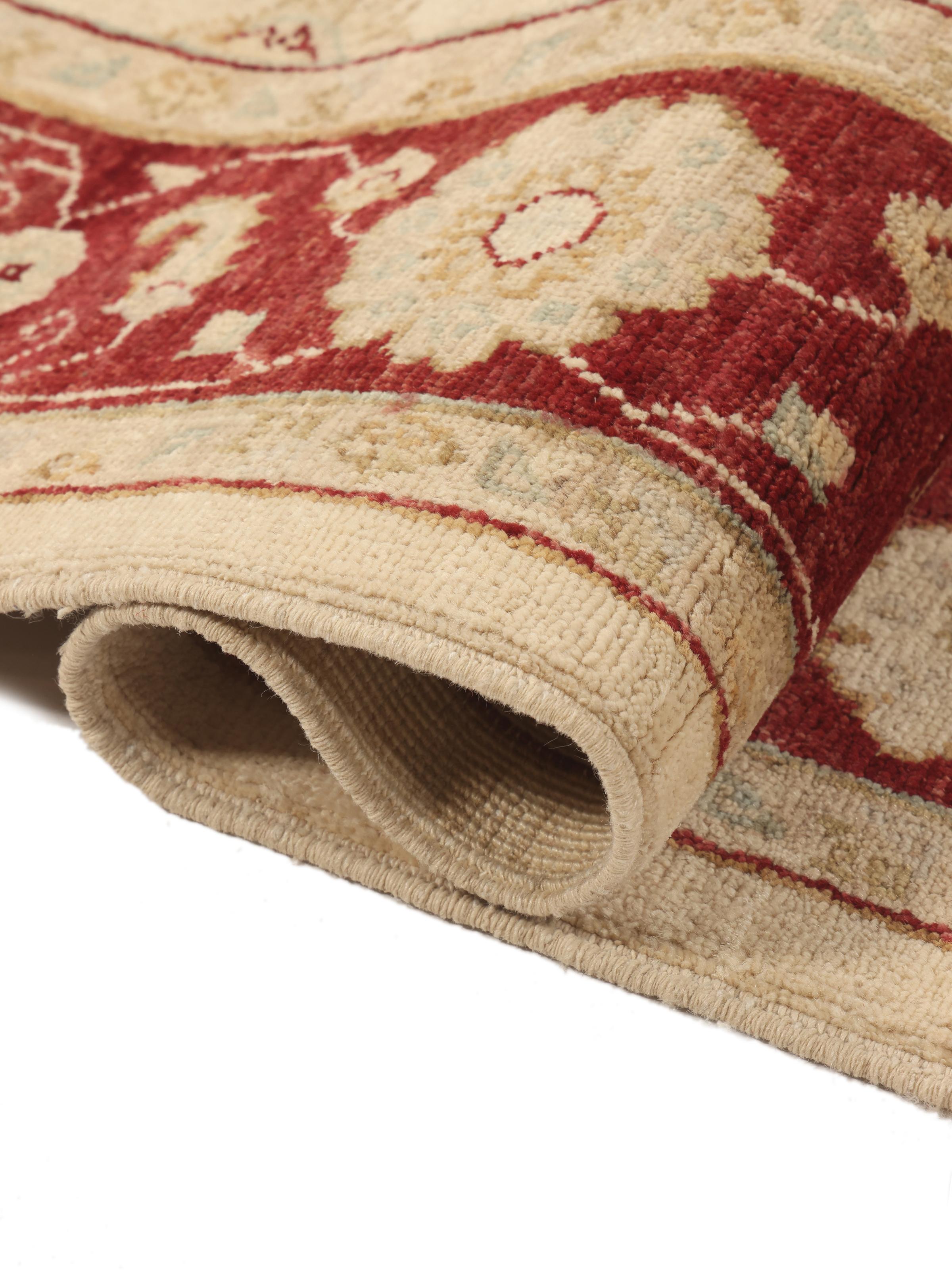
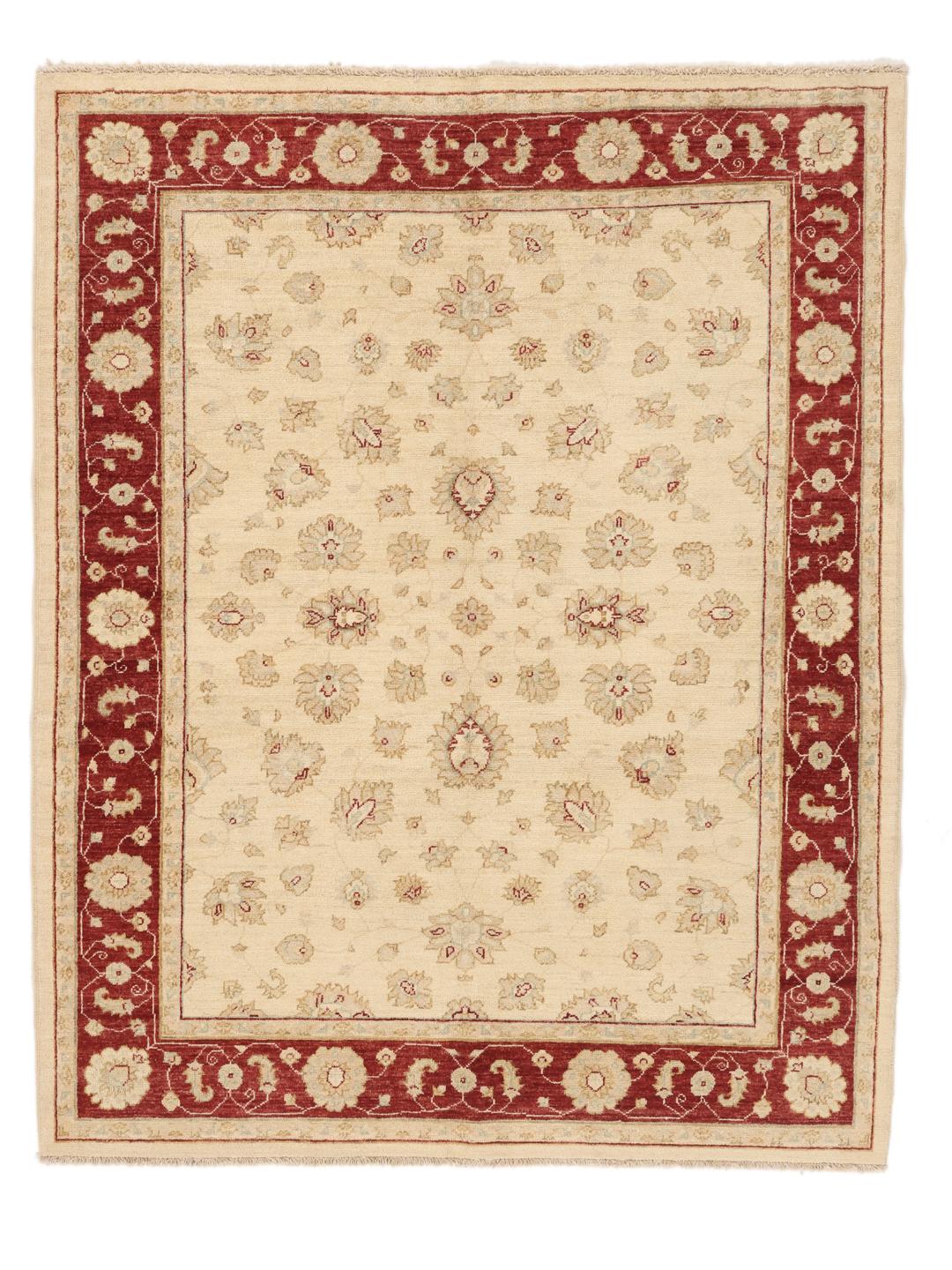
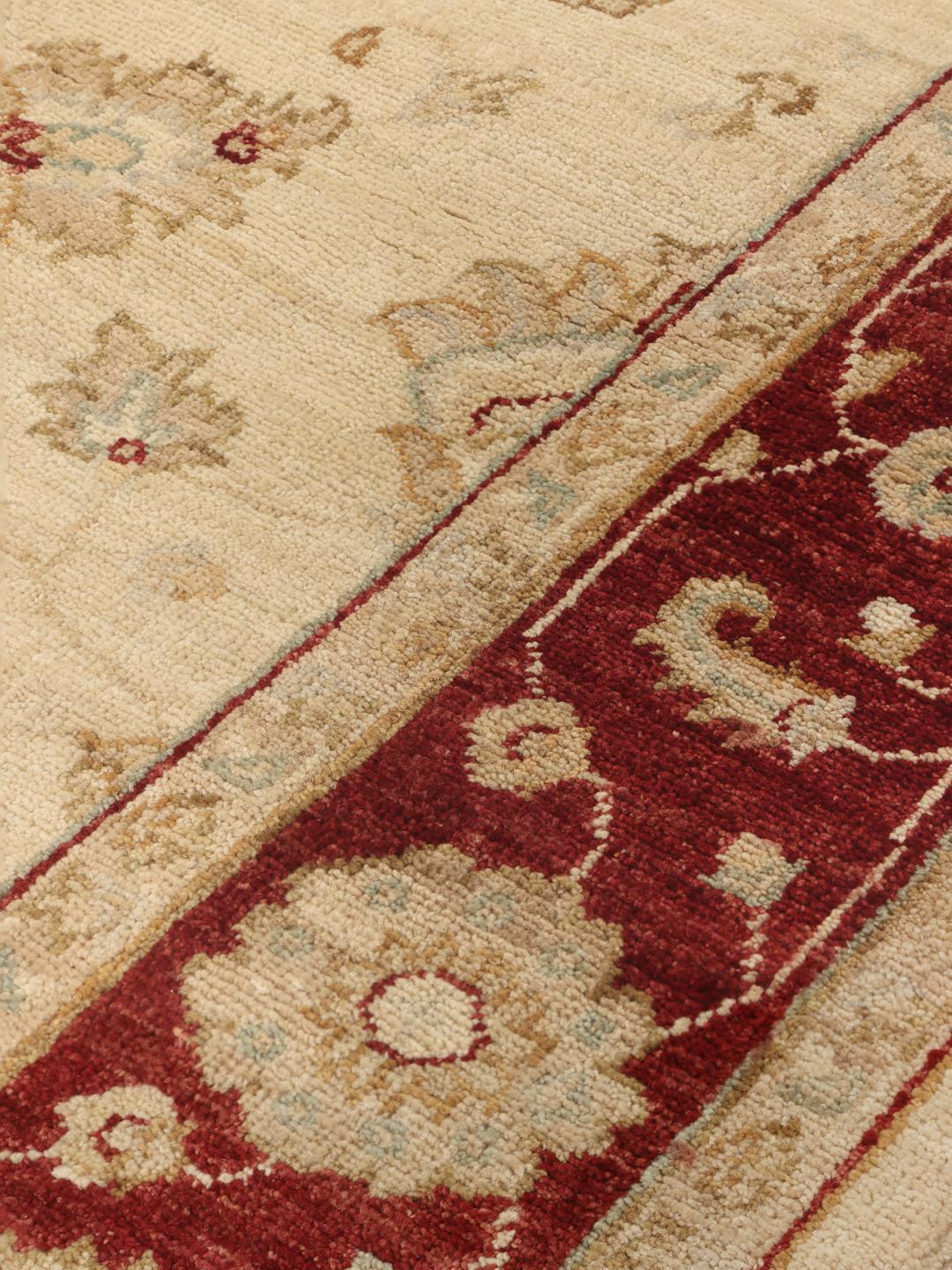
Visually, these pieces are defined by their open fields and elegant, oversized floral motifs. The designs often feature vines and palmettes that appear to float across the surface, typically framed by a broad, decorative border that anchors the composition. The use of soft, muted palettes is a hallmark of this tradition, designed to provide a serene and neutral backdrop.
Collectors value these rugs not only for their aesthetic grace but for the dedication to craft they represent. Owning a piece from this tradition is a way to connect with a history of artistic exchange, ensuring that a legacy of skill and beauty continues to live on in your own home.