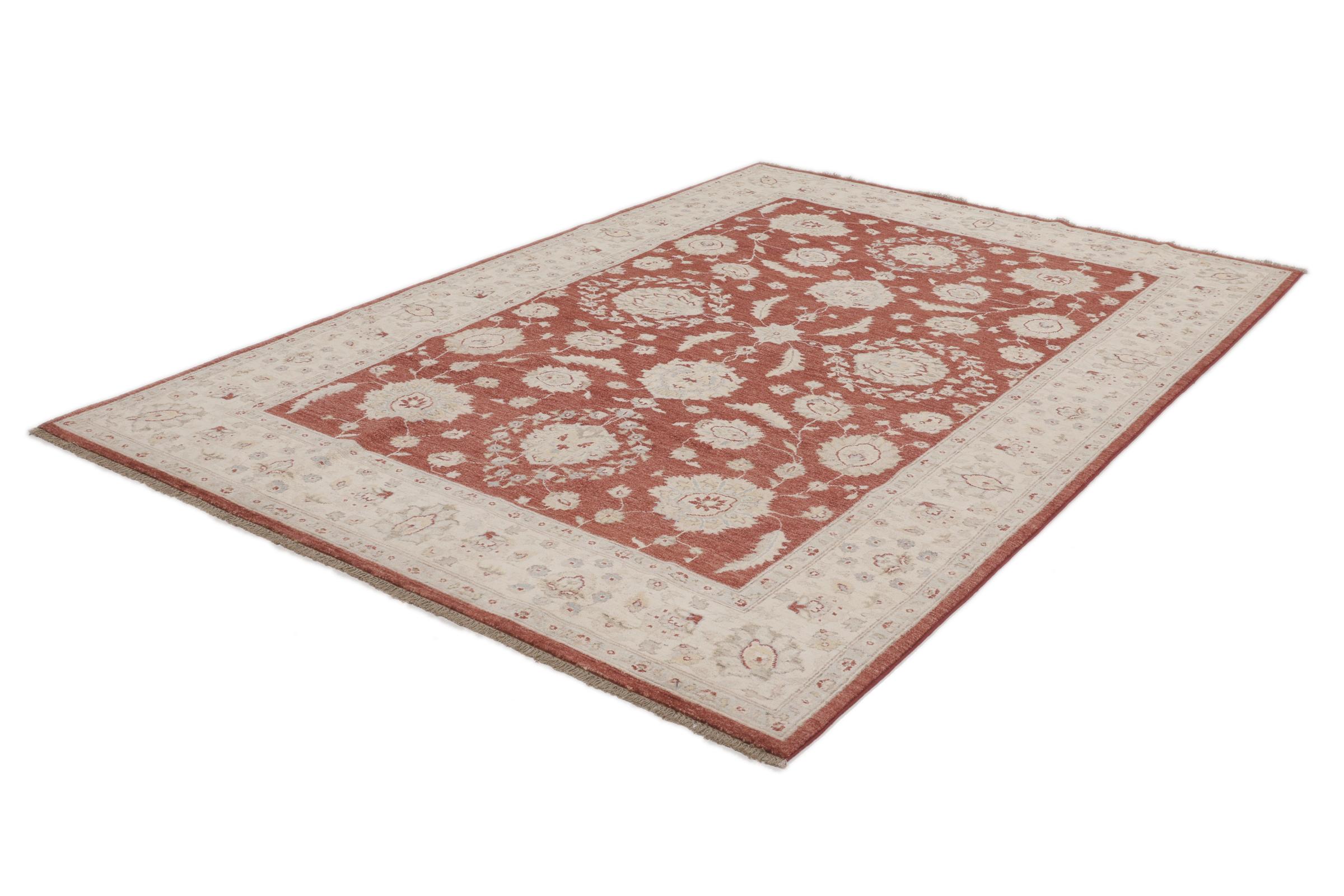
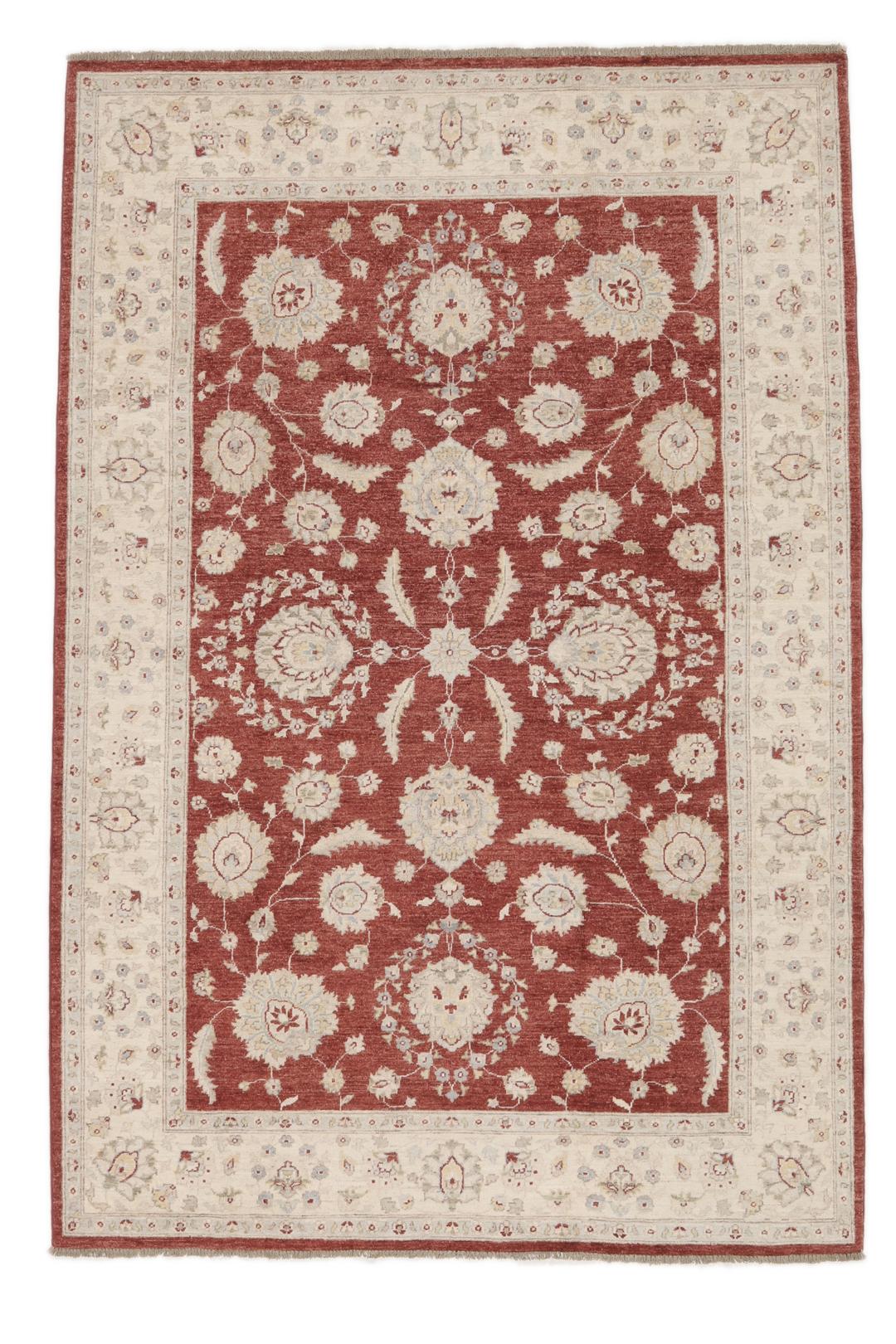
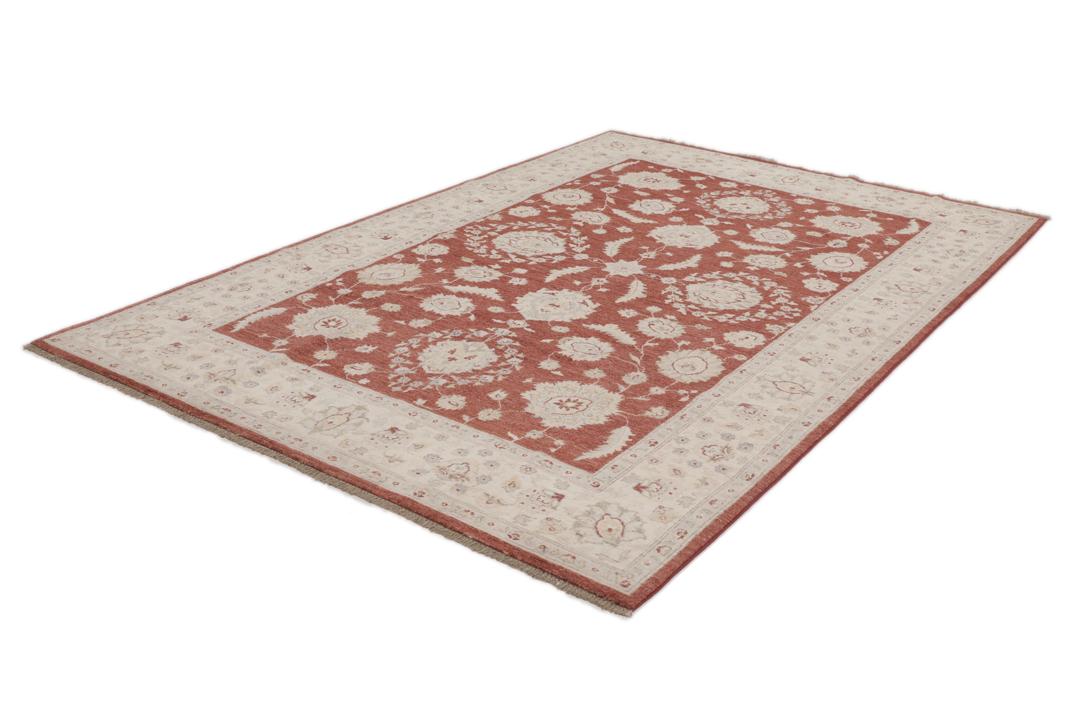
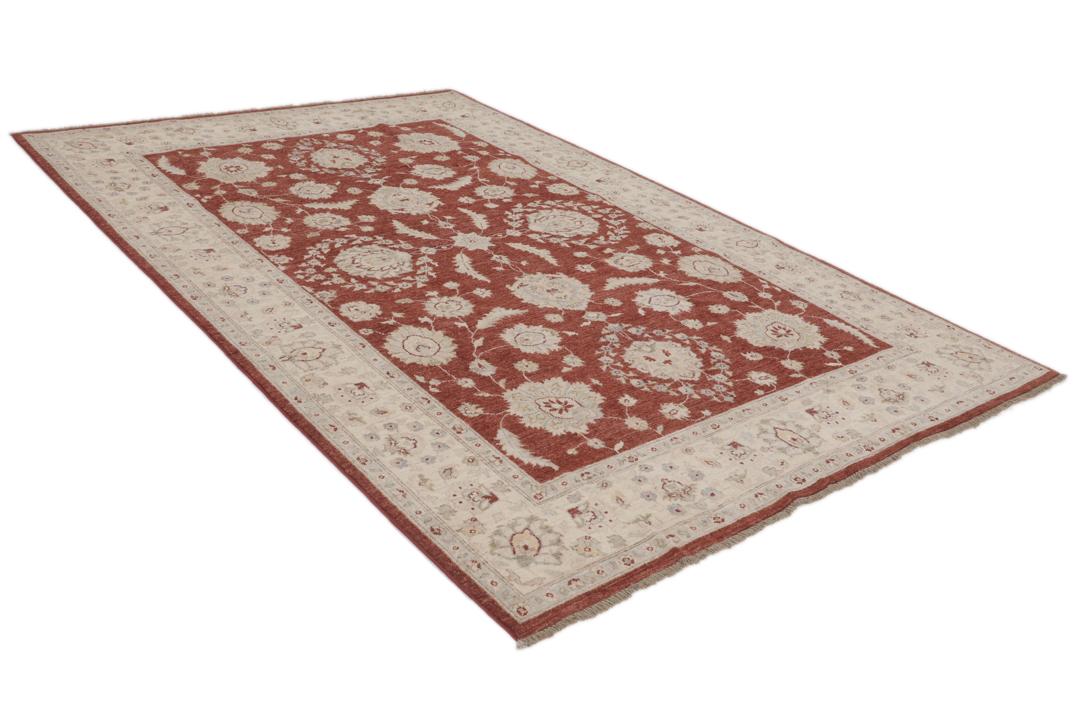
The Ziegler tradition originated in the late 19th century when the Swiss firm Ziegler & Co. commissioned rugs in the Middle East to suit Western tastes. They sought to adapt the grand, intricate designs of historical carpets into patterns that felt more airy and understated, using natural dyes and hand-spun wool to achieve a softer, more muted palette.
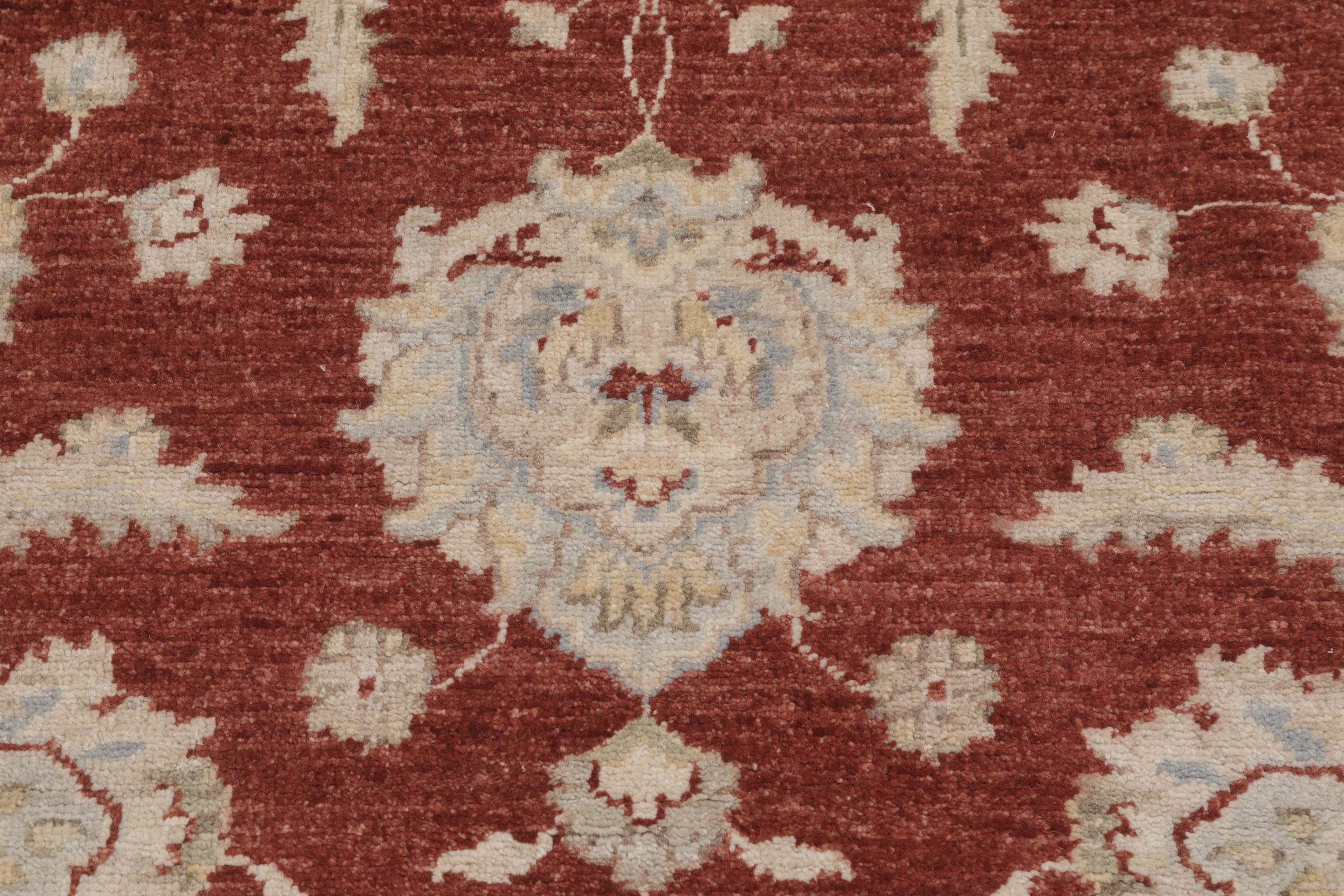
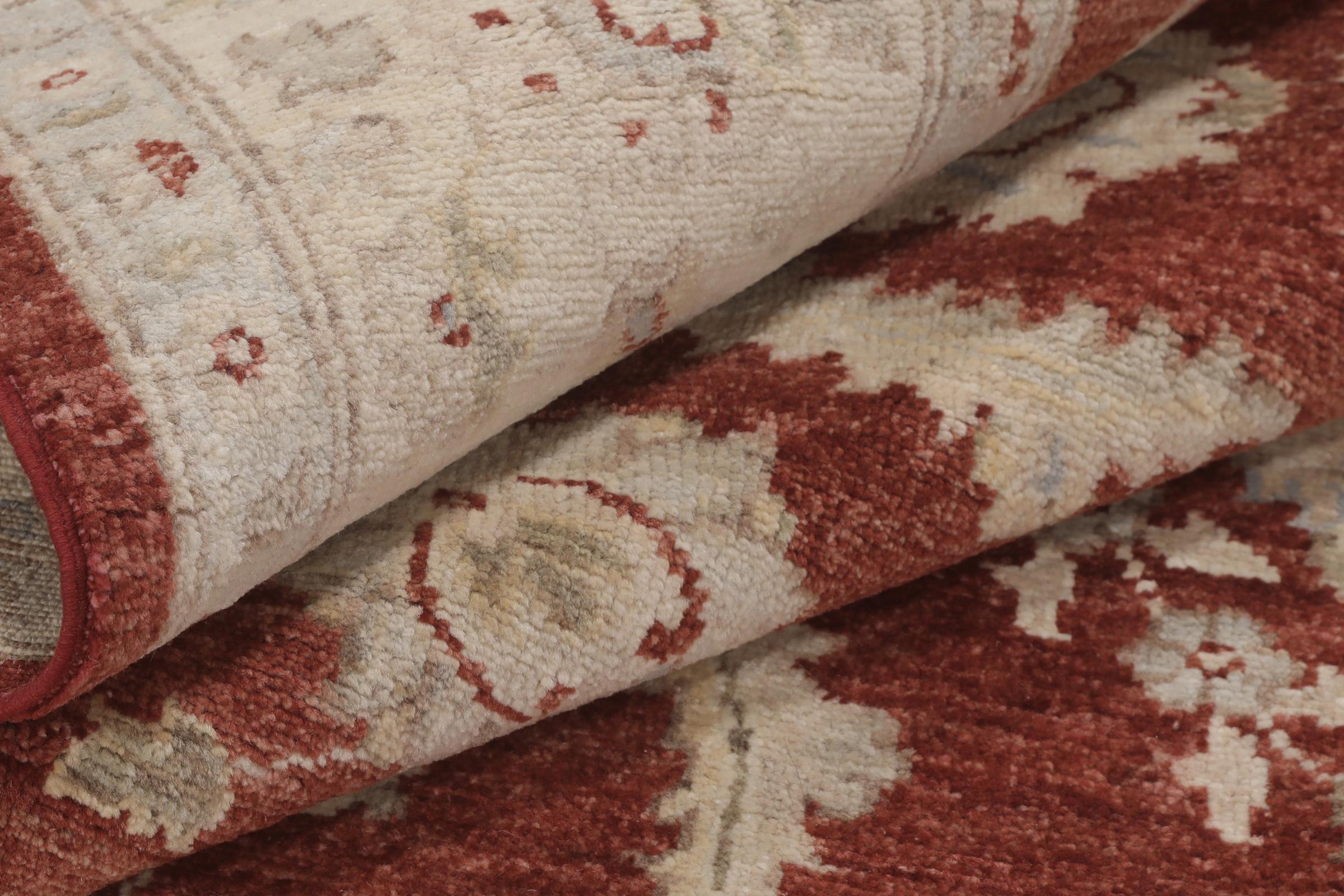
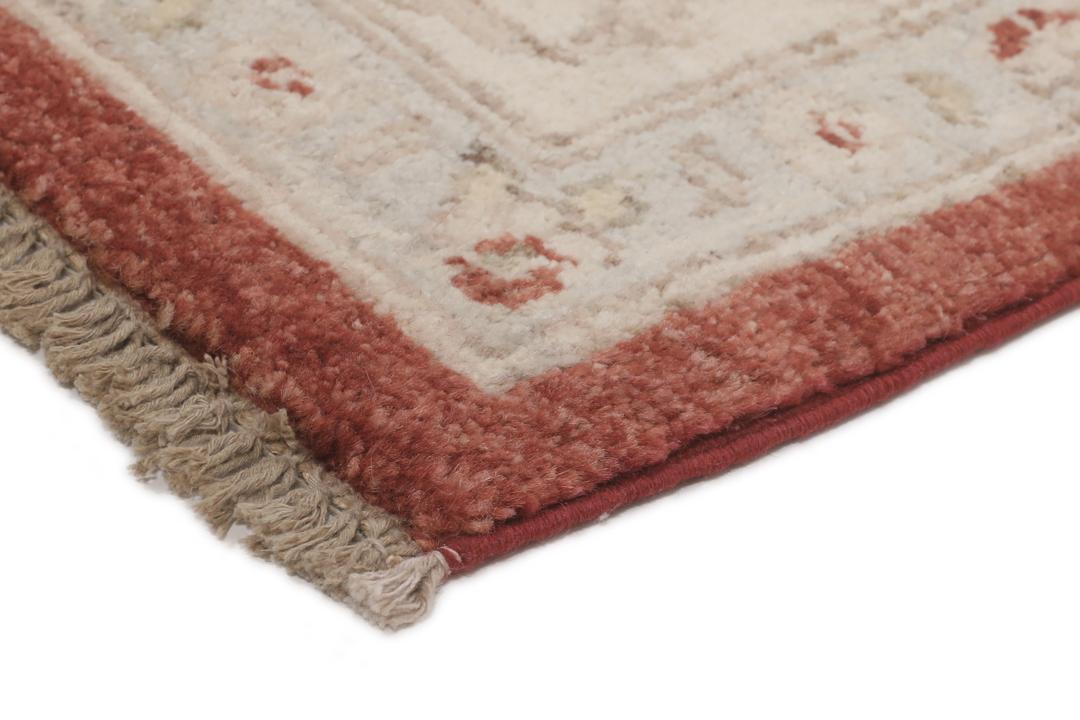
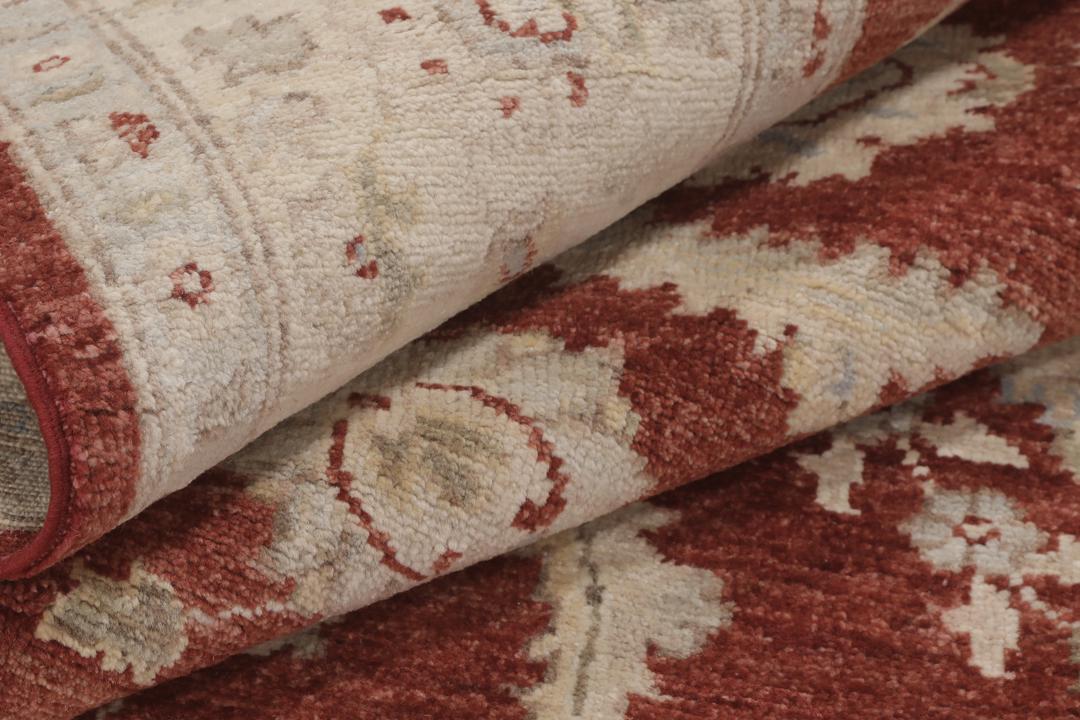
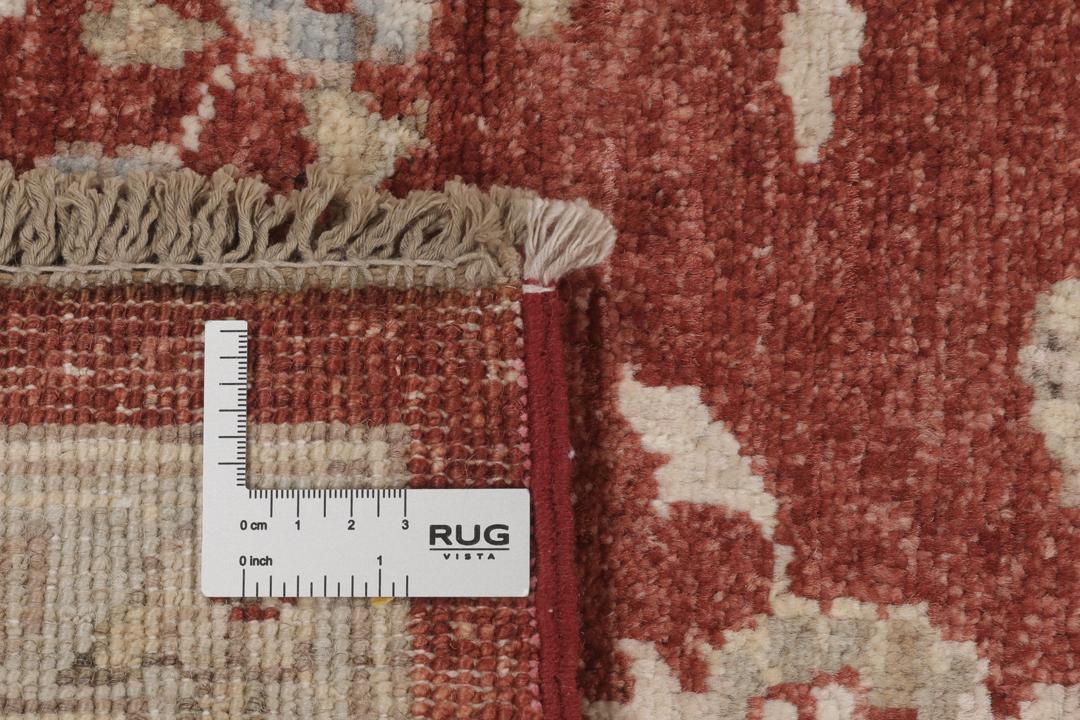
While the origins of this style are linked to these historical commissions, modern versions like this one continue the tradition of combining sophisticated design with high-quality materials. The technique involves a careful selection of wool that is twisted to ensure both durability and a pleasant feel, maintaining the legacy of rugs that are built to be walked upon and enjoyed for generations.
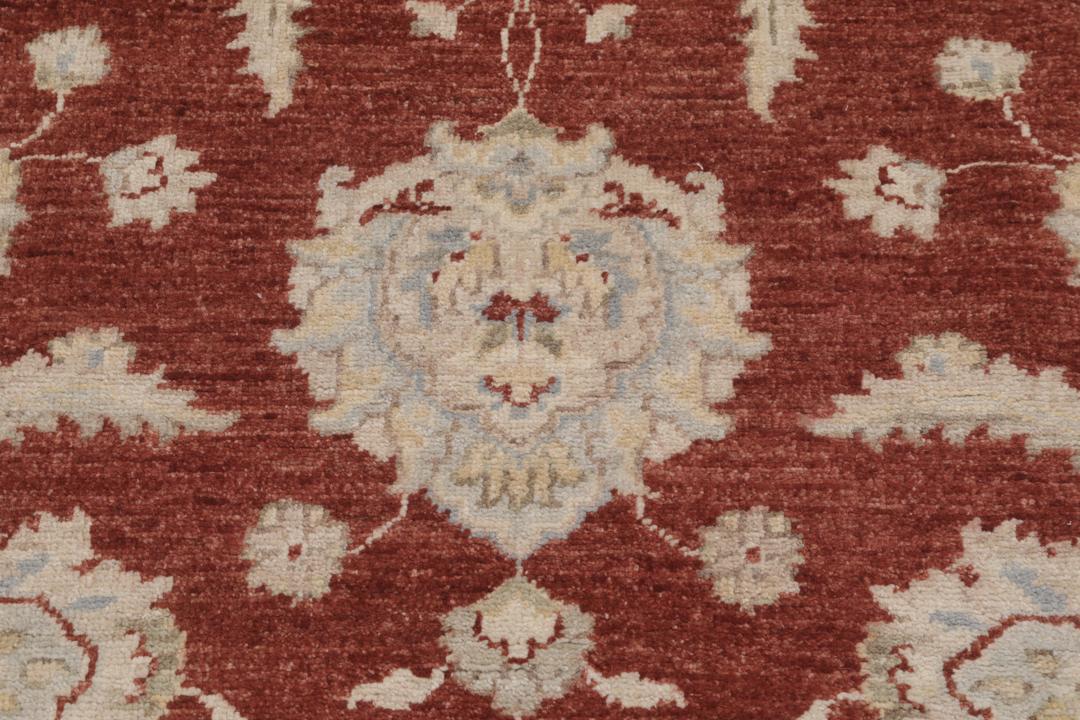
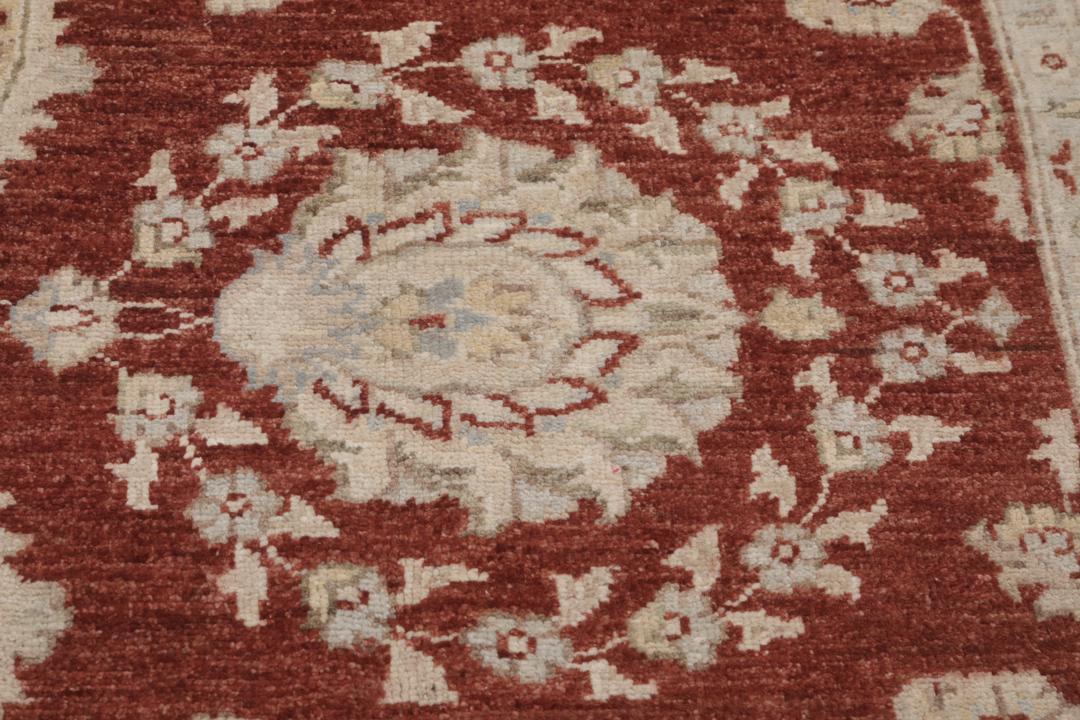
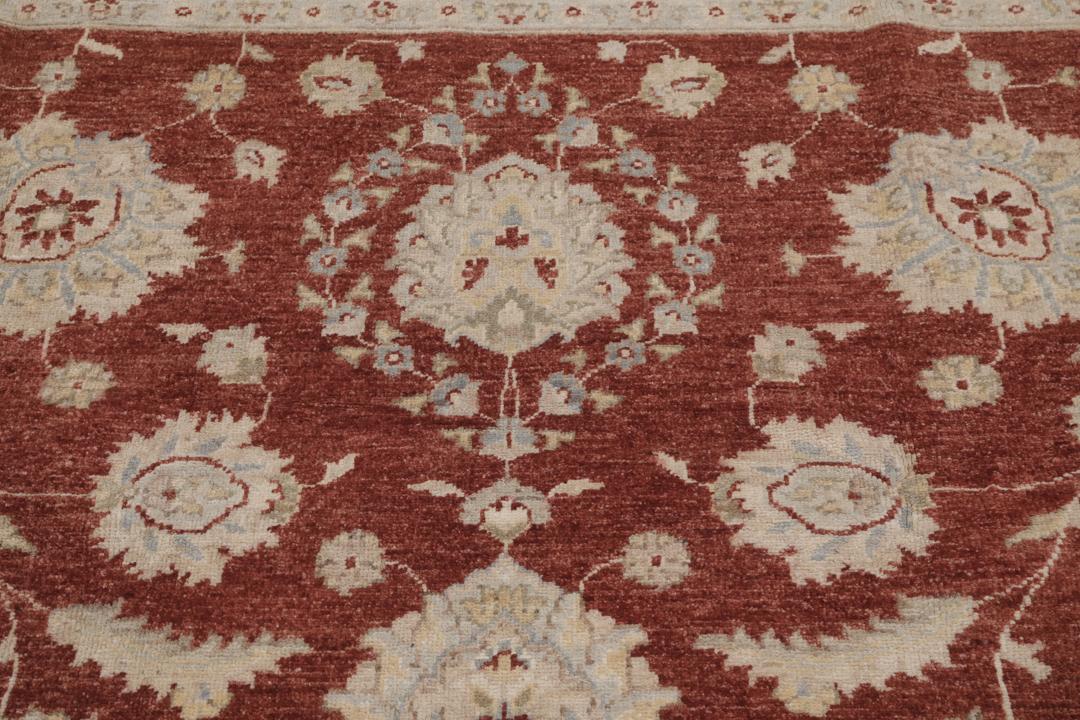
The signature design elements of a Ziegler-style rug typically include large-scale floral motifs, sweeping vines, and a generous, open field. Unlike more crowded, traditional carpets, these rugs focus on a sense of balance and space, often framed by decorative borders that complement the central pattern without overwhelming the eye.
Owning a piece from this tradition is an investment in cultural heritage and skilled artistry. These rugs are highly valued by collectors and homeowners alike for their ability to blend seamlessly into various interior styles while retaining a distinct, historical character that adds depth and soul to any room.