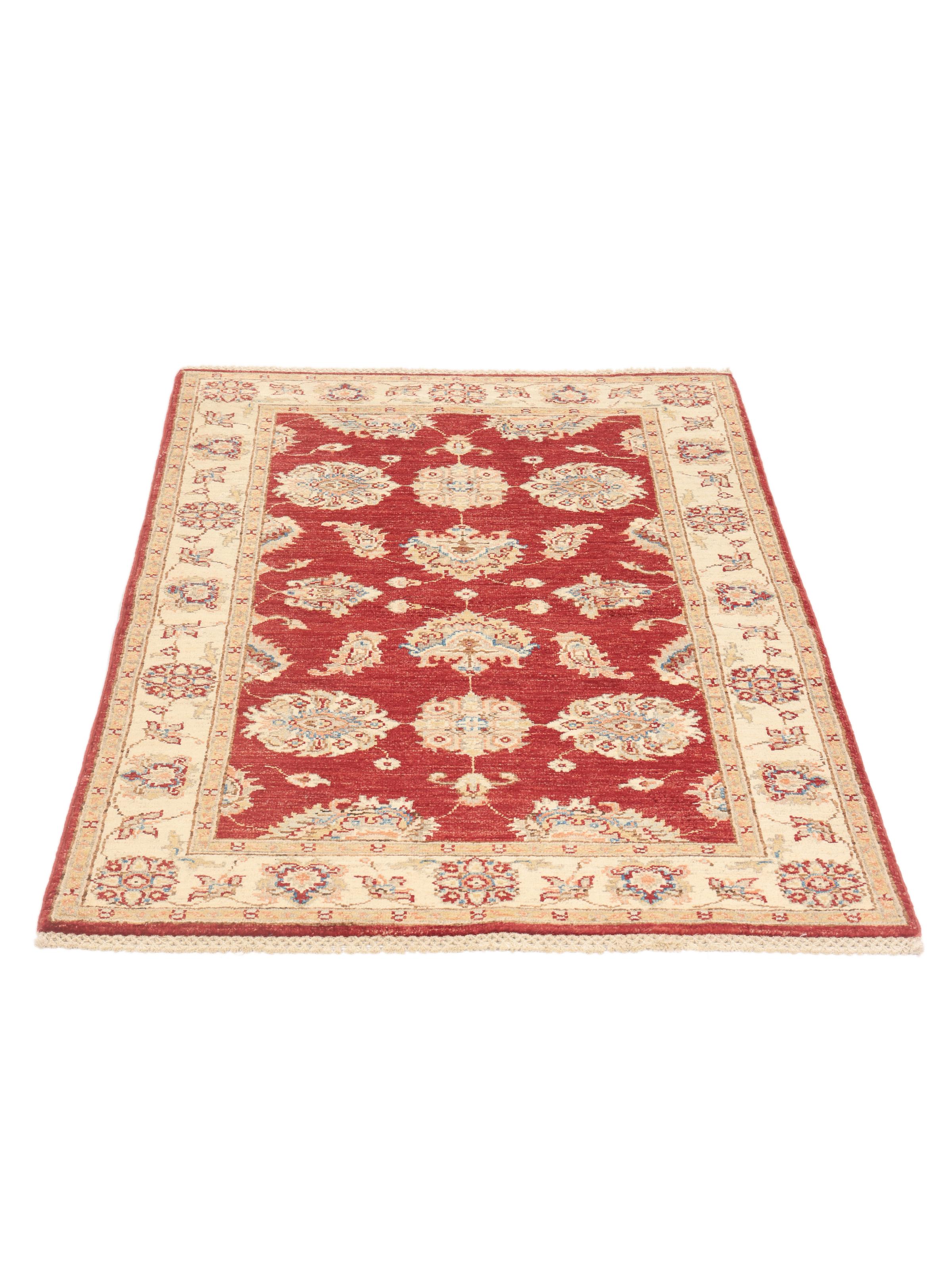
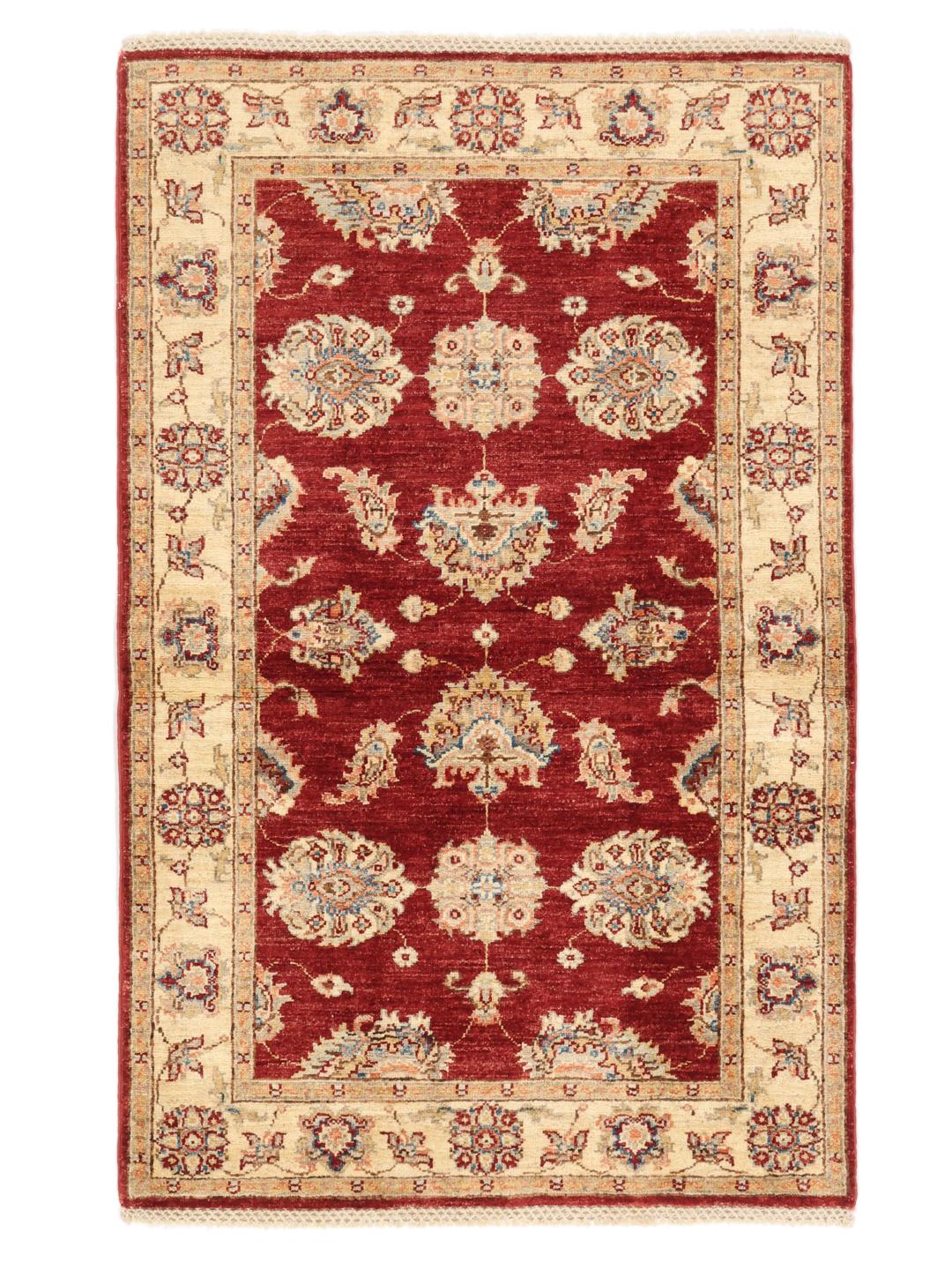
The Ziegler rug tradition is a fascinating chapter in the story of Middle Eastern textile arts. Originally developed in the late 19th century by a Swiss firm operating in the region, these rugs were created to suit Western interior tastes by featuring more open fields and softer, more muted palettes than their predecessors. Today, Afghan weavers have mastered this aesthetic, blending ancient techniques with these classic design sensibilities to produce rugs that feel both historical and relevant to modern homes.
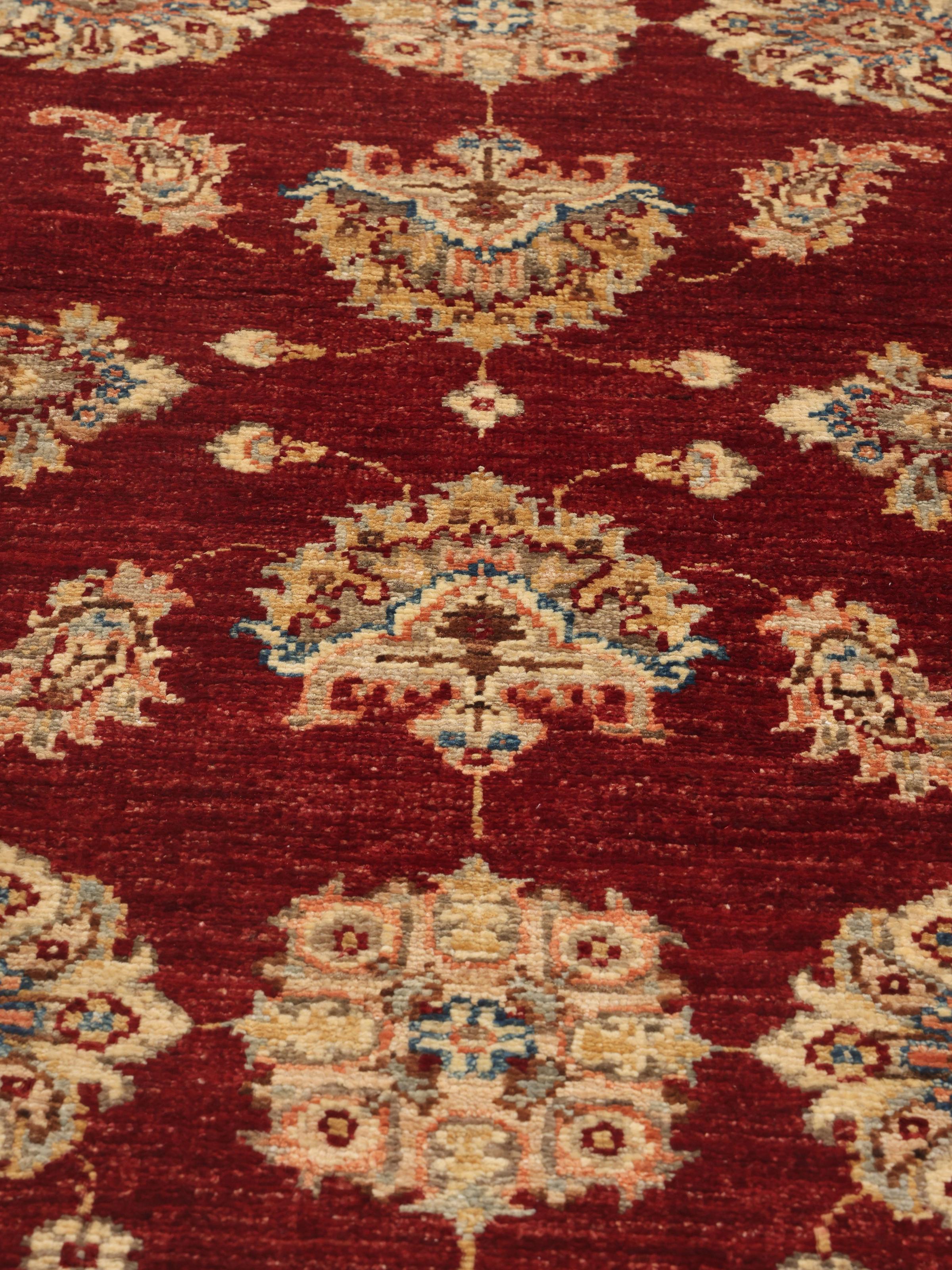
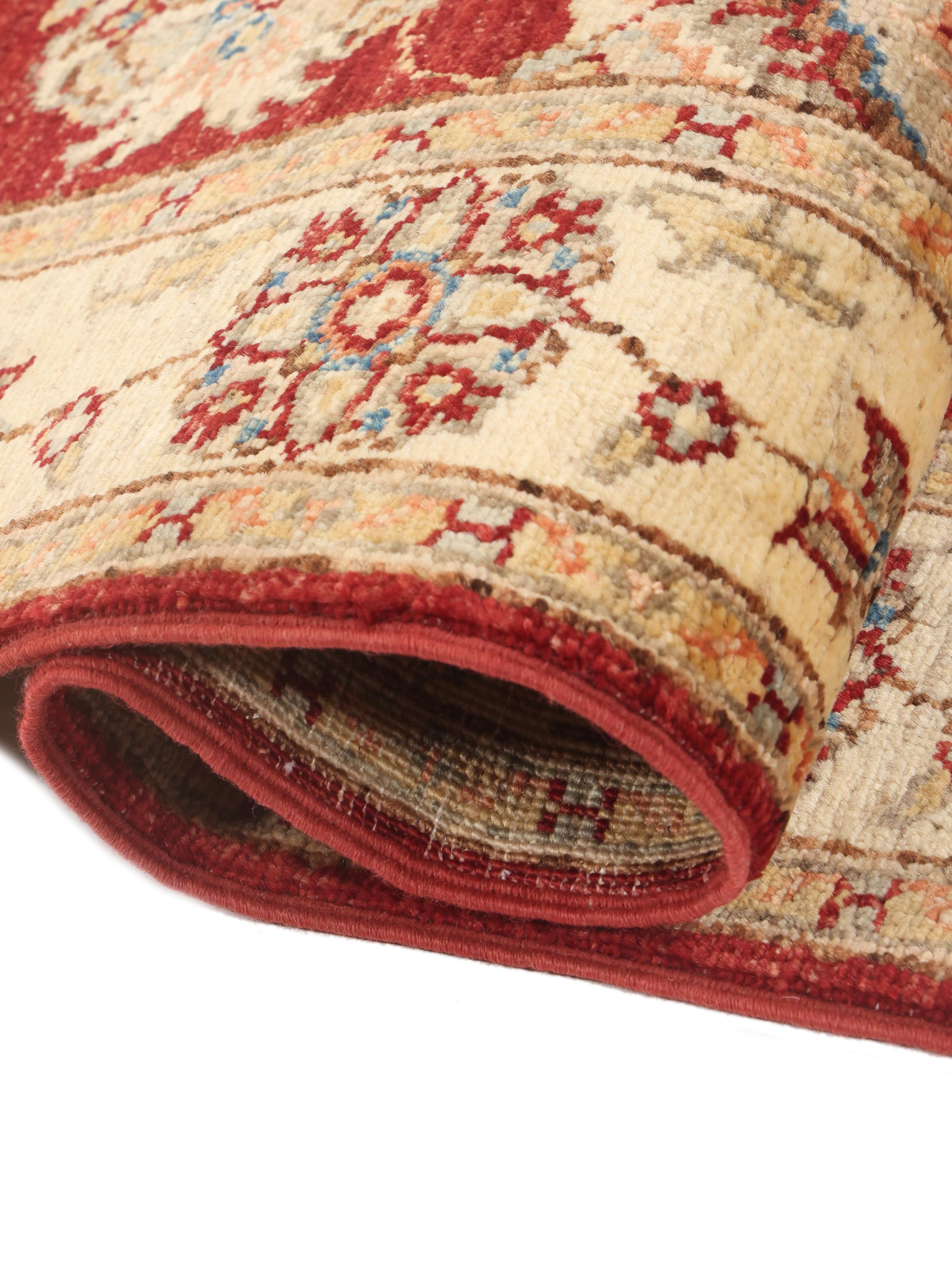
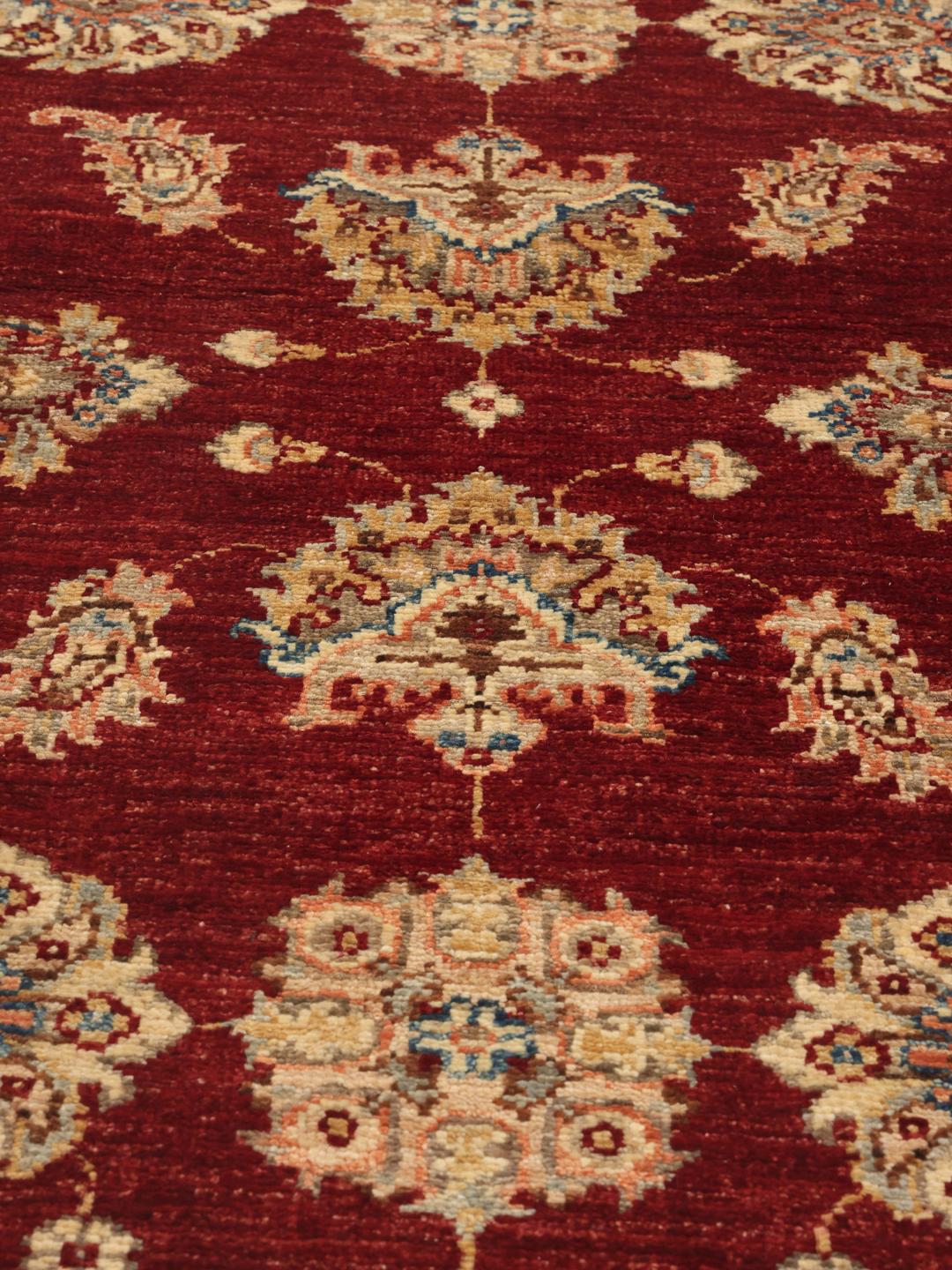
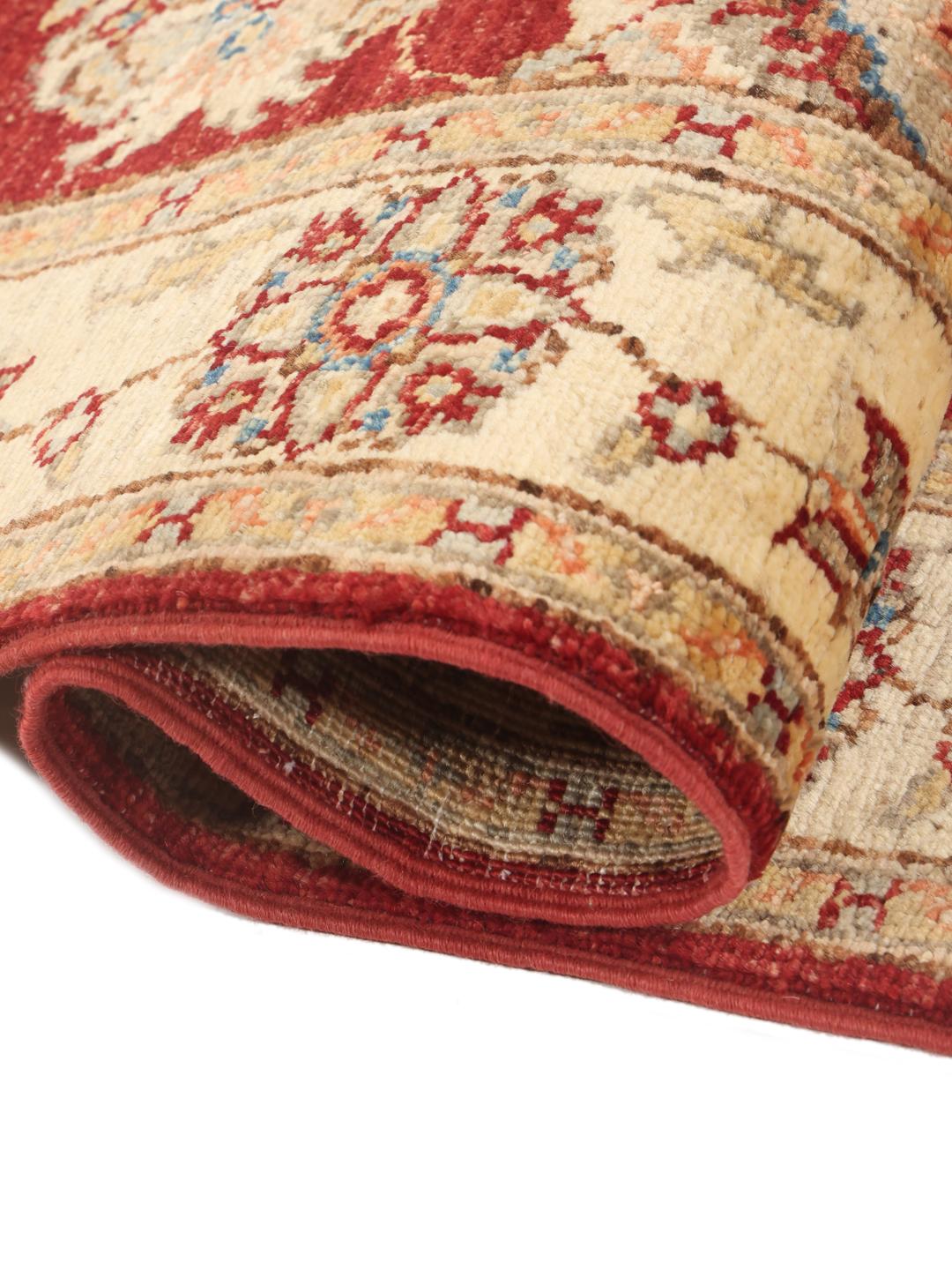
At the heart of the Ziegler style is the use of high-quality, long-staple wool, which is often hand-spun to give the yarn a unique, textured character. This process is essential for achieving the subtle variations in colour, often referred to as abrash, which give the rug its organic, lived-in look. The terminology used in these rugs speaks to a craft where the goal is not just uniformity, but a sense of depth and life that only natural materials and manual handling can provide.
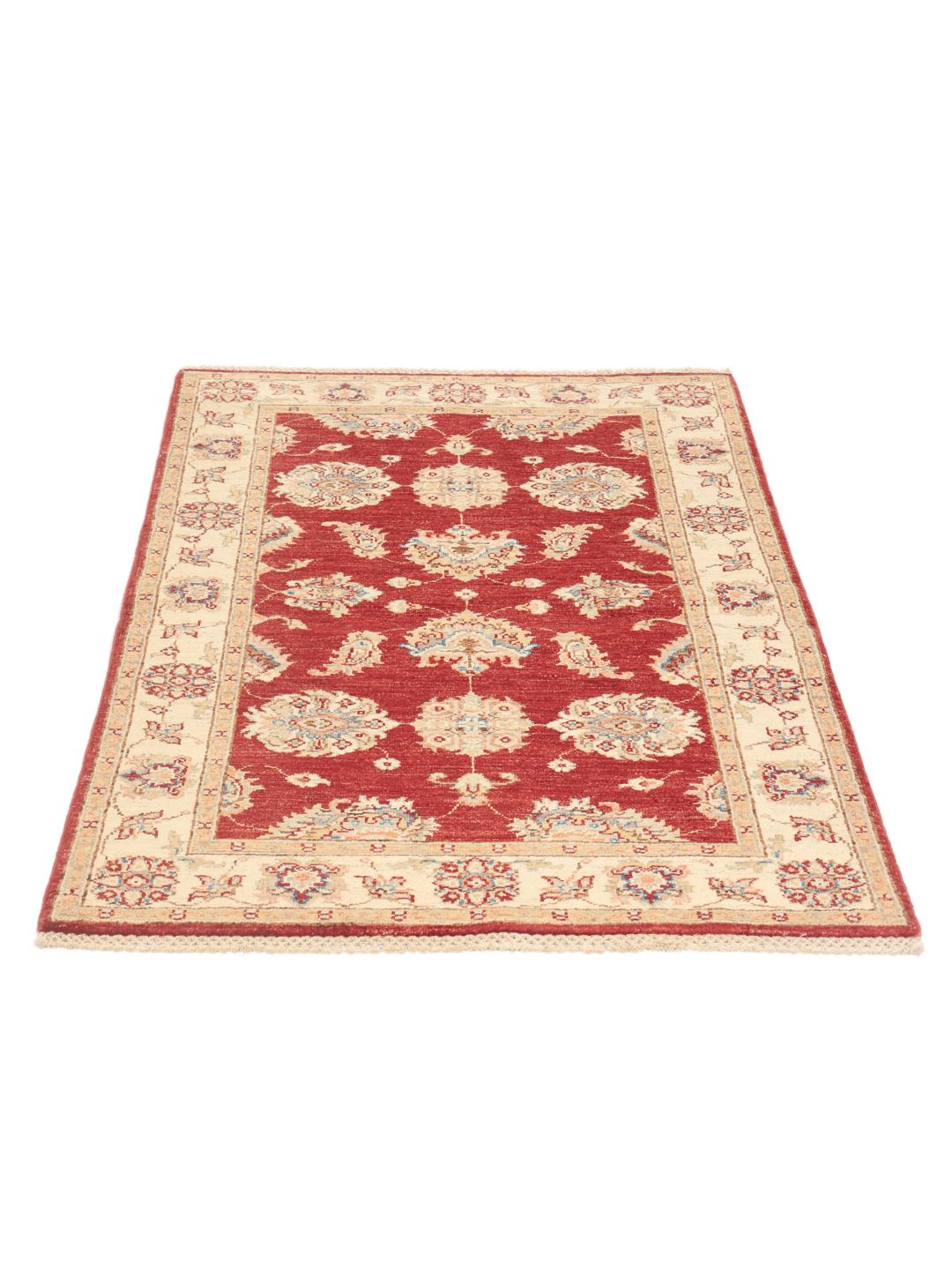
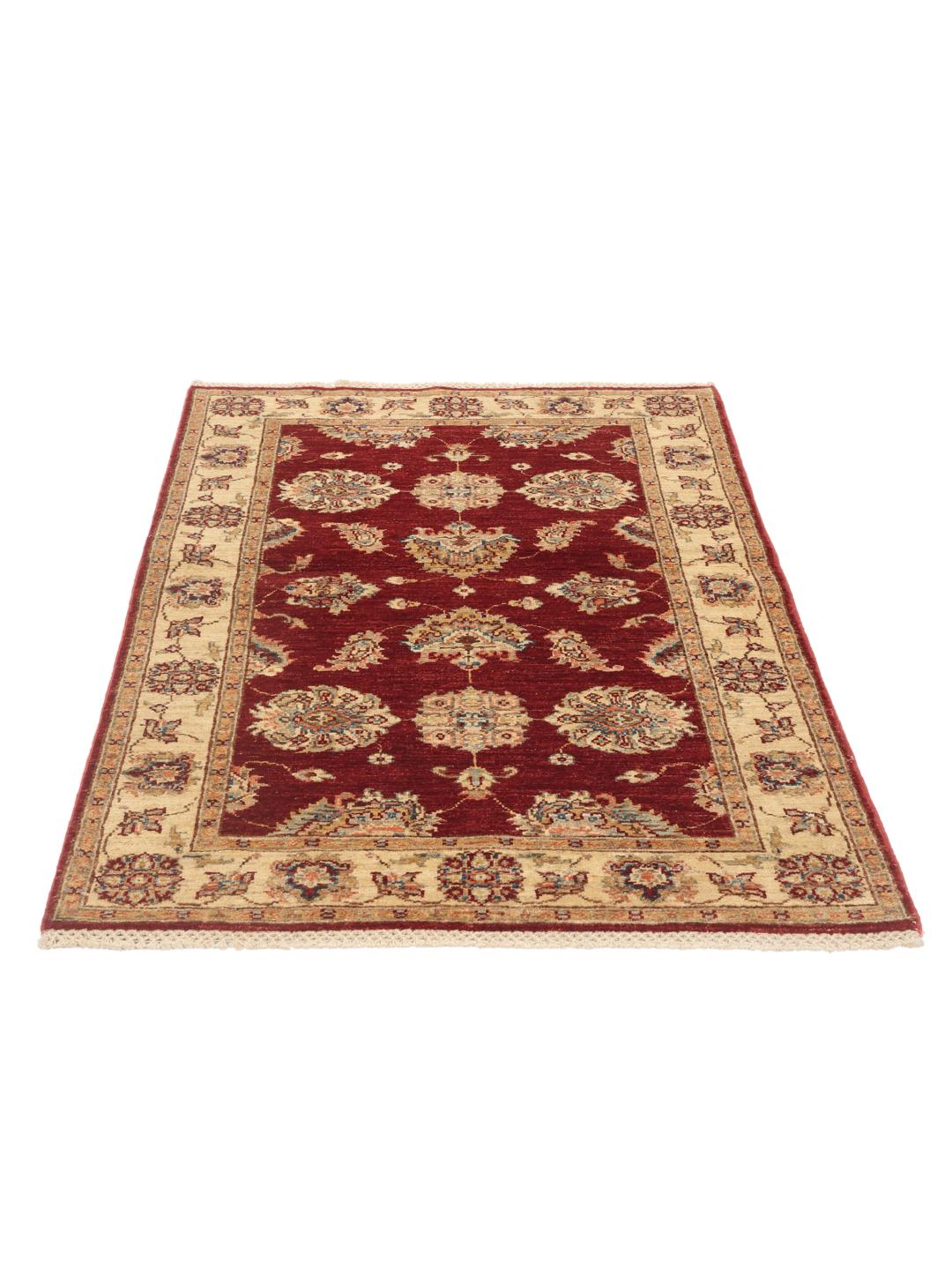
Visually, these rugs are celebrated for their large-scale floral motifs and sweeping vines, which are typically enclosed by wide, ornate borders. The patterns are designed to draw the eye across the field, creating a sense of movement and elegance. While many traditional rugs from the region are known for their dense, geometric tribal patterns, the Ziegler style offers a more airy, sophisticated aesthetic that works beautifully in a wide variety of spaces.
Collecting a Ziegler rug is an investment in a living tradition that bridges the gap between different cultures. Because each piece is the result of many weeks or months of work, owning one is a testament to the skill of the artisan who created it. These rugs are valued not only for their beauty but for their ability to bring a sense of heritage and permanence to a home, serving as a reminder of the enduring power of human craftsmanship in an increasingly automated world.